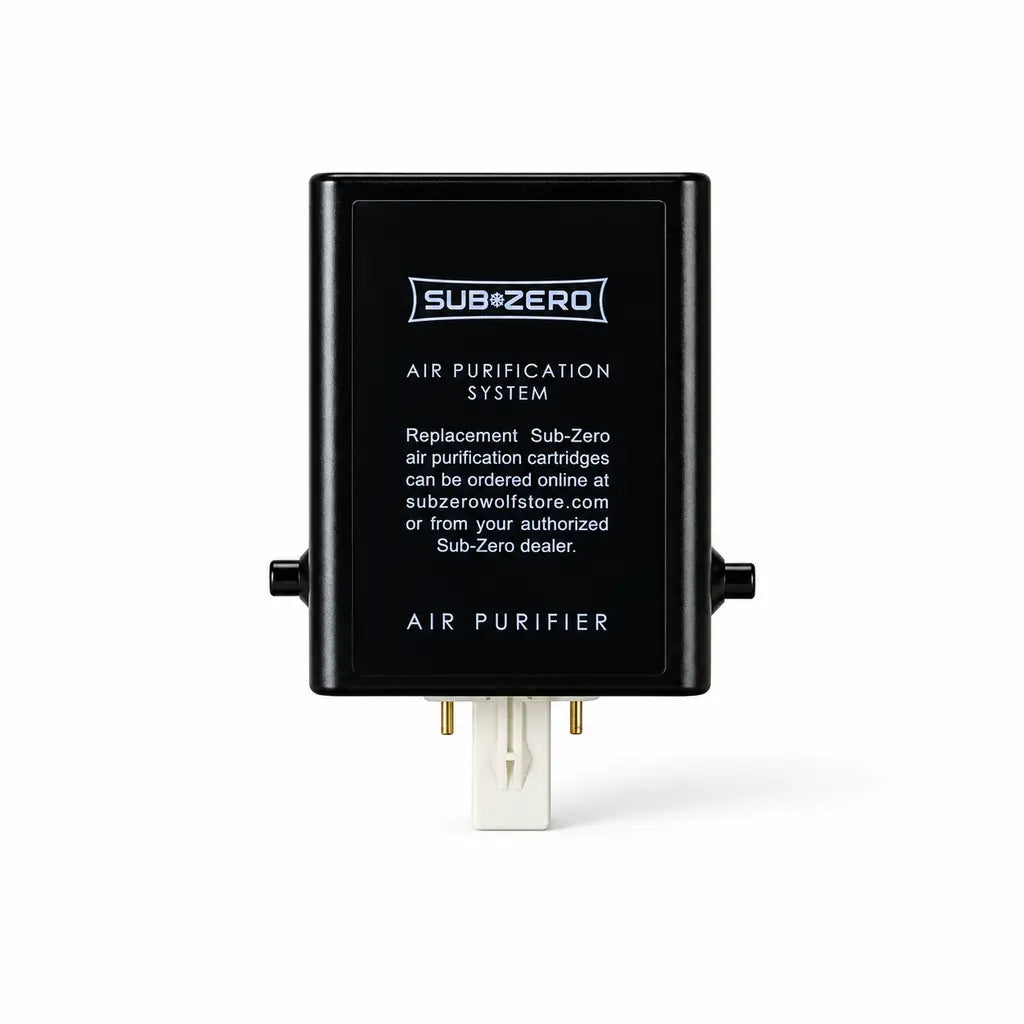
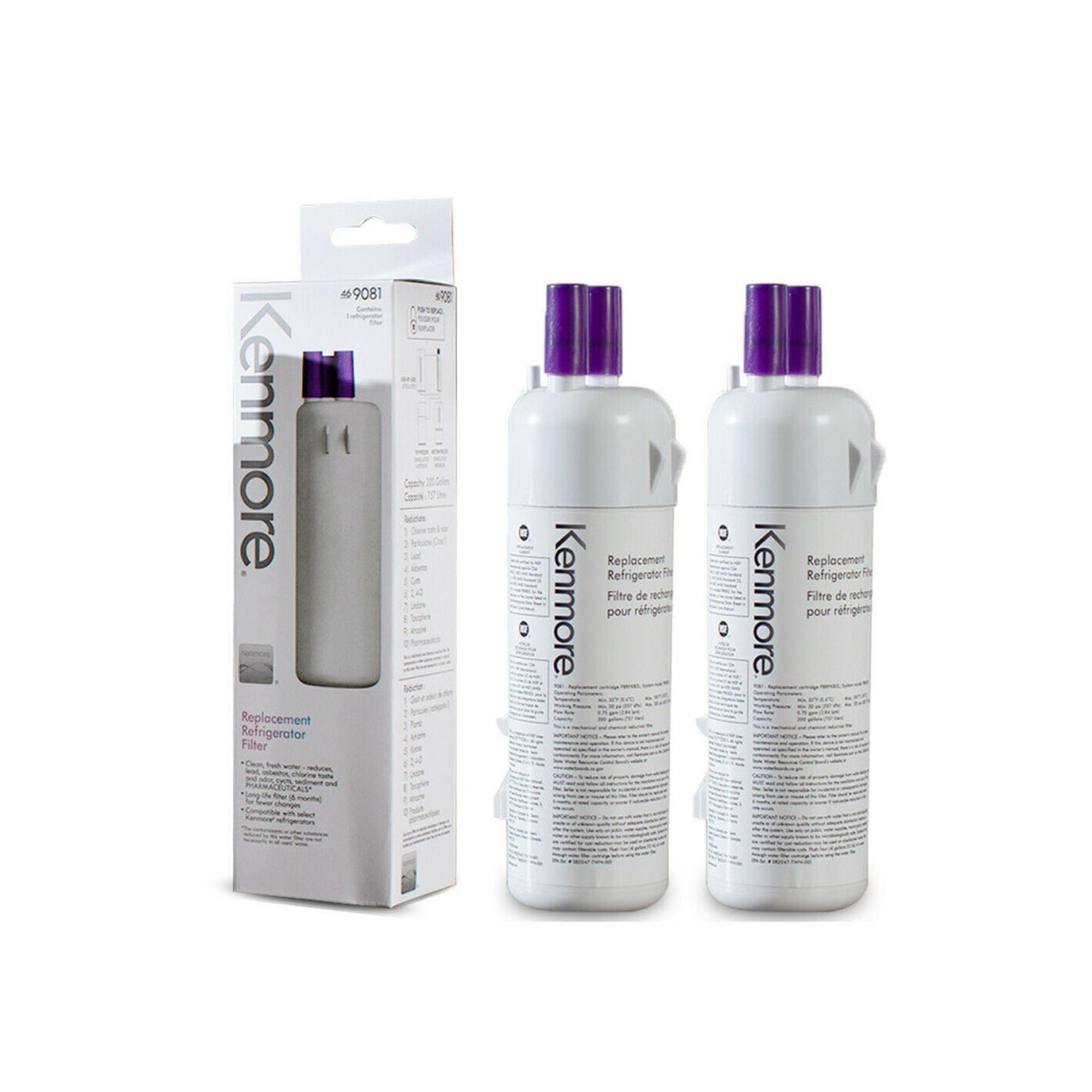
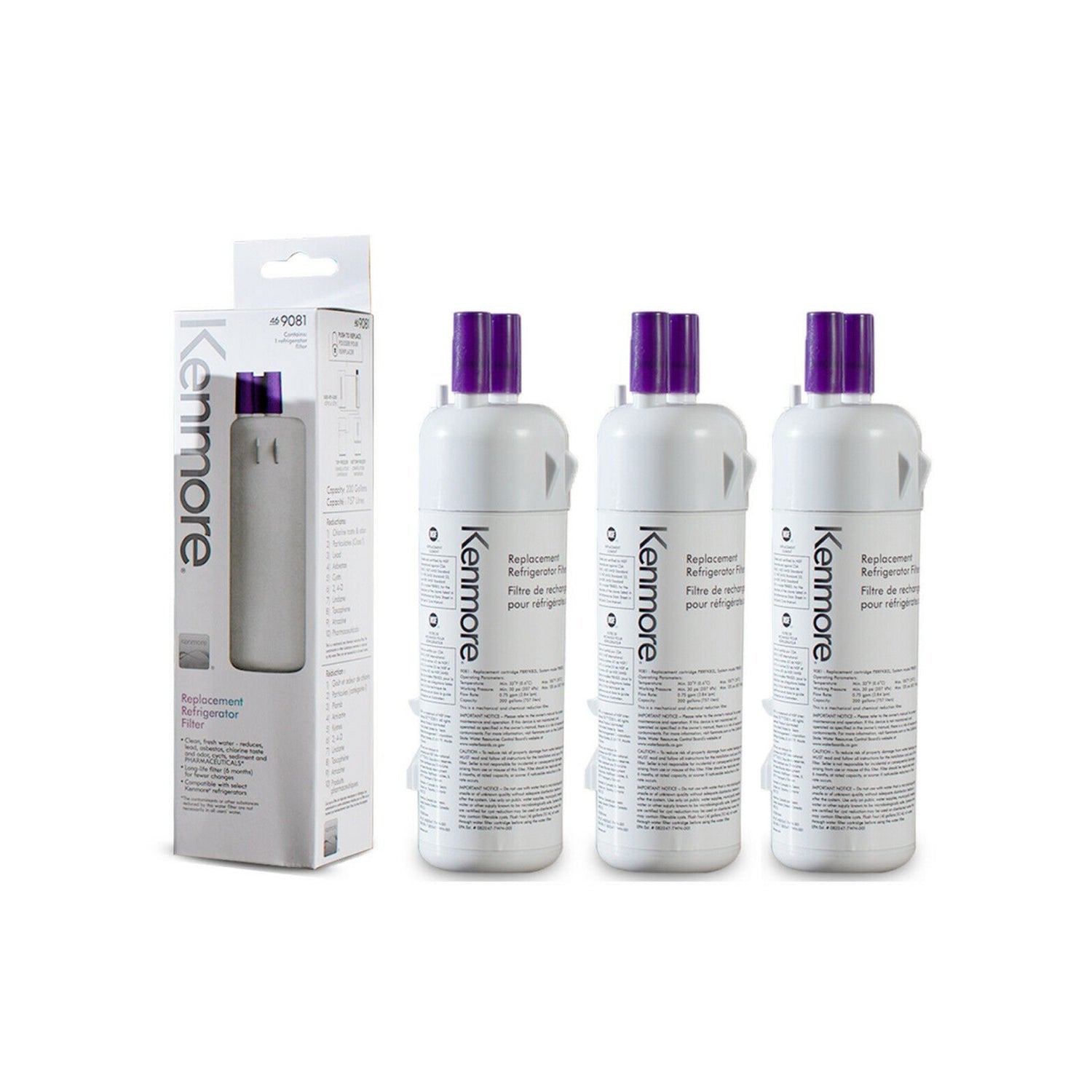
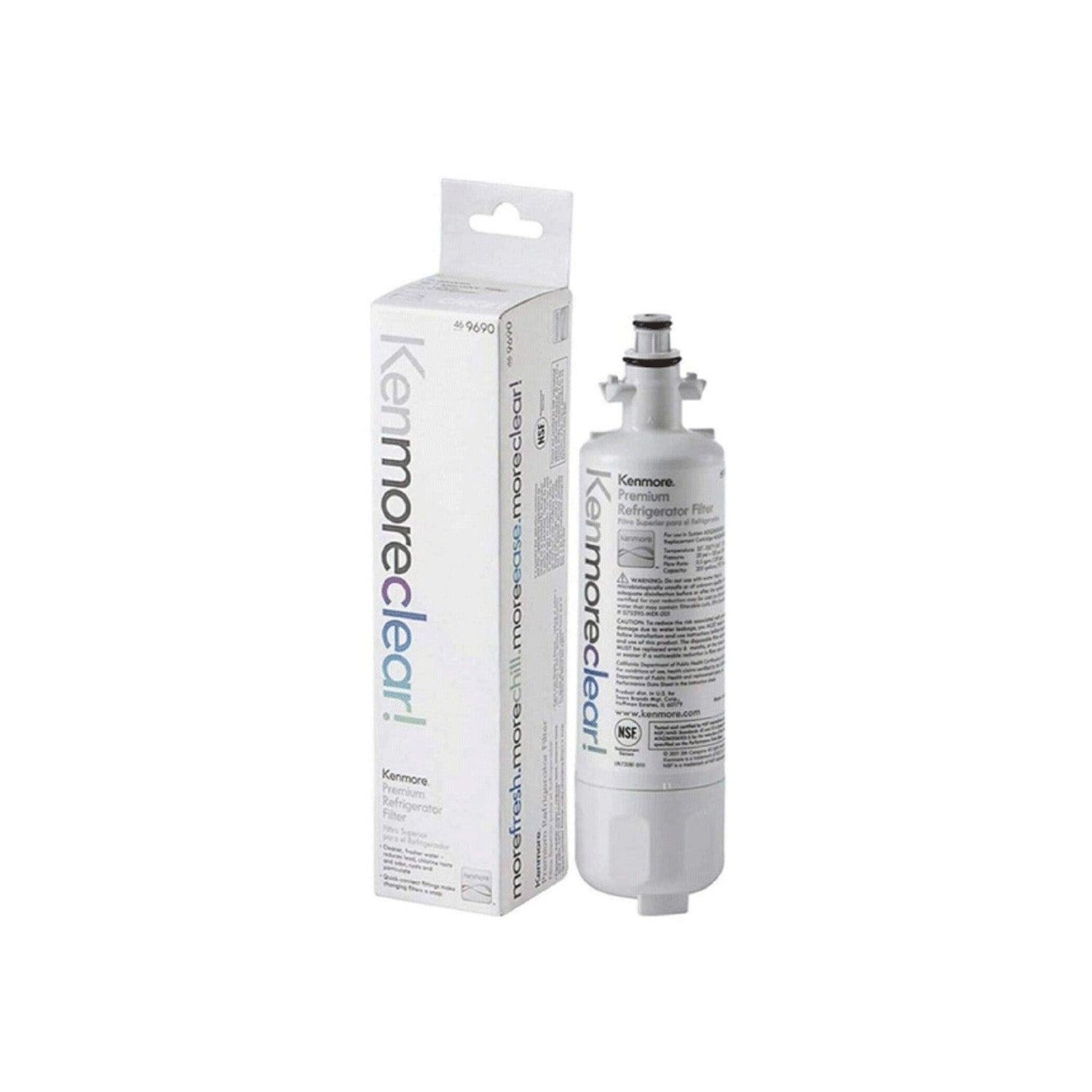
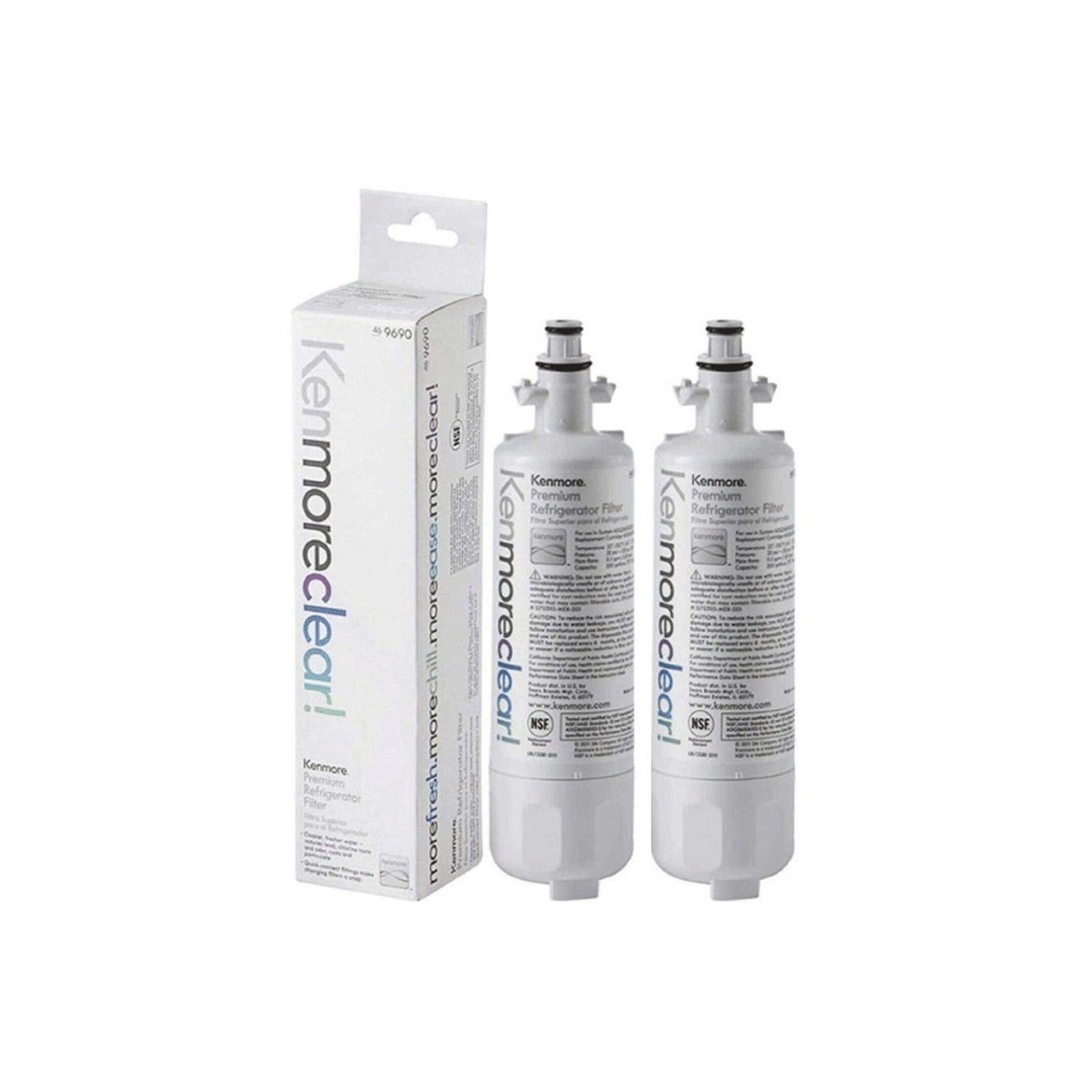
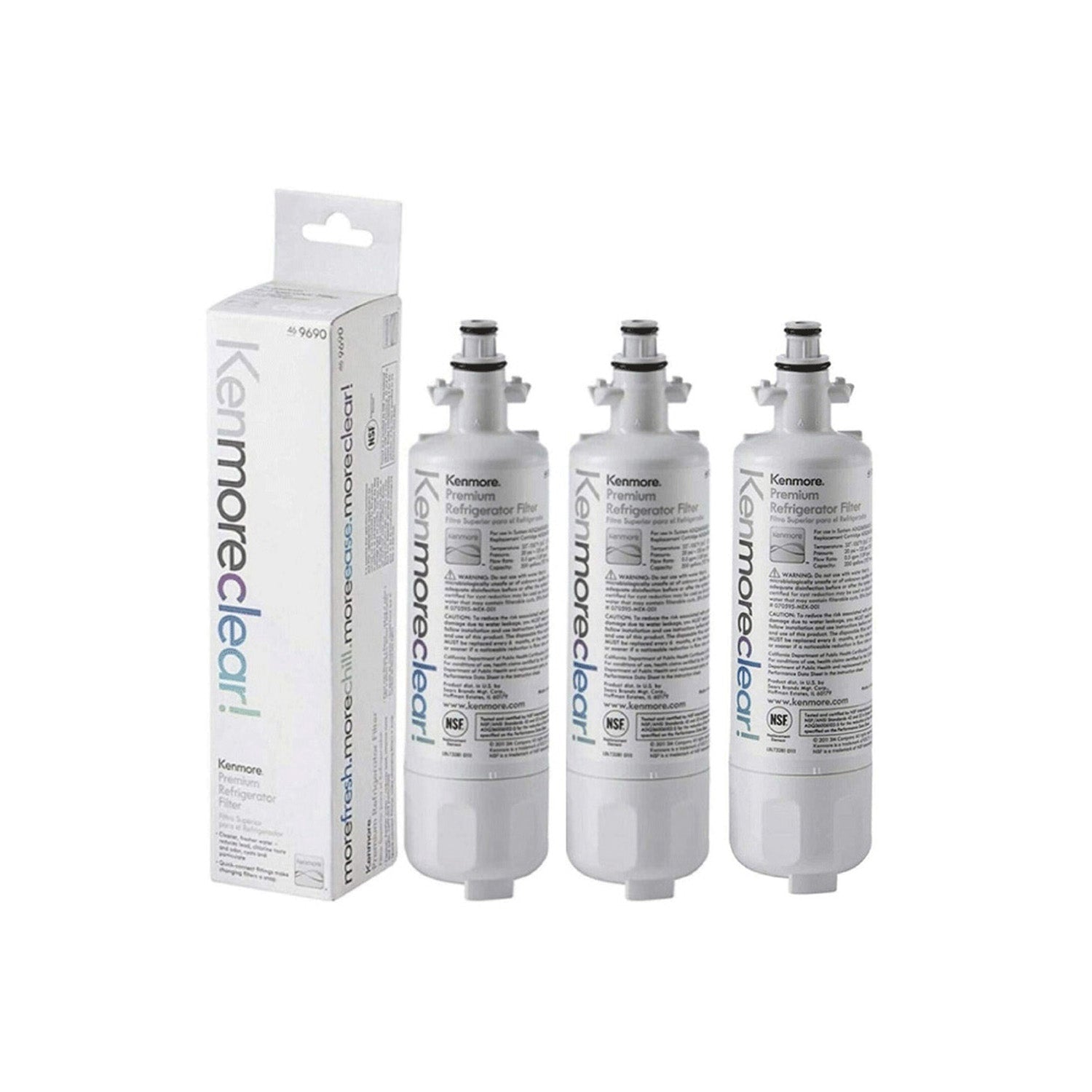
Bad smells inside a refrigerator can spread through food within hours. Leftover meals, spoiled produce, and strong ingredients often leave the air stale and unpleasant. Many people clean shelves often but still notice unwanted odors coming back after time.
Activated carbon filters trap odor particles before they spread across your refrigerator. They help keep food fresher, reduce stale air, and support a cleaner space for daily food storage needs.
This guide explains how activated carbon works, what these filters remove, and how long they last inside a refrigerator. You will also learn simple care tips, signs of filter wear, and smart ways to keep refrigerator air clean and fresh for longer periods without extra effort daily
How Activated Carbon Used in Daily Life
Activated carbon is a form of carbon that contains a dense network of tiny pores. Makers produce it by heating carbon-rich materials under low oxygen. This process creates a material with a sponge-like structure that holds a very large surface area. One gram can spread across a space similar to a football pitch. The structure includes micropores, mesopores, and macropores that sit at different sizes. These pores stay much smaller than a strand of human hair. Air and gases move through these openings, and unwanted particles stick to the surface inside the pores. This process helps the material trap odors, gases, and other unwanted compounds with high efficiency in both air and liquid systems.
Activated carbon comes from natural carbon sources such as wood, coconut shells, coal, and peat. These materials go through heat processing to form the final product. Plant-based sources like coconut shells often create a strong pore structure that works well in filtration systems.
Activated carbon supports many fields because of its ability to clean air and liquids.
Industrial: factories: Factories rely on it to remove color and unwanted compounds from chemical and food production streams. It helps keep production liquids cleaner and more stable.
Food industry: Food processors use it as a color additive and processing aid in products like sweets, jams, and coated cheeses. It helps adjust color and remove unwanted traces during production.
Water cleaning: Water systems use it to remove chlorine, ozone, and taste issues from drinking water. Wastewater systems also rely on it to trap dissolved pollutants before discharge.
Medical use: Healthcare uses it to bind toxins in cases of poisoning when taken by mouth. It also appears in treatments for stomach and digestive discomfort.
Beauty products: Skincare and hygiene products include it in face masks, toothpaste, and cleansers. It helps lift oil, dirt, and unwanted buildup from surfaces.
Car systems: Vehicle filters use activated carbon to reduce smoke, fuel fumes, and exhaust smells inside cabins. It helps keep indoor air cleaner during travel.
Air purification: Home and fridge filters use it to reduce odors from food, smoke, and daily household smells. It supports cleaner air flow in enclosed spaces.
These wide uses set the base for understanding how activated carbon performs inside refrigerator air purification systems.
Why Activated Carbon Filters Remove Odors So Effectively?
Activated carbon filters work well against odours because they trap gas molecules inside a dense network of tiny pores. The carbon surface carries a very large internal area, which gives odor particles many points to attach. This process happens through adsorption, where gases stick to the surface instead of moving through the air. As air passes through the filter, odor compounds lose contact with the airflow and stay locked inside the carbon structure. This action helps reduce smells from food, waste, smoke, and other common sources inside closed spaces like refrigerators.
These filters are used in many small spaces where odours build up quickly.
Fridge storage: Activated carbon helps remove strong food smells like fish, onions, and leftovers. It keeps mixed food odours from spreading between items and helps maintain a neutral smell inside the compartment.
Kitchen bins: Waste bins often release strong organic smells. Carbon filters trap these gases before they spread into the room and help keep the area more comfortable.
Storage drawers and cabinets: Closed spaces like shoe cabinets or kitchen drawers can trap stale air. Activated carbon reduces trapped odours and keeps these areas fresher for longer use.
Air purifiers: Home air systems use carbon filters to reduce smoke, cooking smells, and pet odours. They support cleaner indoor air by capturing airborne gases before they circulate further.
Activated carbon also scales from small household use to larger filtration systems in industrial settings, where it helps clean exhaust gases and process air streams before release. The same core principle applies across all uses, no matter the size of the system.
The main reason behind this performance lies in adsorption. Adsorption means gas molecules stick to the surface of the carbon instead of being absorbed into the material. The internal surface area inside activated carbon can reach extremely high levels due to its micropores, mesopores, and macropores, which creates more space for trapping odour compounds at a microscopic level.
This strong trapping ability also helps reduce volatile organic compounds and other airborne chemicals. The filter works best in closed systems with steady airflow, where air keeps moving through the carbon layer.
How Activated Carbon Air Filters Work
Activated carbon air filters use a dense network of tiny pores inside the carbon material to trap unwanted gases from moving air. Air flows through the filter and passes across a very large internal surface area created by micropores, mesopores, and macropores. These pores act like tiny chambers where gas molecules come into close contact with the carbon surface. The main process is adsorption, where molecules stick to the surface instead of passing through the filter.
Activated carbon filters are effective against odors and gas-based impurities because the carbon surface pulls and holds molecules as air moves through it. This action works in a similar way to a magnet that attracts and holds small particles on its surface. Adsorption does not involve the gases being absorbed into the material, but instead they attach to the outer and inner surfaces of the carbon structure.
This process allows the filter to handle many types of smells and volatile compounds, which makes it useful in air purification systems for refrigerators, homes, and other enclosed spaces where air stays trapped longer.
What Contaminants Can Activated Carbon Remove?
Activated carbon effectively removes odor molecules, gases, and chemical compounds that many basic filters cannot capture. Its porous surface traps a wide range of airborne and dissolved substances through adsorption, which helps reduce unwanted smells and harmful pollutants in enclosed spaces.
Volatile organic compounds (VOCs): Benzene, formaldehyde, and other chemical fumes released from cleaning products, paints, and household materials.
Odor gases: Sulfur compounds, ammonia, and food-related smells that build up in refrigerators and waste areas.
Toxic gases: Ozone, chlorine, and exhaust-related gases often found in indoor air or treated water systems.
Organic pollutants: Pesticide traces, industrial residues, and other small chemical particles present in air or water sources.
Adsorption vs. Absorption: Understanding the Key Difference
Many people mix up adsorption and absorption because both describe how materials take in substances. The two terms sound similar, but they work in very different ways. A clear understanding helps explain how activated carbon removes odors and gases more effectively than many other materials.
Adsorption happens when gas or liquid molecules stick to the surface of a material. The substance does not enter the material but attaches to its outer and inner surfaces. Activated carbon uses this process because its surface contains millions of tiny pores that pull in odor particles and hold them in place, much like dust sticking to rough sandpaper.
Absorption works in a different way. It happens when a material takes substances into its full structure, not just the surface. A sponge is a simple example. It pulls in water and spreads it through its entire body. The substance becomes part of the material instead of staying on the surface.
Activated carbon relies on adsorption, not absorption. This surface-based action allows it to trap a large number of odor molecules without becoming full too quickly. In air purification systems, this process often works alongside HEPA filters. Activated carbon targets gases and smells, while HEPA filters capture dust, pollen, and other fine particles in the air.
Benefits of Using Activated Carbon for Cleaner and Fresher Air
Activated carbon offers several advantages in air purification systems for homes and enclosed spaces.
-
Removes odors effectively by trapping smell-causing gas molecules from food, smoke, pets, and household waste before they spread through the air.
-
Reduces gaseous pollutants such as volatile organic compounds, chemical fumes, and airborne contaminants that basic particle filters often cannot capture.
-
Supports cleaner indoor air by lowering the amount of unwanted gases that circulate through refrigerators, kitchens, and living areas.
-
Works quietly inside filtration systems because the carbon material cleans air through adsorption without producing extra noise or airflow resistance.
-
Improves filter performance when paired with HEPA systems, since activated carbon targets gases and odors while HEPA filters capture dust and fine particles.
-
Fits many air purification systems due to its flexible form, including carbon pellets, sheets, powders, and filter pads used in both small and large units.
Common Types of Activated Carbon Used for Air Cleaning
Activated carbon used in air purification comes from materials such as coconut shells, coal, wood, and peat. Manufacturers process these raw materials into different forms for vapor filtration, odor control, and gas removal in both household and industrial systems.
Granular activated carbon contains loose carbon particles with a large surface area for trapping gases and odors. This type supports strong airflow and is commonly used in air purifiers, refrigerator filters, and industrial ventilation systems.
Pelletized activated carbon uses compressed carbon pellets that create steady airflow with low pressure drop. Many long-term filtration systems and HVAC units rely on this form for continuous air cleaning.
Impregnated activated carbon contains added chemical compounds that target specific pollutants more effectively. This type works well in environments that contain ammonia, sulfur gases, or industrial chemical fumes where standard carbon filters may provide lower performance.
How to Use an Activated Carbon Filter the Right Way?
You already understand how activated carbon works inside air systems and how it traps odor particles through adsorption. This next step focuses on how to use and care for the filter in the right way for steady performance. Proper use and simple maintenance help the filter work at its best and keep airflow clean over time. Correct handling also helps extend filter life and keeps odor control more consistent in daily use.
Selecting the Best Activated Carbon Filter for Your Needs
When you select an activated carbon filter, you should match the filter type with your specific air purification needs and the space where it will be used. You need to check the form of activated carbon, such as granular, pelletized, or impregnated, since each type handles different levels of odor and gas removal. Granular carbon works well for general odor control in small systems, while pelletized carbon supports steady airflow in larger units. Impregnated carbon fits better in areas with strong chemical gases. You should also consider the airflow rate of your system, since a mismatch can reduce adsorption efficiency and limit how well the filter removes contaminants from the air.
Improve Air Purification Performance
You should also check the size and capacity of the filter before use, since a small filter in a large space can become saturated faster and lose performance. A properly sized filter allows air to pass evenly through the carbon layer, which improves contact time and helps trap more airborne particles and gases. If you ignore sizing, you may notice weaker odor control and faster buildup of pollutants inside the system. For best results, you should match the filter capacity with your room size or refrigerator volume to maintain stable air quality over time.
Regular Filter Maintenance Matters
You should also plan for regular replacement based on usage conditions, since activated carbon slowly fills with trapped molecules and loses efficiency. High humidity, strong odors, or heavy air pollution can shorten its effective life. Checking the filter condition at regular intervals helps maintain steady adsorption performance and prevents odor breakthrough. A well-chosen and properly maintained activated carbon filter supports consistent air purification and helps keep indoor air cleaner for longer periods.
Why Activated Carbon Plays a Major Role in Air Purification?
Clean air plays a key role in daily health, yet indoor spaces often collect odors, gases, and invisible pollutants that affect comfort and well-being over time, making effective air purification a clear need in many homes and enclosed environments.
Activated carbon acts as a core material in air purification systems by capturing gases and odor particles that other filters may not handle well, making it a key solution for improving indoor air quality through a strong adsorption process.
Its ability to trap a wide range of airborne contaminants, adapt to different filtration systems, and maintain consistent performance makes activated carbon an essential part of effective air purification and a critical component for cleaner and safer breathing environments.
The Technology and Science of Activated Carbon Air Purification
Activated carbon removes gases and odors from air through a process called adsorption, where molecules stick to the surface of a material instead of being absorbed into it.
Adsorption differs from absorption because absorption pulls substances into the full structure of a material, while adsorption holds them only on the surface, which makes activated carbon more effective for trapping airborne pollutants.
Activated carbon works because it contains a highly porous structure with a very large surface area, which increases contact between air and carbon and allows more gas molecules to attach and stay trapped instead of flowing back into the air.
These scientific principles can be better understood by breaking down the main factors that control how activated carbon performs in air purification systems:
-
Surface area effect: A larger internal surface area creates more space for gas molecules to attach, which improves the overall removal of odors and airborne chemicals.
-
Micropore trapping: Tiny pores within the carbon structure capture small gas molecules, allowing effective removal of volatile organic compounds and other pollutants.
-
Physical adsorption forces: Weak molecular forces hold gases on the carbon surface, keeping them trapped without chemical change and maintaining steady filtration performance.
How Long Do Activated Carbon Filters Maintain Peak Performance?
Activated carbon air filters slowly lose effectiveness over time because the tiny pores inside the carbon become filled with trapped gases and odor molecules. Once these pores reach capacity, the filter can no longer capture new pollutants at the same level, which reduces overall air cleaning performance. Most activated carbon filters last around 3 to 6 months in regular home use, although this range can change based on air quality and usage conditions.
In general, filters exposed to stronger odors or heavier pollution may need replacement sooner, while lighter use in cleaner environments can extend their lifespan closer to the upper range. The exact duration depends on how much air passes through the filter and how many contaminants it needs to handle over time.
Key Factors That Influence the Lifespan of Activated Carbon Filters
As explained, the lifespan of an activated carbon filter does not stay the same in every situation. Several conditions can speed up or slow down how quickly the filter fills up, so it is helpful to understand the main factors that influence its overall durability.
-
Impact of Air Pollution on Filter Life
Higher levels of smoke, cooking fumes, pet odors, or chemical vapors fill the carbon pores more quickly. In such conditions, the filter reaches saturation faster and requires more frequent replacement to maintain clean airflow and consistent odor control.
-
Quality Affects Performance and Lifespan
High-quality activated carbon filters contain a larger surface area and better pore structure, which allows them to trap more gases before becoming saturated. Lower-grade filters fill up faster and lose performance sooner, especially in daily-use environments.
-
Size Matters for Efficiency
A larger filter contains more activated carbon material, which increases its capacity to hold pollutants. Small filters in larger spaces often work harder and reach saturation earlier, which shortens their effective service life.
Signs Your Activated Carbon Air Filter Needs Replacement
There is no exact moment that clearly shows when an activated carbon air filter stops working completely, but several common warning signs can help you notice when the filter is losing effectiveness and may need replacement.
If strong odors start returning shortly after the air purifier runs, the activated carbon may already be saturated with trapped gases and smell particles. Reduced odor control often means the filter can no longer capture pollutants at the same level, so replacing it becomes necessary to maintain cleaner air.
Another common sign is weaker air freshness even when the system continues operating normally. Activated carbon filters usually help maintain a cleaner and more neutral indoor smell, so a noticeable drop in air quality can point to reduced adsorption performance. In some cases, discoloration, heavy buildup, or extended use beyond the recommended replacement period may also indicate that the filter needs to be changed.
Activated Carbon Filter Maintenance and Replacement Guide
Proper maintenance and timely replacement of activated carbon filters help keep air purification systems working at a steady level while ensuring consistent removal of odors and airborne pollutants over time in different usage conditions.
When Should You Replace Activated Carbon Filters?
Activated carbon filters gradually lose effectiveness as they continuously trap gases, odors, and airborne chemicals. Over time, the pores inside the carbon structure fill up, which reduces their ability to adsorb new contaminants. Once this saturation point is reached, the filter can no longer properly clean the air.
You can usually tell it’s time for a replacement when you notice:
- Odors like smoke, cooking smells, or chemical fumes returning indoors
- Noticeably weaker airflow coming from vents or the purifier
- The filter appearing darkened or greyish compared to its original color
- It has been around 6 months or more since the last replacement
In most cases, manufacturers suggest changing activated carbon filters every 2–3 months for best performance. However, this interval can be shorter in households with pets, smokers, or additional air quality stressors such as frequent use of ozone-based devices. Always refer to the specific guidelines provided by your air purifier’s manufacturer for the most accurate schedule.
Activated carbon filters are widely used because they are affordable and effective at reducing odors, volatile organic compounds (VOCs), and other gaseous pollutants. However, they are not designed to remove fine particles like dust, allergens, or gases such as carbon monoxide, nor can they eliminate bacteria or viruses.
For more complete air cleaning, a layered filtration system combining a pre-filter, activated carbon stage, and HEPA filter is generally considered the most effective setup. Still, even on its own, activated carbon plays a key role in improving indoor air freshness and reducing unwanted odors.
How to Replace and Maintain Activated Carbon Filters
Replacing activated carbon filters is a simple process that helps keep air purification systems working properly and reduces unwanted odors over time. Following the correct replacement steps can improve filter performance and help maintain cleaner indoor air.
Start by turning off and unplugging the appliance before opening the filter compartment. Remove the old activated carbon filter carefully and check the area for dust or debris that may affect airflow. Take the new filter out of its packaging and insert it in the correct position based on the manufacturer’s instructions. Once the filter is secured, close the compartment properly and plug the unit back in.
To maintain activated carbon filters, replace them at the recommended interval and keep the surrounding area clean to support better airflow. Regular maintenance helps air purifiers perform more effectively and keeps filtration systems working as intended.
Can You Wash or Reuse Activated Carbon Air Filters?
Activated carbon air filters generally cannot be washed because they work through an adsorption process that traps gases, odours, and airborne contaminants inside the carbon’s porous structure, and exposure to water can reduce the filter’s effectiveness and damage its purification performance over time.
The lifespan of activated carbon air filters can vary depending on factors such as indoor pollution levels, humidity, filter quality, and frequency of use, so it is important to choose replacement filters that match your air purification needs and maintenance schedule. Investing in high-quality activated carbon filters can also help improve long-term filtration efficiency, reduce unwanted odours more effectively, and maintain cleaner indoor air throughout your home or workspace.
Best Practices for Using Air Purifiers with Activated Carbon Filtration
Air purifiers with activated carbon filters work best when used correctly, especially in spaces where odors, smoke, and household gases build up over time. Here are some practical tips to help you get better performance and longer filter life.
Filter capacity and size: Always choose a filter that matches the room size or appliance capacity. A small filter in a large space struggles to handle airflow, which reduces odor removal and shortens the filter lifespan.
Multi-layer filtration use: Pair activated carbon filters with HEPA filters when possible. Carbon handles gases and odors, while HEPA captures dust and fine particles, creating a more complete air cleaning system. Using carbon alone may not fully clean all types of pollutants.
Proper placement of the purifier: Place the air purifier in an open area with steady airflow. Avoid corners, closed cabinets, or blocked spaces, since poor air circulation reduces how much air passes through the carbon layer and lowers overall effectiveness.
Regular maintenance and replacement: Replace filters based on usage level, usually every few months in heavy-use environments. High humidity, strong odors, and polluted air can shorten filter life. Keep replacement filters sealed in dry storage to maintain their performance before use.
Using these tips helps the purifier maintain steady airflow and consistent odor control, which improves indoor air quality and keeps the system working more efficiently over time.
Industrial Uses of Activated Carbon for Air and Water Purification
Activated carbon is widely used across different environments because of its strong ability to remove gases, odors, and chemical pollutants from air and liquid systems. It supports cleaner processes in residential, commercial, automotive, and industrial settings where control of contaminants is required for safety, quality, and performance. Its adsorption capability helps reduce volatile organic compounds, unpleasant odors, and harmful emissions across many applications.
In terms of industrial use, activated carbon plays a key role in controlling emissions and maintaining safe working conditions in production and processing systems.
Chemical manufacturing: Activated carbon is used to remove solvent vapors, toxic gases, and chemical residues from process air, helping maintain product purity and safer workplace conditions.
Water treatment plants: It helps remove organic pollutants, chlorine compounds, and dissolved chemicals from water streams to improve treatment efficiency and output quality.
Food and beverage processing: Activated carbon supports purification by removing colorants, odors, and unwanted taste compounds during production processes.
Air emission control systems: It is applied in industrial exhaust systems to capture VOCs and reduce harmful gas emissions before air is released into the environment.
Pharmaceutical production: Activated carbon helps ensure product safety by filtering chemical impurities and maintaining controlled processing environments.
Petrochemical industry: It is used to control hydrocarbon vapors and other hazardous gases generated during refining and fuel processing operations.
Environmental Benefits and Sustainability of Activated Carbon
Activated carbon can be a responsible choice for air and water purification when it is sourced and used in a controlled and efficient way. Its environmental value depends on both how it is produced and how it is managed throughout its life cycle.
Most activated carbon products come from renewable raw materials such as coconut shells, wood, or peat. Coconut shell carbon is often preferred because it uses an agricultural byproduct that would otherwise go to waste, which supports more efficient resource use.
Sustainability also improves when activated carbon is reactivated after use. This process restores part of its adsorption capacity and reduces the need for constant replacement, which helps lower overall material waste and supports longer service life in industrial and home applications.
Beyond sourcing and reuse, activated carbon also helps reduce environmental pollution during use by capturing harmful gases, VOCs, and airborne contaminants before they are released into the environment. In many systems, it supports cleaner emissions and helps meet air quality standards set by environmental authorities.
When both sustainable sourcing and proper reuse practices are applied, activated carbon offers a balanced solution that supports effective filtration while also reducing environmental burden over time.
Conclusion
Activated carbon remains one of the most effective materials for reducing unwanted odors, airborne chemicals, and volatile organic compounds (VOCs) in indoor environments. Its strong adsorption capabilities and wide range of uses make it an important component in many air cleaning systems. For the best performance, activated carbon is often combined with other filtration technologies and replaced or maintained according to manufacturer recommendations.
As more people recognize the connection between indoor air quality and overall well-being, interest in reliable filtration solutions continues to grow. Understanding how activated carbon works and where it performs best can help homeowners and businesses choose air purification options that support cleaner, healthier indoor air.