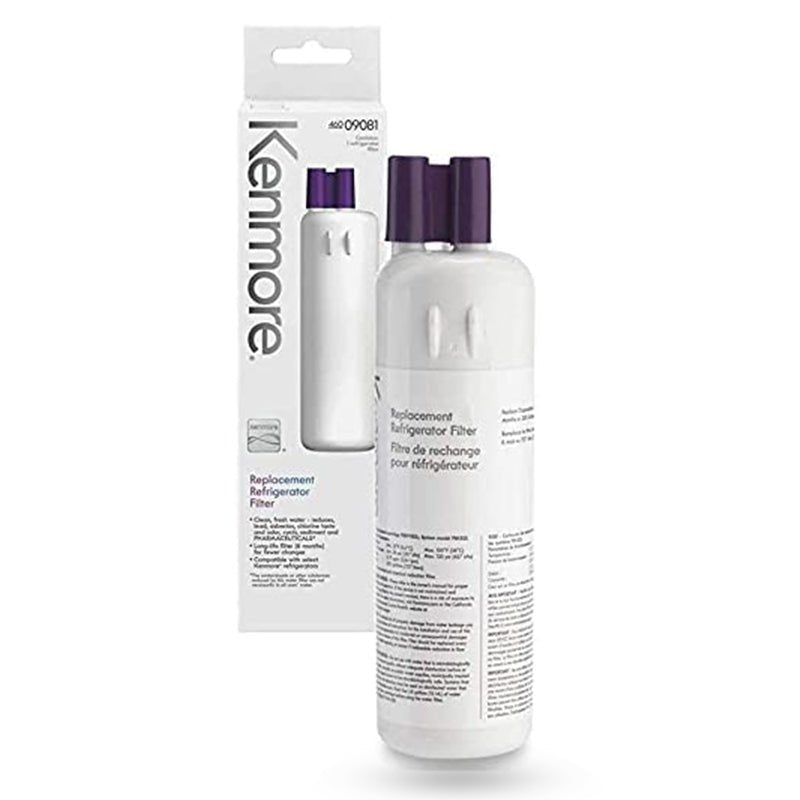
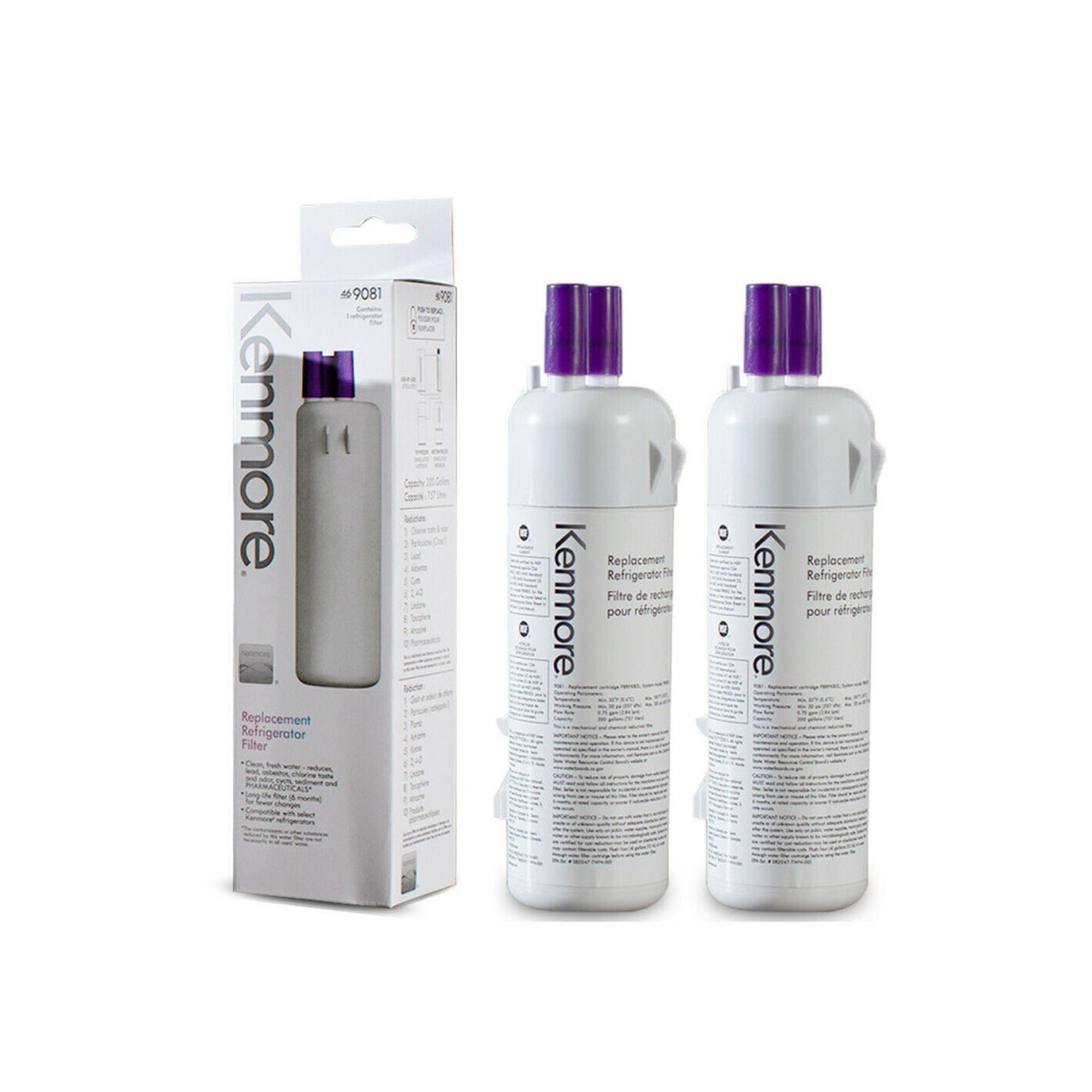
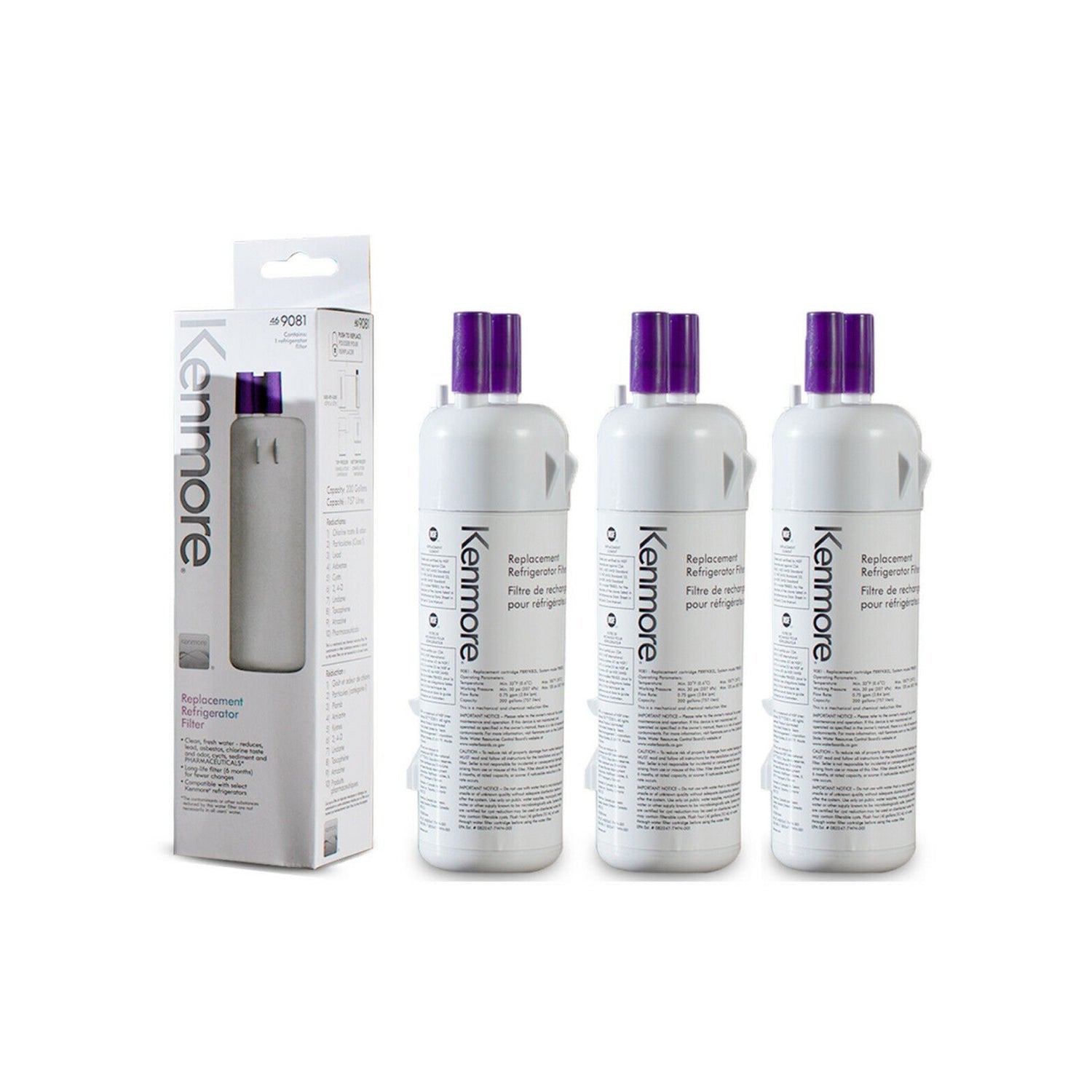
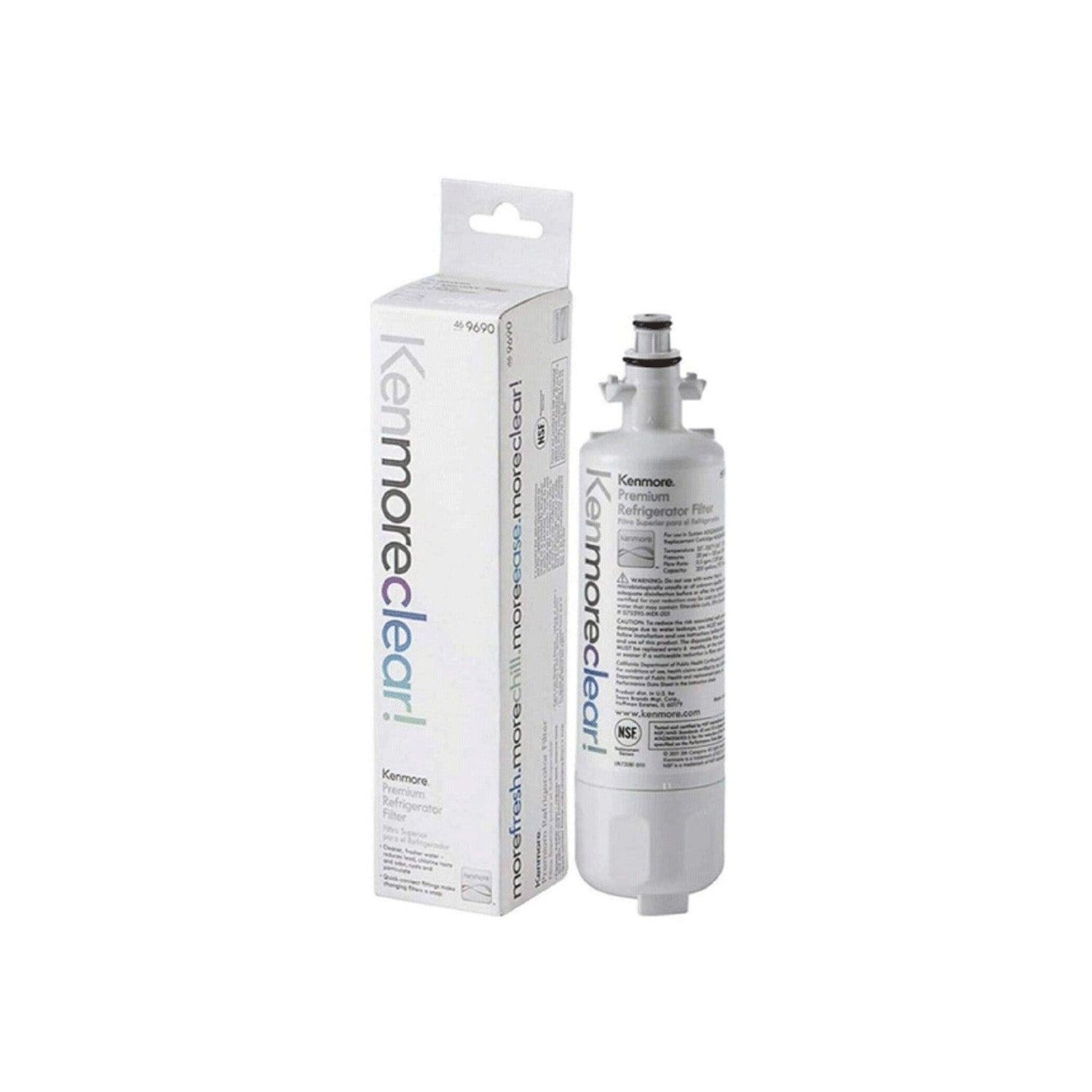
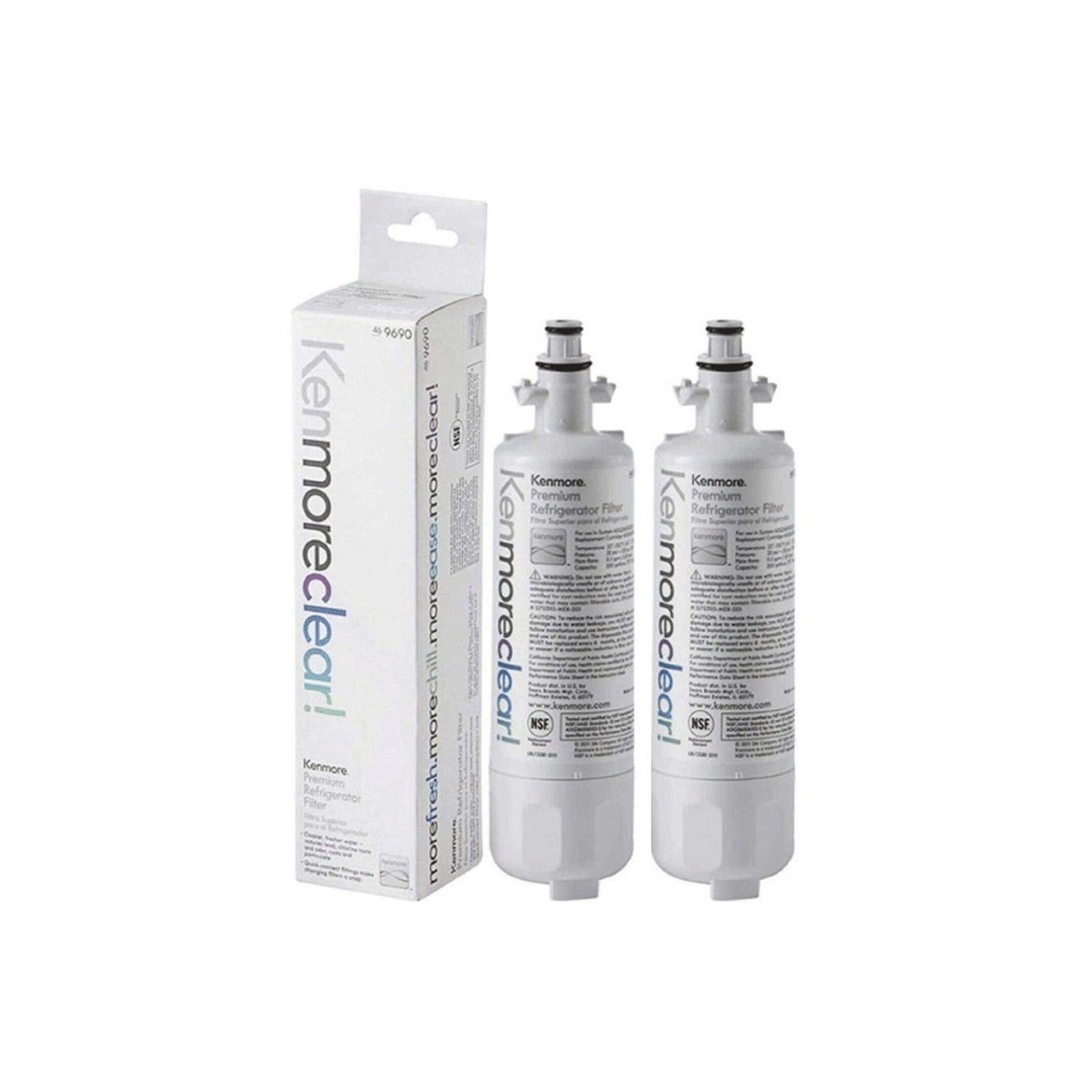
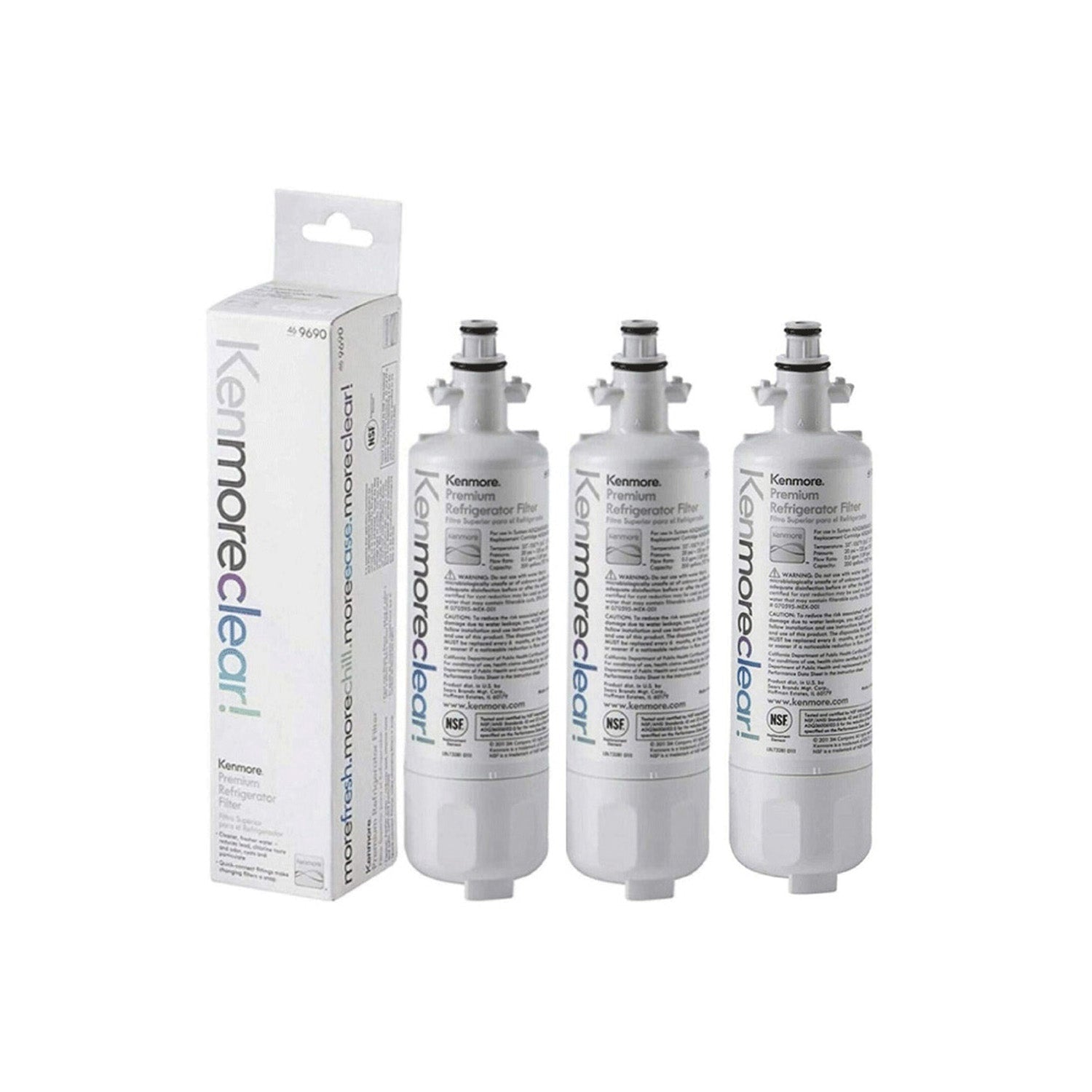
Standard water filters like those in refrigerators or pitchers use carbon to reduce chlorine taste and some particles. Fluoride usually stays in the water because these filters do not target it. Many municipal supplies add fluoride for dental health at levels around 0.7 parts per million. If you want to lower fluoride, you need specific methods. Reverse osmosis removes it best. Other options include distillation or specialized media. Basic carbon filters leave fluoride unchanged.
Will A Water Filter Get Rid Of Fluoride?
Most common water filters do not get rid of fluoride. Activated carbon in fridge or pitcher filters lets fluoride pass through. It focuses on taste and odor instead. Some specialized filters or systems reduce fluoride effectively. Check certifications like NSF for claims. Standard fridge filters keep fluoride if present in tap water.
Overview of Fluoride in Drinking Water
Fluoride occurs naturally in some groundwater or gets added to public supplies. It helps prevent tooth decay at low levels. Too much over time can cause dental fluorosis or other concerns in sensitive groups. Average levels in treated tap water stay around 0.7 ppm in many places. Natural sources vary widely. People sometimes seek removal if worried about buildup.
Fluoride Levels in Tap Water
Tap water fluoride depends on location. Municipal systems often adjust to 0.7 ppm for benefits. Some areas have natural levels higher or lower. Check local reports or test kits for exact amounts. Guidelines aim to balance dental protection and safety.
Effectiveness of Different Types of Water Filters in Removing Fluoride
Carbon-based filters like fridge or pitcher types remove little to no fluoride. Reverse osmosis systems cut 90-99% in tests. Distillation removes nearly all by boiling and condensing. Activated alumina absorbs fluoride well at 80-95% when conditions fit. Bone char media reduces it in some setups. Effectiveness depends on the method and water conditions.
Do Brita Water Filters Remove Fluoride?
Brita filters do not effectively remove fluoride. Standard pitchers and faucet models use carbon that leaves fluoride in place. They focus on chlorine taste and some particles. Brita keeps healthy fluoride levels for dental benefits. No significant reduction occurs.
Analysis of Brita’s Filtration Capabilities
Brita uses activated carbon to cut chlorine odor and taste. It reduces some zinc copper or cadmium in certified models. Fluoride passes through unchanged. No NSF certification claims fluoride removal. It improves basic water quality but skips minerals like fluoride.
Comparison with Other Carbon-Based Filters
Other carbon-based filters like fridge or faucet types behave similarly. They trap chlorine and sediment but not fluoride ions. Activated carbon adsorbs organic compounds not dissolved minerals like fluoride. No major difference among carbon filters for fluoride.
Alternatives to Brita for Fluoride Removal
Reverse osmosis systems reduce fluoride deeply. Distillation units remove it completely. Activated alumina cartridges target fluoride specifically. Bone char filters offer another option. These work better than carbon for fluoride control.
What is the Cheapest Way to Remove Fluoride from Tap Water?
Distillation provides a low-cost method for small batches. Countertop distillers cost upfront but run on electricity. Gravity filters with fluoride media offer ongoing savings. Reverse osmosis under-sink units balance cost and volume. Choose based on daily use.
Gravity Water Filters and Their Cost-Effectiveness
Gravity filters sit on counters and filter slowly. Some add fluoride-specific media. They cost little to run after purchase. No electricity needed. Good for steady small amounts. Filters last months with proper care.
Distillation as a Low-Cost Option for Fluoride Removal
Distillation boils water and collects steam. It removes nearly all fluoride and minerals. Countertop units stay affordable long-term. Process takes hours per batch. Water tastes flat without added minerals. Effective for complete removal.
How to Decrease Fluoride in Tap Water?
Test your water first for fluoride levels. Use reverse osmosis for broad reduction. Distill batches for purity. Add activated alumina or bone char cartridges inline. Flush systems regularly. Monitor taste and change media on time.
Review of Home Filtration Systems for Fluoride Reduction
Home systems vary in removal power. Reverse osmosis handles fluoride plus many contaminants. Gravity filters suit simple needs. Distillation gives pure results. Activated alumina targets fluoride directly. Pick one that fits your volume and budget.
Reverse Osmosis Systems
Reverse osmosis pushes water through a membrane. It reduces fluoride by 90-99%. Under-sink models connect to lines. Countertop versions fill manually. Some add remineralization for taste. High removal makes it popular for fluoride control.
Gravity Water Filters
Gravity filters use carbon or special media. Some include fluoride reduction layers. Water drips slowly. No power required. Good for daily pitchers or dispensers. Cost-effective over time with filter changes.
Steps to Implement Effective Fluoride Filtration at Home
Test tap water for fluoride amount. Choose a system like reverse osmosis or distillation. Install under-sink RO if needed. Flush new filters as instructed. Store filtered water in clean containers. Change media on schedule. Monitor taste and clarity. This keeps fluoride low and water safe. Consistent habits ensure good results. Precip filter offers compatible options for basic needs.