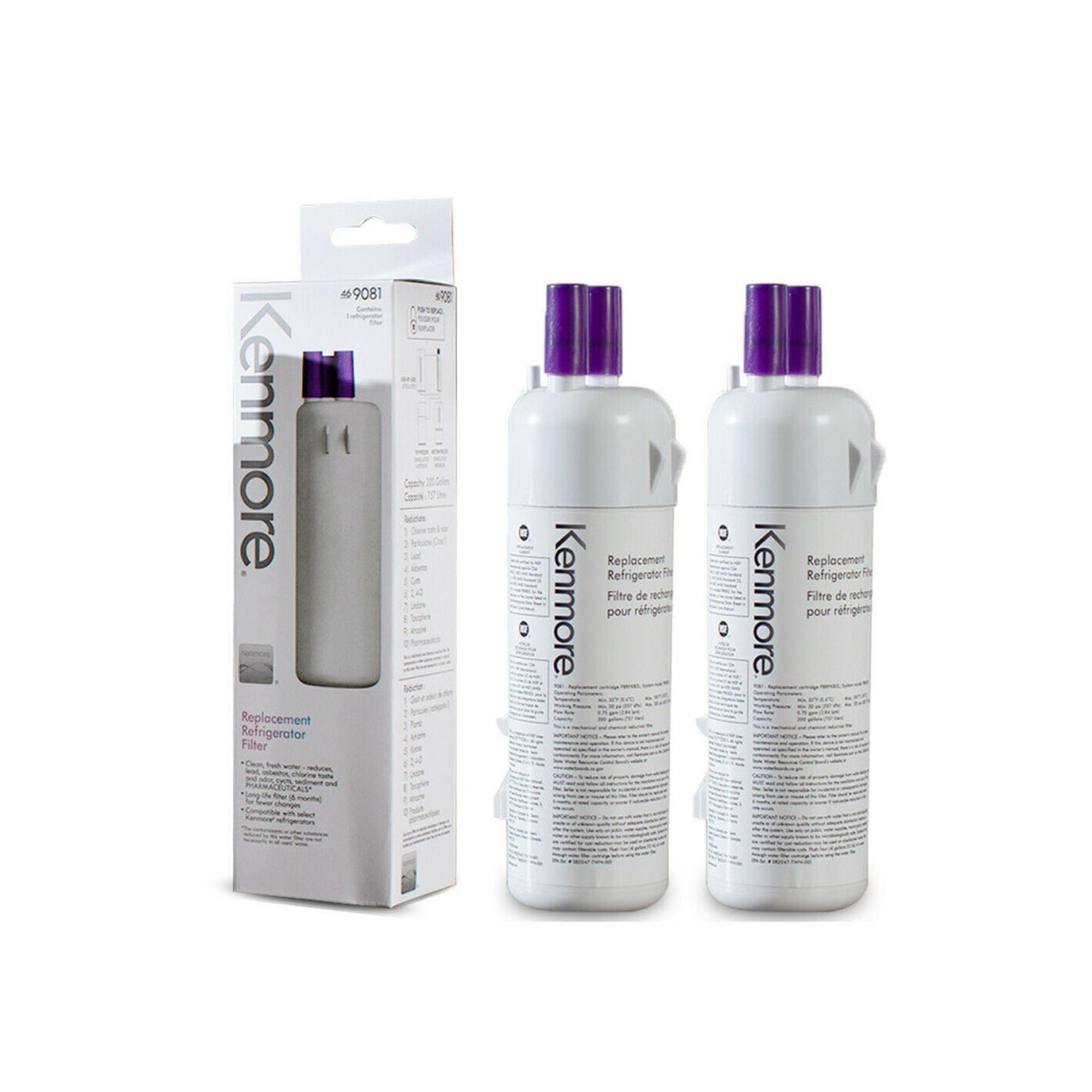
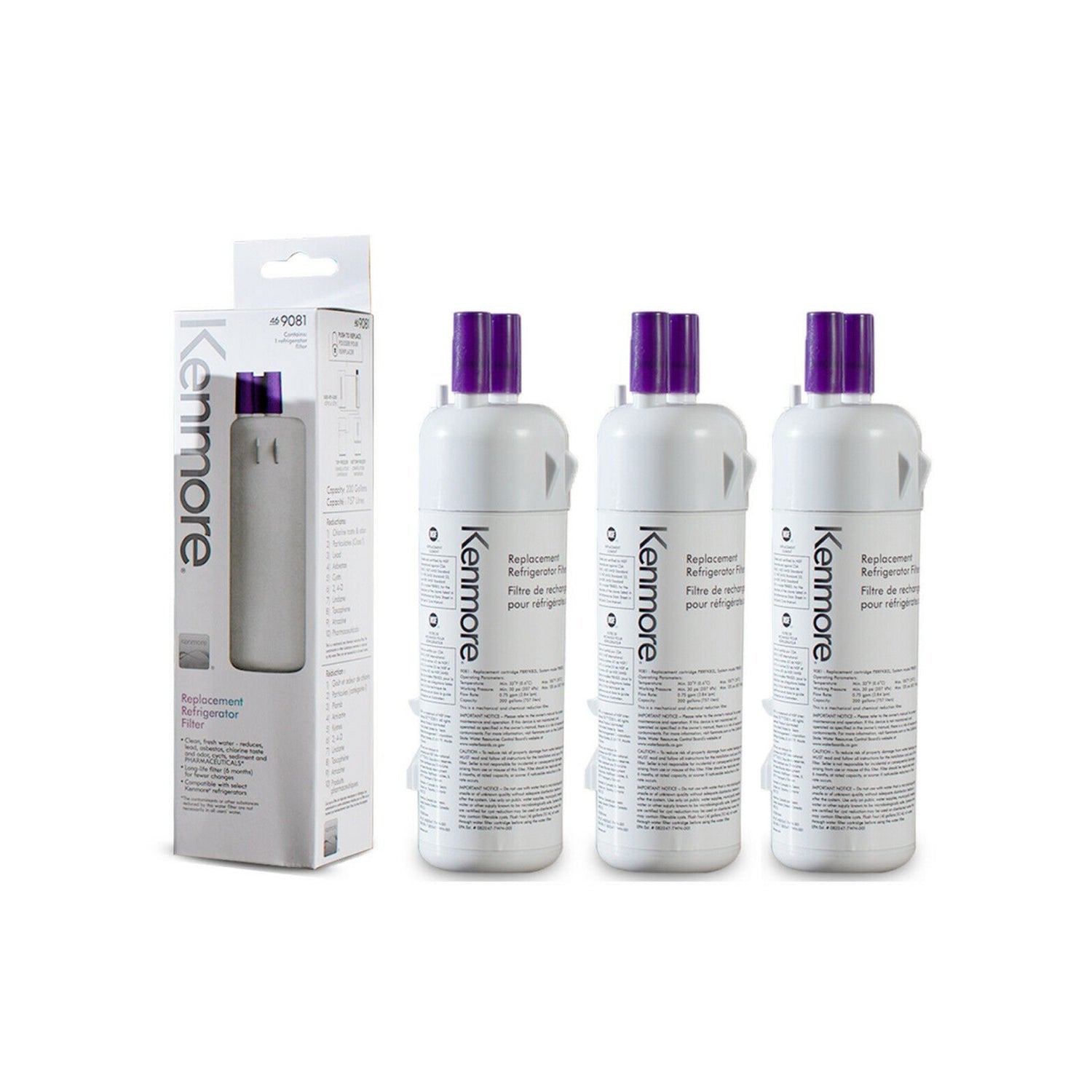
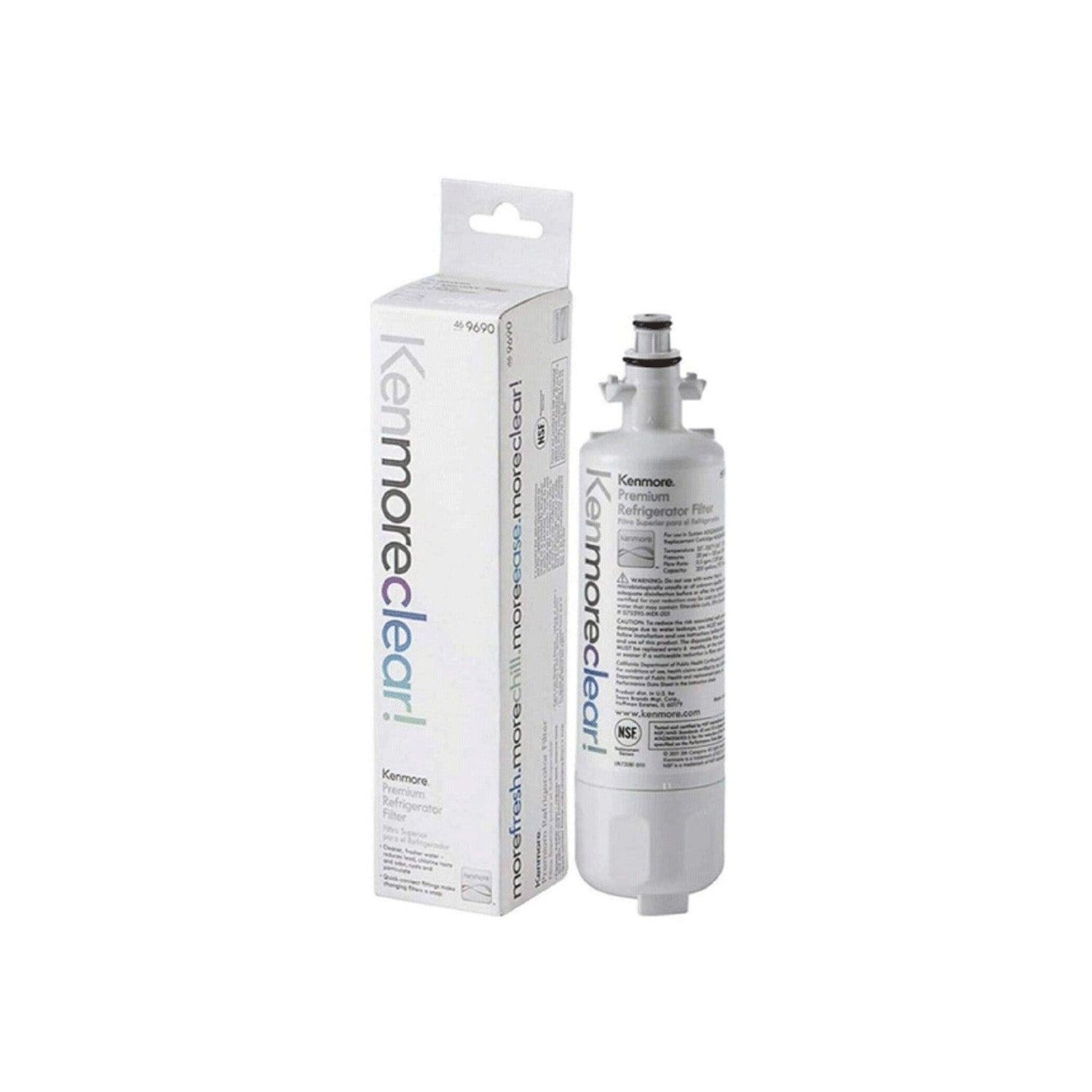
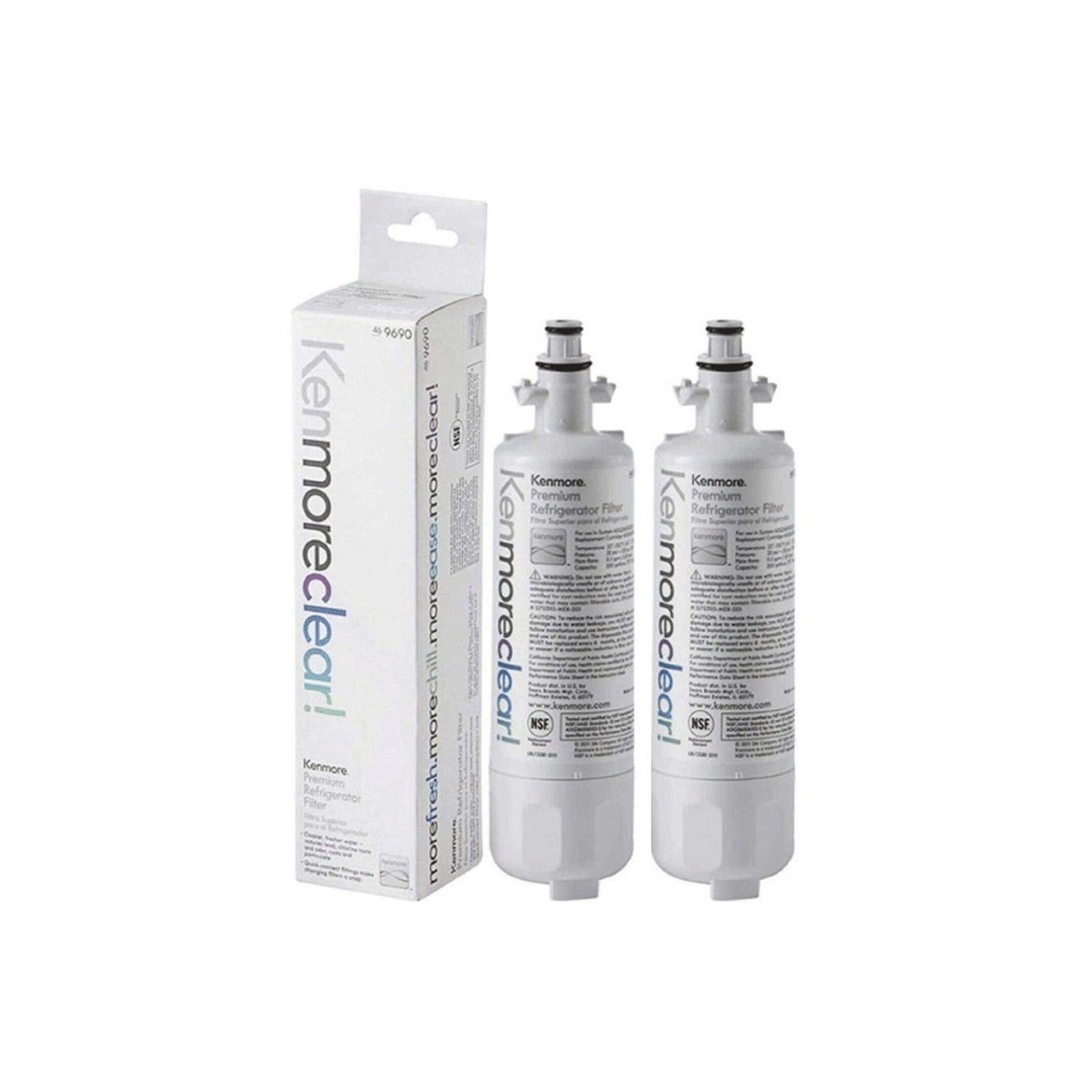
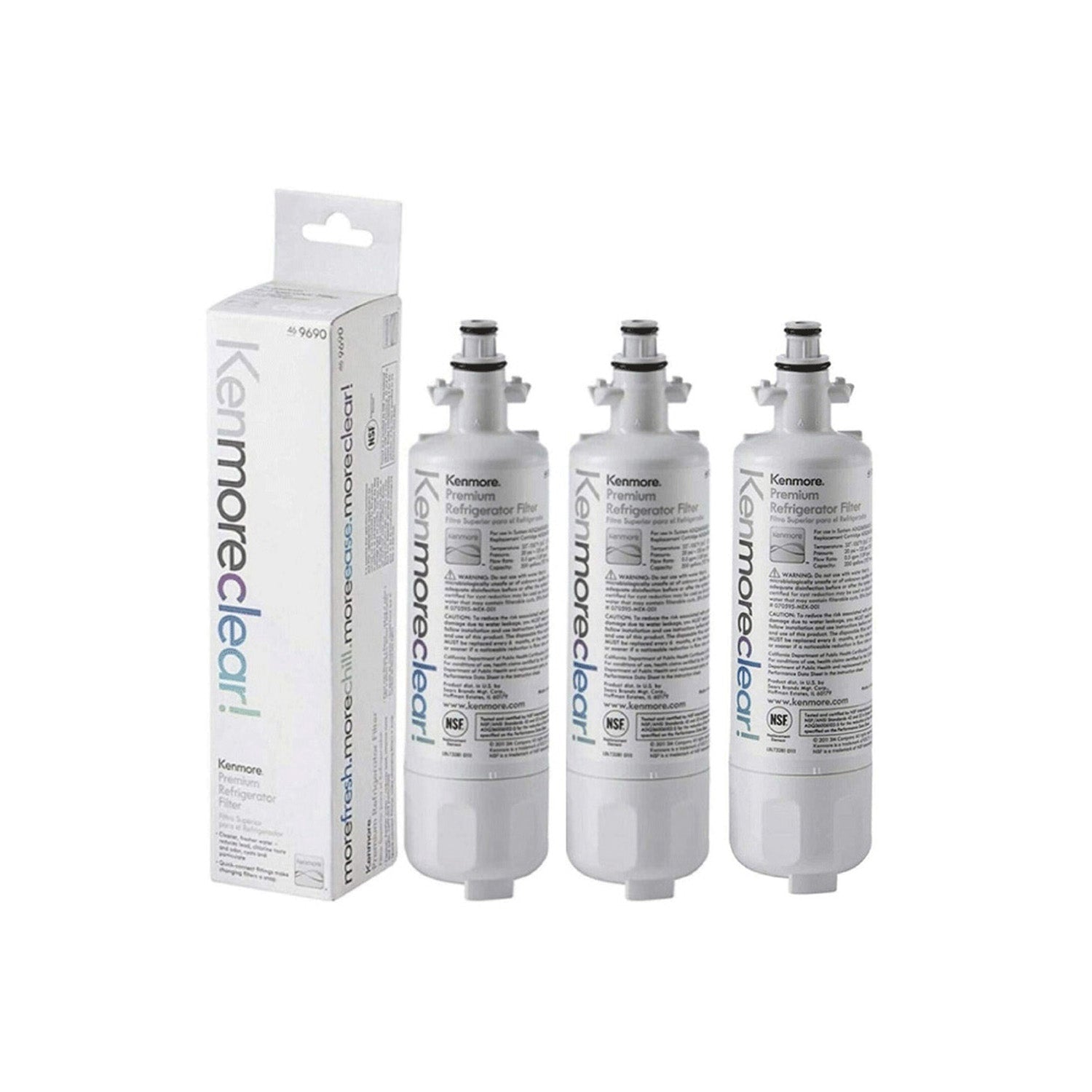
Mold sometimes grows in refrigerator water filters or dispenser areas. Damp conditions let it start and spread. This turns a helpful filter into a source of bad taste or potential health issues. Regular checks and simple habits keep mold away. Clean water stays safe when you follow basic steps. Precip filter replacements come with clear instructions that make maintenance easier.
What is mold?
Mold is a type of fungus that grows in moist dark places. It spreads through tiny spores that float in air. When spores land on wet surfaces with food like trapped dirt they form slimy patches or spots. Colors range from black green or white. In filters mold creates layers that smell musty and affect water quality.
Signs of mold growth in your water filter
Look for these clear signs.
-
Musty earthy or rotten smell in dispensed water or ice.
-
Bad taste like mold metal or dirt in every glass.
-
Black green or white spots on the filter cartridge or housing.
-
Cloudy discolored water from the dispenser.
-
Black flecks stringy bits or slime in water.
-
Slow flow even with a fresh filter.
-
Foul odor near the spout that lingers after running water.
These show up when mold builds inside or around the filter.
Why mold grows in water filters: Common causes
Mold grows because filters stay wet constantly. Water sits in the housing without much movement. Old filters trap dirt minerals and organic matter that feed mold. Low airflow keeps the area damp. Infrequent changes let buildup happen fast. Poor cleaning leaves residue. High humidity inside the fridge makes conditions worse.
Infrequent filter replacement
Filters past their date saturate quickly. Trapped particles create food for mold. Saturated media stays damp longer. Mold spores settle and grow. Replacement every six months or as recommended stops this cycle.
Lack of regular cleaning
Housing dispenser spout and lines collect slime if ignored. Old residue feeds mold. Weekly or monthly wipes prevent growth. Clean spots stay dry and less inviting.
Poor installation or storage
Wrong installation leaves gaps where water pools. Loose fits allow leaks that keep areas wet. Filters stored in humid places pick up spores before use. Proper install and dry storage cut risks.
Preventive maintenance tips to avoid mold growth
Follow these habits to stop mold before it starts.
-
Replace the filter on schedule every six months.
-
Flush the system after each change by running 2-4 gallons.
-
Clean the dispenser spout weekly with a vinegar-water mix.
-
Run water often so it does not sit still.
-
Sanitize the housing with diluted bleach rinse when swapping filters.
-
Dry the filter area fully after cleaning.
-
Check water lines for leaks regularly.
These steps reduce moisture and food sources for mold.
Routine filter changes
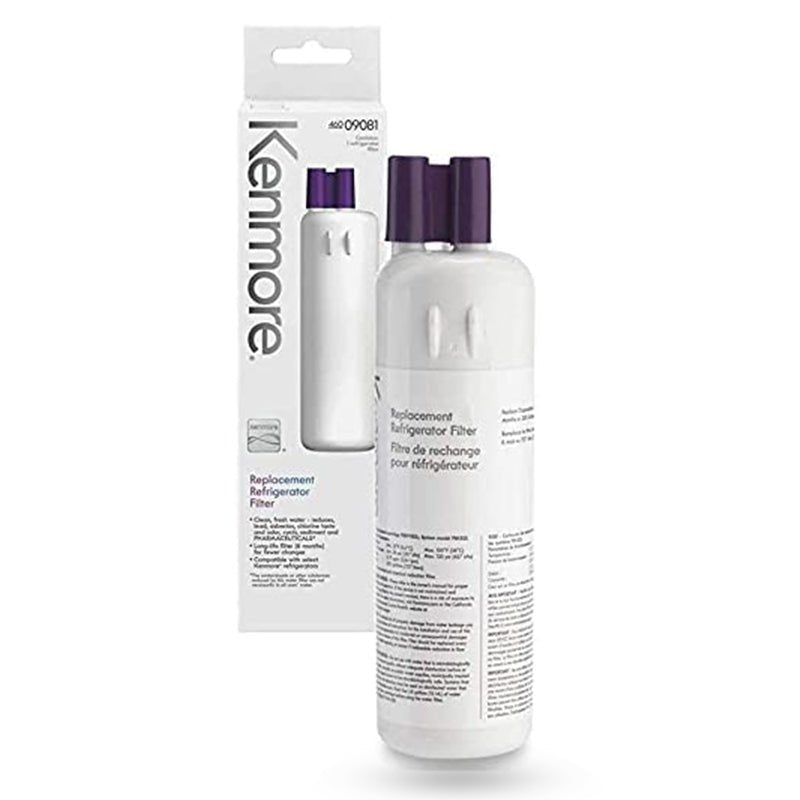
Change filters every six months or after the rated gallons. Fresh media stops trapping organic matter that feeds mold. Set calendar reminders or use fridge indicators. Precip filter replacements fit easily and come with flush instructions.
Regular cleaning of filter housing and system components
Wipe the housing spout and lines monthly. Use mild vinegar solution or manufacturer-safe cleaner. Remove the filter first. Rinse thoroughly. Dry parts before reinstall. This removes residue that harbors mold.
Check for leaks and stagnant water
Inspect connections for drips. Tighten fittings if needed. Run water weekly if the fridge sits unused. Stagnant water breeds mold fast. Fresh flow keeps the system clean.
Control humidity levels around the filter
Keep fridge humidity low with good door seals. Avoid overloading shelves that block airflow. Clean coils yearly for efficient cooling. Lower humidity slows mold growth.
Additional best practices for mold-free water filters
Flush the system after long vacations or inactivity. Consider UV add-ons if mold returns often. Monitor taste and smell monthly. Use certified filters like precip filter for better media quality. Test tap water if problems persist. These habits add extra protection.
Routine care keeps your water filter clean and safe. Replace on time clean regularly and watch for signs. Good habits prevent mold and maintain fresh water. Start simple steps today for better results tomorrow.