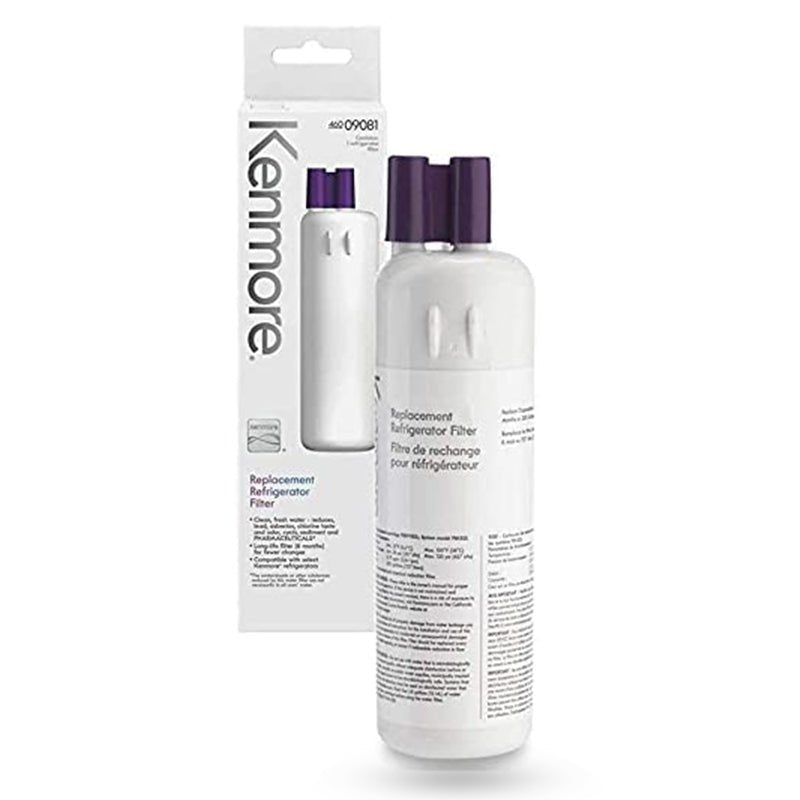
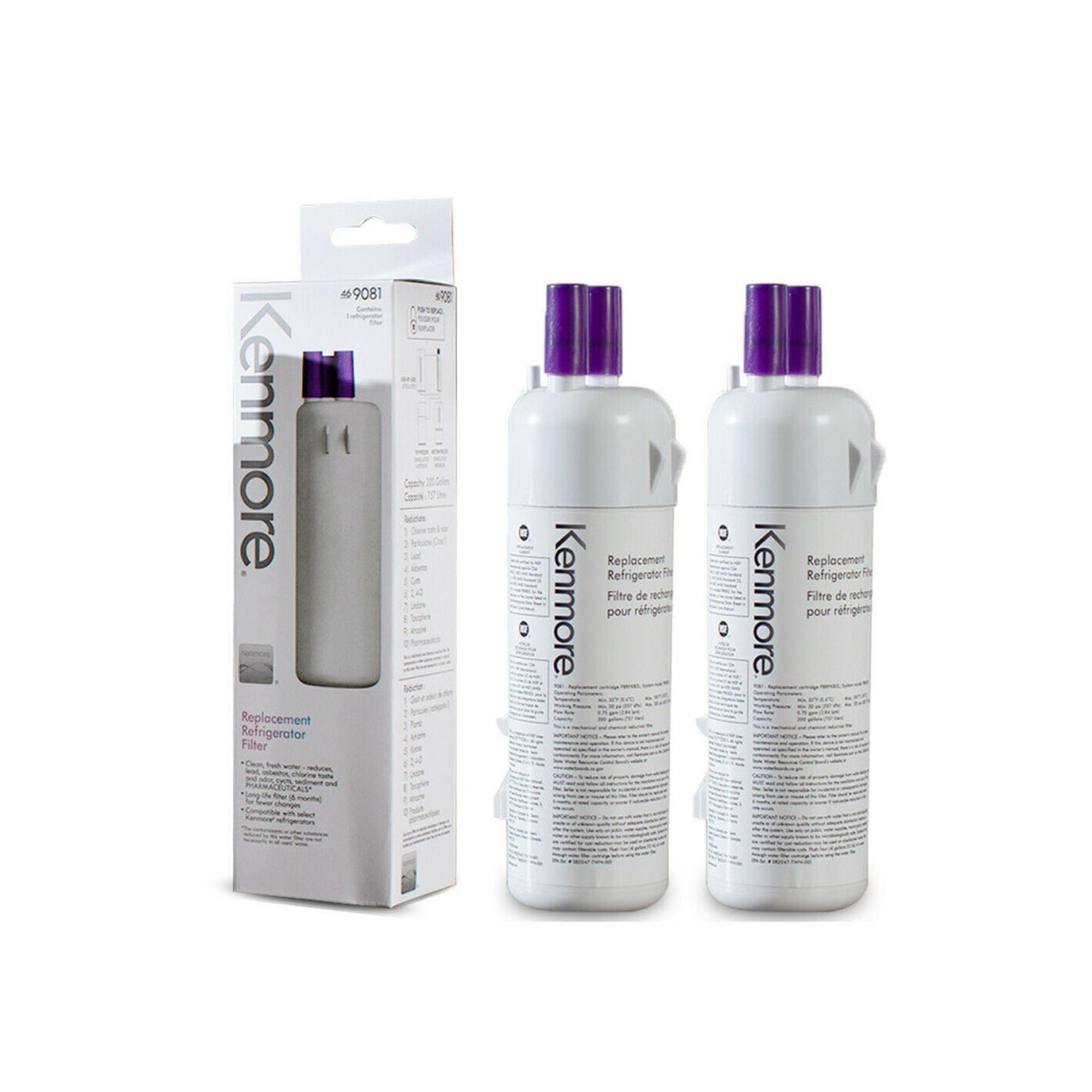
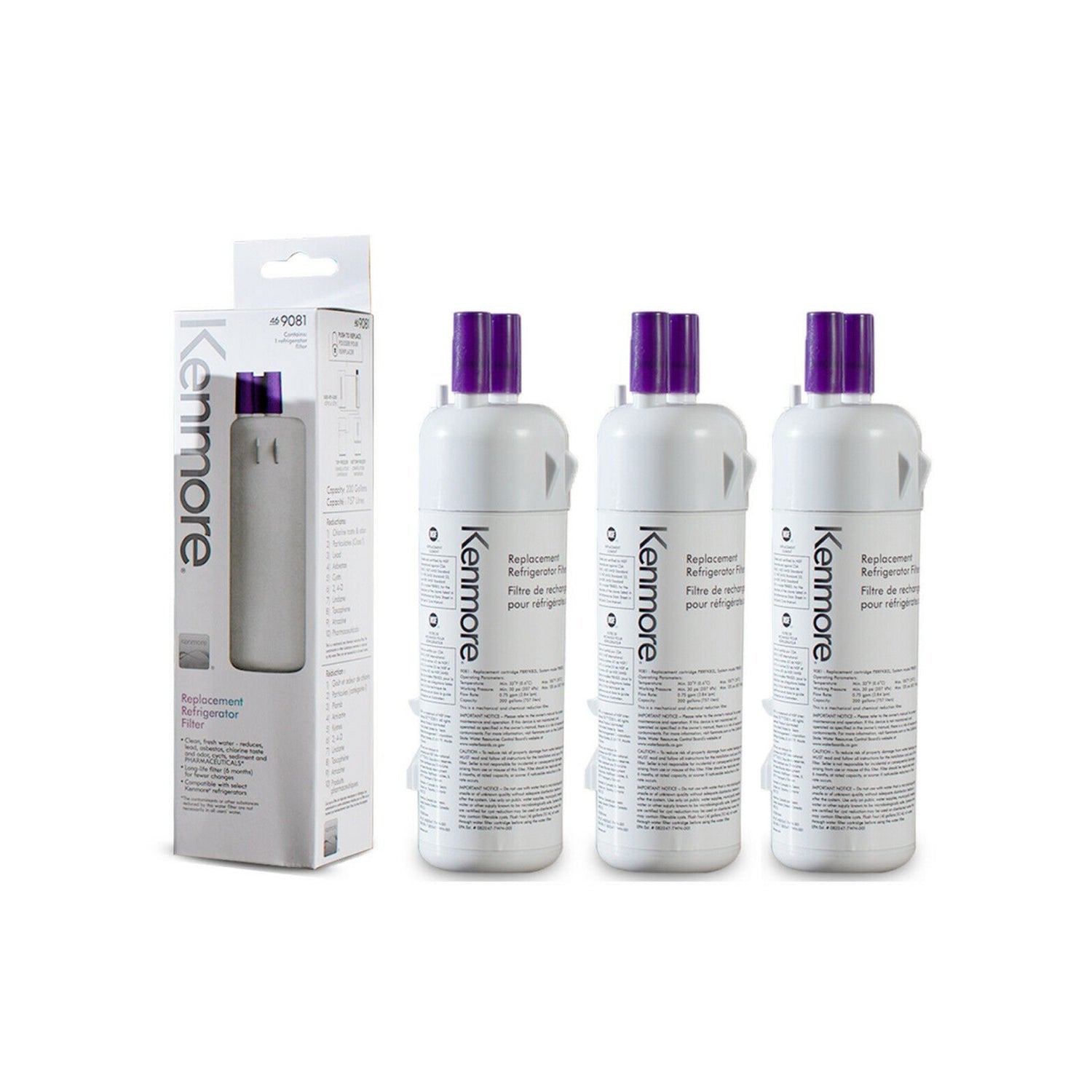
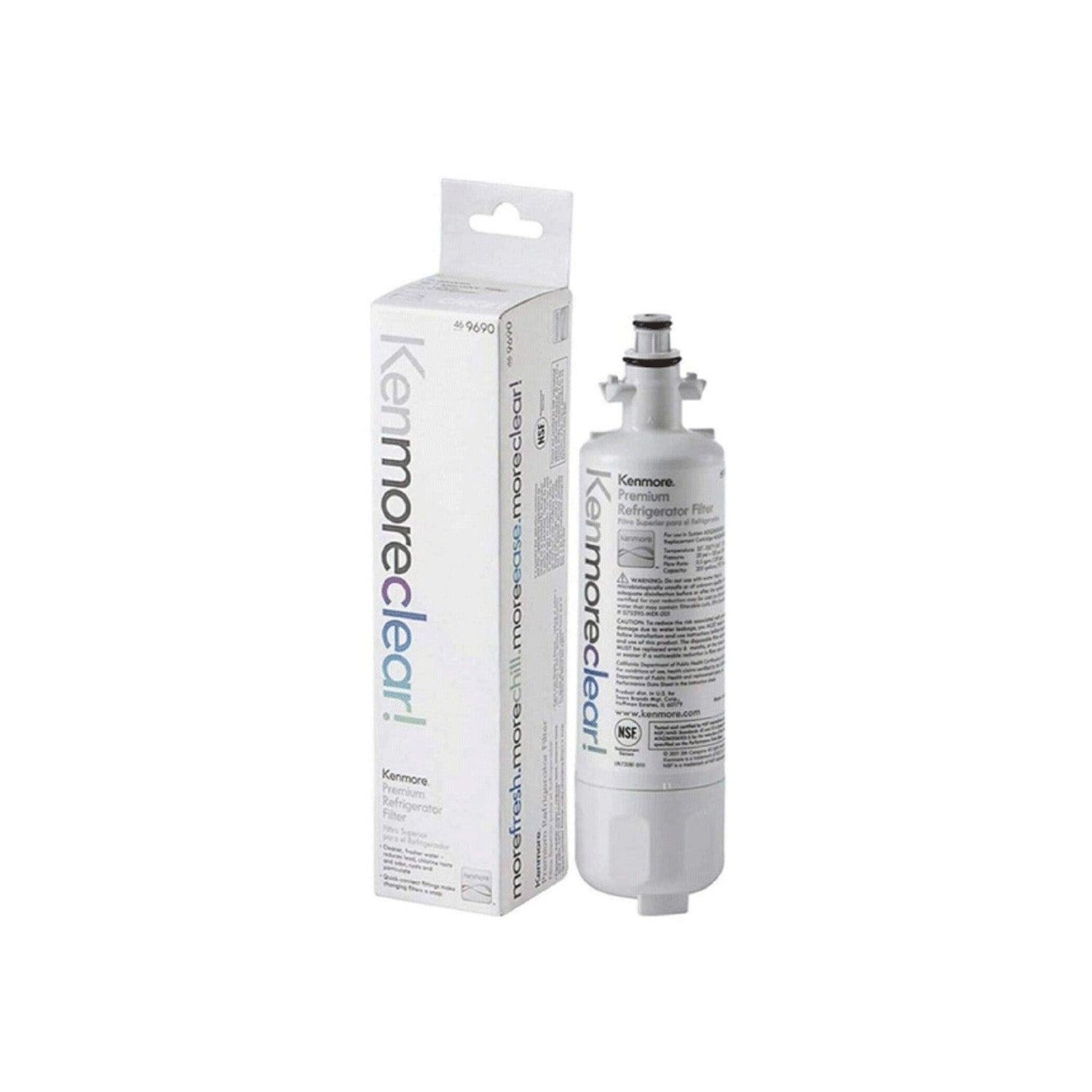
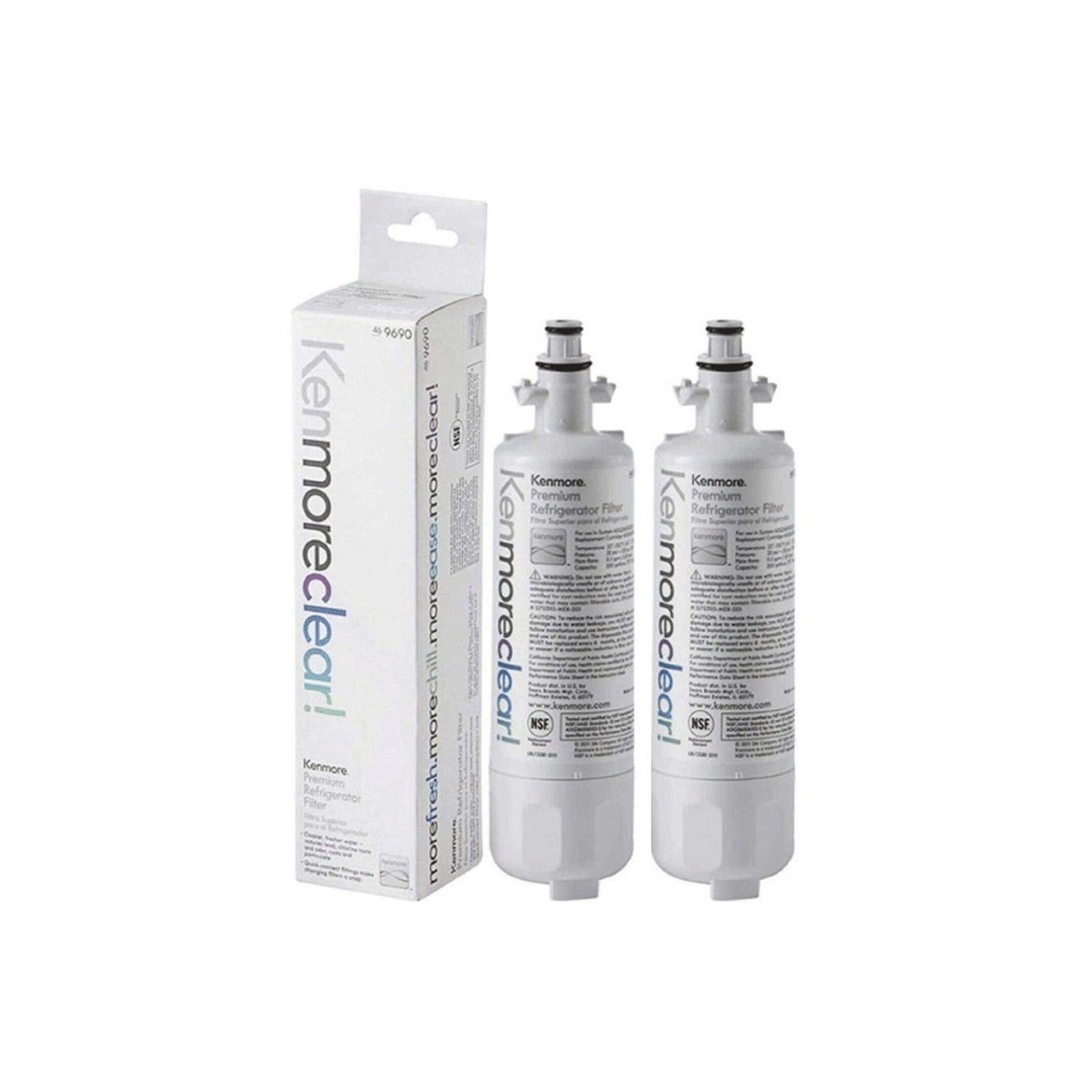
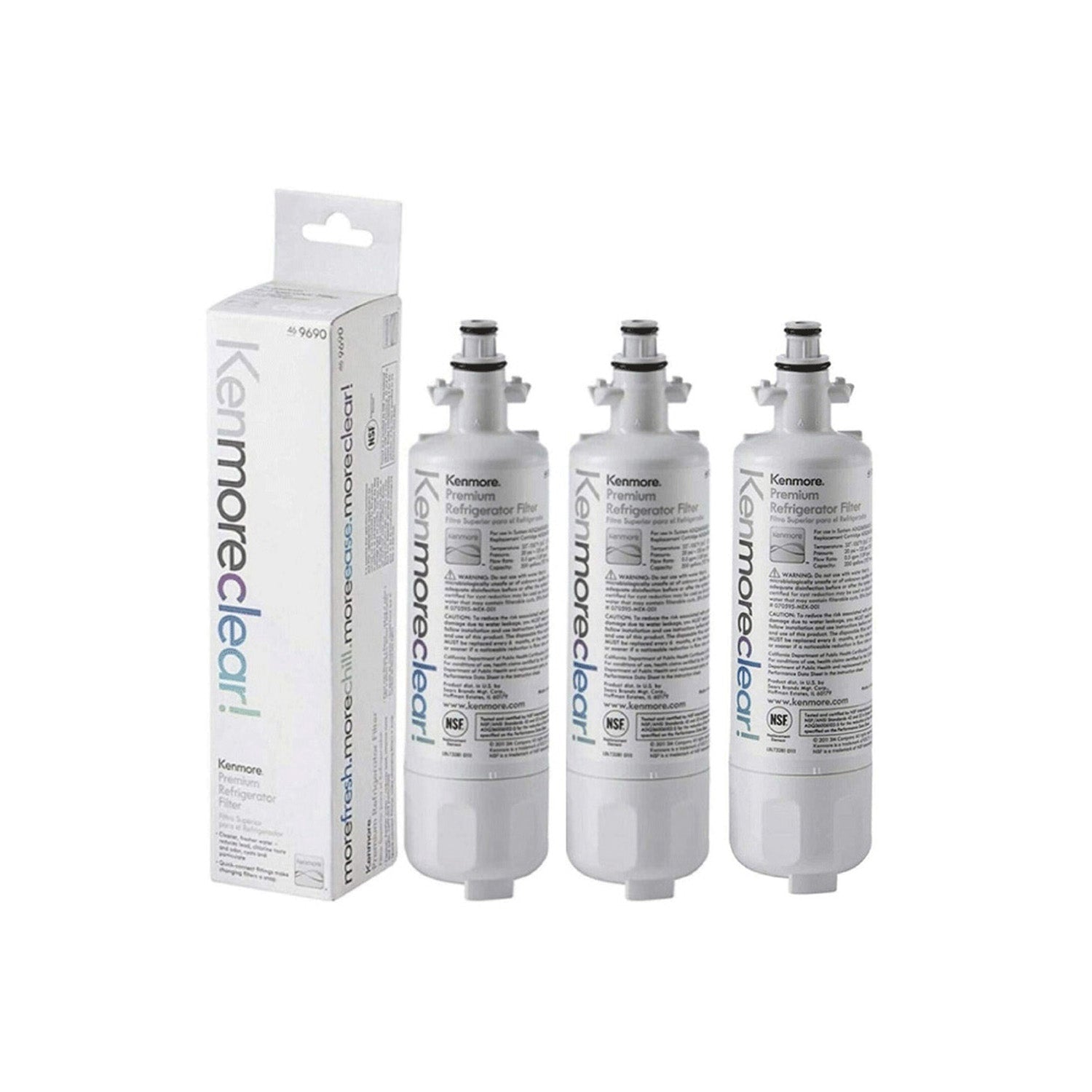
Fridge water filters sit inside your refrigerator and treat tap water for the dispenser and ice maker. They reduce chlorine taste and some common contaminants to make drinks fresher. Many people wonder if the regular replacement cost pays off compared to plain tap or bottled water. In most cases they do for convenience and basic improvements. Certified filters from brands like Whirlpool or Samsung deliver noticeable taste upgrades. Aftermarket options cut costs further. The value shows clearest when you use the dispenser often or dislike tap water flavor.
Are Refrigerator Water Filters Worth It?
Fridge filters prove worth it for families who rely on chilled filtered water daily. They cut chlorine and improve taste without extra steps like filling pitchers. Convenience stands out with no counter space needed. Replacement costs stay reasonable at $20-120 yearly. They encourage more water drinking over sugary options. If your tap water tastes fine the benefit shrinks. For most homes the ease and slight purity gain make them a solid choice.
Comparison with Other Filters Like Brita
Fridge filters and Brita pitchers both use carbon to reduce chlorine and taste issues. Brita requires manual filling and refills which takes time. Fridge filters flow faster and stay built-in for instant cold water. Brita pitchers often cost less per gallon in some comparisons. They give more control and sometimes remove a few extra contaminants. Fridge filters win on convenience for daily use. Brita suits smaller households or those without fridge features.
Cost-Effectiveness Over Time
Fridge filters cost $30-60 each for originals with changes twice a year so $60-120 annually. Aftermarket certified ones drop to $10-25 each cutting yearly expense to $20-50. Bottled water runs hundreds yearly even for one person. Fridge filters pay back fast if you drink filtered water regularly. Savings grow over years while keeping water chilled and ready.
Convenience and User-Friendliness
Fridge filters offer chilled filtered water right from the door. No need to refill pitchers or carry bottles. Lights remind you of changes. Installation takes seconds with a twist. This setup fits busy routines best. Families get easy access without extra counter clutter.
Do Refrigerator Filters Really Clean The Water?
Fridge filters clean water for basic needs. They use carbon to trap chlorine sediment and odors. Certified ones reduce lead cysts or some chemicals under NSF standards. They improve taste and clarity noticeably. Limits exist on things like fluoride bacteria or heavy dissolved solids. They clean better than plain tap but not as deeply as RO systems.
Effectiveness in Removing Contaminants
Certified fridge filters reduce chlorine by high amounts. They cut lead cysts and some VOCs in NSF 53 models. Tests show strong results for common taste and health threats. They perform well on municipal water issues. Limits appear on fluoride nitrates or PFAS in standard designs.
Types of Impurities Filtered
Fridge filters trap these main impurities.
-
Chlorine for better taste and odor.
-
Sediment and small particles.
-
Lead in certified models.
-
Cysts like giardia.
-
Some pesticides or herbicides.
They target everyday tap problems effectively.
Fluoride Removal Capabilities
Standard fridge filters do not remove fluoride. Activated carbon leaves it in place. Fluoride stays if added to municipal supply. Special RO or alumina systems handle fluoride. Fridge filters keep dental benefits intact.
Do I Really Need To Replace My Fridge Water Filter?
You need regular replacement for peak results. Old filters clog and let impurities through. Taste worsens. Flow slows. Bacteria can grow in saturated ones. Skipping changes reduces benefits quickly. Fresh swaps maintain quality.
Recommended Replacement Frequency
Manufacturers suggest every six months. Some base it on 200-300 gallons used. Check your manual or filter light. Heavy use shortens the interval. Follow this for steady performance.
Signs Your Filter Needs Replacing
Watch for these signs.
-
Slower water flow from dispenser.
-
Smaller or hollow ice cubes.
-
Bad taste like chlorine or metal.
-
Musty odor in water or ice.
-
Filter light turns on.
-
Cloudy water appears.
Potential Health Risks of Not Replacing
Not replacing raises small risks. Bacteria build up in old media. Contaminants pass more easily. Stomach upset happens rarely. Most face low danger from short skips. Long neglect increases chances slightly.
Is Refrigerator Filtered Water As Good As Bottled Water?
Fridge filtered water matches or beats many bottled brands on taste. It comes fresh and cold. Bottled often repackages tap with possible plastic notes. Fridge filters add convenience without waste. Quality stays close when filters remain fresh.
Quality Comparison
Fridge filtered water reduces chlorine and some contaminants. Bottled varies by source. Some taste flat or have microplastics. Certified fridge filters provide reliable improvement. Both beat plain tap for flavor in many views.
Environmental Benefits of Using Fridge Filters
Fridge filters cut plastic bottle waste. One household avoids hundreds of bottles yearly. Less landfill trash and ocean pollution result. Energy drops compared to bottled production and shipping. Filters offer a greener daily habit.
Cost Comparison with Bottled Water
Bottled water costs $1-4 per gallon in stores. Families spend $500-1000+ yearly. Fridge filters run $60-120 annually with changes. Savings reach hundreds over time. Filtered tap costs pennies per gallon versus bottled prices.