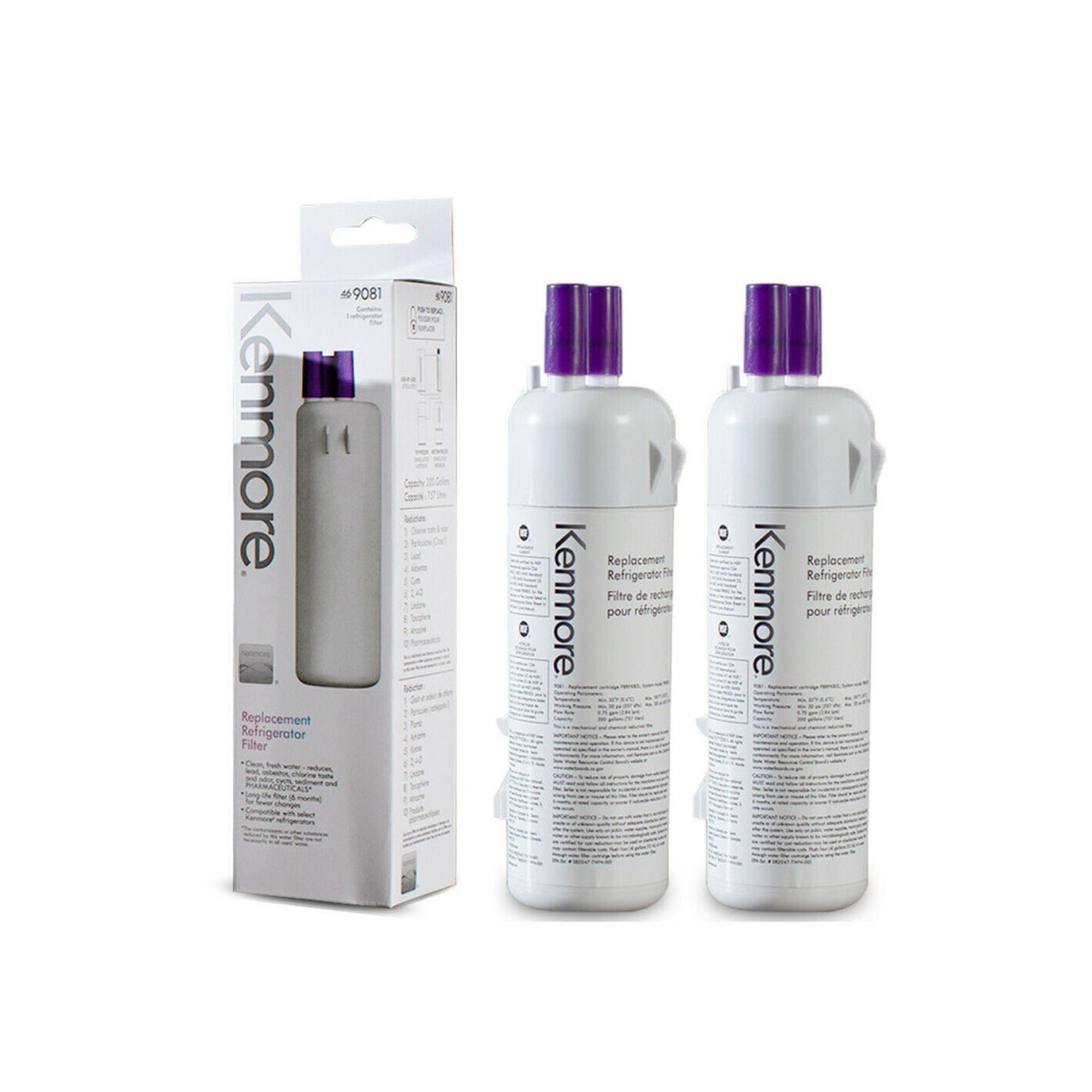
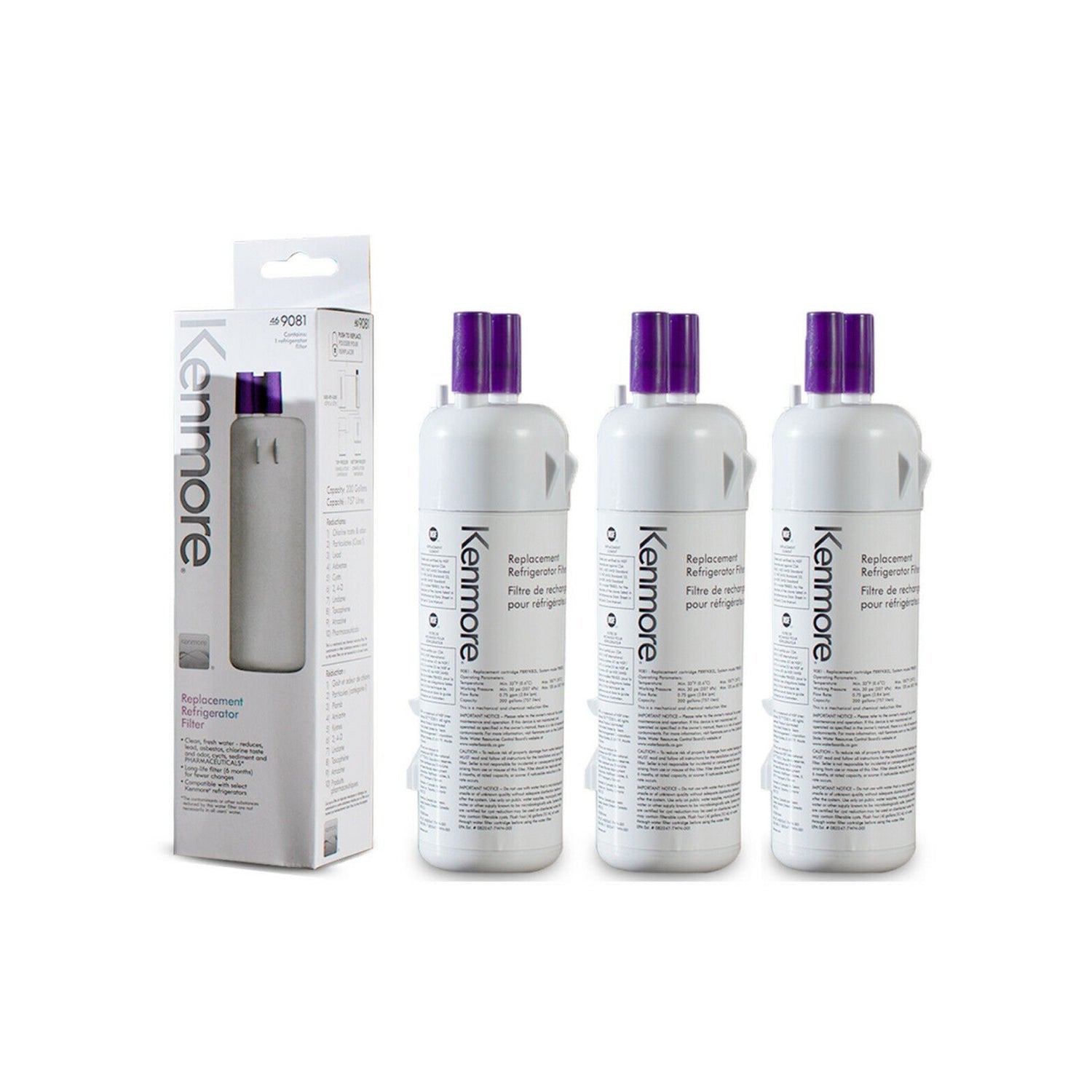
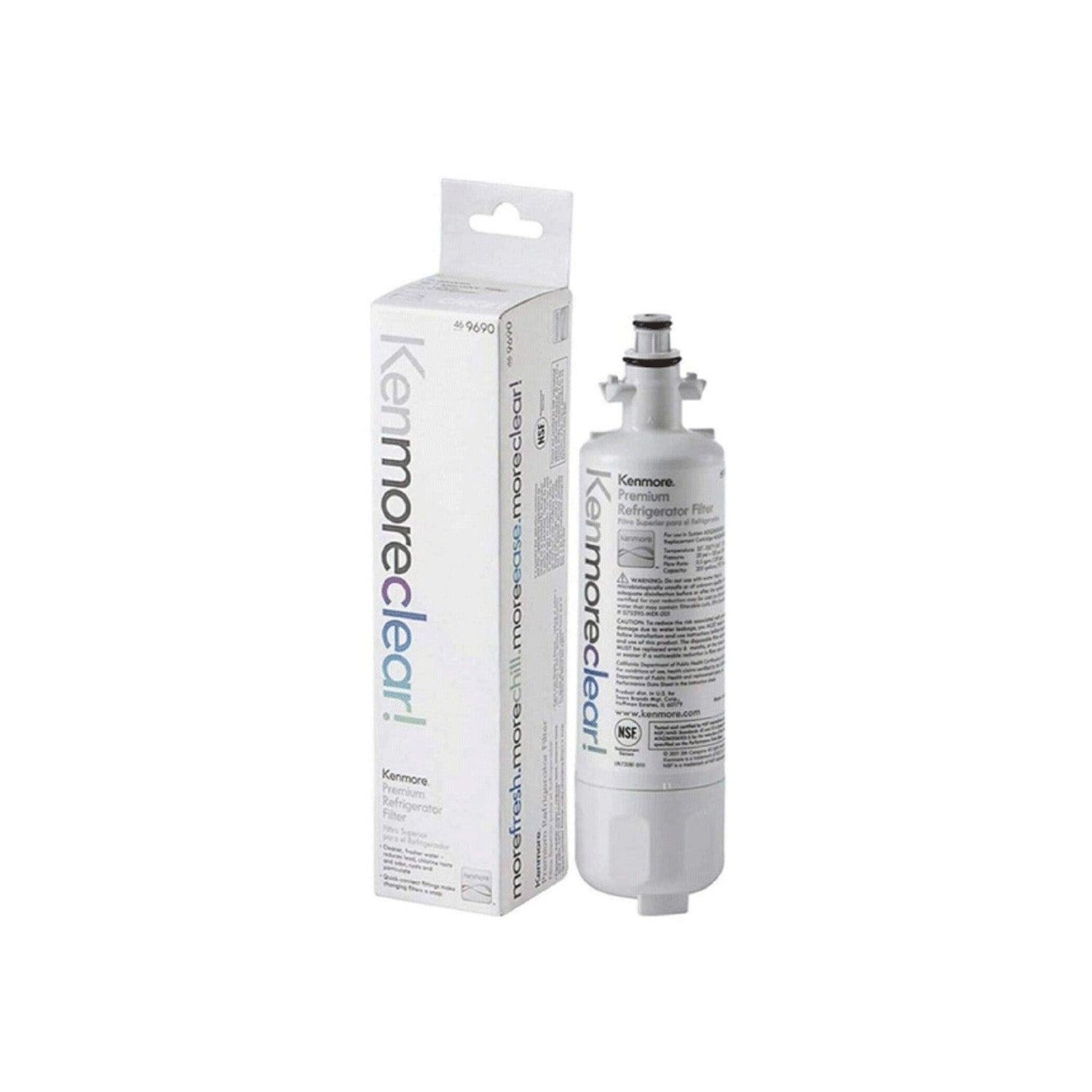
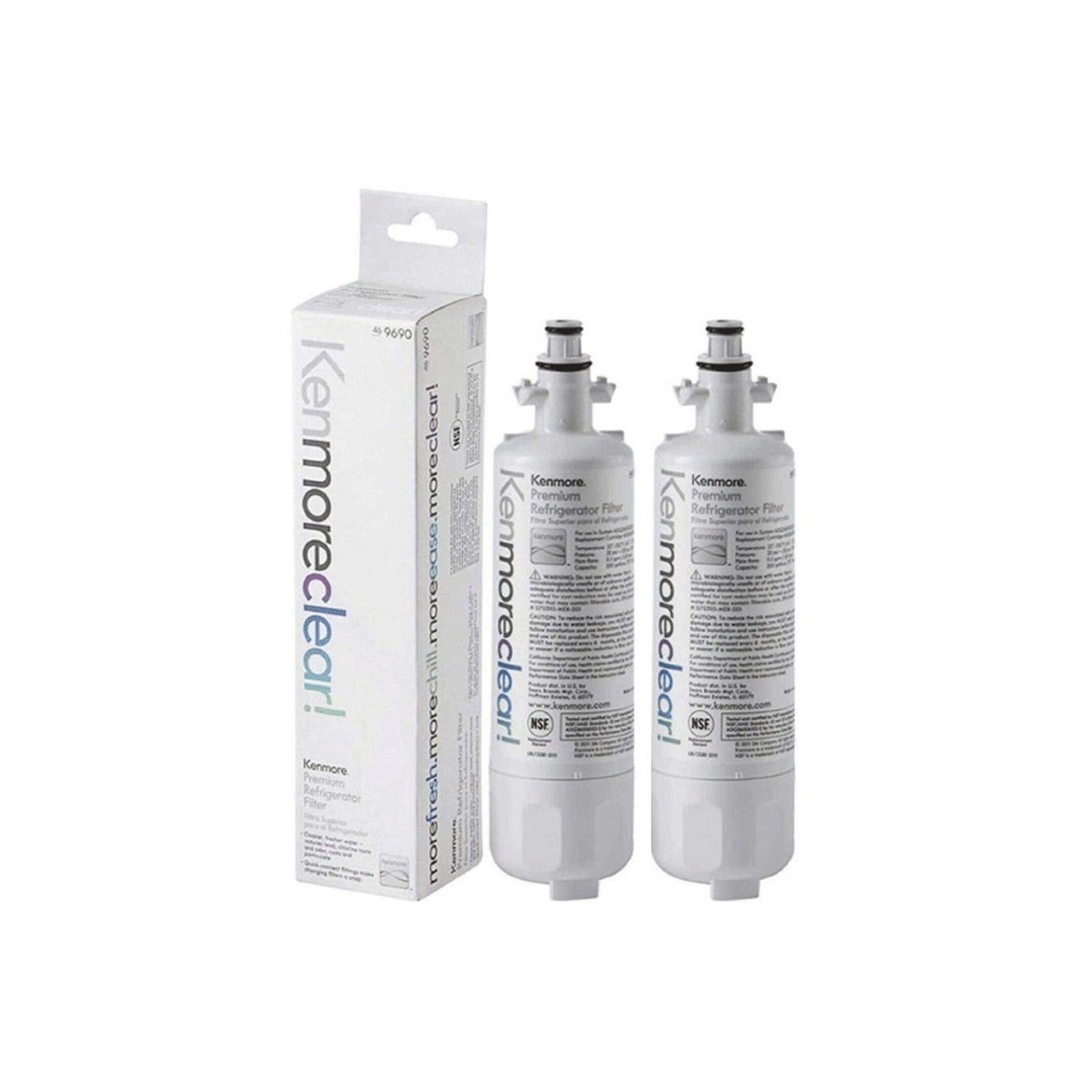
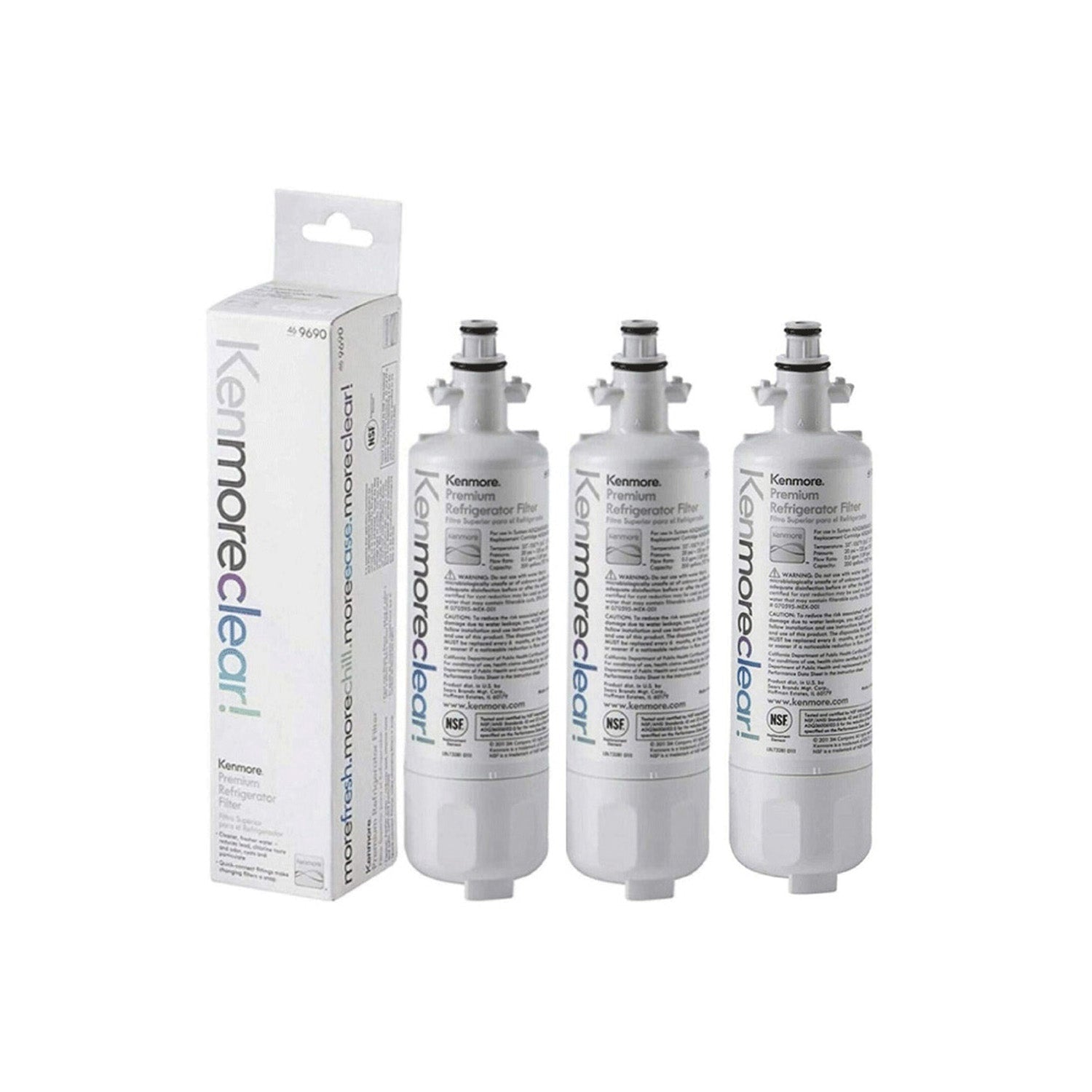
Refrigerator water filters vary in how well they clean water, how long they last, and how they fit different fridges. Some reduce more contaminants and keep taste consistent longer. Others focus only on basic chlorine removal. Quality depends on materials, certifications, and design. Not every filter delivers the same results. Your tap water and fridge model play a big role in what works best.
Are All Refrigerator Water Filters the Same Quality?
No, refrigerator water filters do not have the same quality. Some cut lead, cysts, and certain chemicals while others only handle taste and odor. Certifications show real differences. Basic ones meet lower standards. Higher-quality filters carry more complete testing for health-related impurities. Fit, flow rate, and lifespan also differ. Poorly made filters clog faster or let more particles through.
Overview of Different Water Filter Brands
Major brands produce filters tailored to their fridges. Some focus on wide contaminant reduction. Others emphasize easy fit and reliable taste improvement. Aftermarket options exist for many models. Precip filter offers compatible replacements with solid certifications for common needs. Brands differ in materials and testing levels.
Quality Control and Standards
Quality comes from independent testing and certifications. NSF standards are key. NSF 42 covers taste, odor, and chlorine. NSF 53 adds lead and cysts. NSF 401 handles pharmaceuticals or emerging contaminants. Filters that pass these tests show consistent reduction. Good manufacturing keeps materials safe and effective. Look for clear NSF marks on labels.
Impact of Filter Technology on Water Quality
Most filters use activated carbon blocks. Carbon traps chlorine and odors through adsorption. Multi-layer designs improve sediment hold and chemical removal. Better technology means stronger contaminant reduction and longer life. Basic carbon handles taste well. Advanced filters reduce more health-related impurities. The technology affects how clean the water stays over time.
Insights from Consumer Reports on Filter Efficiency
Consumer Reports tests show differences in contaminant reduction and longevity. Some filters perform better on lead or cysts. Others excel in taste improvement. Reports stress checking certifications. Filters with full NSF backing usually rank higher. Efficiency varies by model and water type. Certified options hold up better in real use.
Is It Okay to Use Off-Brand Refrigerator Water Filters?
Off-brand filters work fine when certified and from trusted sources. Many reduce chlorine and lead close to name-brand levels. Fit stays good in most cases. Cheap untested ones risk leaks or weak performance. Certified off-brand filters save money without big quality drops for basic needs.
Cost Benefits of Off-Brand Filters
Off-brand filters cost less, often half the price of originals. Yearly savings add up with regular changes. They deliver similar taste improvement in many reviews. Good certified options match basics at lower cost. This makes them attractive for everyday use.
Comparative Performance: Generic vs Brand Name
Brand-name filters guarantee exact fit and full certifications. Generics vary but certified ones reduce key contaminants similarly. Taste and flow often stay close. Some generics show slightly shorter life or slower flow. Performance looks similar for daily needs in tested cases.
User Reviews and Experiences
Users often report good taste and easy install with certified generics. Many see no clear difference from originals. Some notice flow changes over time. Reviews praise savings and clear ice. Real experiences favor options with strong certifications.
Potential Risks and Considerations
Risks include poor fit leading to leaks or error lights. Uncertified filters might allow more impurities through. Bacteria can build up faster in low-quality media. Check NSF labels and reviews carefully. Buy from reliable sellers to avoid fakes.
Are Generic Water Filters as Good as Brand Name Whirlpool?
Certified generic filters come close to Whirlpool EveryDrop for many uses. They reduce chlorine and lead similarly when tested to the same standards. Taste improvement matches in most reviews. Whirlpool originals ensure perfect fit and sometimes broader coverage. Certified generics work well for standard needs.
Whirlpool Filter Quality Assessment
Whirlpool EveryDrop filters reduce many contaminants with strong certifications. They maintain good flow and fresh taste over months. Users note clear ice and reliable performance. Certified for lead, cysts, and more in top models. Solid choice for consistent results.
Generic Filter Alternatives
Precip filter provides compatible replacements with good certifications. Other trusted generics offer similar performance for common models. Look for NSF 42 and 53 coverage. These alternatives save money while keeping quality high.
Comparative Features and Performance
Whirlpool originals offer exact design and complete certifications. Generics use similar carbon tech but vary in layers. Certified ones reduce contaminants at close levels. Flow and capacity hold up well in good generics. Performance leans toward originals for advanced needs.
Review Analysis from Consumer Reports
Consumer Reports highlights the importance of verifiable certifications. Filters with full NSF backing perform better overall. Many generics lack complete proof despite claims. Whirlpool aligns with reliable reduction. Focus stays on certified products for safety.
How Do I Know Which Refrigerator Filter to Buy?
Match the filter to your fridge model and water needs. Use online tools or manuals. Check certifications for your concerns. Read recent reviews for real results.
Identifying Your Refrigerator Model and Compatible Filters
Find the model number on the interior tag or door frame. Enter it on maker sites or filter finders. Results list exact matches. Compare part numbers on the old filter.
Review of Waterdrop and Waterdrop Plus Filters
Waterdrop filters replace many models with NSF 42/53 coverage. Users report good taste and value. Waterdrop Plus adds extra stages in some versions. Flow stays solid. Reviews highlight fit and savings.
Tips on Evaluating Filter Effectiveness and Longevity
Look for NSF certifications on labels. Check contaminant lists and reduction claims. Read user reviews for taste and flow over time. Compare capacity in gallons. Change on schedule. Test water before and after if possible. This helps pick a filter that lasts and works well.