Sneezing starts the moment you wake up. Dust settles on surfaces, pollen drifts indoors, and stuffy air makes each day harder. Many people focus on outdoor allergens, yet indoor air often holds the same triggers that keep symptoms going.
Small changes inside your home can cut down allergen levels and help you breathe with less discomfort. Air filters, cleaning habits, and proper airflow all play a part. First, it helps to know the size of common allergens and how they move through indoor spaces.
Effective Strategies for Reducing Indoor Allergens Enhance Air Quality at Home
Many allergy and asthma symptoms start inside the home. Dust mites, pet dander, mold spores, and household dust can build up over time and affect the air you breathe every day.
Health experts often recommend these basic steps to improve indoor air quality:
• Reduce exposure to common indoor allergens
• Improve airflow through proper ventilation
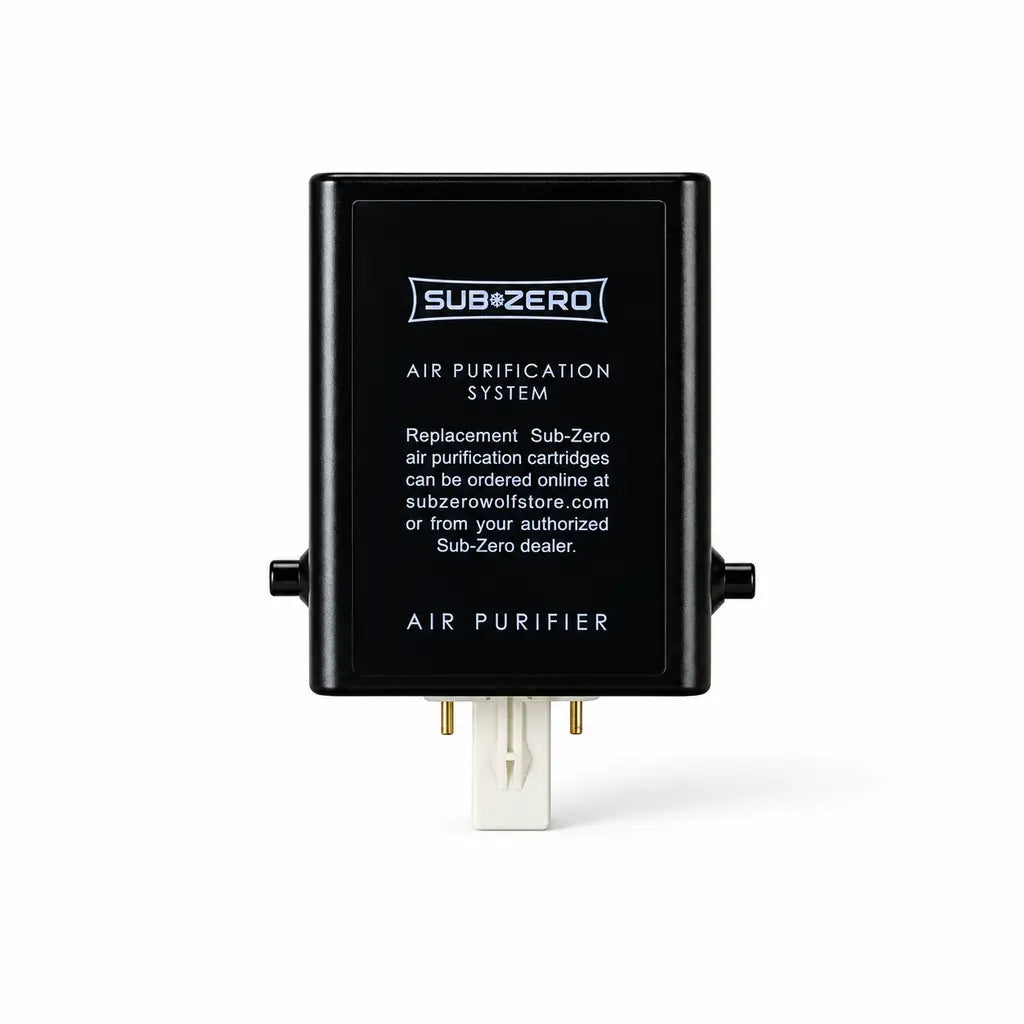
• Use air-cleaning systems to capture airborne particles
Indoor allergens are a widespread concern. Studies show that a large portion of homes contain detectable levels of allergens that can trigger symptoms in sensitive individuals. Regular exposure may lead to ongoing discomfort and poor indoor air conditions.
Taking simple steps to reduce allergens can create a cleaner living space, support easier breathing, and help maintain a healthier indoor environment for your family.
Understanding the Size Range of Common Airborne Allergens
Airborne particles that trigger allergies and asthma come in many forms and move easily through indoor air. These allergens can land on carpets, furniture, bedding, and other surfaces throughout the home. Their size differs depending on the source, and experts measure these particles in microns, also known as micrometers.
Can Indoor Allergens Be Reduced at Home?
Many indoor allergens can be managed by keeping your home clean and limiting places where allergens collect. Common sources of indoor allergens include:
- Pets
- Carpeted floors
- Upholstered furniture
- Plush toys
- Bed linens
- Moist areas
- Houseplants
- Mattresses without protective allergy covers
- Pillows and bedding that cannot be cleaned in hot water
In some cases, allergens build up on household surfaces more than they remain in the air. These particles can become airborne again when everyday activities such as dusting, walking, or sitting disturb them.
Can Air Cleaning Devices Improve Indoor Air Quality?
Some air cleaning devices may help lower airborne particles in your home. However, removing allergen and irritant sources remains the most effective way to improve indoor air quality. Focus on limiting exposure to common triggers, bringing in fresh outdoor air when conditions allow, and keeping indoor moisture levels under control.
Keeping humidity low can slow the growth of mold and reduce dust mite populations. Air conditioners can also help manage indoor moisture while limiting the entry of outdoor allergens. For better results, keep windows and doors shut during high pollen seasons and use the recirculation setting on your cooling system. These simple steps can help reduce exposure to allergens such as pollen and mold spores.
What Are the Best Ways to Control Indoor Allergens?
Reducing Dust Mites in Living Spaces
Keeping dust mites under control starts with simplifying your indoor environment and limiting places where dust can settle. Smooth, uncluttered surfaces make cleaning easier, and hard flooring with minimal décor works best, especially in bedrooms where you spend a large portion of your time. Wall-to-wall carpets should be avoided whenever possible.
If flooring is necessary, choose low-pile rugs or small washable mats. Heavy curtains and bulky upholstered furniture should be reduced, and easier-to-clean alternatives like washable curtains or roll-down shades are better choices.
Using Protective Covers and Washing Fabrics
Protective barriers can significantly lower exposure to dust mites. Encasing pillows, mattresses, and box springs with zippered allergen-proof or plastic covers helps block allergens effectively, especially during sleep.
These covers are highly effective at reducing nighttime exposure. Bedding, pillow covers, and stuffed toys should be washed weekly in hot water of around 130°F or higher. A hot dryer cycle should also be used to further eliminate mites and reduce allergen buildup.
Vacuuming and Cleaning Safely
Regular vacuuming is important for keeping indoor allergens under control. Cleaning once or twice a week helps reduce dust levels. However, low-quality vacuums may release fine particles back into the air. Using Certified Asthma & Allergy Friendly® vacuums helps ensure better filtration and prevents allergens from escaping during cleaning.
Reducing Airborne Dust During Housework
Cleaning techniques also influence how much dust becomes airborne. Wearing a mask during housework can reduce inhalation of allergens. Dusting with a damp cloth or treated wipe helps trap particles instead of spreading them around. It is also helpful to avoid staying in freshly cleaned rooms for a short period after cleaning to allow particles to settle.
Managing Pet Allergens Effectively
Controlling pet allergens requires consistent habits. Many allergy specialists recommend avoiding birds or furry pets for sensitive individuals. All animals produce dander, which is made of tiny skin flakes, and there is no completely hypoallergenic pet. Some animals may produce lower levels of allergens, but reactions can still occur.
Limiting Pet Exposure Indoors
Reducing exposure to pet allergens also means controlling where pets can go inside the home. Bedrooms should remain pet-free, and doors should stay closed when not in use. Vent openings can be covered with fine mesh materials to limit allergen spread. Pet bedding, toys, and furniture should be cleaned regularly.
Grooming pets may help reduce shedding, but it is better done by someone without allergies or with protective measures such as wearing a mask. Long-haired pets can also carry outdoor pollen indoors during peak allergy seasons.
When to Seek Allergy Testing
If symptoms persist despite these measures, consulting a certified allergist is recommended. Proper testing can help identify specific triggers and guide more effective treatment strategies.
Limiting Outdoor Allergens Indoors
Reducing the entry of outdoor allergens also supports better indoor air quality. Keeping windows and doors closed during high pollen periods is important. Air conditioning can help regulate temperature while also reducing humidity and filtering incoming air. Regular filter changes improve system performance.
Controlling Moisture to Prevent Mold Growth
Moisture control is essential for reducing mold indoors. Bathrooms, kitchens, and other damp areas should be carefully managed. The following steps can help limit mold growth:
- Keep shower time short and avoid excess steam buildup
- Use a dehumidifier to reduce indoor moisture and discourage mold and dust mites
- Monitor indoor humidity levels using a simple gauge
- Keep houseplants to a minimum to avoid added moisture
- Repair leaks quickly and dry wet areas as soon as possible
If mold appears, it should be cleaned immediately. Wearing a mask during cleaning helps reduce exposure, and regular weekly cleaning helps prevent it from returning.
Preventing Cockroach-Related Allergens
Pest control is another important part of allergen management. Food and waste should never be left uncovered, as this attracts cockroaches. Instead of harsh chemical sprays, safer methods like bait stations, boric acid, and traps are recommended to reduce pests while minimizing respiratory irritation.