How to tell if the dispenser control lock is active
You can determine whether the control lock is currently enabled by checking for a lock icon on the display. This function is intended to disable the dispenser so it can be cleaned easily or to prevent accidental use by children and pets.
When the feature is active, a lock symbol will typically appear on the control panel. Enabling the lock does not cut power to the refrigerator, ice maker, or dispenser lighting. It only disables the dispenser buttons and paddle. For exact instructions on how to turn the feature on or off, refer to your Owner’s Manual or Quick Start Guide.
Is Sabbath Mode Enabled on the Refrigerator?
Certain refrigerator models include a Sabbath Mode designed to support users who observe restrictions on using lights and certain electrical functions. When activated, the temperature settings and deli drawer configurations continue to operate as previously set. All display LEDs on the control panel are turned off.
Only the Sabbath indicator remains illuminated while the mode is active. Ice and water dispensing functions are disabled during this setting. Audible alerts and alarms are also suppressed. Interior compartment lighting is switched off even when the door is opened.
The appliance continues normal cooling behavior without reacting to door openings. Deactivation methods differ by model, but typically pressing and holding the Sabbath Mode button for about three seconds will toggle the feature on or off.
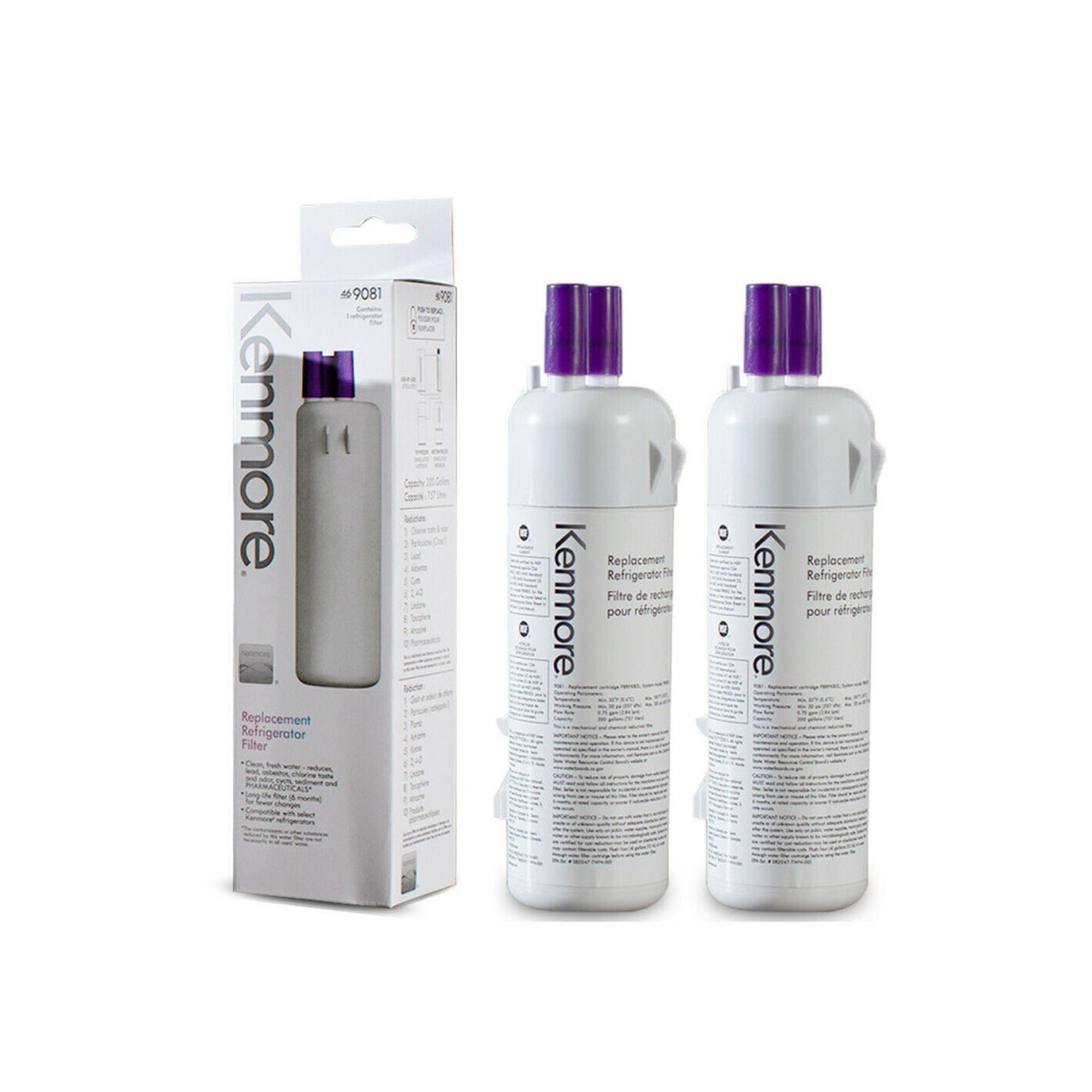
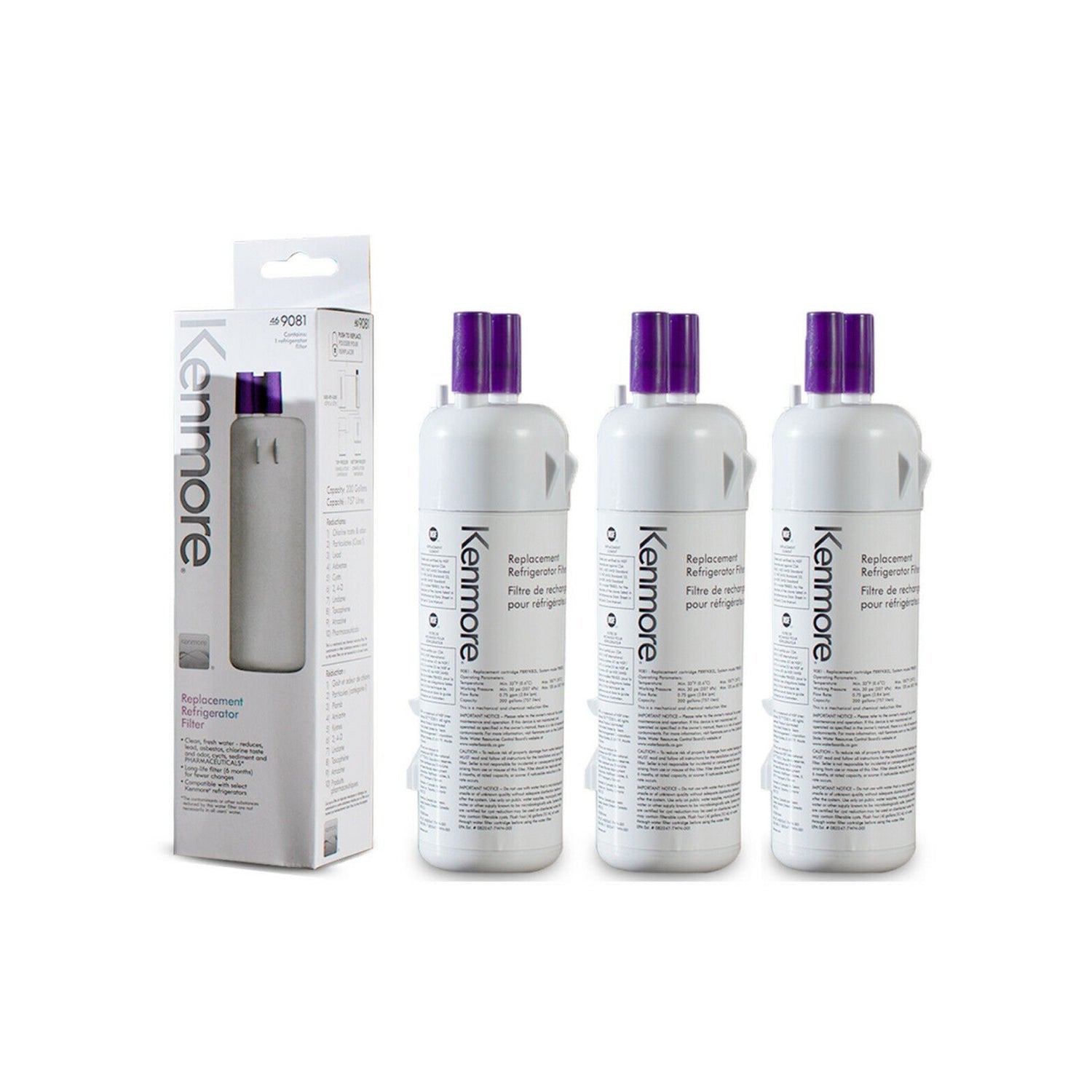
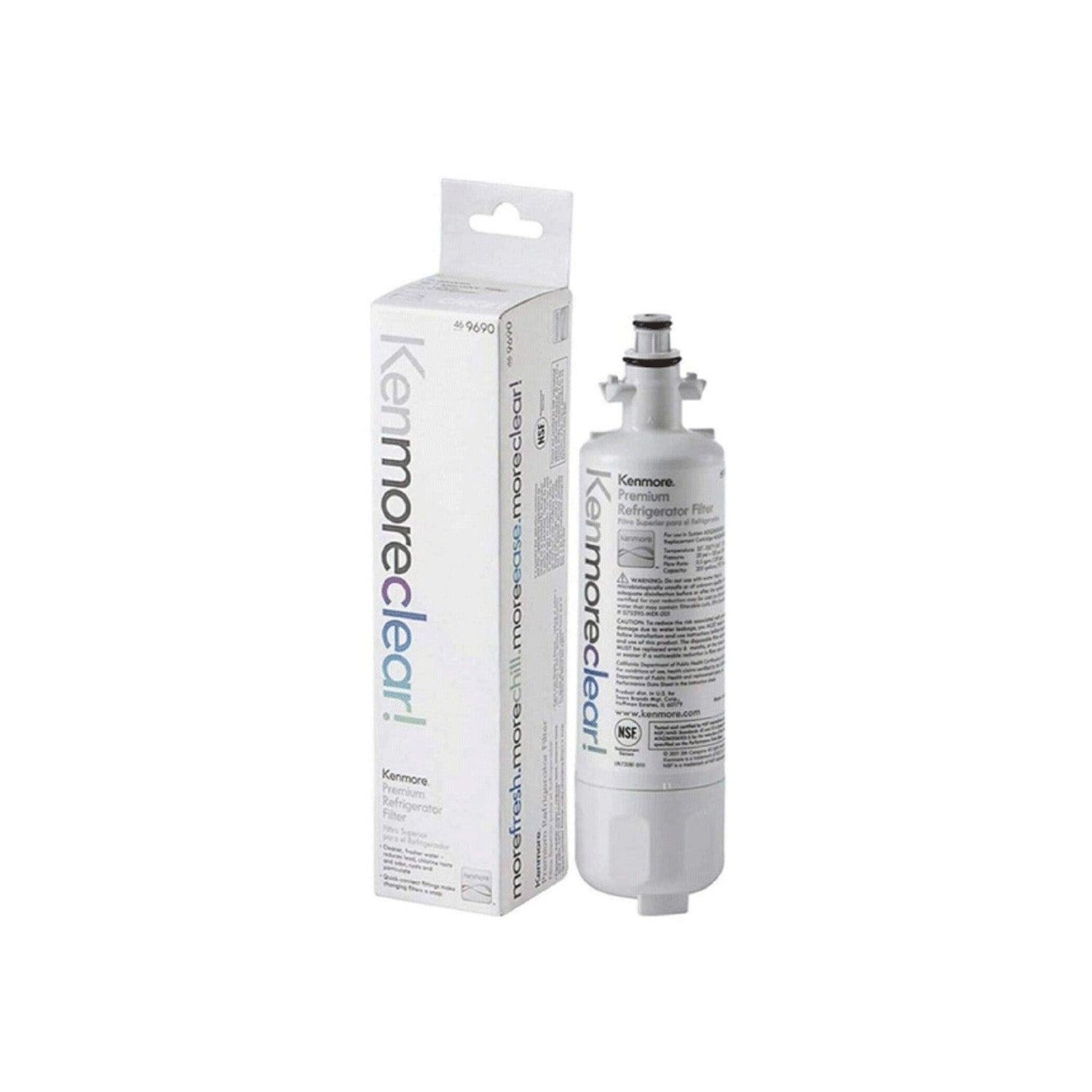
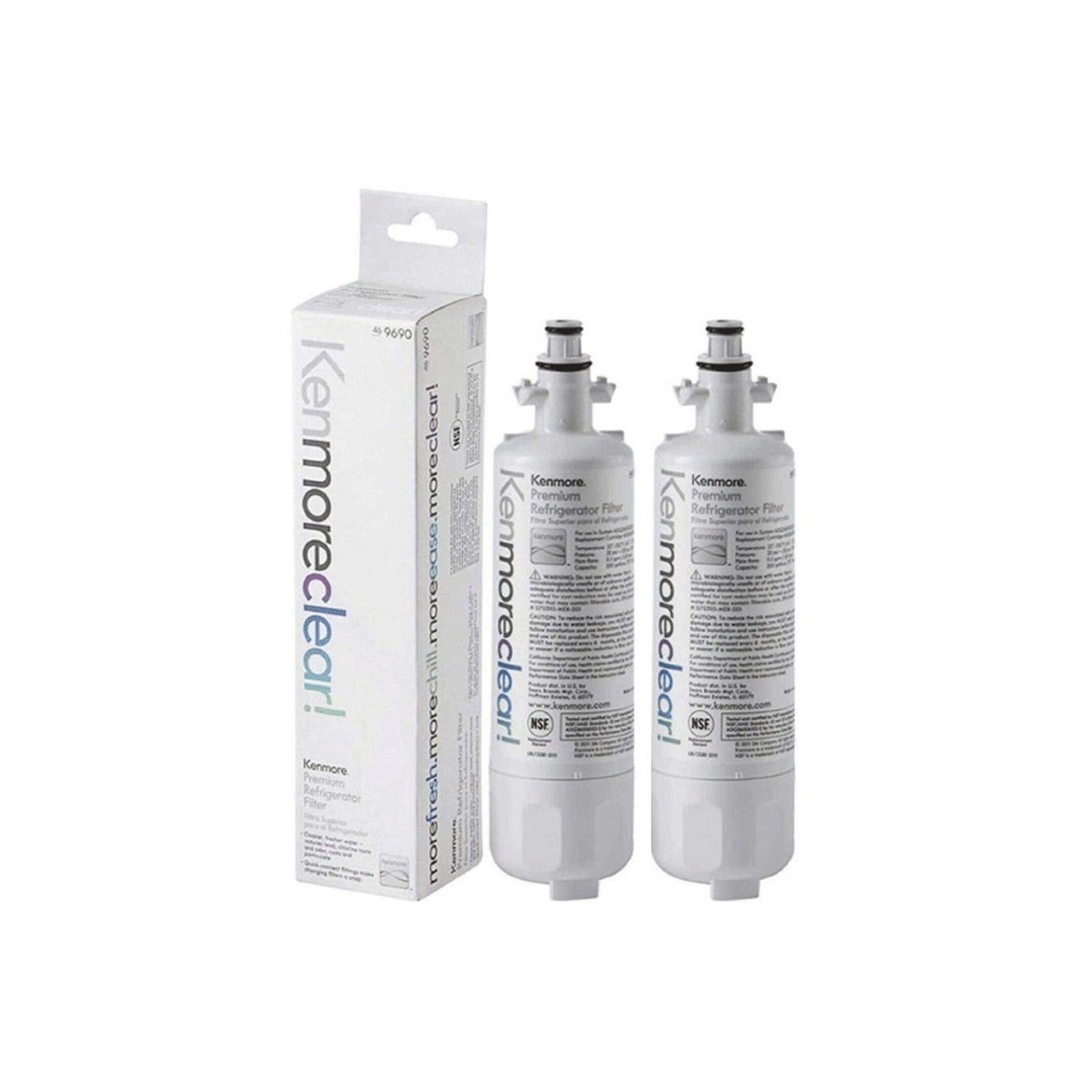
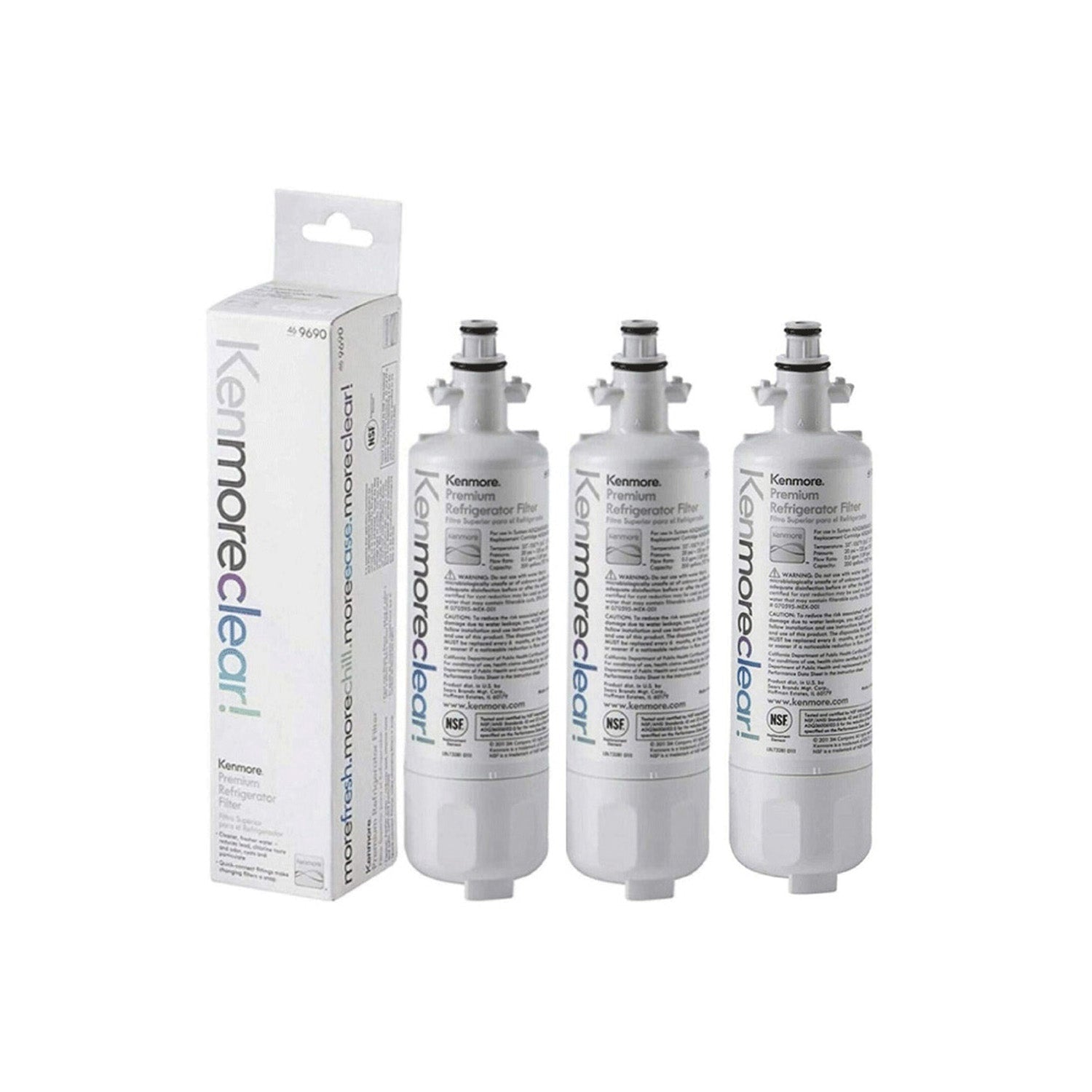
Did You Recently Replace the Water Filter?
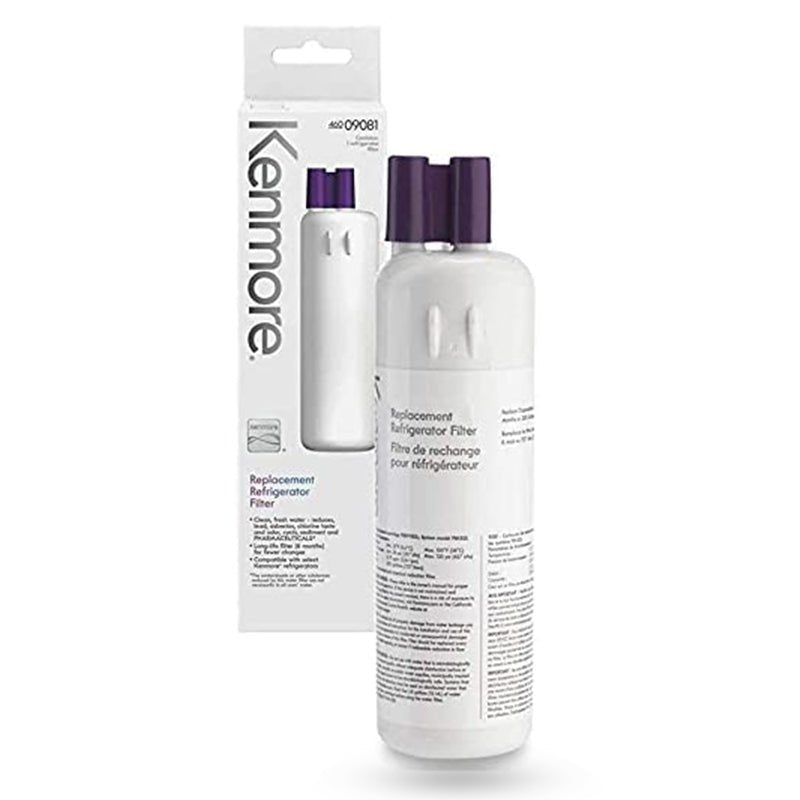
If the water filter was recently changed or newly installed, confirm that it is positioned correctly. A filter that is not fully installed can restrict or stop water flow, reduce ice production, cause leaks around the filter compartment, or create other performance issues.
Check that the filter is securely locked into place and forming a proper seal. To verify the installation, remove the filter from the housing and attempt to dispense water. If water flows without the filter installed, the filter was likely not installed correctly and should be removed and reinstalled.
Verify the Refrigerator Water Supply Connection
For the ice maker and water dispenser to operate properly, the refrigerator must be connected to a cold water source. Use 1/4" (6.35 mm) outside-diameter copper or PEX tubing when connecting the refrigerator to the shutoff valve.
It is a good idea to leave a small loop of tubing behind the appliance so it can be moved forward for maintenance or cleaning when needed. Replacement water supply tubing and related parts are available through authorized appliance parts suppliers.
Inspect the water line carefully to ensure it is not bent or pinched. Any restriction in the tubing can limit water flow and affect performance. If a bend is present, straighten the line to help restore normal water pressure and flow. To prevent future issues, avoid pushing the refrigerator tightly against the wall or surrounding cabinetry.
When to Replace Your Refrigerator Water Filter
It’s generally advised to change your refrigerator water filter about every six months, when the filter indicator light turns on, or sooner if needed. Doing so helps maintain a steady supply of clean, better-tasting drinking water. In some cases, replacement may be required more often depending on how frequently the refrigerator is used and the quality of your water supply.
A blocked or incorrectly installed filter can restrict water flow to both the dispenser and ice maker, which may lead to reduced ice production and slower dispensing.
Is Your Water Pressure Set Correctly?
Maintaining the right water pressure in your Whirlpool appliance is essential for dependable day-to-day performance. When the pressure is within the recommended range, it supports steady ice making and consistent water flow, but if it falls too low or is not properly balanced, the appliance may not operate as intended. Insufficient water pressure can lead to slower dispensing, undersized or hollow ice cubes, and in some cases reduced or completely stopped ice production.
Ensuring Proper Activation of the Dispenser Paddle
Make sure the dispenser paddle or control pad is fully pressed during use. If it is not correctly engaged, the unit may fail to release water or ice. Confirm that your glass is positioned so it firmly activates the paddle or switch when pressed.
Dispensing Water or Ice
- Choose either water or ice on the control panel, depending on your appliance model.
- Push a strong, stable glass against the dispenser paddle until it activates.
- Lift the glass away to stop the flow.
Always consult your Owner’s Manual for model-specific instructions on how to properly dispense water and ice.