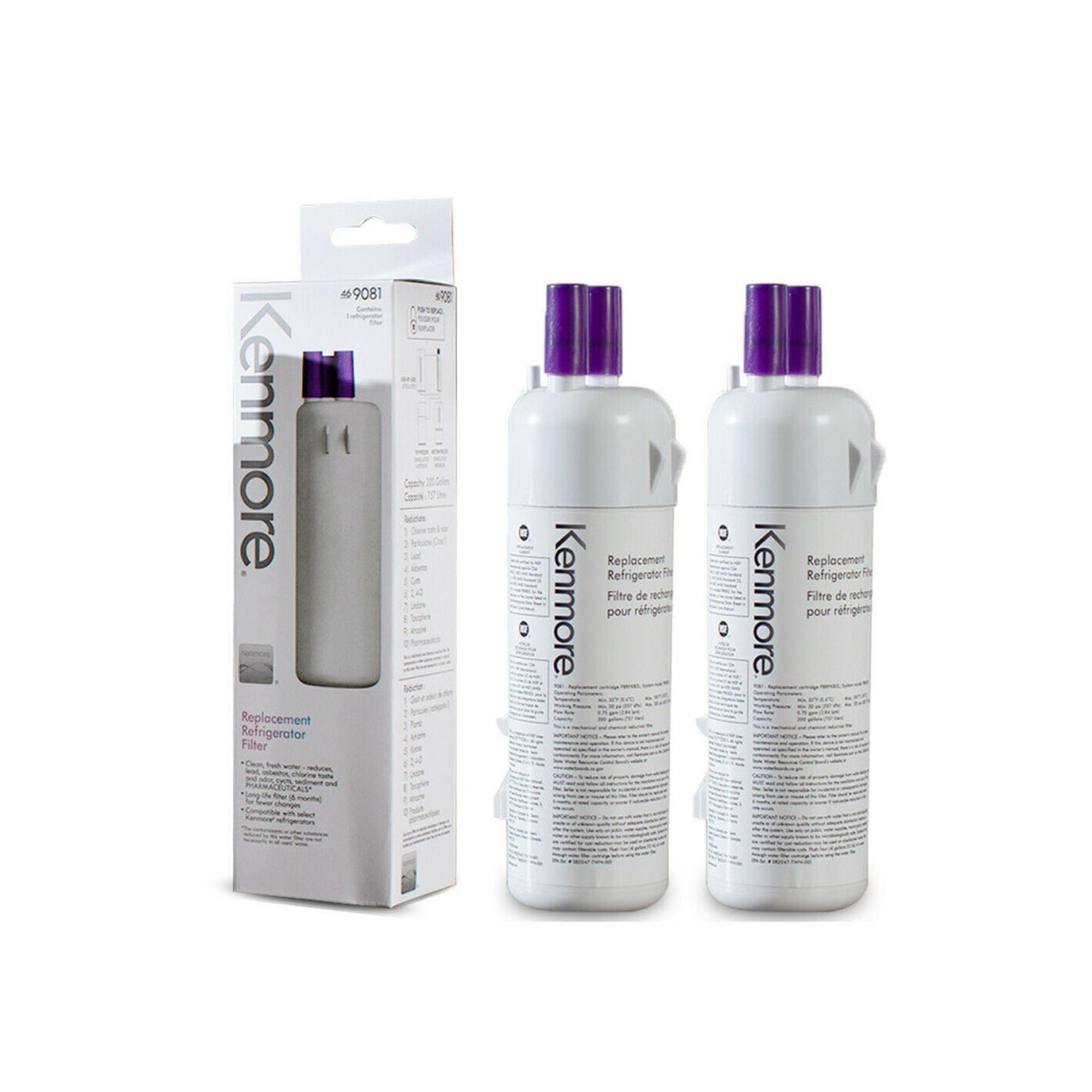
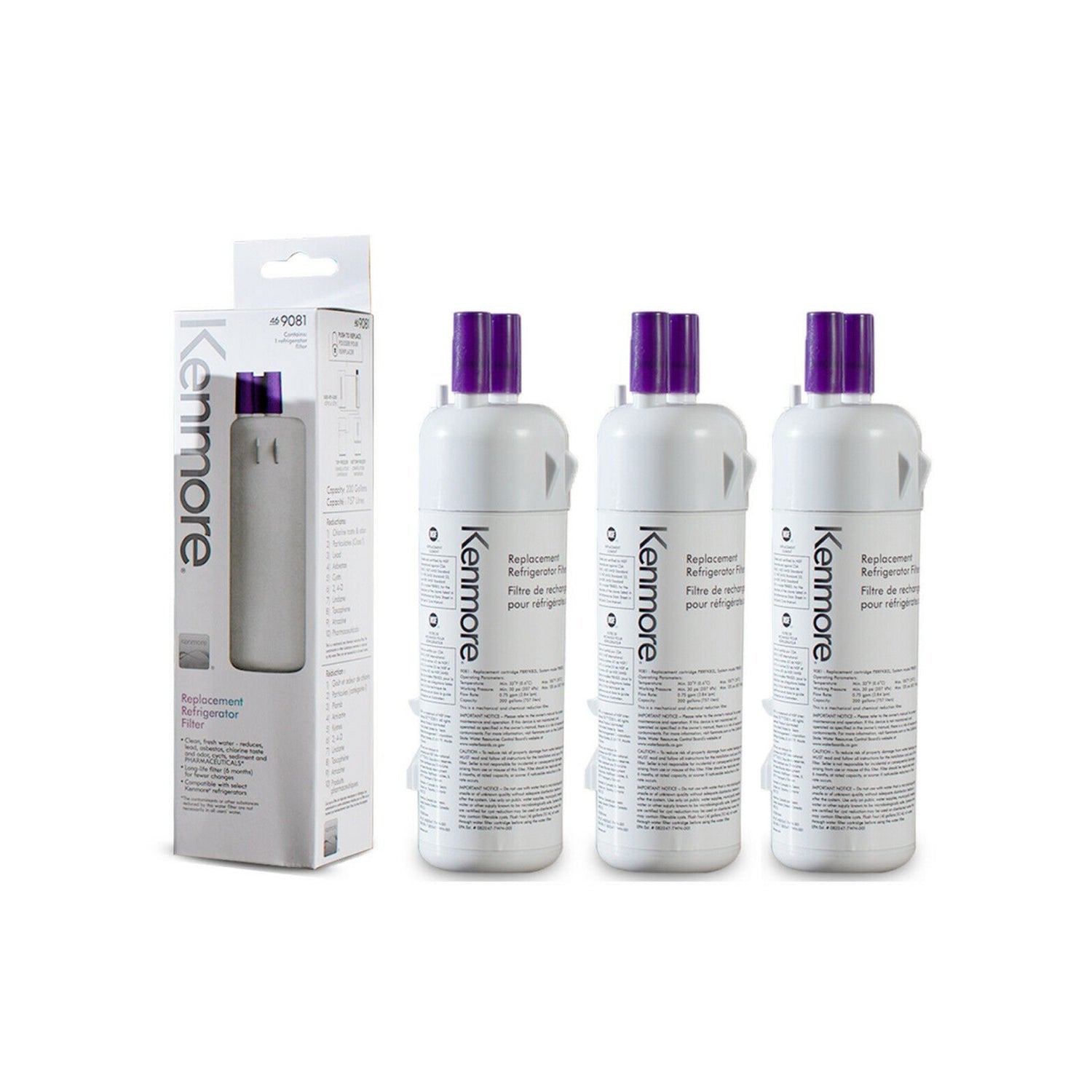
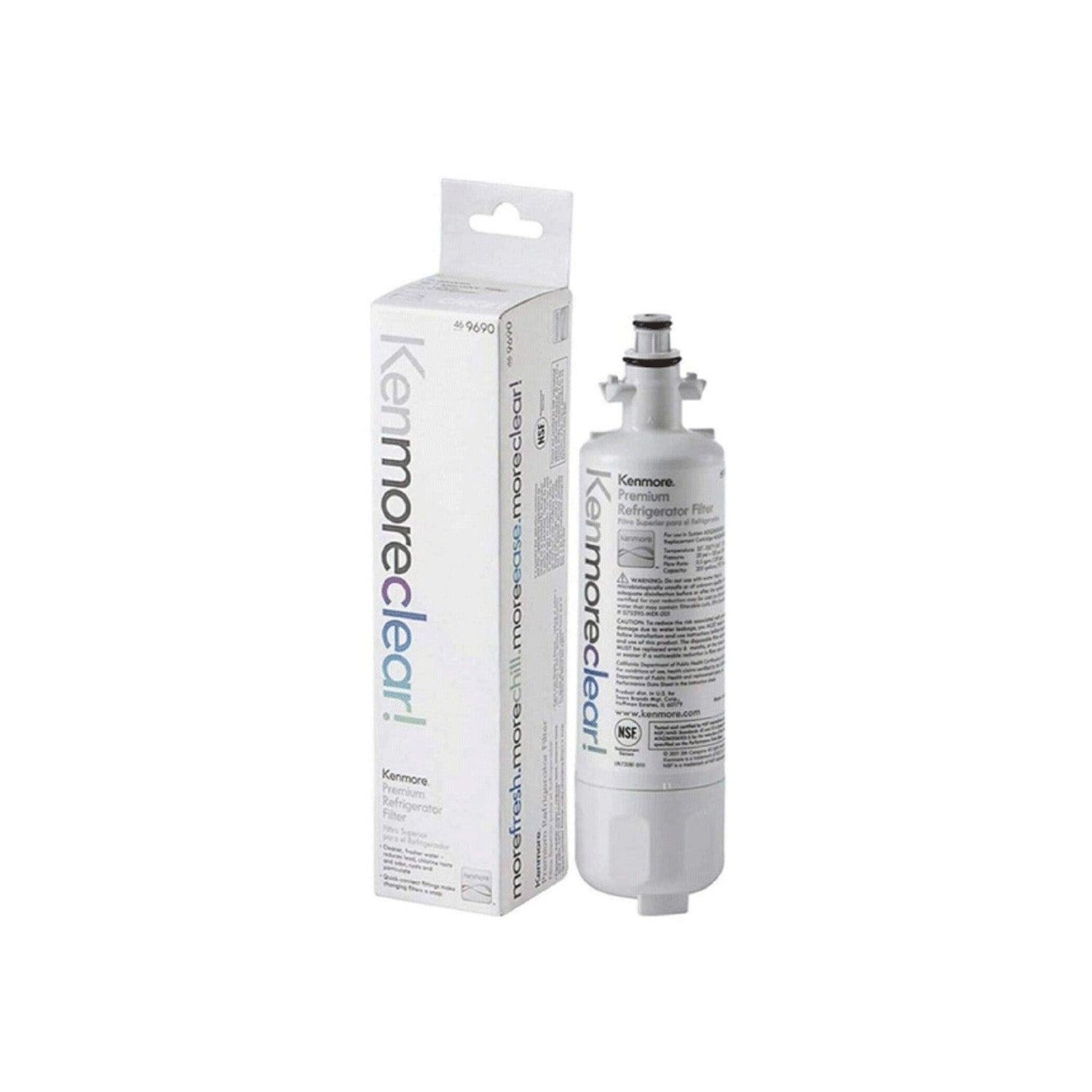
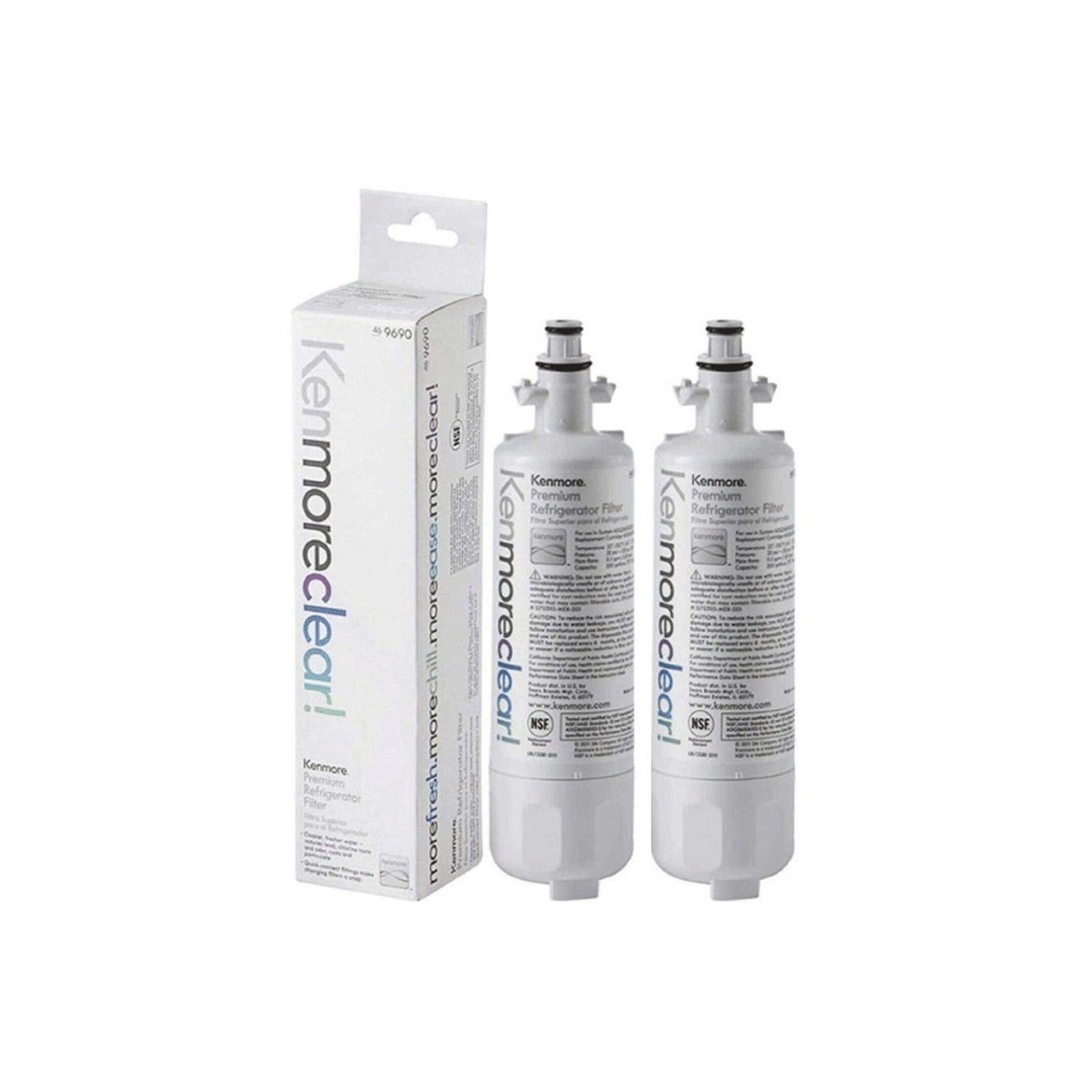
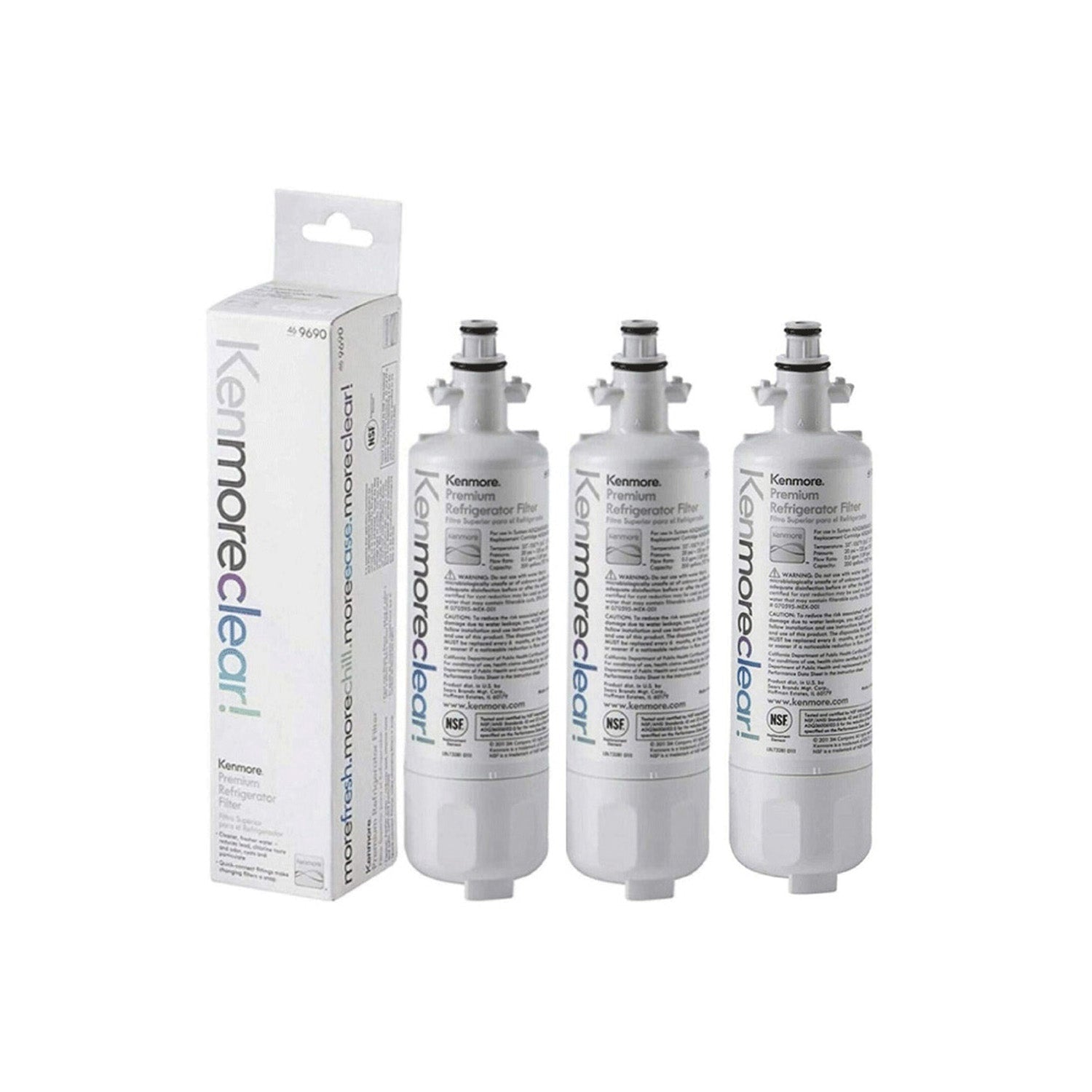
Fridge water filters aim to clean tap water before it reaches your dispenser and ice maker. They reduce chlorine taste and some common contaminants to make drinks fresher. Many people question their real effectiveness beyond basic flavor. Tests and reviews show they work for certain things like odor and sediment. Limits exist on deeper issues like fluoride or heavy metals. Proper maintenance keeps them useful. The answer stays yes for taste improvement in most homes.
Why Use a Refrigerator Water Filter?
People use fridge filters for convenience and better taste. Tap water often carries chlorine from treatment which gives off-flavors. Filters cut that quickly. Cold filtered water comes straight from the door. Ice stays clearer without odd smells. Families drink more water when it tastes good. Filters reduce some particles so glasses look cleaner. The built-in setup saves counter space compared to pitchers.
How Refrigerator Water Filters Work
Fridge filters use activated carbon blocks or granules. Water flows from your home line into the housing. Carbon acts like a sponge. It absorbs chlorine through chemical reaction. Particles get trapped in pores. Some filters add layers for better sediment hold. Clean water then goes to the dispenser or ice maker. The process happens automatically each time you use it. Carbon neutralizes odors and improves clarity in most cases.
Back to The Question: Do Refrigerator Water Filters Really Work?
Fridge filters work for basic needs. They reduce chlorine taste and odor effectively in tests. Certified models cut lead cysts or some chemicals under NSF standards. They improve water for everyday drinking and ice. Limits show on fluoride bacteria or dissolved solids. Old filters lose power fast. Regular changes keep them effective. Reviews say taste gets noticeably better with fresh ones. For simple municipal water problems they deliver real results.
Is it really necessary to change your refrigerator water filter every 6 months?
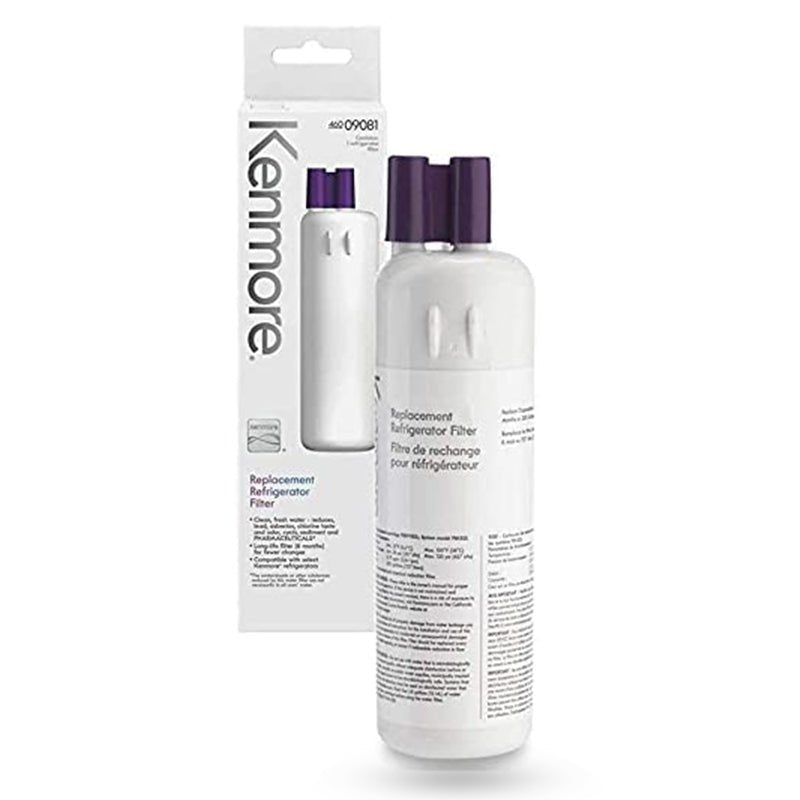
Manufacturers recommend changes every six months or 200 to 300 gallons. The filter saturates around then. It clogs and lets impurities through. Taste worsens. Flow slows. Bacteria can grow in damp media. Skipping changes reduces benefits quickly. Some people stretch to a year without big issues if water stays clean. Heavy use or hard water shortens the time. Follow the schedule for steady quality and to avoid strain on the system.
How do you know if your refrigerator water filter is bad?
Watch for clear signs the filter needs replacement.
-
Water dispenses slower or trickles.
-
Ice cubes come small hollow or take longer.
-
Water tastes metallic chlorine-like or musty.
-
Odor smells off in dispensed water or ice.
-
Filter light turns on or shows red.
-
Cloudy particles appear in glasses.
-
Ice has odd flavor or cloudy look.
These point to clogging or saturation. Replace soon to fix taste and flow.
Which water filter removes the most contaminants?
Certified fridge filters with NSF 53 and 401 remove the most in their category. They cut lead cysts pharmaceuticals and some PFAS. Brands like Whirlpool EveryDrop or Samsung often carry these. Aftermarket like Culligan or Waterdrop match in many cases if certified. No fridge filter removes everything. RO systems go deeper but stay separate. Check NSF labels for exact reduction claims.
Does refrigerator ice go through a filter?
Yes in most modern refrigerators. Water for the ice maker flows through the same filter as the dispenser. It gets treated before freezing. This keeps ice clearer and tastier. Some older models or basic ones skip filtration for ice. Check your manual. The path usually runs from the line through the filter housing to both dispenser and ice tray. Fresh filters improve ice quality noticeably.