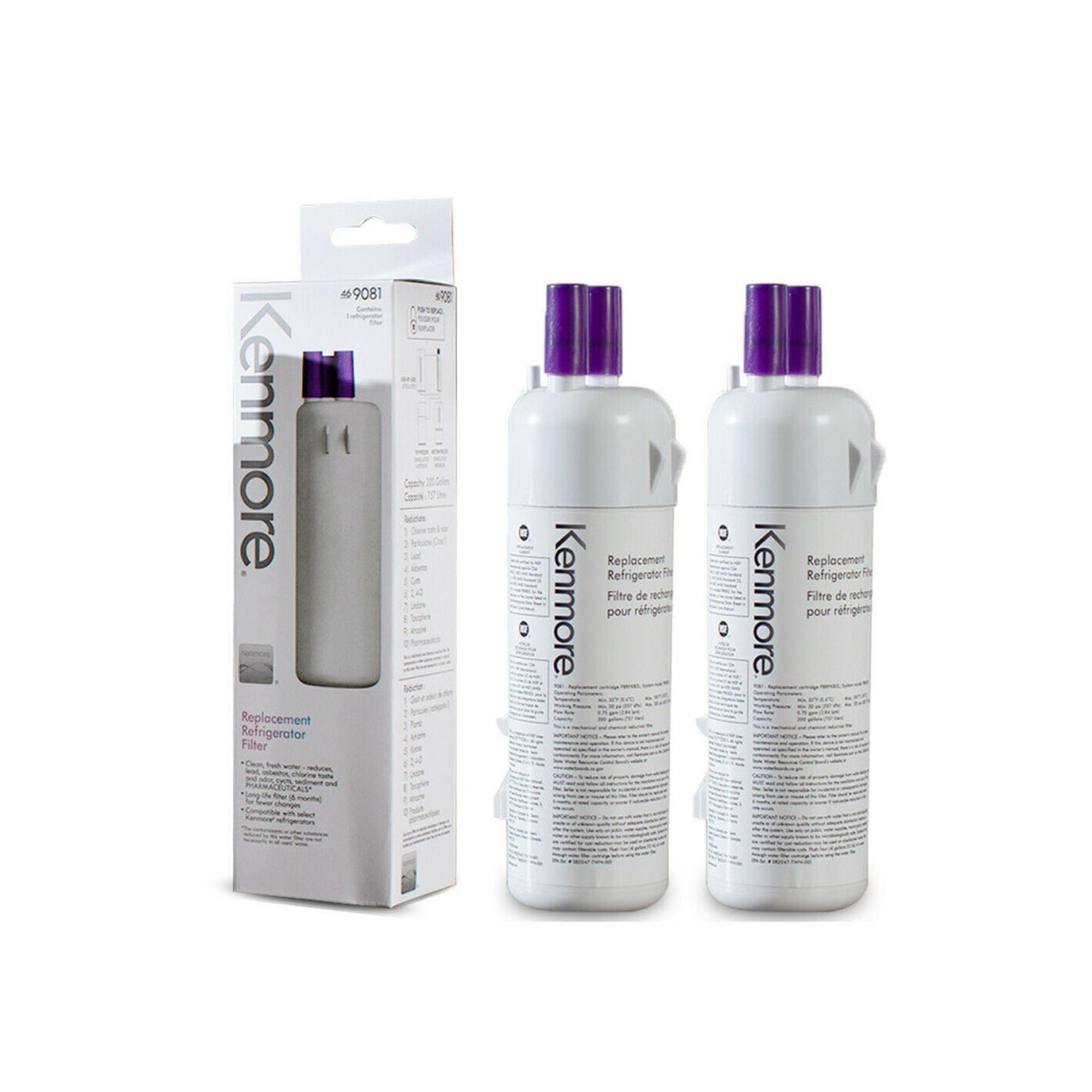
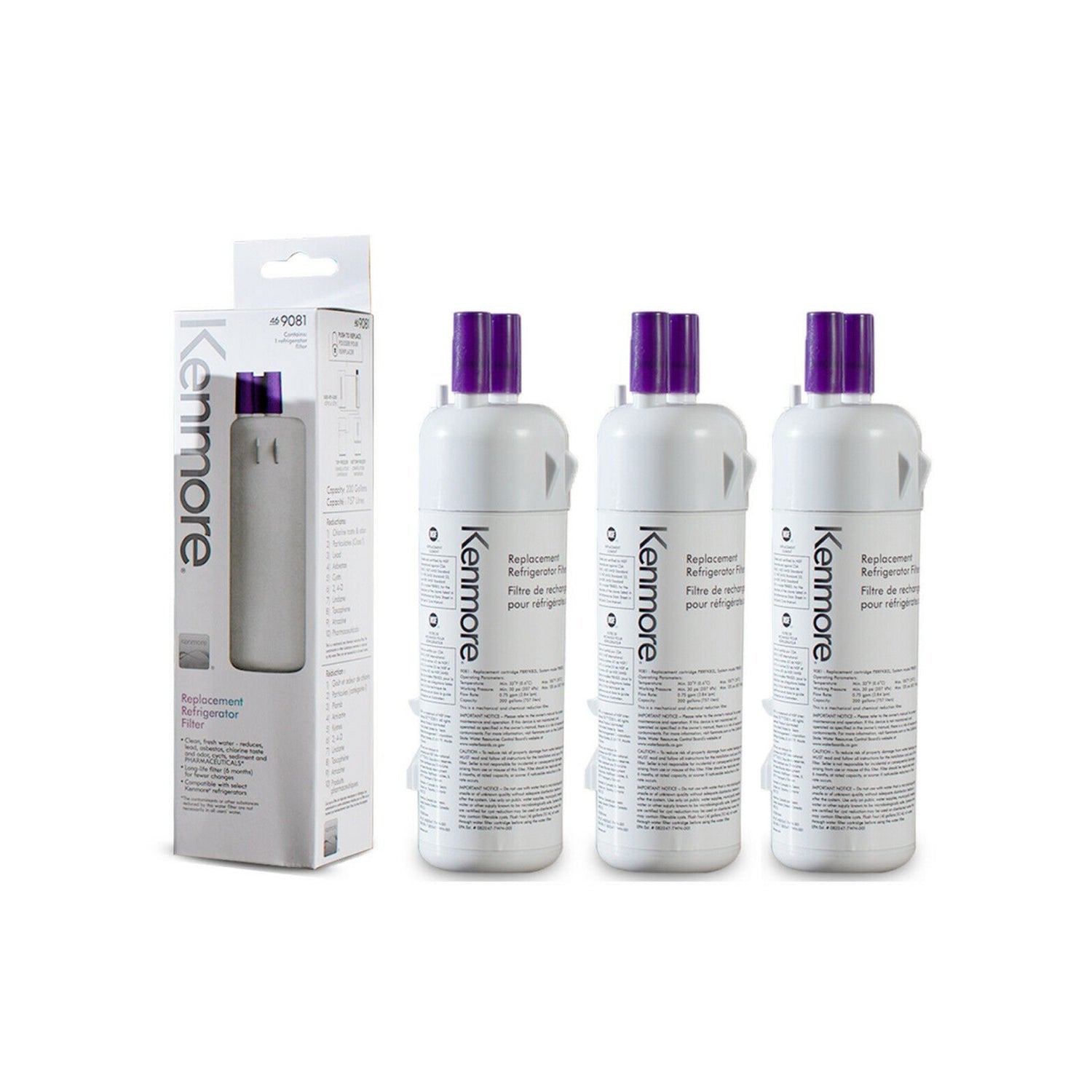
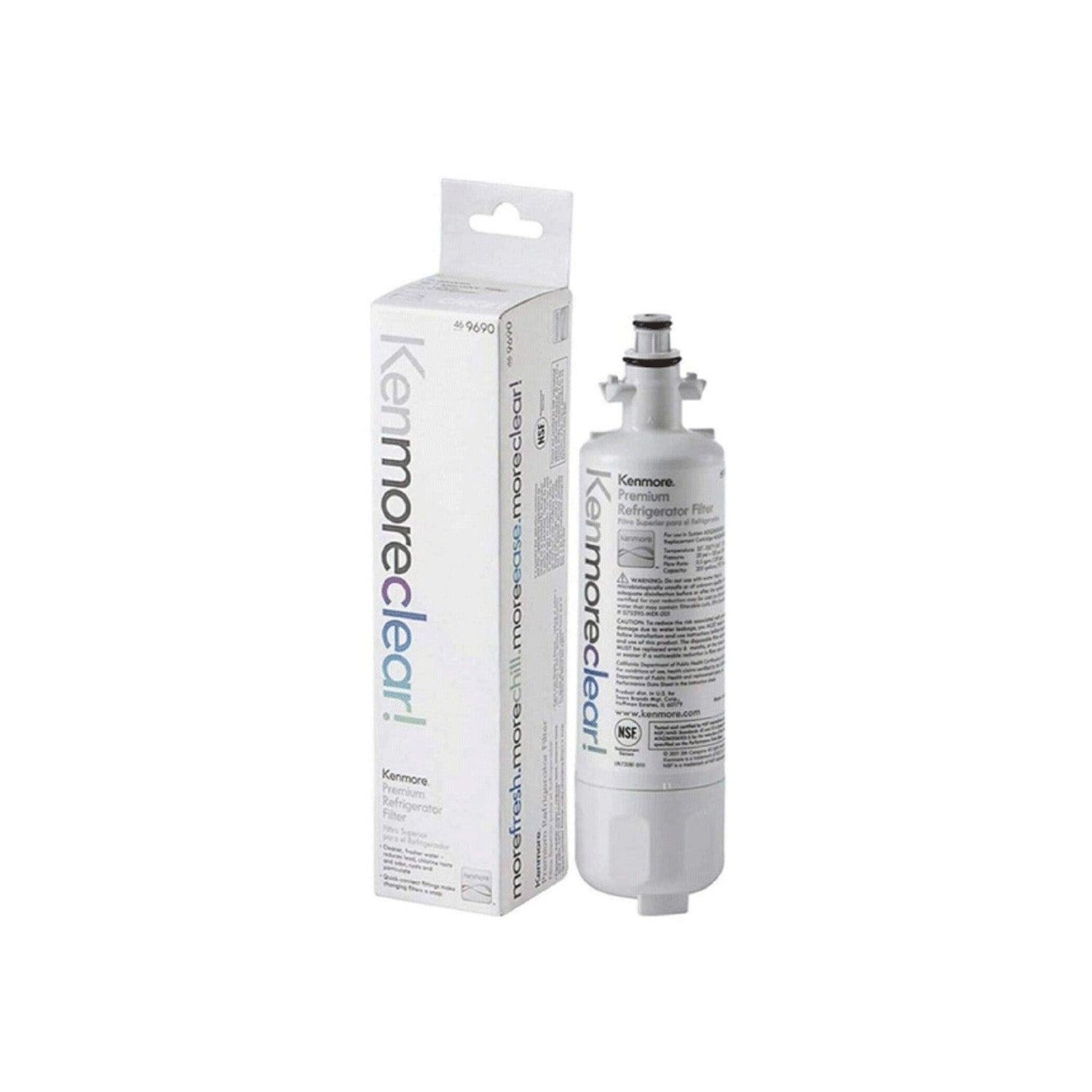
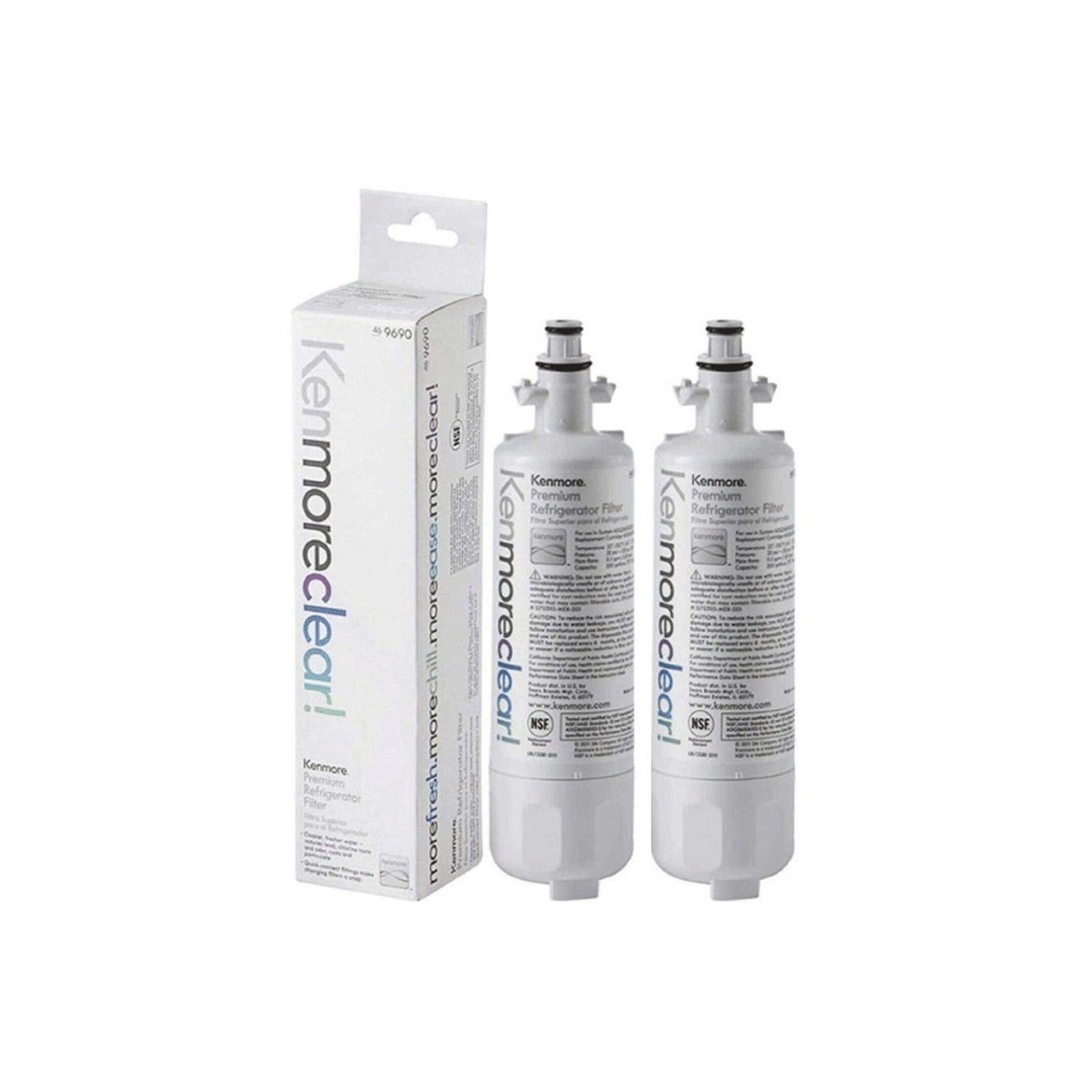
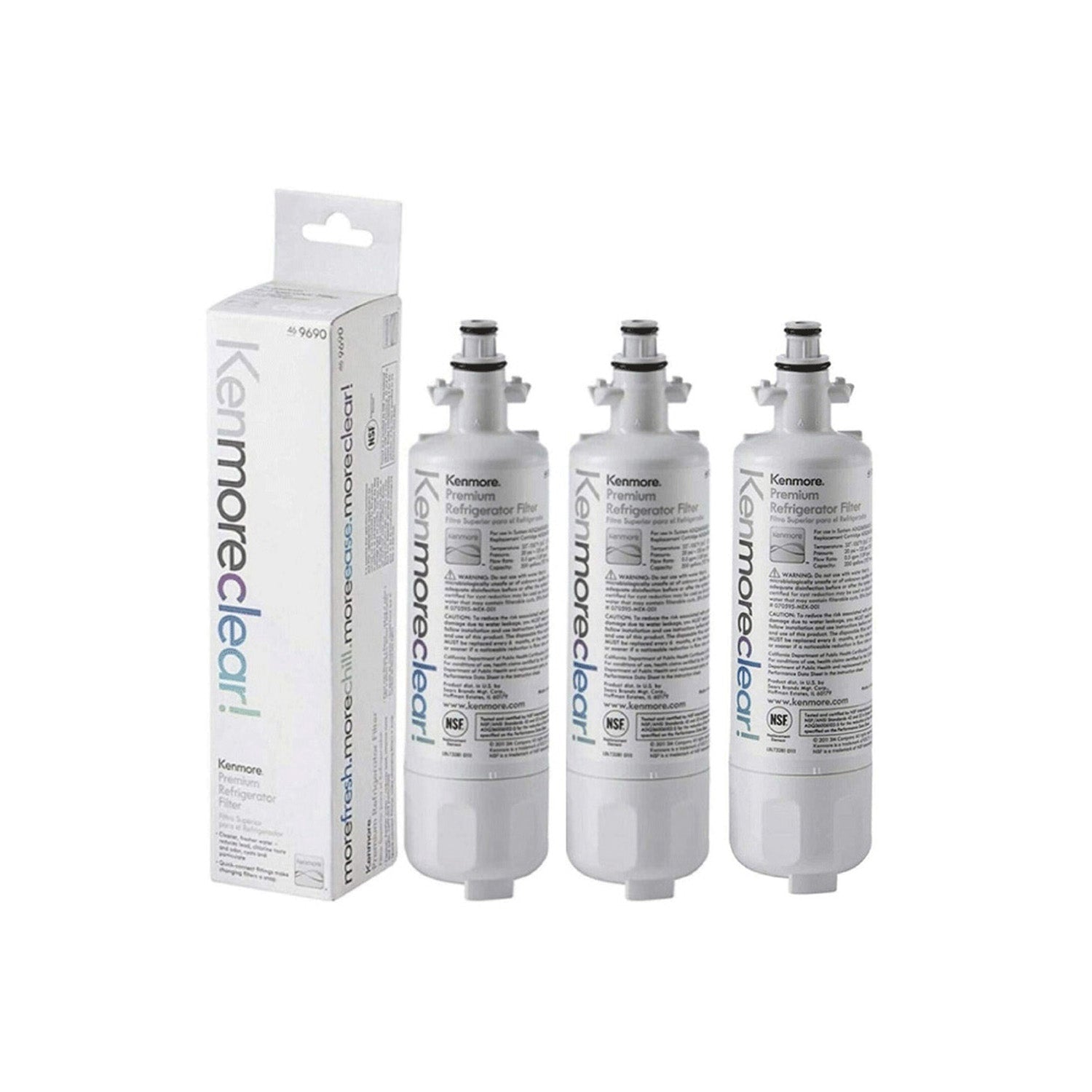
You replace the air filter, shut the refrigerator door, and expect the odor to disappear. Days later, the same unpleasant smell is still there. In many cases, the filter is not the problem. Hidden spills, spoiled food, or moisture trapped in hard-to-reach areas are often to blame.
Finding the source can save time, money, and repeated cleaning attempts. Before trying another fix, it helps to understand what causes refrigerator odors in the first place.
Common Reasons Your Refrigerator Has an Unpleasant Odor
Before getting rid of a bad smell, you need to know where it is coming from. Leftover food residue, bacterial growth, mold, forgotten items past their expiration date, and containers with leaks can all leave odors behind. Once the source is identified, removing the smell becomes much easier and helps prevent it from returning.
Steps to Remove Odors From a Refrigerator
Removing unpleasant smells from your refrigerator can be easier than you might expect. With a few basic cleaning supplies and odor-fighting household items, you can freshen the appliance and help stop unwanted smells from returning. Follow the steps below to clean your refrigerator from top to bottom.
Supplies
- Warm water
- Dish soap
Tools
- Clean towel
- Soft washcloth
- Compare French door and side-by-side fridges
Remove Expired or Spoiled Food
A thorough food check is a good place to begin. Dispose of any items that are expired, spoiled, or showing signs of leakage, then arrange the remaining food so everything stays visible and easy to find. Better organization helps reduce the chance of forgotten items causing odors later.
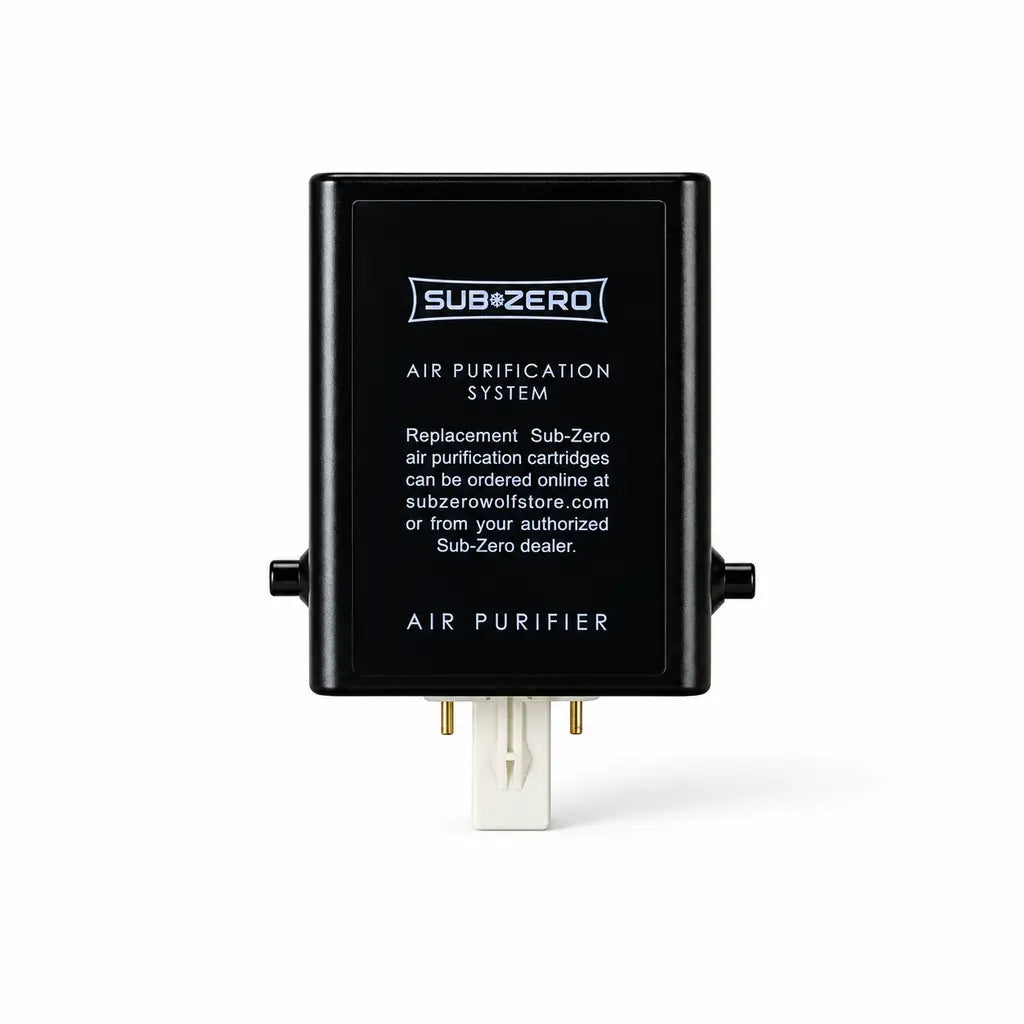
Change the Refrigerator Air Filter on Schedule
Many refrigerators include an air filter designed to reduce food-related odors inside the appliance. Replacing the filter according to the instructions in your owner's manual can help keep the air cleaner and reduce lingering smells over time.
Wash the Inside of the Refrigerator
Before tackling stubborn odors, give the interior a complete cleaning. Disconnect the refrigerator from power, remove food along with any removable shelves and drawers, and wipe all interior surfaces using warm water and dish soap. Once cleaned, rinse and dry everything with a clean towel. Removable refrigerator parts should be cleaned by hand rather than placed in a dishwasher.
Clean Drawer and Shelf Tracks
Food residue often collects in the tracks that hold drawers and shelves. Wash these areas with warm, soapy water, rinse thoroughly, and dry them completely with a soft microfiber cloth before reinstalling the components.
In cases where liquids have spilled and hardened, drawers and shelves may become difficult to move. Remove all detachable parts and clean affected areas with warm water, mild dish soap, and a soft cloth. Finish by wiping the surrounding frame, repeating the process if heavy buildup remains.
Wipe Down the Door Gasket
The rubber seal around the refrigerator door can trap moisture, crumbs, and food residue. Clean it using a soft cloth or sponge with warm water and a mild detergent. After washing, rinse the gasket well and dry it completely with a clean cloth.
Wash the Drip Pan
Another area that can hold odors is the drip pan beneath the refrigerator. Carefully remove the pan, wash it with warm water and dish soap, then rinse and dry it fully before placing it back into position.
Leave the Refrigerator Open to Air Out
For added freshness, clean interior surfaces with a baking soda solution after washing. Then leave the refrigerator unplugged with the door open for at least 24 hours, allowing any remaining odors to dissipate before turning it back on.
Natural Methods to Freshen a Smelly Refrigerator
Open Box Baking Soda Method
After the refrigerator has been cleaned, place an open box of baking soda on a shelf inside the fridge. It works by taking in lingering odors that remain in the air. A second box can be placed in the freezer for similar results.
Activated Carbon Odor Control
Another simple option is activated charcoal placed in small paper bowls. Set one bowl inside the refrigerator and another in the freezer section. If strong odors persist, adding extra bowls can help cover more space.
Damp Breath Mint Method
A dampened breath mint placed on a paper plate can also help reduce unwanted smells. Set the plate on a middle shelf where air moves freely. Replace it after a short period once it loses effect.
Newspaper Ball Technique
Scrunched newspaper balls placed on a plate can absorb odors over time. A small amount of vanilla extract can be added to the paper to reduce harsh smells. Place one plate per shelf in both the fridge and freezer for ongoing use.
Lemon Fresh Method
Lemon juice can be used to wipe down shelves after cleaning to leave a fresher scent. Sliced lemons in a small bowl can also sit inside the fridge for several hours or a few days. This helps reduce leftover food odors.
Coffee Grounds Option
Dry coffee grounds placed in an open container can take in unwanted smells from inside the refrigerator. Along with absorbing odors, they may leave a light coffee scent behind. Replace them once they lose freshness.
Vinegar Wipe Solution
A mixture of equal parts water and white vinegar can be used to wipe interior surfaces. This solution helps break down lingering smells that remain after cleaning. Wipe all areas carefully for better coverage.
Oat Absorption Method
Uncooked oats placed in an open bowl can also help take in odors from the fridge. Leave the container on a shelf where air circulates well. Replace the oats after a few days if the smell returns.
Reasons Odors May Remain in Your Refrigerator After Cleaning
Deep Odors Trapped Inside the Appliance
In some cases, strong smells do not disappear right away even after a full cleaning. Odors that have built up over time can stay trapped inside internal materials like insulation, and they may take weeks or even longer to fade. If the smell continues for an extended period, replacement may become a practical option, and the old unit should be disposed of properly.
Dirt Build-Up on Evaporator Coils
Another common cause of lingering odor is dirt on the evaporator coils. These coils sit in the freezer area and help circulate cold air through both the fridge and freezer compartments. When dust or debris collects on them, it can lead to unpleasant smells and reduced cooling performance. In some models, these coils are not easily visible or accessible.
Simple Habits to Maintain a Fresh-Smelling Refrigerator
Keeping a refrigerator free from unwanted odors comes down to consistent care and a few daily habits. Small actions can stop smells from building up and help keep food storage areas clean and pleasant over time.
- Store food in sealed containers or wrap it tightly to prevent odors from spreading.
- Wipe up any spills right away before they dry or spread.
- Clean the refrigerator and freezer on a monthly basis to remove buildup.
- Arrange items neatly so food is easy to see and nothing gets forgotten.
- Remove spoiled or expired items as soon as they are noticed.
- Clean the space beneath the refrigerator to prevent hidden dirt from collecting.
- Replace the air filter on schedule if your model includes one, following the indicator.
- Set and maintain the correct temperature to slow down food spoilage and reduce odor risk.