
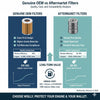
Genuine OEM vs Aftermarket Filters: Quality, Cost, and Compatibility Analysis
, by ABM Service, 13 min reading time
""Free Shipping on USA"" We do not provide any authorization invoice for amazon Resale.
, by ABM Service, 13 min reading time
Many refrigerator owners pay more than they need to for replacement filters. Some believe only OEM filters can keep water safe, while others choose the cheapest option and hope for the best. Small differences in filter quality can affect water taste, filtration results, and long-term value. This guide breaks down OEM and aftermarket filters, compares their strengths, and helps you pick the right option for your fridge. First, take a closer look at OEM vs aftermarket refrigerator filters.
A manufacturer-approved water filter, often called an OEM filter, is designed by the refrigerator brand or an authorized supplier to meet the exact specifications of the appliance. Because these filters are engineered for a precise fit, they help maintain consistent water flow and dependable filtration performance.
OEM filters are typically tested to reduce common contaminants such as chlorine, lead, sediment, and other unwanted particles from drinking water. Their proven performance and compatibility make them a trusted option for homeowners who want reliable filtration without concerns about fit or function.
For many consumers, choosing an OEM filter is about more than replacing a cartridge it is about ensuring water quality and maintaining confidence in their refrigerator’s filtration system. As a result, OEM models are often considered a top choice for those who prioritize long-term safety, quality, and performance.
A compatible or aftermarket water filter is produced by an independent manufacturer rather than the original equipment brand. It is designed to fit the same appliance and function in a similar way to OEM filters, often at a lower cost.
Quality and performance can differ significantly depending on the maker. Some products undergo strict testing and meet recognized certification standards, while others are built with fewer quality controls.
These filters are popular because they are more affordable and widely available. However, it is important to evaluate options carefully since lower prices do not always guarantee the same reliability as original replacement parts.
Manufacturing Source and Authenticity
The clearest difference between OEM and third-party filters lies in who produces them. Genuine filters are manufactured by the original equipment maker or an approved partner, ensuring they align precisely with the appliance’s original design standards and quality benchmarks.
Aftermarket filters are created by independent manufacturers. While many are engineered to match OEM designs, they may not always use identical materials or adhere to the same production specifications. This distinction matters because OEM filters are built specifically for the appliance, while third-party versions can vary slightly in fit, construction, or filtration media.
Pricing and Value Considerations
Another major difference is cost. OEM filters typically come at a higher price point due to brand backing, certified materials, and regulated production standards.
Aftermarket alternatives are usually more affordable, making them appealing for budget-conscious users. However, this lower price can sometimes reflect differences in durability or filtration efficiency, meaning some options may require more frequent replacement depending on quality.
Distribution Channels and Quality Control
OEM filters are distributed through authorized retailers and official manufacturer networks, following strict production and supply guidelines. They are often backed by recognized certifications that verify safety and performance.
In contrast, aftermarket filters enter the market through a wider range of suppliers and distribution paths. While some brands maintain strong testing standards, others operate with less oversight. This variation in control and certification is an important consideration when evaluating reliability and safety.
Filtration Efficiency and Overall Performance
When it comes to performance, OEM filters are generally designed and tested to deliver consistent, certified removal of contaminants such as chlorine, sediment, and certain heavy metals. They are engineered to maintain both water quality and appliance efficiency.
Aftermarket filters can range widely in effectiveness. Some match OEM-level performance when properly certified, while others may offer reduced filtration capacity or shorter service life. Because of this variation, performance becomes a key factor when comparing long-term reliability and water quality outcomes.
Designed specifically to match your refrigerator’s exact model requirements
Typically tested and certified by NSF/WQA for reliable contaminant reduction
Consistent performance with strong long-term reliability
May help maintain the appliance’s original warranty coverage
Backed by established manufacturer support and service networks
Generally priced higher than non-original alternatives
Often available only through authorized sellers or select retailers
Fewer purchasing options across brands and marketplaces
May require advance ordering or longer delivery times
Usually more affordable compared to OEM replacements
Easy to find through online stores and local retailers
Some models still meet NSF certification standards for safety and performance
Wide range of designs, features, and price points to choose from
Convenient option for budget-conscious buyers or urgent replacements
Quality can vary significantly between different manufacturers
Not all options undergo strict testing or certification processes
Possible issues with fit, sealing, or water flow efficiency
May wear out faster than original manufacturer filters
NSF certification indicates that a water filter meets strict safety and quality standards for public health protection. NSF works with testing labs that check if products meet clear standards for water safety and material quality. This label helps buyers know the filter follows tested rules, not just claims from the maker.
Certified products go through regular checks in factories. Inspectors review production steps and test samples again over time. This process helps confirm that filters keep the same level of quality during production runs, not just in early tests.
Shoppers often look at NSF certification when choosing between OEM and aftermarket filters. This mark helps compare products in a clear way, since it shows that a filter passed set safety checks instead of relying on the brand name alone.
NSF works with ANSI to set testing rules for water filters. These rules define what each filter must remove and under what conditions it must perform.
NSF 42 covers taste, odor, and chlorine reduction. This standard focuses on improving water flavor and smell by reducing common aesthetic contaminants.
NSF 53 focuses on health-related contaminants. It tests filters for substances that may affect health, such as lead and other harmful materials.
A filter with NSF certification gives buyers a clearer view of safety and performance claims before making a choice.
Refrigerator filtration systems are designed with precise filter shape and locking mechanism. Because of this, using an incompatible filter can create several issues, including:
For these reasons, filters are designed to work only with certain brands and model numbers. A filter made for a Samsung unit will not properly fit a Bosch refrigerator, and Whirlpool filters are not interchangeable with GE systems.
Low-cost filters sold through overseas marketplaces or discount platforms are often poorly made and may even be counterfeit. Instead of using properly structured filtration media, some rely on loose carbon dust or omit effective filtering materials altogether.
Many of these products are not independently certified, which means there is no reliable proof that they perform as claimed. Although the initial price may seem attractive, the drawbacks can be serious and long-lasting.
These risks often include:
Brand reputation plays a role because filters are built to match specific refrigerator systems and must pass safety and performance testing. High-quality compatible options from established manufacturers such as Tier1 and USWF can also deliver certified results when properly tested.
The real concern arises with uncertified or imitation filters that may not meet filtration standards or safety expectations. In the end, what matters most is not the label itself, but whether the product is authentic, certified, and sourced from a trustworthy seller.
Choosing the right refrigerator filter starts with making sure it matches your specific needs and delivers safe, reliable performance for your home. Before comparing genuine and aftermarket options, it helps to understand a few key factors that influence quality, safety, and long-term value.
These fridge filter options offer certified performance and steady water quality for many refrigerator models.
Samsung DA29-00020B refrigerator water filter replacement (Tier1 compatible) — fits Samsung refrigerators to support cleaner water with better taste and steady chlorine reduction.
Whirlpool EDR3RXD1 refrigerator water filter replacement (USWF compatible) — fits select Whirlpool models delivers steady filtration for improved water taste and odor control.
LG LT1000P refrigerator water filter replacement (Tier1 compatible) — fits LG refrigerators provides consistent filtration for cleaner drinking water and reduced impurities.
Your decision between OEM and compatible refrigerator filters ultimately comes down to what matters most to you. Original manufacturer filters are ideal if you prioritize exact fit, verified certification, and consistent filtration performance designed specifically for your appliance.
If saving money is a bigger priority, high-quality aftermarket filters can still be a reliable option provided you take the time to research compatibility, certifications, and brand reputation before buying.
In the end, careful comparison is key to finding the right refrigerator water filter for your needs. If you want dependable filtration without the guesswork, consider exploring trusted options and contacting us for guidance on the best choice for your home.
Yes, compatible refrigerator filters can affect both water taste and quality, but the results largely depend on the filter's quality and certification. Certified aftermarket filters are designed to reduce contaminants, chlorine, and unpleasant odors while improving the taste of drinking water. However, poorly manufactured or uncertified filters may not deliver the same level of filtration performance. To ensure clean, great-tasting water, choose a filter that has been independently tested and certified.
Off-brand refrigerator water filters can be safe when they are manufactured by reputable companies and meet recognized certification standards. Many aftermarket filters are tested for performance and contaminant reduction, making them a reliable alternative to OEM options. Before purchasing, check for NSF or WQA certification and verify that the filter is designed for your specific refrigerator model.
Using a non-OEM refrigerator filter does not automatically void your appliance warranty in most cases. However, if an incompatible or defective filter causes damage to the refrigerator, the manufacturer may deny coverage for those specific repairs. Choosing a certified replacement filter that is designed to fit your refrigerator properly can help reduce this risk.
No, refrigerator water filters can vary significantly in quality, filtration performance, certifications, and lifespan. Some filters focus primarily on improving taste and odor, while others are tested to reduce contaminants such as lead, sediment, and other impurities. Comparing certifications and performance claims can help you identify the right filter for your household.
Brand reputation can be an important factor because established manufacturers typically follow stricter quality control and testing standards. While OEM brands are often trusted for compatibility and performance, many reputable aftermarket manufacturers also produce certified filters that perform at a high level. The most important consideration is whether the filter has been independently tested and certified for safety and effectiveness.
OEM refrigerator filters are specifically designed for your appliance and are known for reliable compatibility and consistent performance. However, high-quality generic or aftermarket filters can offer similar filtration results when they meet the same certification standards. Rather than focusing solely on whether a filter is OEM or generic, it is best to evaluate certifications, compatibility, and manufacturer reputation.
The quality of a refrigerator water filter depends on several factors, including certification, filtration media, contaminant reduction capabilities, manufacturing standards, and overall durability. Filters that have been independently tested by organizations such as NSF or WQA generally provide greater confidence in their ability to deliver safe, clean drinking water throughout their service life.
In some cases, yes. An affordable refrigerator filter can perform similarly to a more expensive option if both products meet the same certification standards and filtration requirements. Price does not always reflect filtration quality. Focusing on certifications, testing results, and customer feedback can help you find a cost-effective filter that delivers reliable performance.
Yes, refrigerator brands often use unique filter designs that are engineered for specific models and filtration systems. Differences in size, locking mechanisms, and internal components mean that filters are not universally interchangeable. Always check your refrigerator model number and compatibility information before purchasing a replacement filter.
Start by confirming that the filter is compatible with your refrigerator model. Next, look for NSF or WQA certifications to verify filtration performance and safety. Comparing filter lifespan, contaminant reduction capabilities, and customer reviews can also help you make an informed decision. Whether you choose an OEM or aftermarket option, selecting a certified filter from a trusted manufacturer is the best way to ensure dependable water quality and long-term value.


