
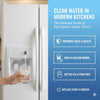
How Do Refrigerator Water Filters Improve Water Taste and Safety in Modern Kitchens
, by ABM Service, 16 min reading time
""Free Shipping on USA"" We do not provide any authorization invoice for amazon Resale.
, by ABM Service, 16 min reading time
Water from a fridge should taste clean, yet it often carries a strange smell or flavour that raises concern. Many households still rely on it without knowing what passes through each sip. A quality refrigerator water filter can remove unwanted particles and improve both taste and safety. This guide explains how filtration works and how a filter improves taste, smell, quality, and safety in simple steps.
The process of water filtration involves removing dirt, chemicals, and other unwanted particles from water through a filter. This process is important for clean taste and safe drinking water. A well working refrigerator water filter can improve water quality, remove bad odors, and give better tasting water for daily use at home, making each glass more refreshing and safe.
Water filtration does more than improve taste and smell it also improves overall water quality. Modern filtration systems target a variety of contaminants, including:
By removing these elements, filtration gives water that is safer and more stable in quality. This also helps protect household appliances, reduce scale buildup, and support better cleaning results with soaps and detergents.
What does filtered water taste like, and why do people say it tastes better than regular tap water? Filtered water often tastes cleaner and crisper because the filtration process removes impurities such as chlorine, sediment, and excess minerals that can affect flavor. As a result, it typically has a lighter, fresher taste compared to tap water, which may carry subtle metallic or earthy notes depending on its source and treatment process.
Filtered water tastes different from normal tap water because of what is removed during treatment. Tap water often contains additives and natural contaminants that affect its taste. These include chlorine, fluoride, heavy metals, and sediments, which can create a bitter or metallic flavour. Higher mineral content can also make the water taste harder and less smooth. This is why untreated water can sometimes feel unpleasant to drink.
Water filtration systems work by removing these impurities through different physical and chemical processes. Activated carbon filters absorb chlorine and improve taste and odor. Reverse osmosis systems go further by reducing dissolved salts, metals, and other microscopic particles.
Some systems also use multiple stages to ensure consistent quality. This combination helps produce safer and better tasting drinking water, making it cleaner, lighter, and more neutral compared to tap water.
When considering whether filtered water tastes better, the question often comes down to personal perception and water quality. In most cases, filtered water is perceived as having a cleaner and more refreshing taste compared to unfiltered tap water. This improvement in taste is mainly due to filtration systems removing chlorine, sediments, and other unwanted impurities. However, the extent of the difference can vary depending on the original water source and the type of filtration system used. Overall, while taste preference is subjective, many people find filtered water to be a more pleasant and consistent option.
Understanding the quality of your home’s water supply is essential for maintaining a safe and reliable drinking source. Residential water testing helps identify what is actually present in your water, including potential contaminants that are not visible, tastable, or detectable through smell. This process is important because it provides a clear foundation for choosing the right filtration solution and ensuring long-term water safety for household use.
One of the primary purposes of residential water testing is to detect chemical substances such as chlorine, lead, nitrates, and other dissolved compounds. These elements may enter the water supply through municipal treatment processes, aging pipelines, or environmental exposure. Testing helps homeowners understand whether these chemicals are within safe limits or require additional filtration measures.
Another important aspect of water testing involves checking for biological contaminants, including bacteria and other microorganisms. These can sometimes enter water systems through compromised infrastructure or natural sources. Identifying microbial presence is crucial for ensuring that the water is safe for consumption and does not pose health risks to household members.
Water testing also evaluates mineral content such as calcium, magnesium, and total hardness levels. While some minerals are beneficial, excessive amounts can affect taste, cause scaling in appliances, and reduce overall water quality. Knowing the mineral profile allows homeowners to decide whether conditioning or softening systems are needed.
Once test results are available, they should be carefully reviewed to determine the overall safety and quality of the water supply. This evaluation helps in identifying whether basic filtration is sufficient or if more advanced purification systems are required. It also ensures that homeowners make informed decisions based on accurate, data-driven insights rather than assumptions.
Professional water testing is recommended for a more comprehensive and accurate analysis, especially in areas where water quality is uncertain or variable. Experts can provide detailed interpretations and suggest appropriate filtration solutions based on specific findings. Regular testing is also advisable, as water conditions can change over time due to infrastructure updates or environmental factors.
Contaminants in residential water supplies can significantly alter both taste and smell, affecting overall water quality and daily usability. Chemical substances such as chlorine are commonly used in water treatment and often leave a noticeable chemical taste and slight odor in drinking water. Physical impurities like sediment and rust from ageing pipes can further introduce earthy or metallic flavours that reduce the freshness of water.
Filtered water provides advantages that extend well beyond simple drinking applications in everyday household use. It enhances cooking by improving the taste and quality of soups, coffee, tea, and other beverages that rely heavily on water as a base ingredient. In baking and food preparation, filtered water helps maintain recipe consistency by reducing the impact of chlorine and excess minerals that can alter texture and flavour.
Understanding the different types of refrigerator water filters is important for selecting the right system for effective water purification. Each filter type uses a distinct method to remove impurities and improve water quality. Categorizing them helps users compare performance, maintenance needs, and suitability for different household requirements.
Activated carbon filters are one of the most commonly used filtration types in refrigerators, designed primarily to improve taste and odor. They work by using porous carbon material to trap contaminants as water passes through the filter system.
Activated carbon operates through adsorption, where impurities stick to the surface of the carbon material. This process is effective in capturing chlorine, volatile organic compounds, and certain chemical residues present in water.
These filters significantly improve water taste and reduce unpleasant odors, making drinking water more refreshing. However, they are less effective at removing dissolved minerals, heavy metals, or microbial contaminants compared to advanced systems. Over time, their efficiency also decreases as the carbon becomes saturated.
Activated carbon filters are best suited for households primarily concerned with taste and basic chemical reduction. Regular replacement is necessary to maintain performance, as clogged carbon can reduce filtration efficiency and water flow.
Reverse osmosis systems provide a more advanced level of filtration by removing a wide range of dissolved impurities from water. They are commonly used in refrigerators or connected external systems where high purification standards are required.
This system works by forcing water through a semi-permeable membrane that blocks contaminants at the molecular level. It effectively separates impurities such as salts, heavy metals, and microscopic particles from clean water molecules.
Reverse osmosis delivers highly purified water with strong contaminant reduction capabilities, making it one of the most thorough filtration methods. However, it can waste some water during the process and may remove beneficial minerals along with harmful substances.
This system is ideal for households requiring high-level purification due to poor water quality or contamination concerns. Installation and maintenance are more complex compared to basic filters, requiring proper system care for consistent performance.
Ion exchange filters are designed to specifically target dissolved mineral ions in water, particularly hardness-causing elements. They are often used to improve water quality where scaling or mineral buildup is a concern.
These filters work by exchanging unwanted ions such as calcium and magnesium with safer sodium or potassium ions. This chemical exchange process helps soften water and reduce mineral concentration.
Ion exchange systems are effective at reducing water hardness, which helps prevent scaling in appliances and improves water usability. However, they do not remove many chemical or biological contaminants, limiting their use as a standalone purification solution.
They are best suited for areas with hard water issues rather than general contamination problems. Regular regeneration or replacement of the ion exchange medium is required to maintain effectiveness over time.
Choosing the right refrigerator water filter is important for ensuring clean, safe, and good-tasting drinking water. Different filters vary in performance, compatibility, and lifespan, so understanding key factors helps you make a more informed and practical decision.
Understanding what impurities you need to filter is the first step in selecting the right option. Different water supplies contain different contaminants, and not all filters are designed to handle the same issues.
Common contaminants include chlorine, sediment, lead, and volatile organic compounds (VOCs). These substances can affect both safety and taste, depending on your local water source.
A filter’s effectiveness depends on what it is designed to remove. Activated carbon filters, for example, are effective for chlorine and odor, while advanced multi-stage filters can target a broader range of contaminants.
Filtration efficiency determines how well a filter removes impurities from water while maintaining steady flow and performance over time. It directly impacts water quality and user satisfaction.
The micron rating indicates the size of particles a filter can capture. Lower ratings typically mean finer filtration, which improves water purity but may reduce flow rate.
Filters certified by organizations such as NSF ensure tested performance claims. These certifications confirm that the filter meets specific safety and contaminant reduction standards.
The lifespan of a filter affects both convenience and long-term cost. Regular replacement is necessary to maintain consistent water quality and prevent clogging or bacterial buildup.
Most refrigerator filters last between 3 to 6 months, depending on water usage and contamination levels. Longer-lasting filters reduce replacement frequency but may cost more initially.
Proper replacement schedules and simple installation processes make maintenance easier. Neglecting timely changes can reduce filtration efficiency and impact water taste.
Compatibility ensures that the filter fits and works correctly with your refrigerator model. An incompatible filter may not install properly or could lead to leaks and poor performance.
Each refrigerator brand often requires specific filter models. Checking manufacturer recommendations helps avoid installation issues and ensures optimal performance.
Filters must align properly with the housing unit. A secure fit prevents water bypass and ensures that all water passes through the filtration system effectively.
Choosing the right refrigerator water filter can significantly improve the taste and quality of your drinking water. With various models offering different levels of filtration and contaminant reduction, selecting a reliable option ensures both safety and better flavor. Below are some top-rated filters known for enhancing taste while maintaining strong purification performance.
EveryDrop by Whirlpool is a widely trusted filter certified to reduce a broad range of contaminants, including lead, pesticides, and pharmaceuticals. It is designed to significantly improve water taste and odor while maintaining consistent filtration performance for everyday use.
Key Features
EveryDrop uses advanced multi-stage activated carbon filtration to capture impurities that affect water quality. Its NSF certification confirms tested contaminant reduction, making it a reliable choice for improving taste and ensuring safer drinking water.
The filter is designed for straightforward installation with a simple twist-and-lock mechanism. Replacement is typically required every six months, depending on usage, helping maintain consistent water flow and filtration efficiency without complex upkeep.
Consumers frequently report noticeable improvements in water taste and odor after installation. Many users highlight its reliability and consistent performance, especially in households with high daily water consumption.
The Samsung HAF-QIN filter is engineered to provide high-level filtration for select Samsung refrigerator models, focusing on improving both taste and overall water purity. It effectively reduces chlorine and other common impurities that affect drinking water quality.
This filter uses a high-grade carbon block system to trap contaminants while preserving essential water flow. It is NSF-certified, ensuring reliable reduction of harmful substances that can alter taste and odor.
Installation is designed to be tool-free, allowing users to replace the filter quickly without technical assistance. It generally requires replacement every six months to maintain optimal filtration performance.
Users often note a cleaner, fresher taste in drinking water after installation. It is also praised for its consistent performance and ease of use within compatible Samsung refrigerator systems.
The LG LT1000P is designed to deliver high-quality filtration while improving the overall taste and clarity of drinking water. It targets multiple contaminants, including chlorine, for a noticeably fresher water experience.
Featuring a premium carbon block structure, this filter reduces a wide range of impurities while maintaining strong water flow. Its NSF certification supports verified contaminant reduction and improved taste quality.
The filter is designed for quick installation with a push-and-lock mechanism. It typically requires replacement every six months, ensuring consistent filtration and preventing performance decline over time.
Many users report a significant improvement in water freshness and clarity. It is also recognized for its dependable performance and compatibility with selected LG refrigerator models.
Maintaining clean and safe drinking water from your refrigerator requires consistent care and attention to your filtration system. By following a few essential maintenance practices, you can ensure better-tasting water, improved safety, and long-term efficiency of your appliance.
Replacing your refrigerator water filter on time is one of the most important steps in maintaining water quality. Over time, filters become saturated with contaminants, reducing their ability to effectively purify water.
Sticking to the manufacturer’s recommended replacement schedule helps ensure that your filter continues to perform at its best. A clogged or outdated filter can allow impurities such as chlorine, sediments, and odors to pass through, negatively affecting both taste and safety.
Keeping your refrigerator clean plays a key role in preserving water quality. The water system and surrounding areas can accumulate dirt, bacteria, or mold if not properly maintained.
Regularly cleaning the interior compartments, water dispenser, and ice chute helps prevent the growth of harmful microorganisms. This not only protects the freshness of your water but also ensures that no external contaminants interfere with the filtration process.
Changes in water flow or taste can be early indicators of filter issues or system problems. Paying attention to these signs helps you address issues before they affect overall water quality.
A noticeable drop in water pressure or an unusual taste often signals that the filter is nearing the end of its lifespan. Identifying these changes early allows timely replacement, ensuring your water remains clean, fresh, and safe for daily consumption.
Experience cleaner, better-tasting water every day with Precipfilter’s advanced home water filtration system. Say goodbye to unpleasant tastes, unwanted odours, and the dull quality of untreated tap water.
Precipfilter uses high-efficiency filtration technology designed to reduce common impurities, chemicals, and contaminants that affect the natural taste of your water. The result is noticeably fresher, smoother, and more enjoyable water straight from your tap.
Enjoy the confidence of knowing every glass delivers crisp, refreshing hydration for you and your family. Upgrade your home water experience with Precipfilter today and taste the difference from the very first sip.


