
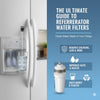
2026 Complete Refrigerator Water Filters Buying Guide
, by ABM Service, 15 min reading time
""Free Shipping on USA"" We do not provide any authorization invoice for amazon Resale.
, by ABM Service, 15 min reading time
Water from your fridge may look clean, but hidden dirt and bad taste can still slip through. Many filters miss small bits or lose power over time, and most people never notice the change. I wrote this guide to help you pick the right filter with clear steps, so you get safe, fresh water every day. You will learn how filters work, what they remove, and how to choose one that fits your fridge. Keep reading, and I will walk you through each part step by step.
A refrigerator water filter helps clean tap water before it reaches the glass. It uses three steps: particle filtering, micro filtering, and absorption filtering.
Water first passes through particle filtering where large dirt and sand get trapped, then it moves through micro filtering that catches smaller bits, and finally it goes through absorption filtering that reduces chemicals and odors.
Coconut shells often make the carbon inside these filters because they stay natural and safe. Compared to coal-based filters, coconut shell carbon gives better taste and fewer odors. This helps water taste cleaner and removes bad smell, which improves drinking quality.
Particle-filtration is the first step in a refrigerator water filter where water passes through a fine layer that blocks larger solid particles. It works by trapping sand, rust, and silt as water flows through the filter surface. This step removes visible dirt from water and helps improve clarity before deeper cleaning begins.
Micro-filtration is the second step in a refrigerator water filter where water passes through a finer layer after the first stage. It works by trapping smaller particles like fine dust and tiny impurities, which helps make the water clearer and cleaner.
In the final filtration phase, water moves through a carbon layer where tiny contaminants like chemicals, odors, and dissolved particles are removed by adsorption inside the filter media. This phase improves water taste and smell by reducing unwanted substances, resulting in cleaner and fresher drinking water.
These filters improve water taste and smell by removing common impurities found in tap water.
Refrigerator water filters are designed to improve drinking water quality by removing impurities that often affect taste, smell, and safety in households daily. Clean water is important for everyday health because contaminants from tap water can build up in the human body over time. This is why using a refrigerator water filter becomes essential for households today.
One major benefit of refrigerator water filters is noticeably improved taste and odor in drinking water daily. Filters remove chlorine and other chemicals that often cause unpleasant smells in water systems used. This process ensures every glass of water tastes fresher, making it more enjoyable for daily drinking at home and family use overall.
Refrigerator water filters help reduce harmful contaminants that may be present in tap water supplies regularly used. These include chlorine, lead, pesticides and other particles that can affect overall water safety levels found.
Advanced filtration systems work through multiple stages to capture even microscopic contaminants, ensuring safer water for drinking, cooking and everyday household use without changing natural mineral balance in most cases, overall health benefits included.
Filtered water supports better daily health and overall well-being. Reducing exposure to harmful substances helps lower the risk of stomach issues and other water-related illnesses over time.
Clean filtered water also encourages better hydration habits for both children and adults in households in everyday life. Safe drinking water is essential for long-term family wellness every single day.
Using a water filter helps reduce scale buildup inside your refrigerator water system components effectively. This keeps internal parts cleaner and reduces strain on the appliance which improves long-term performance significantly over time.
Regular filtration prevents clogging and buildup that can shorten appliance life and lead to costly repairs or replacements later in many homes.
Refrigerator water filters offer an affordable way to maintain clean drinking water at home every single day. Instead of buying bottled water regularly, households save money while enjoying easy access to safe, filtered water directly from their refrigerator dispenser anytime, without extra effort needed.
Understanding the different types of refrigerator water filters helps you identify which option best suits your appliance and water purification needs. These filters differ in design, compatibility, and filtration performance, making each type suitable for specific refrigerator models and usage requirements.
Inline filters are installed directly on the water line between the refrigerator and the water supply to provide continuous filtration. They offer versatile compatibility with many refrigerator models but require proper installation to function correctly and may need professional setup for best performance.
Built-in filters are integrated inside the refrigerator unit and used for internal water purification. They are popular for their convenience, offering easy maintenance and consistent filtration performance for everyday use.
Universal filters are designed to fit multiple refrigerator models, providing flexible compatibility and convenient replacement options for users.
Choosing the right refrigerator water filter can feel confusing, but following a few simple steps helps you find the best option for your needs and appliance.
Start by locating your refrigerator’s model number, usually found inside the door or on the manufacturer label. This number ensures you select a filter specifically designed for proper fit and optimal performance. Using the wrong filter may lead to poor filtration results or installation issues over time.
OEM filters are made by the original manufacturer and are designed for exact compatibility with specific refrigerator models. They often provide reliable performance and meet brand standards, making them a trusted option for consistent filtration quality.
Generic filters are produced by third-party companies and are usually more affordable than OEM alternatives. While they can offer similar filtration capabilities, compatibility and performance may vary depending on the brand and product quality.
Evaluate the filter’s ability to remove contaminants by checking its micron rating and filtration capacity. Lower micron ratings typically indicate finer filtration and better contaminant removal. This helps ensure cleaner, safer drinking water for daily use.
NSF certification indicates that the filter has been tested and meets established safety and performance standards. Choosing certified filters ensures reliable contaminant reduction and trustworthy water quality.
Most refrigerator water filters need replacement every six months to maintain effective filtration and water quality.
Always check manufacturer guidelines, as usage levels and water conditions can affect how often filters should be replaced.
Choose a filter that is easy to install without requiring special tools or technical knowledge. Simple installation saves time and ensures you can replace the filter quickly when needed.
Ensure the filter is made from food-grade, BPA-free materials to maintain safe and clean drinking water quality.
Look for filters designed with secure seals and durable construction to prevent leaks during use. A leak-free design protects your refrigerator system and ensures consistent water flow without potential damage or maintenance issues.
Most manufacturers recommend replacing your refrigerator water filter every six months for consistent water quality and performance. Reports on household water systems indicate that filtration efficiency can decline noticeably after extended use.
Many users only notice the issue when water flow slows or taste changes slightly over time. The general recommendation is to replace the filter regularly rather than waiting for visible problems to appear. Understanding the warning signs can help you maintain better water quality throughout the year.
Low water pressure is often one of the first signs that a filter is becoming clogged. As contaminants build up inside the filter, water flow becomes restricted and slower at the dispenser. This reduced flow indicates that the filter is no longer working efficiently and should be replaced soon to restore normal performance.
Changes in water taste or smell usually suggest that the filter is no longer effectively removing impurities. Over time, trapped contaminants can affect water quality and produce noticeable odor or flavor differences. When this happens, replacing the filter helps restore clean and fresh-tasting water for daily use.
A decrease in ice production can occur when a filter becomes blocked or overused. Restricted water flow limits how quickly the ice maker can fill and freeze water. This slowdown signals that the filter is struggling to perform and likely needs replacement to maintain normal ice output.
Cloudy water or visible particles are clear signs that the filter is no longer providing proper filtration. As the internal media wears out, it becomes less effective at trapping contaminants. Replacing the filter at this stage is important to ensure safe and clean drinking water.
Maintaining your refrigerator water filter is important for ensuring consistent water quality and proper appliance performance. Over time, filters naturally accumulate contaminants and lose efficiency, which can affect taste, flow, and safety. Following regular maintenance practices helps you extend filter life and avoid common water-related issues in your refrigerator.
You should replace your refrigerator water filter every six months to maintain clean and safe water. Over time, filters become clogged with impurities, reducing their effectiveness and water flow. Regular replacement ensures consistent filtration performance and prevents buildup-related issues.
Always flush a new filter with water before regular use to remove trapped air and loose carbon particles. This step helps improve water clarity and taste from the beginning. Proper flushing also ensures the filter operates at full efficiency.
Cleaning the filter housing helps prevent dirt and residue from affecting new filters. Wipe the compartment with a soft cloth before installing a replacement. This simple step ensures a secure fit and better long-term performance.
Pay attention to changes in taste, odor, or water clarity as they often signal filter decline. When you notice any difference, it may indicate that the filter is nearing the end of its lifespan. Acting early helps maintain safe and consistent water quality.
Make sure the filter is installed correctly and securely locked in place after replacement. Improper installation can lead to leaks or reduced filtration performance. A properly fitted filter ensures smooth operation and reliable water flow.
Understanding quality and certification standards helps you choose refrigerator water filters that deliver safe and reliable drinking water. Certifications indicate that a filter has been tested for contaminant reduction, material safety, and overall performance under regulated conditions. Without these standards, it becomes difficult to judge whether a filter meets basic health and safety expectations.
Several certification bodies evaluate refrigerator water filters to ensure they meet strict performance and safety requirements. These standards focus on contaminant reduction claims, structural safety, and material quality.
NSF certification confirms that a water filter has been independently tested for contaminant removal and material safety. It verifies that the filter performs as advertised under controlled conditions. This certification is widely recognized as a baseline for trustworthy filtration performance.
ANSI standards work alongside NSF requirements to ensure consistent testing methods and product reliability. They help validate that filters meet established engineering and safety benchmarks. Together, they strengthen confidence in the product’s overall quality.
NSF/ANSI 42 focuses on aesthetic improvements like chlorine taste and odor reduction, while NSF/ANSI 53 targets health-related contaminants such as lead and heavy metals. Filters meeting both standards provide broader protection and better overall water quality.
Some filters may also carry certifications like NSF P473 or NSF P401, which address emerging contaminants and pharmaceutical residues. While not always required, these certifications indicate advanced filtration capabilities beyond basic standards.
NSF certification alone is often sufficient for basic household water filtration needs. However, higher-risk water conditions may require filters with additional certifications for broader contaminant coverage. Choosing the right level depends on your local water quality and usage requirements.
Independent lab testing reports and third-party validation can also support a filter’s credibility. These documents provide extra assurance when certifications alone are not fully comprehensive. They help confirm real-world performance beyond manufacturer claims.
Always prioritize filters with recognized certifications to ensure safe and reliable water quality. Combining certification standards with your household needs helps you select the most effective and trustworthy refrigerator water filter.
1. What are the benefits of a refrigerator water filter?
Refrigerator water filters help improve the taste and odor of drinking water by reducing common contaminants such as chlorine, sediment, and other impurities. They also help ensure cleaner, better-quality water and ice.
2. Why do I need to replace my refrigerator water filter?
Over time, filters become clogged with contaminants and lose their effectiveness. Replacing them regularly ensures optimal filtration performance and maintains water quality.
3. Where can I buy replacement refrigerator filters? Should I buy them from the manufacturer?
You can buy replacement filters from the manufacturer, appliance stores, or trusted third-party sellers. Manufacturer filters guarantee compatibility, while certified compatible filters can offer a more affordable alternative.
4. What is the difference between brand-name filters and Tier1 filters?
Brand-name filters are made by the original refrigerator manufacturer, while Tier1 filters are third-party alternatives designed to match performance and compatibility standards, often at a lower cost.
5. How do I install a new refrigerator water filter?
Most refrigerator filters are designed for easy installation. Typically, you remove the old filter, insert the new one into the designated slot, and secure it according to the manufacturer’s instructions.
6. Can I reuse or clean my refrigerator water filter?
No, refrigerator water filters are not designed to be reused or cleaned. Once they reach their lifespan, they should be replaced to ensure proper filtration.
7. How do I know which refrigerator water filter is compatible with my fridge?
Check your refrigerator model number, usually located inside the fridge or on the door frame, and match it with the correct filter listed in your appliance manual or product guide.
8. Why is a refrigerator water filter important?
It helps ensure the water and ice from your refrigerator are cleaner, better tasting, and safer by reducing impurities commonly found in tap water.
9. What happens if I don’t replace my refrigerator water filter on time?
A clogged filter can reduce water flow, affect taste, and allow contaminants to pass through, reducing overall water quality.
10. Can I use my fridge without a water filter?
Some refrigerators may allow bypassing the filter, but doing so means unfiltered water will be dispensed, which may affect taste and safety.
11. Can I use any refrigerator water filter in my fridge?
No, you should always use a filter that is compatible with your refrigerator model to ensure proper fit and effective filtration.
12. Are refrigerator water filters safe for people with allergies?
Yes, most refrigerator water filters help reduce common irritants like chlorine and sediment, but they are not specifically designed to remove allergens.
13. How long does a refrigerator water filter last?
Most filters last about 6 months, but lifespan can vary depending on water usage and water quality.
14. Do refrigerator water filters remove Cryptosporidium?
Some high-quality filters can reduce Cryptosporidium, but not all filters are certified for this. Always check the product’s certification standards (such as NSF ratings).


