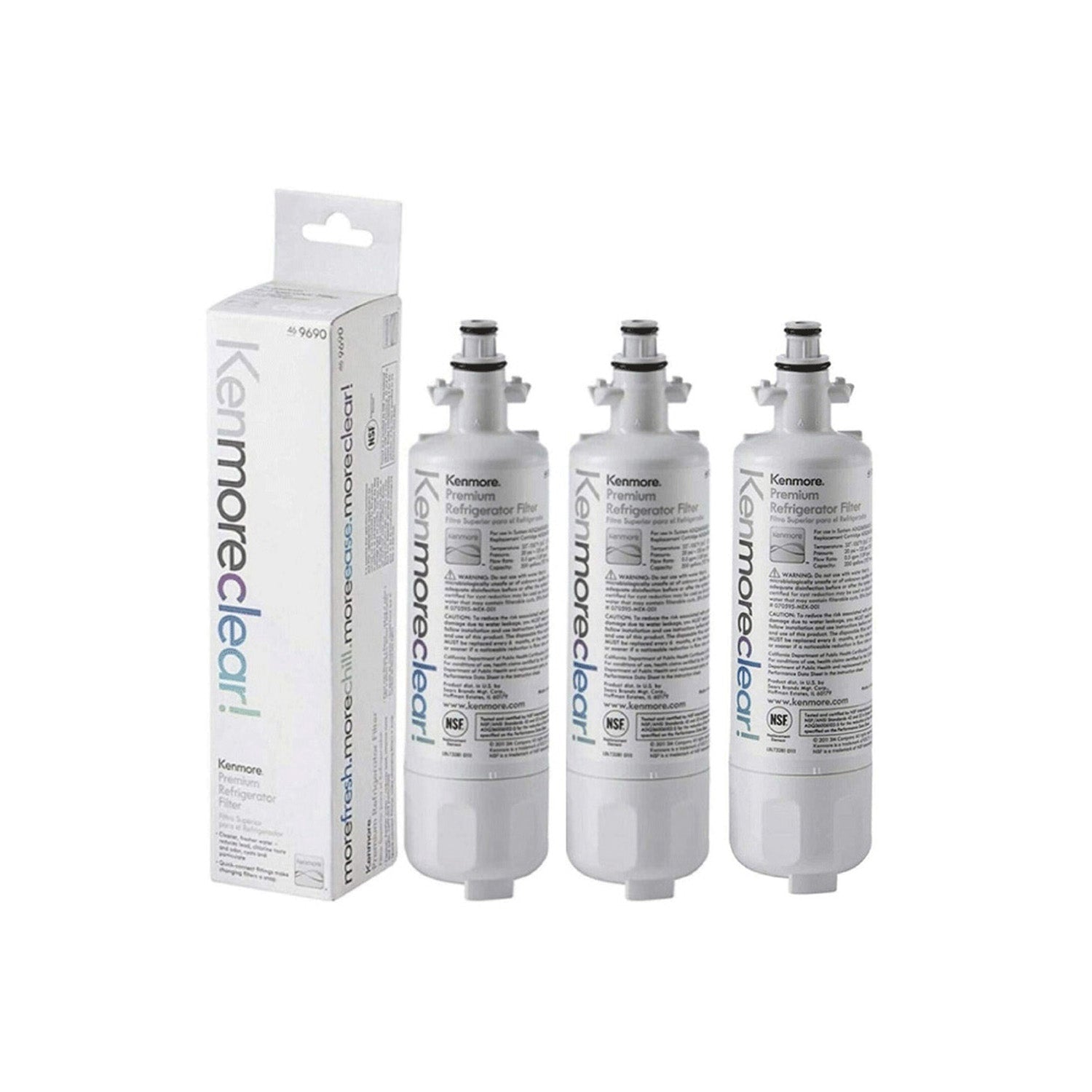
Unused water filters need proper care to stay clean and safe for later use. Poor storage can cause odor, dirt buildup, and lower filter performance over time. We will show simple steps to store different filter types and avoid common mistakes. Clean drying and safe sealing help keep filters ready when you need them again. Good storage habits also help extend the life of cartridges and reduce waste. Follow the right steps based on filter type to avoid damage during long breaks. Proper care keeps water quality consistent later again.
Why Leaving a Water Filter in Standing Water Can Cause Contamination
Water filtration systems are highly effective at capturing a wide range of impurities, but prolonged exposure to stagnant water can create conditions that encourage bacterial growth. Because filters often collect microorganisms and organic debris such as sediment, dirt, and bacteria, moisture left behind during periods of inactivity can allow microbes to multiply within the filter media.
This concern becomes even greater when filtering untreated or natural water sources. If the filter is not used or properly flushed on a regular basis, trapped bacteria can build up over time, potentially affecting the quality of the water once the system is put back into use.
The issue is not limited to untreated water. Filters connected to municipal water supplies can also experience microbial growth when left sitting in stagnant water, particularly in warm environments or areas exposed to direct sunlight. The longer a filter remains unused, the higher the likelihood of contamination, making proper storage and maintenance an important part of protecting water quality.
Using Municipal Water with Chlorine Treatment?
During a month-long trip overseas, I left the cartridges installed in my countertop filtration unit. Once I returned, I ran chlorinated municipal water through the entire system for around 10 minutes before using it again.
If your home is supplied with treated city water, the chlorine or chloramine already present can provide an added layer of protection. These disinfectants may help reduce minor bacterial growth that could develop while the system sits unused.
For multi-stage filters, it’s a good idea to position the chlorine-removal cartridge at the end of the filtration sequence. This allows the disinfected water to pass through the rest of the system before the chlorine is removed.
After returning home, I temporarily rearranged the cartridges so chlorinated water could flow through the fluoride media before reaching the chlorine-removal stage.
Using this approach can help keep the filtration system cleaner during extended periods without regular use or flushing.
Storing Filter Cartridges During Extended Periods Away
When a filter system won’t be in use for an extended time, taking the cartridges out and allowing them to dry can be a practical storage option but only if they are able to dry thoroughly before being stored.
Many filter cartridges are designed with dense, enclosed materials that restrict airflow. Because of this, complete drying may require several weeks, especially in humid environments, so plan ahead if you choose this method.
To encourage faster drying, keep the cartridges in a dry, airy location with good ventilation and indirect natural light, or position a fan nearby to improve air circulation. Avoid exposing them to direct heat from appliances or heating equipment, as excessive temperatures can harm the filter media.
Any remaining moisture inside the cartridge can create ideal conditions for mould or microbial growth once it is sealed away. For that reason, storing a partially dried filter may present a greater risk than leaving it installed in a system that contains chlorinated water.
Follow Manufacturer Guidance Before Storing Water Filter Cartridges
Before putting your water filtration system into storage, review the manufacturer’s recommendations whenever they are available. Some filters include clear instructions for long-term storage, while others may offer only limited information. If no specific guidance is provided and the system will remain unused for an extended period, it’s important to prepare the cartridges yourself by thoroughly drying them.
Allowing the cartridges to dry completely helps reduce the risk of mould growth, bacterial contamination, and lingering odours while the filter is not in use. After all moisture has been removed, place the cartridges in a sealed airtight bag or storage container to keep them protected until they are needed again.
Drying Water Filter Cartridges for Safe Storage When Manufacturer Guidance Isn’t Available
Before putting any water filter into storage, it is best to look for any guidance supplied by the manufacturer. Trusted filter manufacturers often outline the correct procedures for drying, storing, and caring for their cartridges when the system will not be used for an extended period.
Using the manufacturer’s recommendations helps preserve the filter’s effectiveness and can extend the overall lifespan of the cartridge. It may also protect any warranty coverage associated with the product. Whenever specific instructions are available, they should be followed ahead of general storage practices, since different filter systems and cartridge materials can require different handling methods.
Don't Forget: Shut Off Your Water Filter Before Going Away
If you’re planning to be away from home for a while, one of the smartest steps you can take is to switch off the water supply to your filtration system before you leave.
Leaving a filter connected to constant mains pressure for long periods can expose it to unnecessary strain. Sudden pressure fluctuations, water hammer events, or unexpected spikes in supply pressure may increase the risk of leaks or component damage. Even when a high-quality system is fitted with a pressure-reducing valve, avoiding prolonged pressurisation is still a sensible precaution.
Before heading out, simply close the isolation valve that supplies water to the filter. This quick and easy measure can help protect your system from potential failures, prevent water damage, and give you greater peace of mind while you’re away. It’s a minor task that can make a significant difference in maintaining the reliability of your filtration setup.
Proper Storage Methods for Water Filters During Periods of Non-Use
Because different filtration systems are designed differently, the best way to store them can vary depending on the filter type. Follow the appropriate storage method below to help maintain filter performance while the system is not being used.
Travel and Portable Water Filters
- Start by reviewing the manufacturer's recommended storage procedures.
- For periods of inactivity longer than two weeks, these compact filters can generally be dried completely before storage.
- After they are fully dry, place them in a sealed container or airtight bag and keep them in a cool, dry location away from humidity.
- Mark the storage container with the date the filter was dried and include any reminders for maintenance before future use.
Caravan Water Filters
- Consult the product manual to confirm any storage or drying requirements specific to your filter.
- When the system is unused for a month or more, remove the cartridges and allow them to dry thoroughly.
- Store the dried cartridges in airtight packaging and keep them in an area protected from moisture.
- For extended storage, adding desiccant packets can help minimize the chance of moisture buildup.
Preparing Water Filter Jugs, Bottles and Gravity Units for Long-Term Storage
- Check the manufacturer's instructions before preparing the system for storage.
- If the filter will not be used for at least a month, remove the cartridge and ensure it is completely dry.
- Place the dried cartridge in a sealed bag or container and store it in a dry environment to prevent unwanted moisture absorption.
- Before putting the system back together, thoroughly clean the jug, bottle, or filter housing.
Storage Tips for Under-Sink Filtration Systems
- Begin by shutting off the system to release any remaining water pressure.
- For long periods without use, remove the filter cartridges and allow them to dry completely.
- Once dry, place the cartridges in an airtight container and keep them in a clean, dry storage area.
- Clearly label each cartridge so it can be returned to the correct position during reinstallation.
Reverse Osmosis Filtration Units
- Switch off the system and drain the reverse osmosis storage tank.
- If the unit will remain unused for a month or longer, remove the cartridges and dry them thoroughly.
- Store the cartridges in a sealed bag or airtight container to protect them from moisture and contamination.
- If storage conditions are uncertain, replacing the post-carbon filter before restarting the system may be a good precaution.
Long-Term Storage Guidelines for Whole House Filters
- Turn off the incoming water supply connected to the filtration system.
- Activate the bypass valve, if your system includes one.
- For storage periods exceeding a month, remove the filter cartridges and allow them to dry fully.
- Keep the dried filters in a clean, sealed container stored in a dry, moisture-free location.
What to Do With Your Water Filter System After Returning Home
No matter how your filtration setup was left before you departed, giving the system a thorough flush when you return is an important first step. Run mains water through the unit for a minimum of 10 minutes to help remove any stagnant water and reduce the risk of bacterial growth. Be sure to follow the flushing procedure recommended by the manufacturer for your particular system.
For filtration systems fitted with carbon-based cartridges, extra flushing is often required because carbon media can trap sediment and support bacterial accumulation over time. Always flush in the correct flow direction and, where available, use clean chlorinated water to achieve the best results.
Should you notice unusual odours, unpleasant tastes, or any change in water quality after flushing, replacing the filter cartridge is generally the most reliable option.
Key Takeaways on Proper Water Filter Storage and Maintenance
Properly storing a water filtration system while it’s not being used can make a big difference in its performance and lifespan. Taking the right precautions helps reduce the risk of contamination, protects the filter components and ensures your system is ready to deliver safe, fresh water when you need it again.
In general, it’s best to follow the storage instructions provided by the manufacturer, make sure the unit is thoroughly dried and securely protected and flush the system before regular use resumes. With a little preparation before you leave, you can relax during your trip knowing your water filter will remain in good condition until you return.
Conclusion
If you'll be away from home for an extended period, taking care of your water filter beforehand can help prevent unwanted bacterial growth and preserve its performance. Whether the filter remains connected or is removed for drying, proper preparation helps keep the system hygienic.
Different filtration systems require different storage approaches. Benchtop units, portable filters, and whole-house systems may each have specific drying and storage recommendations, so it is important to follow the instructions provided by the manufacturer.
Once you return, clean water should be run through the system before regular use. Flush chlorinated water through the filter for at least 10 minutes to clear away any potential microbial buildup and help maintain safe water quality.
FAQ
Can You Leave a Water Filter Installed While You're Away on Holiday?
Yes, in many cases, you can leave a water filter installed during a short holiday. However, if the filter sits unused for an extended period, stagnant water inside the cartridge can encourage bacterial growth and affect water quality. For longer absences, it's often recommended to remove, clean, and properly store the filter according to the manufacturer's instructions.
How Should You Dry a Water Filter Before Storing It?
Before storing a water filter, disconnect it from the system and allow excess water to drain completely. Gently shake out any remaining water and leave the filter in a clean, well-ventilated area until it is as dry as possible. Drying times vary depending on the filter type, so always follow the manufacturer's guidance where available.
Can You Store a Damp Water Filter in a Sealed Bag or Container?
Generally, no. Storing a damp filter in a sealed environment can trap moisture and create conditions that promote mould, mildew, or bacterial growth. Unless the manufacturer specifically recommends sealed storage, it's best to ensure the filter is thoroughly dry before placing it in a storage bag or container.
How Long Can a Water Filter Be Stored Before It Needs Replacing?
The storage life of a water filter depends on the filter material and manufacturer recommendations. Even unused filters may have a shelf-life limit, so check the packaging or product documentation. If a stored filter shows signs of damage, contamination, or deterioration, replace it before use.
Do You Need to Flush a Water Filter After Reinstalling It?
Yes, most filters should be flushed after being reinstalled. Running water through the filter helps remove any trapped air, loose carbon particles, or contaminants that may have accumulated during storage. Follow the flushing instructions provided by the manufacturer for best results.