What You’ll Learn in This Guide
-
Detects causes of bad refrigerator water taste by checking filter, installation, system issues.
-
Resolve contamination and flavor issues by properly reinstalling and flushing the refrigerator water system.
-
Prevent recurring taste problems through correct filter selection and regular replacement maintenance schedules.
Metallic tastes or a chlorinated smell from your refrigerator water can be frustrating, especially after you install a new filter to improve water quality. Many homeowners expect cleaner, better-tasting water right away, only to notice an odd flavor or smell instead. Trapped air, carbon dust, an incorrect setup, old water lines, or water that sat inside the system for too long can all affect the taste and odor of your drinking water. Checking the right areas can help you find the cause and fix the issue without replacing parts too soon.
How to Identify the Source of Bad Refrigerator Water Taste
Bad-tasting refrigerator water often points to a few clear and traceable causes inside the water system. Most issues fall into three main areas: the water source, the refrigerator filter, or the refrigerator components themselves. A quick check of whether other taps in the home also show the same taste helps narrow the problem. If the taste appears everywhere, the issue likely starts with the household water supply rather than the refrigerator.
The first major category involves water quality coming from the home supply. Chlorine, minerals, and sediment can already be present in tap water before it reaches the refrigerator. Municipal treatment chemicals may also create a slight chemical or metallic taste. If multiple fixtures show the same flavor, the issue usually connects to the source water rather than internal refrigerator parts.
The second category focuses on the water filter and its condition over time. A clogged or expired filter can reduce carbon effectiveness, allowing odors and impurities to pass through. Loose installation, damaged seals, or trapped air can also affect water flow and taste. In some cases, carbon fines from a new filter may temporarily cause a gritty or slightly off flavor until the system is fully flushed.
The final category involves internal refrigerator system issues that are less common but more serious. Contaminated water lines, worn O-rings, or slow internal leaks can introduce stale or plastic-like tastes. Reduced ice production or inconsistent water flow often signals these problems. When multiple symptoms appear together, the system may require inspection or part replacement to restore proper water quality.
How to Restore Proper Filter Performance
If your refrigerator water filter is not performing as expected, the issue may be related to installation or preparation rather than the filter itself. A few simple steps can often restore proper operation. Preparing the filter correctly, removing trapped air, and allowing the system to prime can improve water flow and filtration performance. Following these practices helps ensure cleaner water, fewer interruptions, and a more reliable filtering system.
Before evaluating filter performance, flush the system according to the manufacturer's recommendations. Running several gallons of water through the new filter helps remove loose carbon particles, manufacturing residues, and trapped air from the filtration system. During this process, you may notice temporary cloudiness, small black specks, or slight changes in taste. These conditions are typically normal and should disappear after sufficient flushing, resulting in clearer water and more consistent performance.
Avoiding Common Refrigerator Filter Installation Mistakes
When installing a refrigerator water filter, insert it carefully and tighten it only as directed by the manufacturer. Avoid forcing the filter into place or over-tightening it, as this can damage components and create leaks. If water begins dripping after installation, inspect the filter connection and verify that the O-ring is properly seated. Removing and reinstalling the filter often resolves minor alignment issues and restores a secure seal.
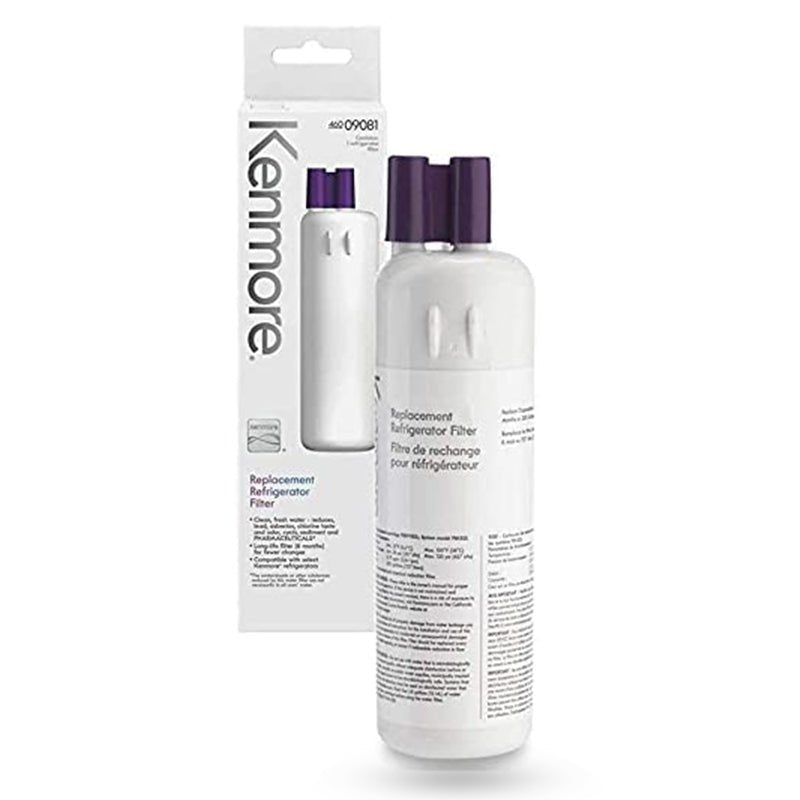
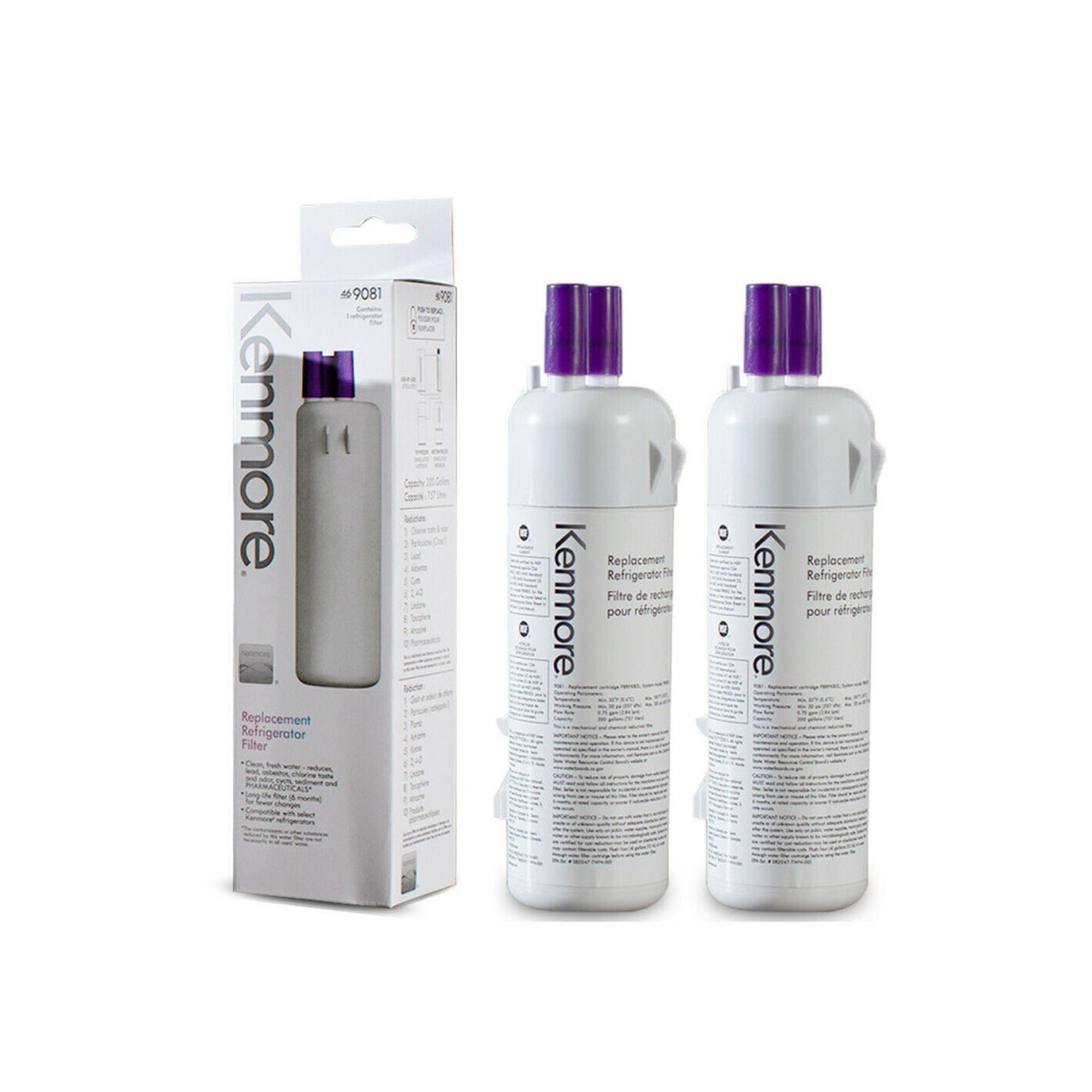
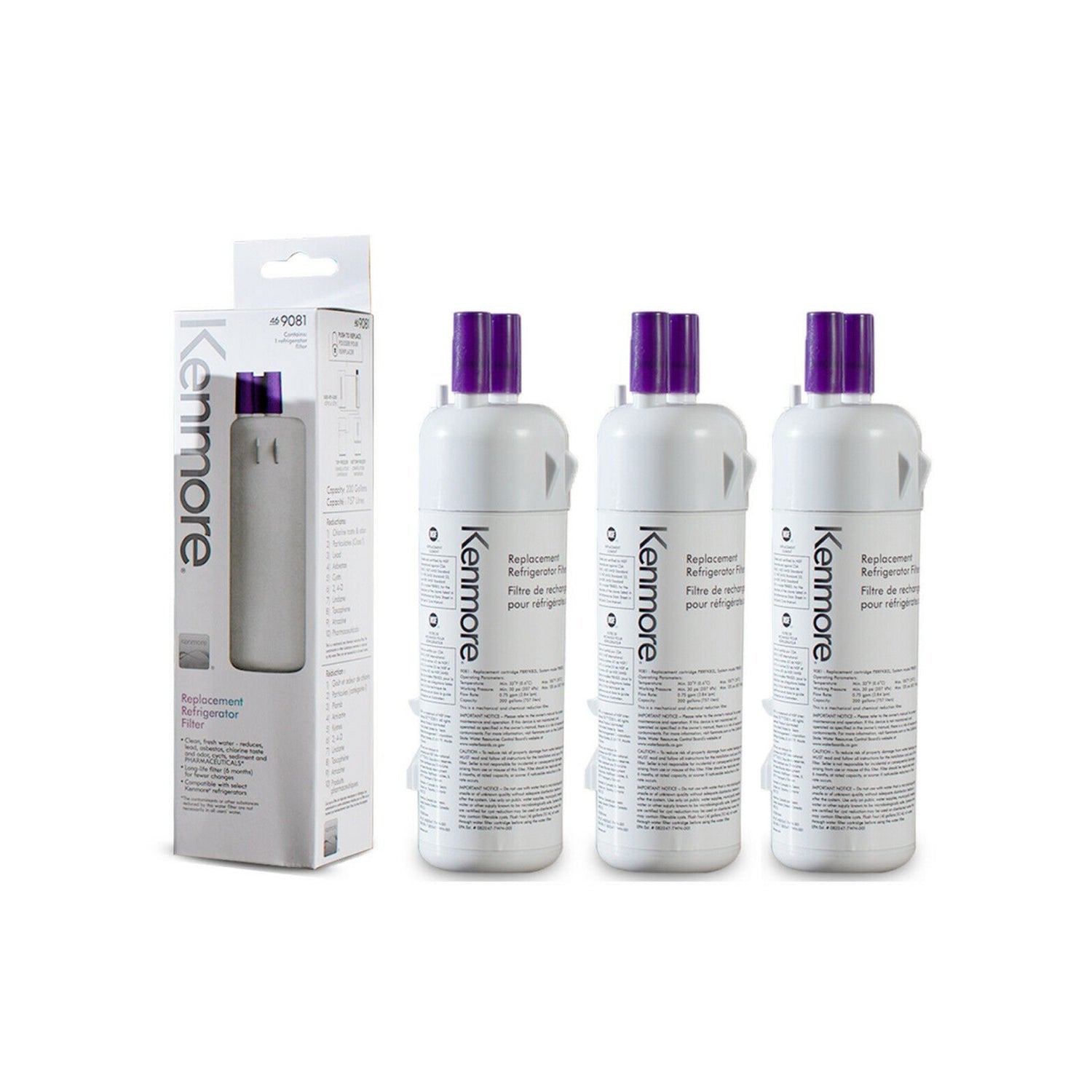
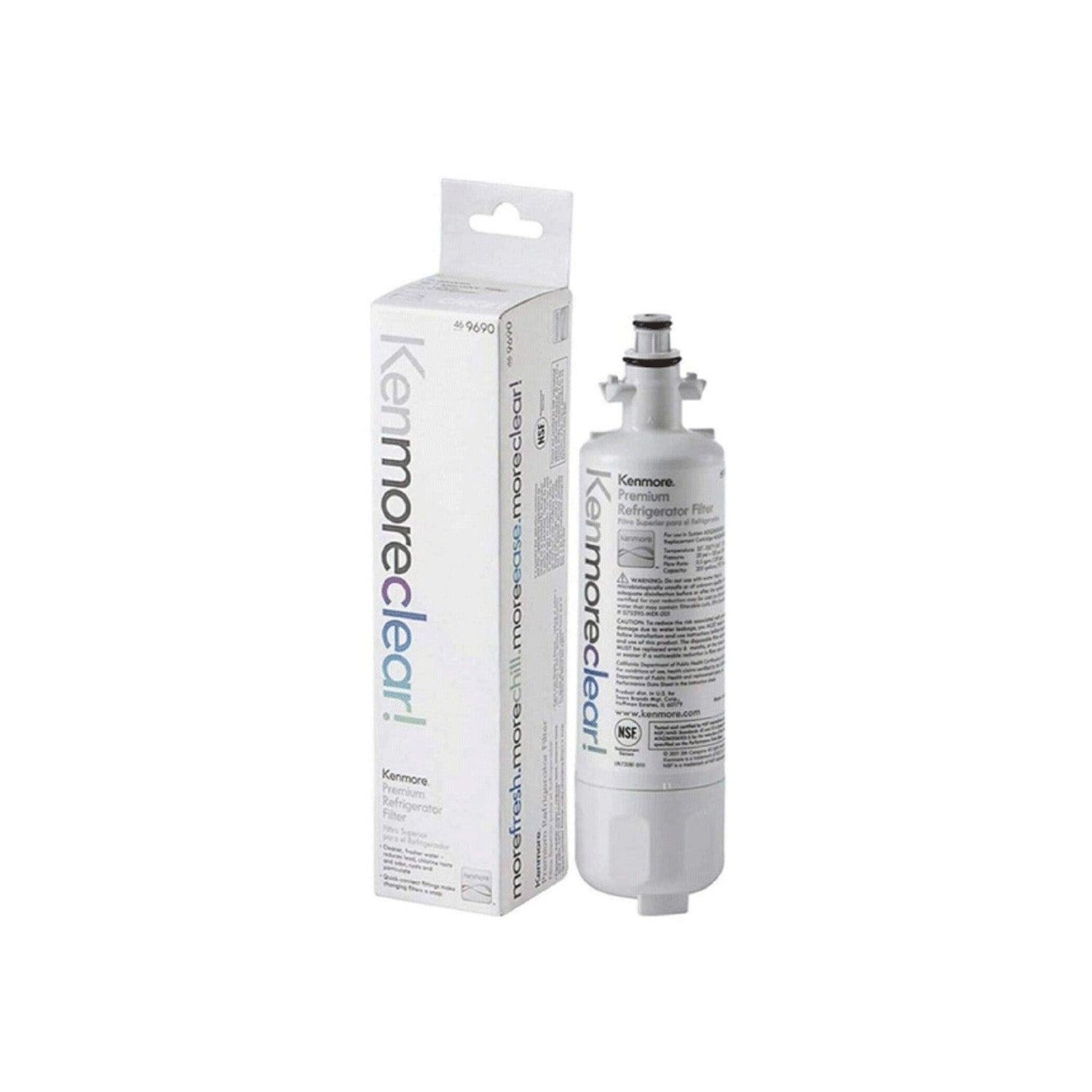
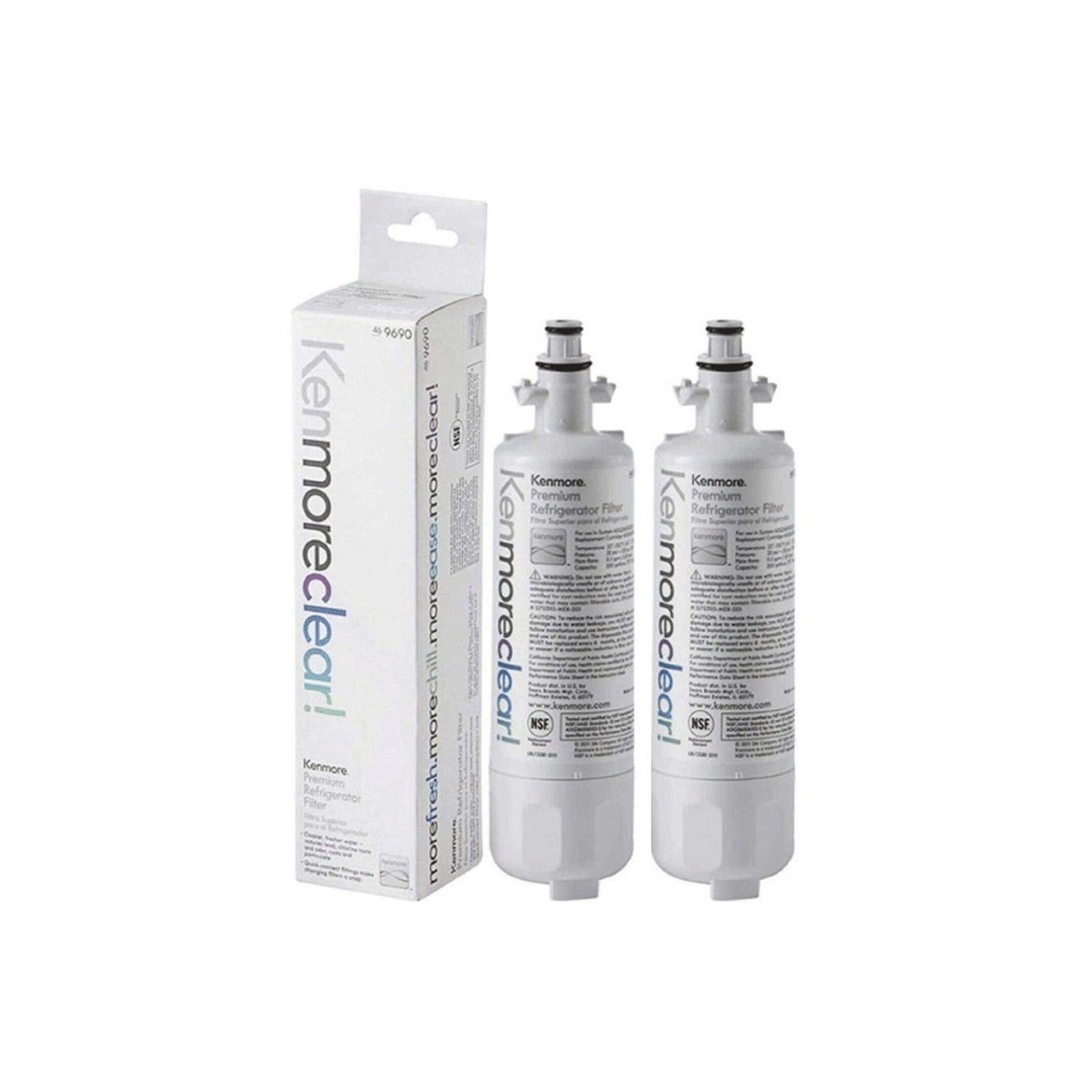
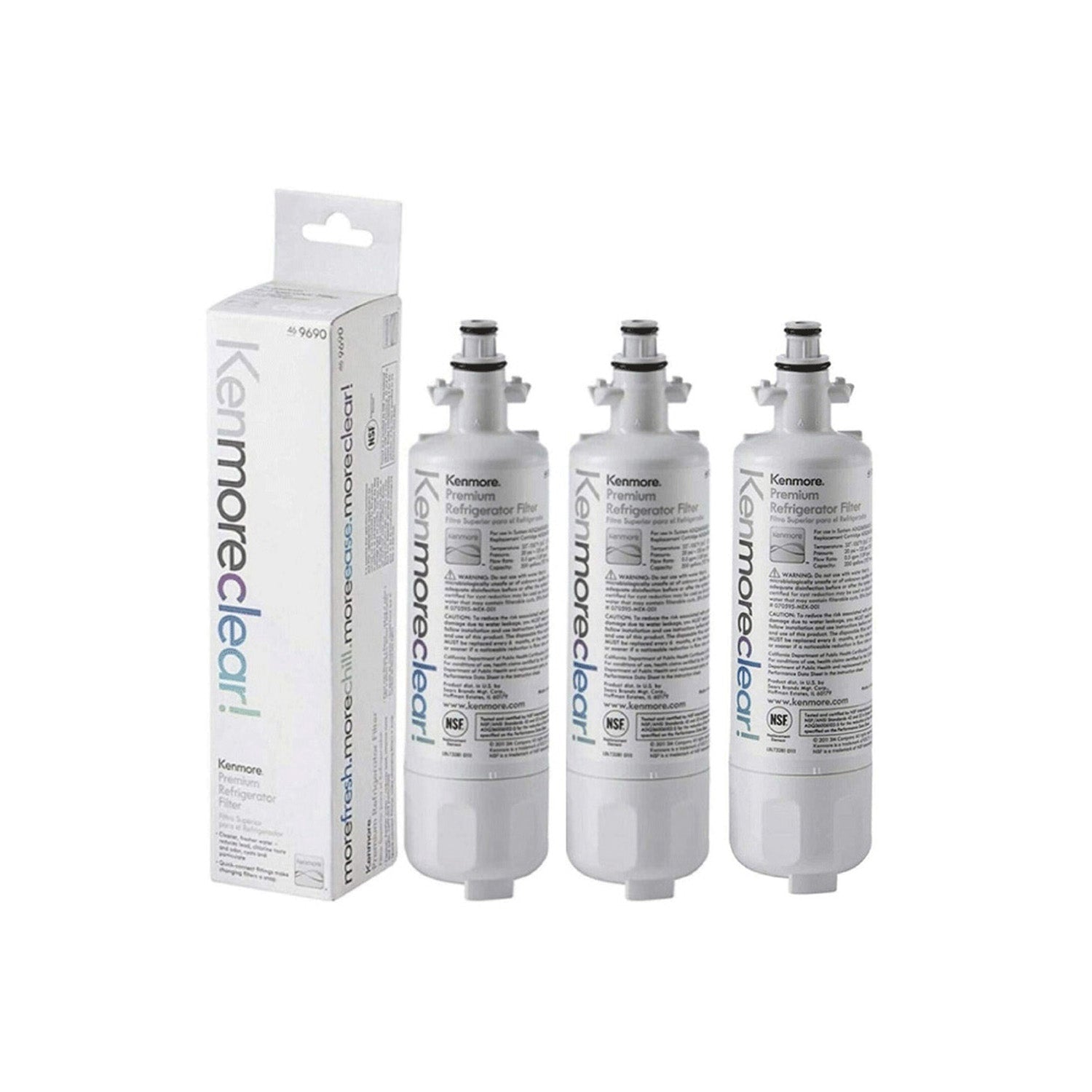
Always verify that the replacement filter is compatible with your refrigerator model before making a purchase. Even filters that appear similar may have different dimensions, locking mechanisms, or flow specifications. Manufacturers often use multiple filter designs across product lines, making model matching essential for proper operation. Checking your refrigerator's model number and comparing it with the filter specifications can prevent installation problems. Whether you choose an original manufacturer filter or a compatible replacement, selecting the correct model helps ensure reliable filtration and consistent water delivery.
Certified aftermarket replacement filters can be a practical alternative to original manufacturer options. Many high-quality aftermarket filters are tested to meet comparable performance standards while offering significant cost savings. When shopping for a replacement, look for certified products from reputable suppliers and confirm compatibility with your refrigerator model before purchasing.
Helpful Tips for Long-Term Performance
Choose filters that meet recognized certification standards whenever possible. Certification indicates that the product has been independently tested for safety, filtration effectiveness, and material quality. This added level of verification can provide greater confidence in long-term performance and water quality consistency.
After installing a new filter, remember to reset the refrigerator's filter indicator if your model includes one. The reset process typically involves pressing and holding a designated button for several seconds. Updating the indicator helps maintain accurate maintenance tracking and ensures future replacement reminders reflect the actual installation date.
As a general guideline, replace your refrigerator water filter every six months. However, replacement intervals may vary depending on household water consumption, local water quality, and manufacturer recommendations. Heavy usage or poor water conditions can shorten filter life. Monitoring water taste, odor, and flow rate alongside scheduled reminders can help determine the most appropriate replacement schedule for your home.
What Homeowners Often Ask About Refrigerator Filters
Why Can Water Taste Different After Installing a New Filter?
A new refrigerator water filter may temporarily affect the taste of your water because of residual carbon fines and trapped air inside the cartridge. This is a normal part of the filtration process. Flushing the filter according to the manufacturer's instructions helps remove these particles and stabilizes water quality. In most cases, any unusual taste or odor should disappear after several gallons of water have passed through the system.
What Are the Signs That a Water Filter Needs Replacement?
Several indicators can suggest that it's time to replace your refrigerator water filter. Common signs include reduced water flow, unpleasant tastes or odors, cloudy water, or a filter replacement alert from the refrigerator. Even if no obvious symptoms are present, most manufacturers recommend changing the filter every six months to maintain consistent filtration performance and water quality.
Why Does Water Still Taste Bad After Replacing the Filter?
If water quality does not improve after installing a new filter, the issue may not be the filter itself. Insufficient flushing, incorrect installation, poor source water quality, or buildup within the refrigerator's water lines can all contribute to persistent taste problems. Verify that the filter is compatible with your refrigerator model, flush the system thoroughly, and inspect the water supply if the problem continues.
Which Option Is Better: OEM or Compatible Replacement Filters?
Both original manufacturer (OEM) and certified compatible replacement filters can provide effective filtration when selected correctly. OEM filters are designed specifically for the appliance and offer guaranteed compatibility. High-quality aftermarket filters, however, often deliver comparable performance at a lower cost. The most important consideration is choosing a filter that meets recognized certification standards and is designed for your refrigerator model.
Does a Filter Bypass Allow Unfiltered Water to Enter the System?
Yes, a refrigerator filter bypass is designed to allow water to flow through the appliance without passing through a filter. This feature is typically used when a filter is not installed or when an external filtration system is already in place. While the bypass restores water flow, it does not provide filtration, meaning