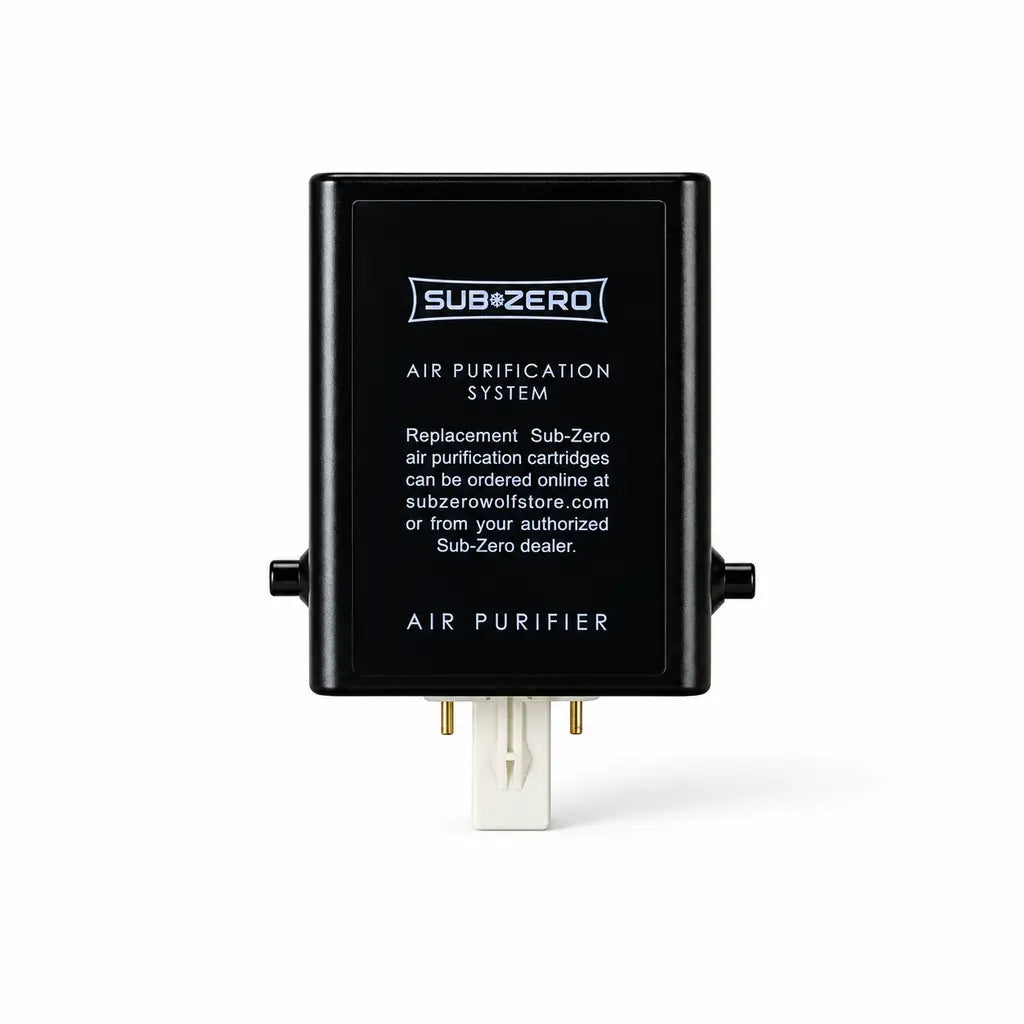
Clean air at home matters, and many homes rely on air filters every day. Kitchen tools and common foods can help check basic filter behavior without special gear. These checks give a simple view of odor control and air freshness. Results stay basic, but they still guide daily care.
Simple home tests fit busy routines and small budgets. Curiosity often starts with smells, dust, or food spoilage. I notice small changes can point to larger air patterns. These checks work best as guides, not proof.
Why Home Testing Your Air Filter Matters
Knowing filter condition helps keep indoor air pleasant and steady. Dust, food smells, and pet odors can linger if filters fall behind. A quick home test gives peace of mind. Small checks also help plan filter changes.
Air quality links to comfort and daily health. Sneezing, dry eyes, or stale smells can signal trouble. Home tests show trends but miss fine particles. Lab tools still set the gold standard.
Limits exist with kitchen tests. Results depend on room size, airflow, and weather. No home test can count tiny particles. Awareness of limits keeps expectations realistic.
Using Fruit to Check Air Filter Performance
Fruit offers an easy way to notice air changes. Strong smells and visible spoilage give clues over time. These checks stay fun and simple. Kids often enjoy watching the results.
Fruit tests focus on smell and spoilage speed. They help spot gas control more than dust control. I see these tests as early signals. Clear notes help track changes.
The Odor Removal Test with Fruit
Strong-smelling fruit works best for this check. Citrus, melon, or ripe banana give clear scents. Place fruit near the air purifier intake. Compare air near the outlet after a short run.
Cleaner air near the outlet suggests odor control works. Changes may feel mild or uneven. Carbon layers play the main role here. Particle layers do not factor into smell tests.
The Spoilage and Mold Prevention Test
Two matching fruit pieces work for this test. Place one near a running purifier and one in another room. Check both over several days. Look for mold spots or soft patches.
Slower spoilage near the purifier may hint at cleaner air. Heat and moisture still affect results. Notes help spot trends. This test stays subjective by nature.
The Ripening or Ethylene Gas Test
Ripening fruit releases gases that speed spoilage. Place a ripening tomato near firm fruit with the purifier running. Keep a matching setup without a purifier. Compare ripening speed after a few days.
Some purifiers claim help with produce storage. This test checks those claims at home. Results vary by room seal and airflow. Observations stay general.
Simple Visual and Sensory Tests Without Fruit
Sunlight can reveal floating dust. Watch a bright beam before and after running the filter. Fewer visible specks suggest better air movement. Large particles show best here.
Cooking smells also offer clues. Strong food odors that fade faster point to gas control. Allergy symptoms over days add more hints. These signs stay personal and change with seasons.
Building a DIY Box Fan Filter for Controlled Testing
A box fan and MERV 13 filter create a simple setup. Tape the filter tight to avoid leaks. This setup moves more air than small purifiers. Safety matters, so keep cords clear.
For testing, steady smoke or food odors help. Match the same conditions each time. Real counts still need monitors. Maintenance and Optimization for Refrigerator Air Filters and Kitchen Air Quality offers added care ideas for shared spaces.
Key Limitations of Home Air Filter Tests
Home tests show patterns, not numbers. Heat, humidity, and room size affect results. Surface germs on fruit also change spoilage speed. Awareness keeps results in context.
Some filters release faint new smells. Materials and packing can cause this effect. Odor alone does not signal failure. Ethylene absorption technology to extend produce shelf life in fridges explains gas control claims in more detail.
Tips for More Reliable Home Air Testing
Mix several simple tests for a clearer picture. Fruit, smell, and visual checks work better together. Notes over time help spot shifts. I see patterns grow clearer with repeat checks.
Consumer air monitors add solid data. DIY builds like the Corsi Rosenthal Box move large air volumes. Habits to prolong air filter life in busy family kitchens share daily care tips that support long filter life. Small steps keep air fresh and steady.