
Warning Signs of a Dirty Air Filter You Should Not Ignore
, by ABM Service, 21 min reading time
""Free Shipping on USA"" We do not provide any authorization invoice for amazon Resale.
, by ABM Service, 21 min reading time
Your home may feel dusty even after cleaning. Your energy bills may also rise for no clear reason. A dirty HVAC air filter often causes these problems, yet many homeowners miss the early warning signs.
Poor airflow, weak cooling, extra dust, and strange smells can all point to a clogged filter. Left alone, that small filter can strain your HVAC system and lower indoor air quality. Small issues can turn into costly repairs sooner than most people expect.
This guide shows common dirty air filter signs and simple ways to spot them early. It also helps you keep your HVAC system working well and understand what the filter does inside your home system for better comfort daily use.
An air filter acts like the quiet helper in your HVAC system that keeps your indoor air clean. It sits inside the system and catches dust before it spreads through your home. Without it, the air you breathe would carry far more dirt and particles.
The filter pulls air through a fine mesh as the system runs. It traps dust, dirt, and other small particles while letting clean air pass through. This process helps your home stay more comfortable and helps your HVAC system work with less strain.
Think of it like a coffee filter that keeps grounds out of your cup. Air moves through the filter in the same way water moves through paper, leaving unwanted particles behind. This simple process keeps the air in your home cleaner every day.
This small part plays a big role in protecting both air quality and system performance. It works nonstop whenever your HVAC system runs, quietly keeping dust under control.
A clean filter can also help reduce allergens like pollen, pet dander, and fine particles that are too small to see. These particles can be as small as 0.3 microns and still affect breathing comfort, especially for people with allergies or asthma.
When the filter stays clean, air flows smoothly and the system runs better. When it gets dirty, airflow drops and your HVAC system must work harder, which can reduce comfort and efficiency over time.
A dirty air filter often shows clear warning signs inside your home. These signs start small, then grow over time if you ignore them. Many people think HVAC problems come from big issues, but a clogged filter is often the real cause.
Air moves through your HVAC system every day. When the filter fills with dust, pet hair, and dirt, the system struggles to push air through. This leads to changes in comfort, air quality, and system performance.
Weak airflow often shows the first sign of a dirty filter. Air cannot pass through a clogged filter with ease, so vents push out less air than normal. Rooms may feel stuffy or uneven in temperature. A quick filter check and replacement can restore normal airflow.
Extra dust on furniture, floors, and shelves often points to a blocked filter. A full filter stops trapping particles, so dust spreads through the home. Cleaning becomes harder, and surfaces look dirty soon after wiping. A fresh filter helps reduce this buildup.
A clogged filter forces the HVAC system to work harder. This extra strain leads to more energy use and higher utility costs. The system runs longer to reach the same comfort level. Replacing the filter can help restore normal energy use.
Bad odors can pass through a dirty filter and spread in the home. Dust, mold, and trapped particles often create stale air smells. These odors may grow stronger when the system runs. A new filter helps clear the air path.
Some rooms may feel warmer or cooler than others when airflow drops. A dirty filter blocks steady air movement across the home. This creates uneven comfort levels from room to room. A clean filter helps balance airflow again.
Clogged filter slows down air movement, so the system runs longer to reach set temperatures. This puts extra strain on parts and reduces smooth operation. Longer run times often signal reduced airflow. Changing the filter helps restore normal cycles.
Dust and small particles can slip past a dirty filter. This can lead to more sneezing, coughing, or eye irritation indoors. Poor filtration reduces air quality in living spaces. A clean filter helps trap more particles before they spread.
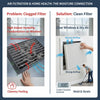
Visual check often shows a clear warning. A dirty filter appears gray or black with dust buildup. Airflow can block almost fully in severe cases. Regular inspection helps you catch this sign early.
Blocked filters can make the system sound louder than normal. Air struggles to pass through, which can create unusual noise. The system may also feel like it works harder during each cycle. Replacing the filter helps reduce strain and noise.
Dirty air filters can lead to more frequent HVAC breakdowns over time. A clogged filter forces the system to work under extra pressure, which puts stress on key parts. This can lead to small faults that grow into larger repair problems.
Blocked airflow also makes the system cycle longer and harder than normal. This extra strain can damage motors, fans, and other internal parts. The system may stop working as smoothly as it should during daily use.
Regular filter changes help reduce stress on the system and lower the risk of breakdowns. A clean filter supports steady airflow and helps the HVAC system last longer.
A dirty HVAC filter often shows clear warning signs that affect airflow, comfort, and air quality. Many homeowners do not notice the change right away because the system still runs. Small changes in performance usually point to a clogged filter that needs attention. Here are simple ways to check your HVAC filter and understand what each sign means.
Take out the filter and check the surface color and buildup under normal lighting. A filter that looks dark, gray, or covered in dust shows heavy blockage. This buildup limits air movement and reduces the system’s ability to circulate clean air.
Place your hand near different vents while the system is running and notice the airflow strength. Air that feels weak or uneven often signals resistance inside the system. A clogged filter is one of the most common reasons for reduced airflow.
Pay attention to how quickly dust settles again after cleaning surfaces in your home. Faster dust return suggests the filter is no longer capturing fine particles. More dust then circulates back into living spaces.
Compare your recent utility bills with earlier months under similar weather conditions. A rise in energy use can point to the system working harder than normal. A blocked filter can force longer operation cycles and higher power use.
Listen closely when the HVAC system starts or runs for longer periods. New or louder operating sounds may come from restricted airflow. A dirty filter can create extra strain that changes how smoothly the system runs.
These simple checks help you confirm whether your HVAC filter is affecting airflow and system performance. Regular filter care supports steady operation, better efficiency, and a more comfortable home environment, while also helping prevent avoidable system strain over time.
Dirty HVAC filters slowly block airflow inside your system and force it to work under extra strain. Many homeowners ignore this simple part, but it plays a key role in air quality and system performance. When cleaning or replacement does not happen on time, small issues can turn into bigger problems across the home. The points below show what can happen when filter care is delayed.
A clogged HVAC filter restricts normal airflow through the system. This forces the blower and other parts to push harder to move air across your home. Over time, this added resistance reduces overall system efficiency and disrupts balanced air circulation.
As a result, your HVAC system uses more energy to maintain the same comfort level. This can raise utility costs and increase wear on key components, making routine maintenance more important for long-term system care.
A dirty filter makes the system run longer cycles to reach set temperatures. The restricted airflow slows down heating and cooling performance. This continuous strain keeps the system active for extended periods without delivering proper results.
This leads to higher energy consumption and increased monthly bills. Regular filter maintenance helps keep energy use stable and supports better system performance throughout seasonal changes.
When a filter becomes full of dust and debris, it cannot trap new particles effectively. These particles then circulate back into the air inside your home. The system continues running, but the air quality gradually declines.
As a result, dust, allergens, and small particles build up indoors. This can affect comfort for everyone in the home, making regular filter cleaning an important part of indoor maintenance.
Blocked filters disrupt steady airflow across different rooms. Some areas receive less conditioned air, while others feel normal. This imbalance creates uneven temperatures throughout the home.
Over time, this leads to discomfort and inconsistent room conditions. Proper filter care helps maintain balanced airflow and supports a more stable indoor environment.
Clogged filters increase pressure inside the HVAC system. Key components must work harder to push air through the blockage. This added strain builds up over time and affects system performance.
This can lead to faster wear on parts and a higher risk of breakdowns. Regular filter maintenance supports smoother operation and helps extend the life of the system.
Dirty HVAC filters can affect airflow, energy use, air quality, and overall system performance when left unchecked. Regular cleaning or replacement helps keep the system running efficiently and reduces stress on key components, supporting a more comfortable and stable home environment over time.
Clogged air filters restrict airflow and force your HVAC system to work harder than it should. This can reduce comfort in your home and increase energy use fast. Poor airflow can also cause uneven heating or cooling in different rooms.
Quick replacement helps restore proper airflow and keeps your indoor air cleaner. It also helps your system run more efficiently and reduces unnecessary strain on key components.
HVAC filters are typically replaced every three months to help maintain steady airflow and efficient system performance. Standard fiberglass and basic allergen filters are designed to capture everyday dust, hair, and larger airborne particles, but they become less effective as they accumulate debris over time. Regular replacement ensures the system continues operating smoothly without unnecessary strain.
Higher-efficiency filters, such as HEPA-grade options, are designed to trap much smaller particles like fine dust, pollen, and even microscopic allergens. Because of their dense filtration material, these filters often require different replacement cycles, typically ranging from six to twelve months depending on usage and indoor air conditions. While they offer superior air-cleaning performance, they can also restrict airflow if left in place too long.
Think of an air filter like a trash can for your HVAC system—once it fills up, it can no longer do its job effectively. Replacement frequency ultimately depends on factors such as household size, pets, dust levels, and how often the system runs. Signs like reduced airflow, unusual odors, or uneven temperatures often indicate it’s time for a change sooner than expected.
Regular filter maintenance plays a critical role in sustaining HVAC system efficiency and overall performance. A clean or properly maintained filter allows consistent airflow, reducing unnecessary strain on internal components. This helps the system operate more smoothly, improving energy efficiency while supporting long-term equipment durability through reduced wear and tear.
A dirty or neglected filter can allow dust and airborne particles to circulate throughout the home, negatively affecting indoor air quality. When filters are kept clean, they help trap contaminants more effectively, leading to cleaner air and a more comfortable living environment with fewer irritants and improved overall respiratory comfort.
Routine filter inspection helps homeowners maintain consistent HVAC performance and catch early signs of buildup. Regularly checking the filter condition allows users to observe dust accumulation, airflow restriction, and general wear, ensuring the system continues operating efficiently while preventing avoidable strain on internal components and supporting stable day-to-day performance.
Scheduled filter servicing provides a more comprehensive level of maintenance for long-term system reliability. Professional technicians assess the filter alongside the broader HVAC system, addressing deeper airflow issues and hidden inefficiencies. This ensures consistent system protection, reduces the risk of performance decline, and helps maintain dependable operation over time.
Complementary Actions in routine HVAC care help extend system efficiency beyond basic filter upkeep. In addition to filter replacement, homeowners should consider tasks such as vent cleaning, thermostat checks, and monitoring airflow consistency to ensure the system continues operating at optimal performance levels.
In addition to these efforts, staying on top of small maintenance activities such as dusting air vents, checking for blockages, and inspecting visible duct areas can help maintain balanced airflow throughout the home. These simple actions support overall system stability and reduce unnecessary strain on HVAC components.
Consistent upkeep and incorporating these complementary tasks, you can help prevent unexpected repairs, improve indoor air quality, and maintain consistent home comfort throughout the year. Regular maintenance is essential for ensuring long-term system reliability and keeping everyday household upkeep manageable.
A rapidly dirty HVAC filter is often a sign that the system is pulling in more airborne particles than expected or circulating air under less-than-ideal conditions. This buildup can occur sooner than normal when airflow patterns, indoor conditions, or system components are not functioning efficiently, indicating an underlying issue that needs attention.
One common cause is air infiltration from leaks or gaps within the system, which allows dust and debris to bypass normal filtration points. When unsealed areas are present, unfiltered air enters the system directly, increasing the rate of particle accumulation on the filter and reducing overall system cleanliness and efficiency.
Ductwork problems can also contribute to faster filter clogging, especially when ducts are damaged, disconnected, or poorly sealed. These issues disrupt balanced airflow and can pull in dust from attics, crawlspaces, or wall cavities, causing the filter to collect contaminants more quickly than under normal operating conditions.
System sizing and airflow imbalance may further accelerate filter buildup when the HVAC unit is not properly matched to the home’s requirements. Restricted or uneven airflow forces the system to work harder, increasing particle concentration at the filter surface and reducing effective circulation throughout the space.
A frequently dirty filter can lead to reduced efficiency, increased energy consumption, and added strain on HVAC components over time. If left unaddressed, these conditions may shorten system lifespan and result in more frequent maintenance needs or unexpected breakdowns.
Addressing the root cause early helps restore balanced airflow and improves overall system performance. Regular inspections and timely maintenance ensure the HVAC system continues operating efficiently while reducing unnecessary strain on internal components.
In Washington, DC, seasonal changes and urban air conditions can also influence how quickly HVAC filters accumulate dust and pollutants. Higher pollen levels in spring, humidity fluctuations, and outdoor pollution in densely populated areas can all contribute to faster filter buildup, making consistent maintenance especially important for year-round comfort and system stability.
Choosing the right air filter can feel confusing at first because there are multiple sizes, ratings, and materials to compare. Many homeowners are unsure where to start or what actually matters most for their HVAC system. The good news is that a few key factors can quickly narrow down the best option for your home.
Filter size is the first and most important factor because an incorrect fit can reduce airflow and system efficiency. You can usually find the correct dimensions printed on your current filter frame or inside your HVAC unit panel. A proper fit ensures air passes through the filter instead of leaking around it, but sizes must be exact since even small gaps can reduce effectiveness.
Filter ratings, often measured by MERV, determine how effectively a filter captures particles like dust, pollen, and allergens. Lower ratings allow more airflow but capture fewer particles, while higher ratings provide stronger filtration but may restrict airflow in some systems.
1–4: basic dust control for minimal filtration needs
5–8: balanced filtration for most households
9–12: higher efficiency for improved air quality
13–16: advanced filtration capturing very fine particles, including smoke and airborne contaminants such as viruses
For most homes, a mid-range option offers a strong balance of performance and airflow, but higher-rated filters may not be suitable for every HVAC system due to added resistance.
Filter material affects durability, airflow resistance, and overall performance. Fiberglass filters are inexpensive but offer minimal filtration, while pleated filters provide better particle capture and longer service life. Reusable options can reduce waste but require consistent cleaning to maintain effectiveness.
Pleated filters are often the preferred choice for most households because they balance filtration efficiency and airflow stability. However, homes with specific allergy concerns may benefit from higher-efficiency materials, while budget-focused users may prioritize simpler fiberglass options.
For most homes, a standard pleated filter offers the most reliable balance of protection, airflow, and system compatibility, but the best choice ultimately depends on your indoor air needs and HVAC specifications.
A dirty air filter can slow your HVAC system down in a way that feels similar to trying to breathe through a blocked airway. As airflow becomes restricted, your system has to work harder to push air through, which reduces efficiency and increases energy use while placing unnecessary strain on key components. Over time, this added resistance can quietly drive up operating costs and reduce overall comfort.
In fact, studies and field observations show that restricted airflow from clogged filters can reduce system efficiency by up to 20–30%, depending on severity and usage conditions.
Here are the main problems this can cause:
Have you ever noticed weaker air coming from your vents even when the system is running normally? A clogged filter blocks proper air movement, forcing your HVAC system to struggle against resistance, which leads to uneven temperature distribution and less effective heating or cooling throughout the home.
When airflow is restricted, the HVAC system compensates by running longer cycles to reach the desired temperature. This extra workload increases stress on the blower motor and other internal components, accelerating wear and making breakdowns more likely over time.
Does your energy bill seem higher even without changing your usage habits? A dirty filter forces the system to use more power to maintain performance, resulting in longer run times and reduced efficiency, which directly translates into increased monthly utility costs.
Consistent strain from poor airflow can gradually degrade critical HVAC components. Over time, this added stress reduces the overall lifespan of the system, leading to earlier replacement needs and higher long-term ownership costs.
When a filter is clogged, it cannot effectively trap dust, pollen, and other airborne particles. As a result, these contaminants circulate back into your living space, contributing to discomfort, allergy flare-ups, and a noticeable decline in indoor air freshness.
A dirty air filter may seem like a small maintenance issue, but its impact on HVAC performance is significant and cumulative. Keeping filters clean or replacing them regularly helps maintain efficient airflow, protect system components, and ensure consistent comfort throughout your home.
A dirty air filter can reduce indoor air quality by allowing dust, pollen, and other airborne particles to circulate through your home. This can irritate the respiratory system and may worsen allergy or asthma symptoms, especially in sensitive individuals. Over time, breathing in more contaminants can contribute to discomfort and reduced overall well-being.
A dirty air filter does not directly produce carbon monoxide, but it can indirectly contribute to HVAC system strain. Restricted airflow may cause heating equipment to operate inefficiently, which in rare cases can increase the risk of incomplete combustion in fuel-burning systems. This is why regular maintenance and proper ventilation are important for overall system safety.
When an HVAC filter becomes clogged, airflow is restricted and the system must work harder to circulate air throughout the home. This can lead to reduced efficiency, higher energy usage, uneven heating or cooling, and added stress on internal components. In many cases, it also results in poorer indoor air quality due to increased circulation of trapped particles.
Keeping your HVAC system in good condition starts with regular filter maintenance and timely replacements. Clean filters help maintain efficient airflow, improve indoor air quality, and reduce strain on the system. If you want consistent comfort and reliable performance, staying proactive with maintenance is the simplest way to protect your home environment.


