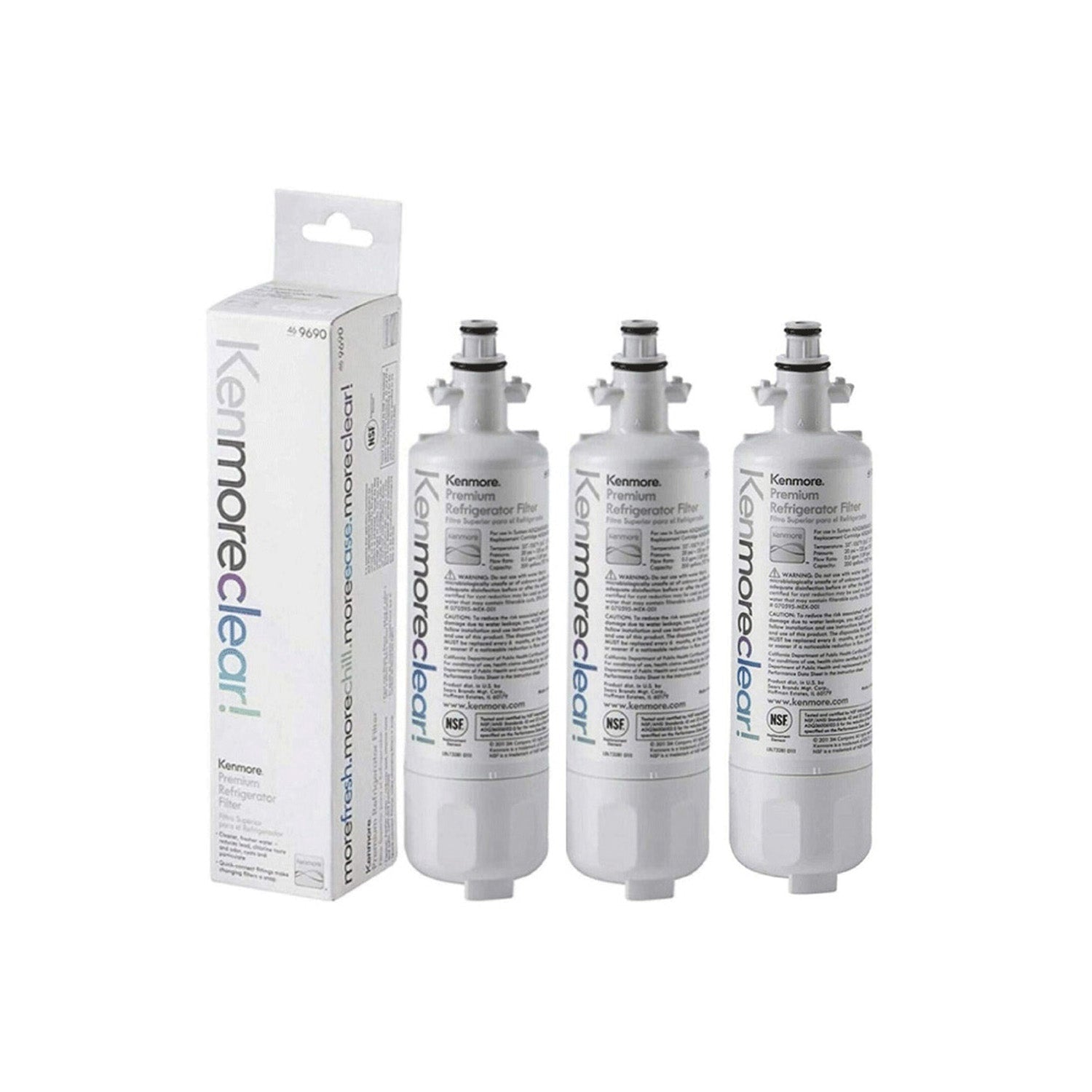
People search for clean water from their fridges every day. They often compare refrigerator water filters to find the best fit. Inline and cartridge types stand out as top choices. Each offers unique benefits in design and use. Users value easy setup and strong performance. This guide breaks down the main differences to help pick the right one.
Understanding Filter Types
Start with the basics of each filter. Know what sets them apart.
What is an Inline Refrigerator Water Filter?
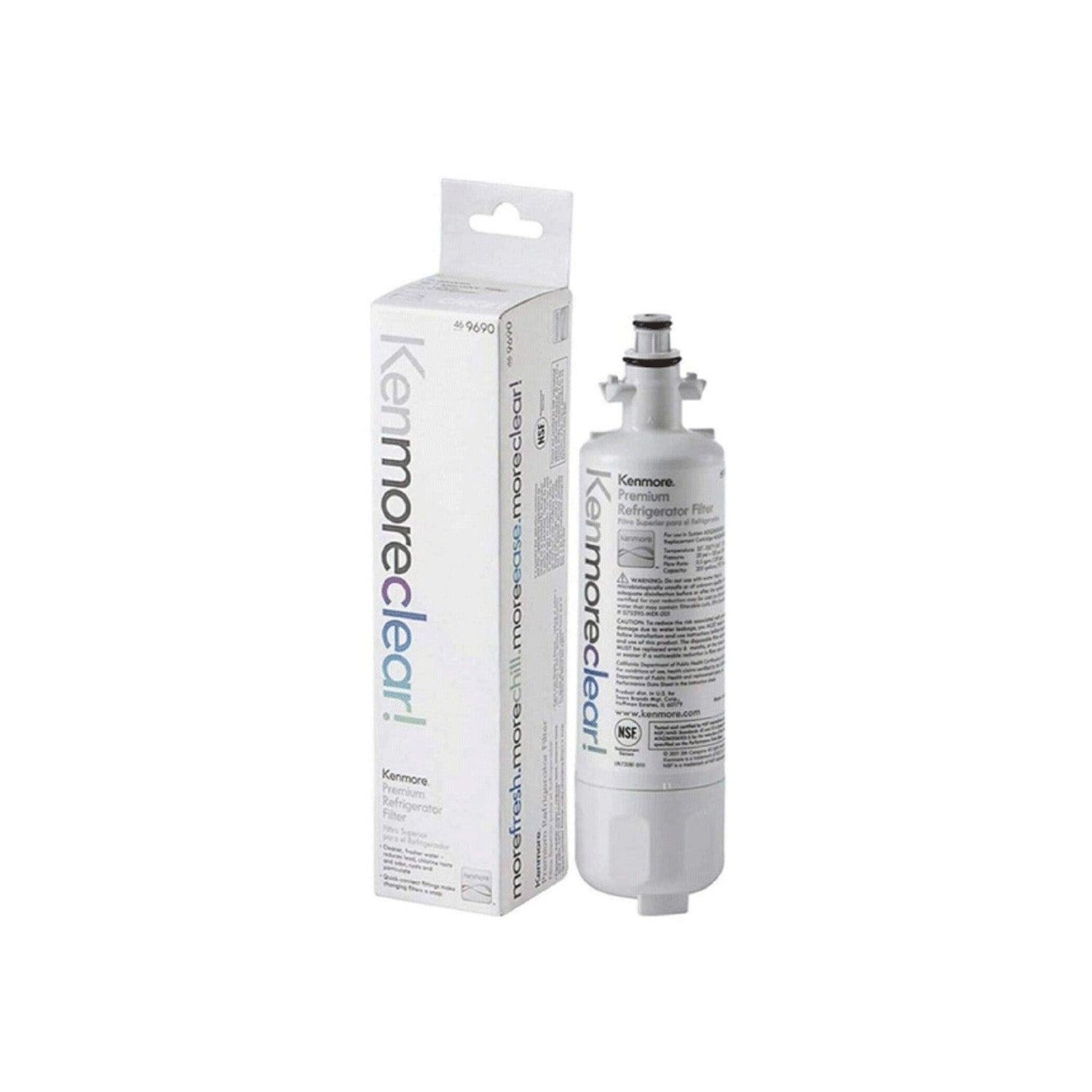
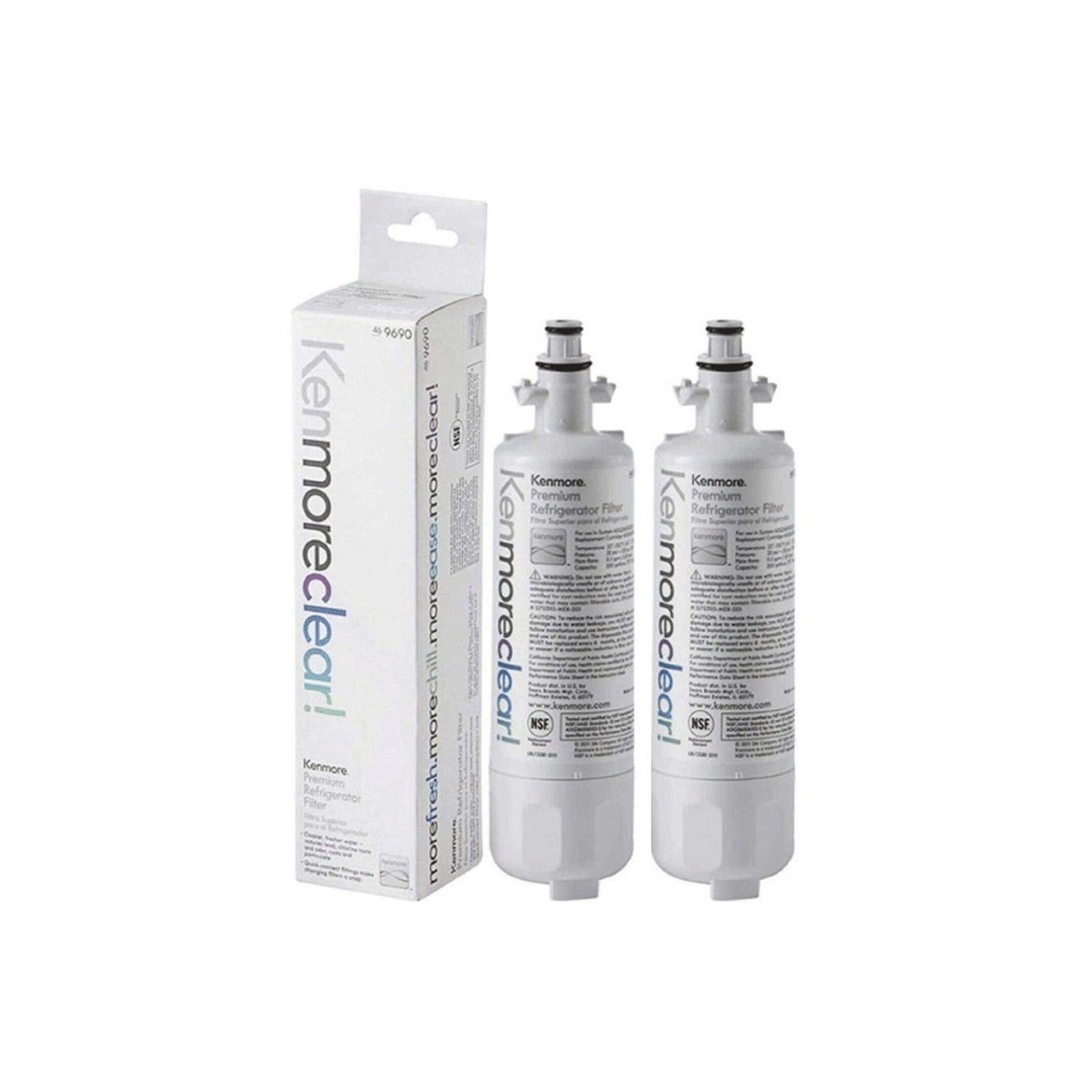
Inline filters connect directly to the water line. Place them behind the fridge or under the sink. They work outside the appliance. This setup keeps them out of sight.
These filters suit most refrigerators and ice makers. They pair well with various brands. Users like their flexible fit for different home setups.
What is a Cartridge-Style Refrigerator Water Filter?
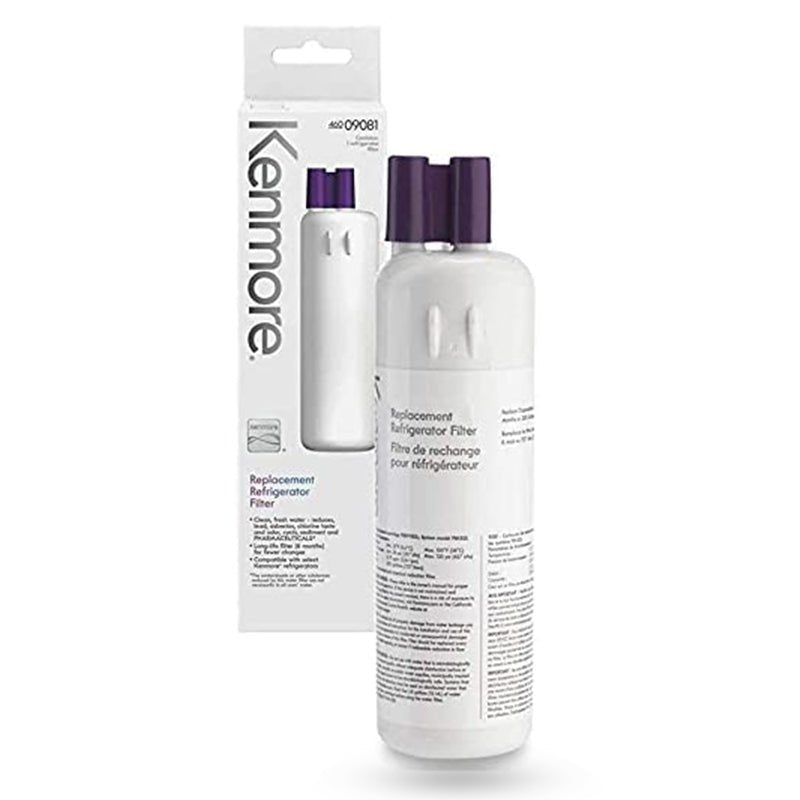
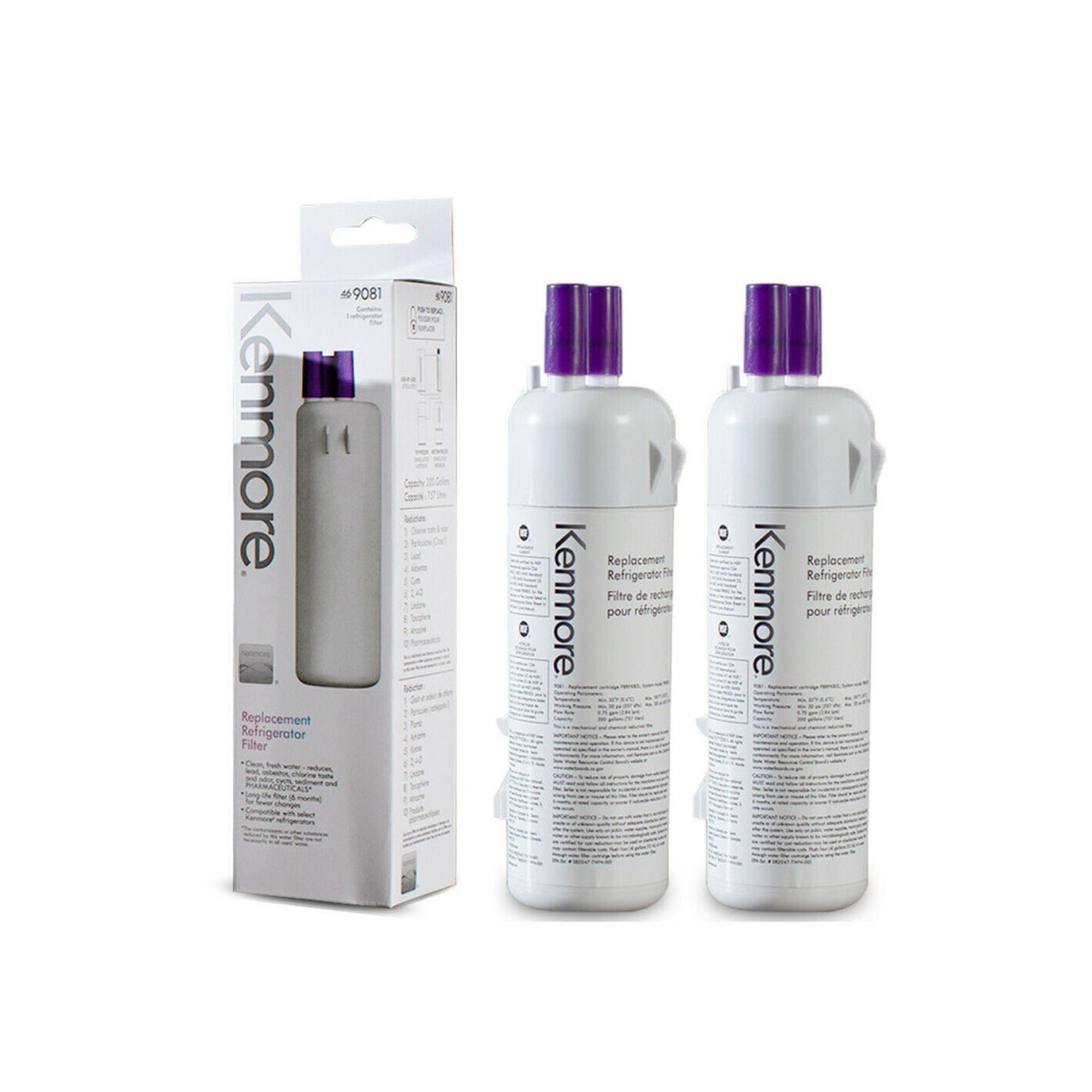
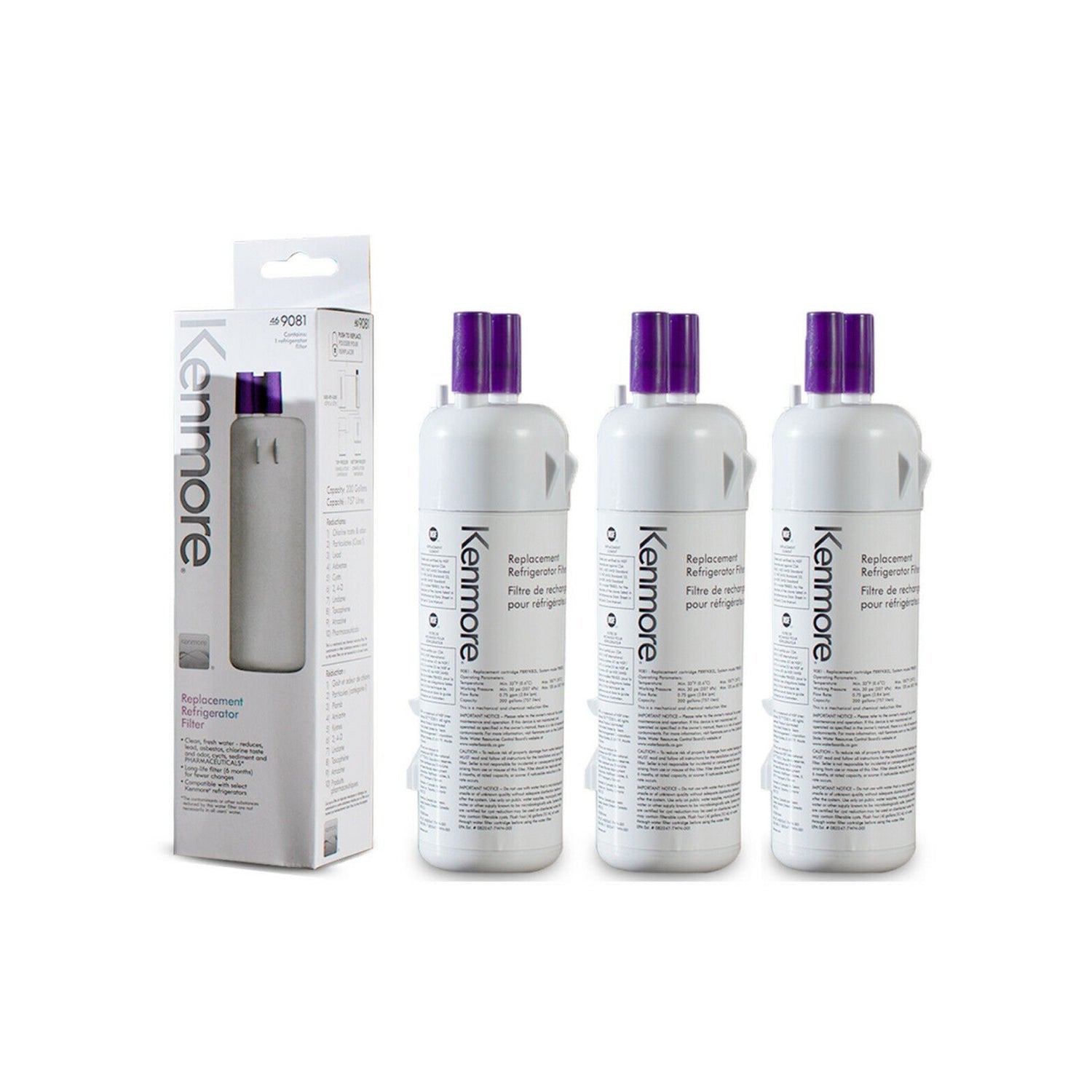
Cartridge filters sit inside the fridge. Find them in spots like the grille or ceiling. They form part of the appliance design.
Brands make these for specific models. They match the fridge exactly. This built-in approach blends smoothly with the unit.
Design and Installation Comparison
Look at how these filters go in. Ease and location matter a lot.
Installation Ease
Inline filters use quick-connect fittings. Cut the water line and attach them. Most people handle this task themselves. Sometimes, move the fridge to reach the spot.
Cartridge filters twist or push into place. No tools needed. Open the compartment and swap them out. This method saves time and effort.
Location and Space Requirements
Inline types hide externally. Tuck them behind the appliance or under cabinets. They take up little visible room.
Cartridge versions stay concealed inside. They fit the fridge's compact areas. No extra space outside required.
Compatibility
Inline filters work across brands. They adapt to many models without issues.
Cartridge filters stick to one brand and model. Check the fridge specs before buying.
Capacity and Performance Differences
Performance varies between types. Focus on what they remove and how fast water flows.
Filtration Capabilities
Inline filters often use multiple stages. They target lead, fluoride, and chlorine. Pick options for specific needs.
Cartridge filters focus on chlorine and sediment. They boost taste and cut odors. Basic carbon blocks handle common issues.
Flow Rate and Water Capacity
Inline systems push water quickly. Fill big pots or pitchers fast. Larger size allows steady pressure.
Cartridge designs slow the stream a bit. Small space limits speed. They suit daily fridge use well.
Maintenance and Replacement
Inline filters need access outside. Shut off water and change them. Pull the fridge forward if needed.
Cartridge swaps happen inside. Pull out the old one and click in the new. Quick process keeps things simple.
For more on setup steps, see Installation and Troubleshooting for Refrigerator Water Filters.
Cost Considerations
Budget plays a big role. Compare upfront and ongoing expenses.
Inline filters cost less over time. Generic versions cut prices further. They deliver value without high fees.
Cartridge types run higher. Brand-name parts add to the bill. Factor this in for long-term use.
Choosing the Right Filter for Your Needs
Match the filter to daily habits. Inline works for those who want options and savings. It handles tough water problems better.
Cartridge suits quick changes and clean looks. Pick it for hassle-free days.
Learn more in The Ultimate Guide to Refrigerator Water Filters.
Quick Comparison Table
|
Feature |
Inline Filter |
Cartridge Filter |
|
Location |
External, behind fridge or under sink |
Internal, in fridge compartment |
|
Compatibility |
Universal |
Model-specific |
|
Installation |
DIY with quick-connects |
Tool-free twist/push |
|
Filtration |
Multi-stage for various contaminants |
Basic for taste and odor |
|
Flow Rate |
High |
Slower |
|
Maintenance |
Access outside, may move fridge |
Easy inside swap |
|
Cost |
Lower long-term |
Higher replacements |
After setup, follow Flushing protocols to remove initial carbon residue post-install for best results. This comparison shows clear choices for refrigerator water filter needs. Select based on setup ease and capacity to get fresh water daily.