
No Water After Replacing Filter? Here’s the Real Fix
, by ABM Service, 7 min reading time
""Free Shipping on USA"" We do not provide any authorization invoice for amazon Resale.
, by ABM Service, 7 min reading time
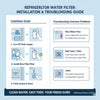
Refrigerator filter problems often block clean water and cause daily frustration in many homes, yet simple fixes restore flow quickly. Follow these steps to fix issues and continue reading for solutions below
Remove all protective caps from the new filter before installation to prevent fitting issues.
Run water through the new filter to remove air bubbles and loose carbon for smooth flow.
No water flow often points to wrong filter placement, so check the snap position or try the old filter to test the valve.
Leaks usually come from a loose or poor fit, so tighten the filter and check all water line connections.
Uneven water flow often means air inside the lines, so hold the dispenser lever for about 2 minutes to clear it.
A few simple mistakes during setup can stop the filter from working the right way.
Some issues may not come from installation steps. In that case, move into deeper troubleshooting to find the cause.
If water stops dispensing after a filter change, the new filter may not be fully seated or locked into place. Even if it seems properly installed, a continuing issue can point to a problem with the refrigerator’s water supply valve.
To diagnose, reinstall the original filter and test the water flow. If water runs with the old filter but not the new one, the replacement filter is likely faulty. If neither filter allows water through, the water inlet valve is the probable cause.
If water is dripping or leaking from the dispenser, begin by removing the refrigerator filter and reinstalling it carefully. Push it back into place and give it a firm twist to ensure it locks securely, as an incorrectly seated filter can often lead to continued dripping.
If the leakage does not stop, the cause may be loose water line connections or poorly fitted internal components. Here’s how to troubleshoot the issue:
If your water dispenser is delivering an uneven or interrupted flow, there is probably trapped air inside the water lines. When this occurs, hold down the dispenser lever for about 2 minutes until the stream becomes steady and normal again. If the problem continues after this step, the water tubing may need to be replaced. Still need replacement parts? Filters Fast offers a broad range of appliance components to help you get what you need quickly.
In many cases, a small amount of extra force is enough to get the job done. When taking it out, the issue usually comes from pulling it straight down and out of place. Try gently rocking it from side to side while lowering it, which can help loosen it.
Helpful advice: Remove the top refrigerator shelf beforehand, as a sudden release may cause damage. For reinstallation, press more firmly while aligning it correctly and continue turning until it clicks securely into place.
Refrigerator water filters are designed to reduce chemicals and contaminants without negatively affecting the taste of your water. Still, you may notice a change in flavor. The older the filter being replaced, the more noticeable the difference in taste is likely to be. A fresh filter can improve taste by delivering more effective filtration.
Your refrigerator’s water filter may not always reach the typical six-month replacement window, as its lifespan can vary depending on water conditions and how heavily it is used. A noticeable slowdown in water flow is often one of the first signs that the filter could be getting restricted. Begin by inspecting the unit’s valve to make sure it isn’t reducing pressure; if it is malfunctioning, replacing it may resolve the issue.
If you observe a change in taste or overall water quality, running a water test can help identify the source of the problem. This can be done using a home testing kit or by requesting information from your local water supplier.
Even when the filter is functioning correctly, issues can still arise from aging or damaged plumbing. Corroded or cracked pipes may obstruct flow or introduce impurities, and in such cases, a licensed plumber should be contacted to assess and repair the system.
To keep your drinking water consistently clean, replacing the refrigerator filter about every six months is generally recommended. When problems persist, refer to your appliance manual for guidance and reach out to the refrigerator or filter manufacturer if needed. If you’ve developed your own effective method for handling filter changes or troubleshooting, sharing it with others can be helpful.
Replacing a refrigerator water filter keeps drinking water clean and the dispenser working well. A fresh filter helps remove buildup and keeps flow steady. The steps below show a simple way to remove the old filter and install a new one correctly
Start by checking common filter spots inside the fridge. Many models place it along the upper interior wall or behind a small cover panel. Some side-by-side refrigerators, especially Whirlpool units, often hide it behind the lower grille area between the door base and floor. Built-in models may store it behind an access panel at the top section. Bottom freezer designs rarely include filters unless a water dispenser is installed.
If the filter is not visible, use the refrigerator’s model number to find the owner’s manual online. Open the manual and search for the word “filter” to find the exact location.
Check for a protective cover over the filter housing. Some covers twist off, while others release with side tabs or a small eject button. Most designs are simple to open once you find the release point.
Remove the used filter based on the locking style. Some models require swinging the cartridge outward before removal. Others pull straight out or twist counterclockwise to unlock. Follow the direction shown on the replacement filter box to avoid damage to plastic parts or connectors.
Slide the new filter into the housing until it clicks or locks into place. If the old filter twisted to come out, rotate the new one clockwise to secure it. Make sure it feels firmly seated and does not move loosely.
Run water through the dispenser to clear the line. Dispense around two gallons to remove trapped air and loose particles. This water can be used for non-drinking tasks like watering plants. Reset the filter change indicator if your refrigerator has one. The new filter should last about six months under normal use.


