
Optimal Flow Rates for Refrigerator Dispensers and Ice Makers
, by ABM Service, 3 min reading time
""Free Shipping on USA"" We do not provide any authorization invoice for amazon Resale.
, by ABM Service, 3 min reading time
Proper water flow keeps your refrigerator dispenser fast and your ice maker active. Flow rate and pressure affect how easy it is to get cold water and how well ice forms each day. Low flow leads to slow dispensing, long waits for a glass, and poor ice quality that frustrates many owners.
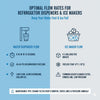
Most refrigerators need 30 to 120 PSI for good performance. Brands set this as the standard range. Some models work down to a minimum of 20 PSI, but performance drops quickly below that point.
Filtered units often require at least 40 PSI to push water through cleanly and avoid problems. Low pressure causes slow water from the dispenser and hollow or small ice cubes. High pressure can lead to leaks, strong splashing, or damage to lines. Aim for 40 to 60 PSI as a strong target for most homes. This range gives quick dispensing and solid ice without risk.
A good dispenser fills an 8 oz cup in 10 to 15 seconds. Many brands expect at least 8 oz in 20 seconds as a basic pass.
Test your flow easily. Grab a measuring cup and time how long it takes to dispense water for exactly 20 seconds. Compare the amount to these standards. Quick fill means everything works right.
Residential lines often handle about 0.5 gallons per minute with standard 1/4-inch tubing. Ice makers fill trays in short bursts rather than steady streams.
Strong flow helps make full, solid cubes quickly. Low flow slows the entire cycle, creates thin or hollow ice, and reduces daily output.
Clogged or old filters slow water the most. Hard water or heavy use builds up faster. Change them every six months for steady performance.
Test by removing the filter or using a bypass plug if your model has one. Faster flow after removal means the filter needs replacement right away.
Kinks or twists block flow completely in spots. Moving the fridge often causes these bends. Check the line behind the fridge and along the floor.
Straighten any bends and secure the line properly for better setup. Use plastic or copper tubing without sharp turns.
The main house valve or fridge shutoff must stay fully open. Even partly closed valves cut pressure. Saddle valves clog often and restrict flow over time.
Switch to a mini ball valve for better reliability and easier control.
Test home pressure with a simple gauge attached to an outdoor faucet or laundry hook-up.
Below 20 PSI needs a booster pump or plumber help. Whole-house issues affect more than just the fridge.
Cold spots freeze lines in the door or inside the freezer section. Low usage or very cold settings cause this.
Thaw gently with a hairdryer on low heat. Move warm air along the line until water flows again.
Set the freezer to 0°F (-18°C) exactly.
Warmer settings slow ice making greatly. Colder than needed can freeze lines instead.
Change filters regularly every six months or sooner with heavy use. Inspect lines and valves often for problems.
Monitor pressure once a year and adjust as needed. Keep freezer temperature correct at all times.
These simple steps prevent most issues before they start. Check your model manual for exact numbers. Strong flow means quick water at the door and full ice bins every day. (612 words)
Learn more about filters in The Ultimate Guide to Refrigerator Water Filters.
New filter causing slow flow? Check Diagnosing dispenser blockages after new water filter insertion.
Filters improve taste too. See How do refrigerator water filters improve water taste and safety in modern kitchens.


