Dirty indoor air can make your home smell stale and leave dust on every surface. Many people buy an air filter or air purifier without knowing the real difference between the two. One works inside your HVAC system, while the other cleans the air in a single room. This guide breaks down how each option works, the features they offer, and the problems they help fix. Keep reading to find the right setup for your home and daily needs.
Understanding What an Air Filter
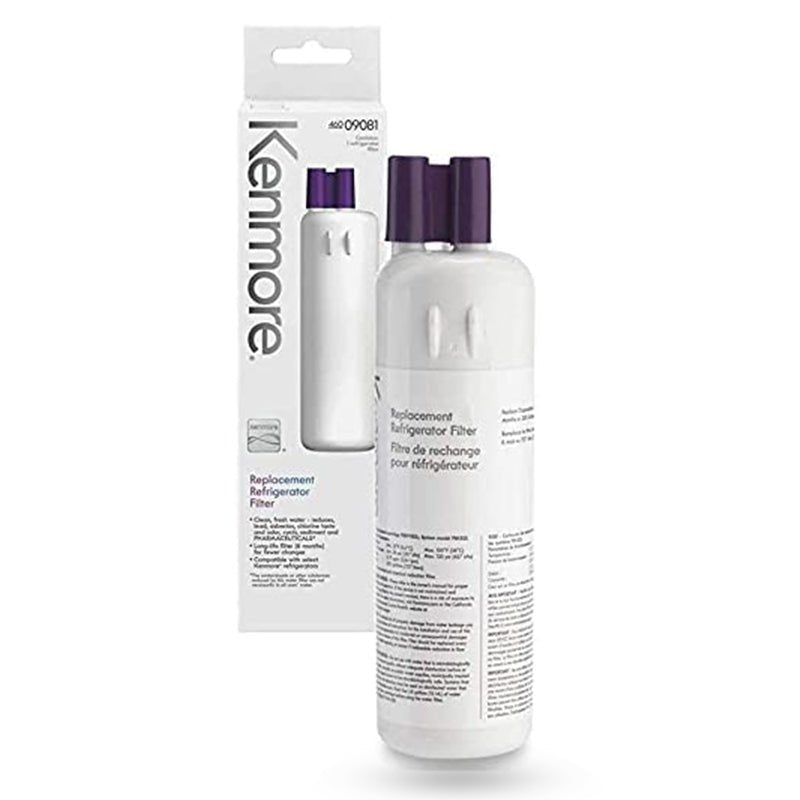
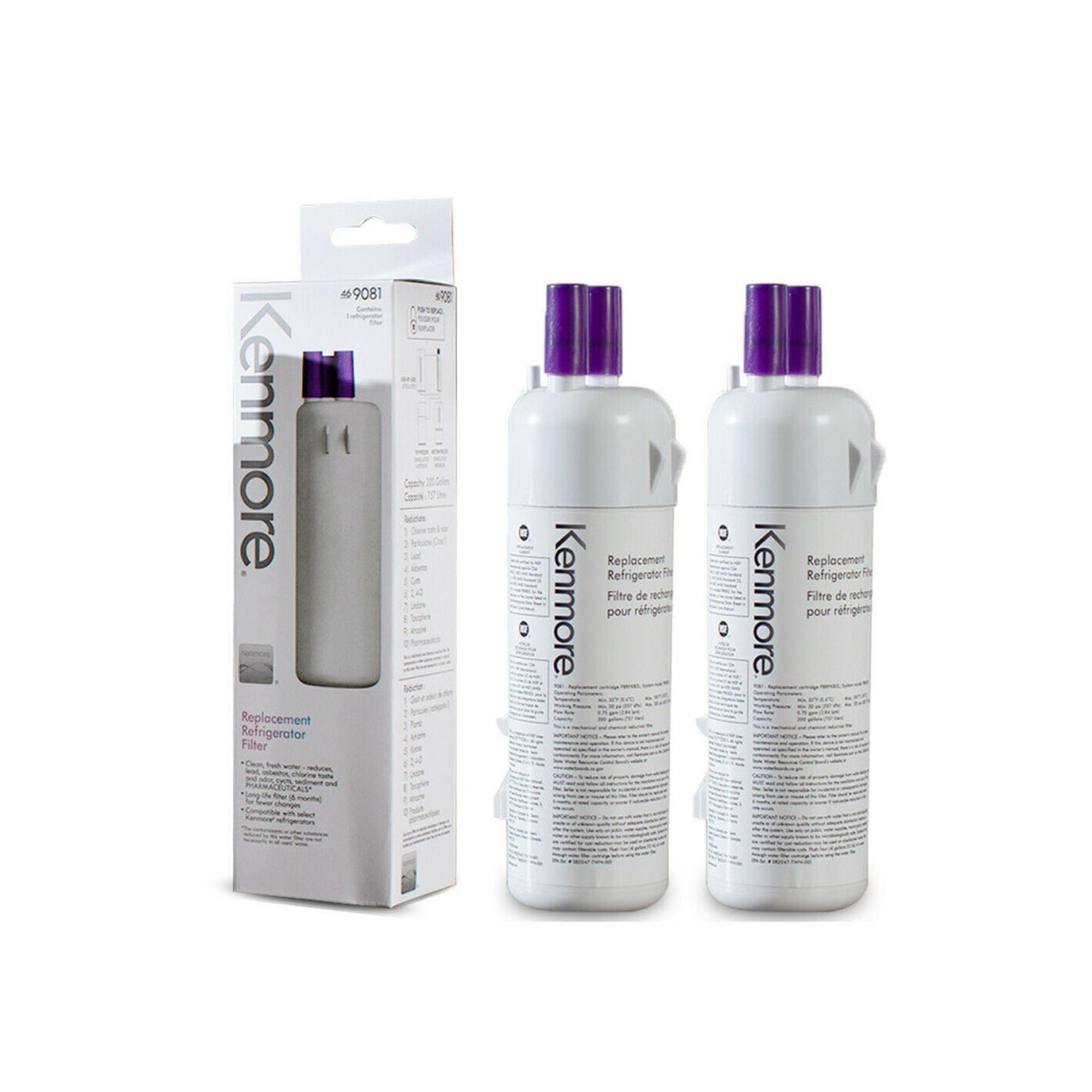
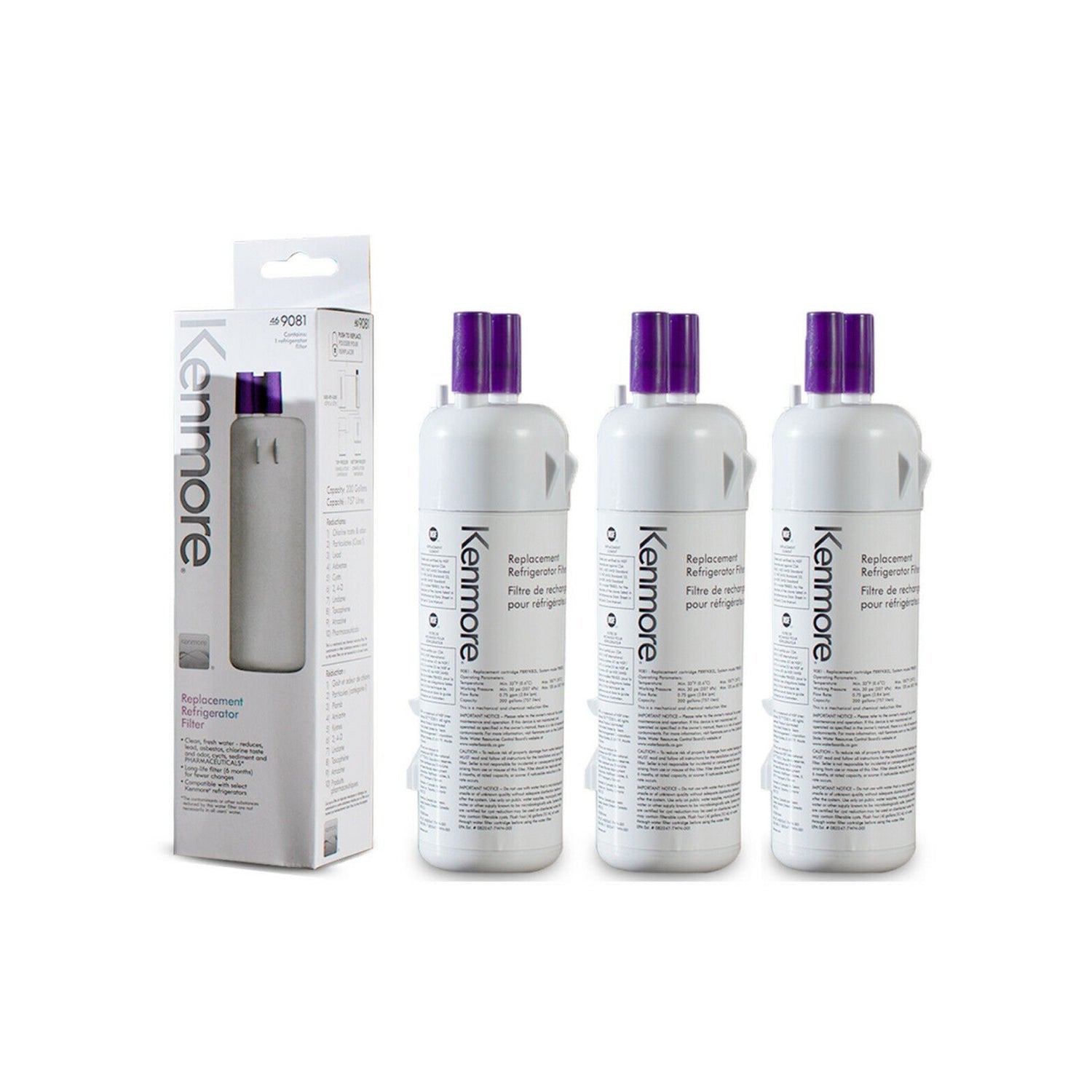
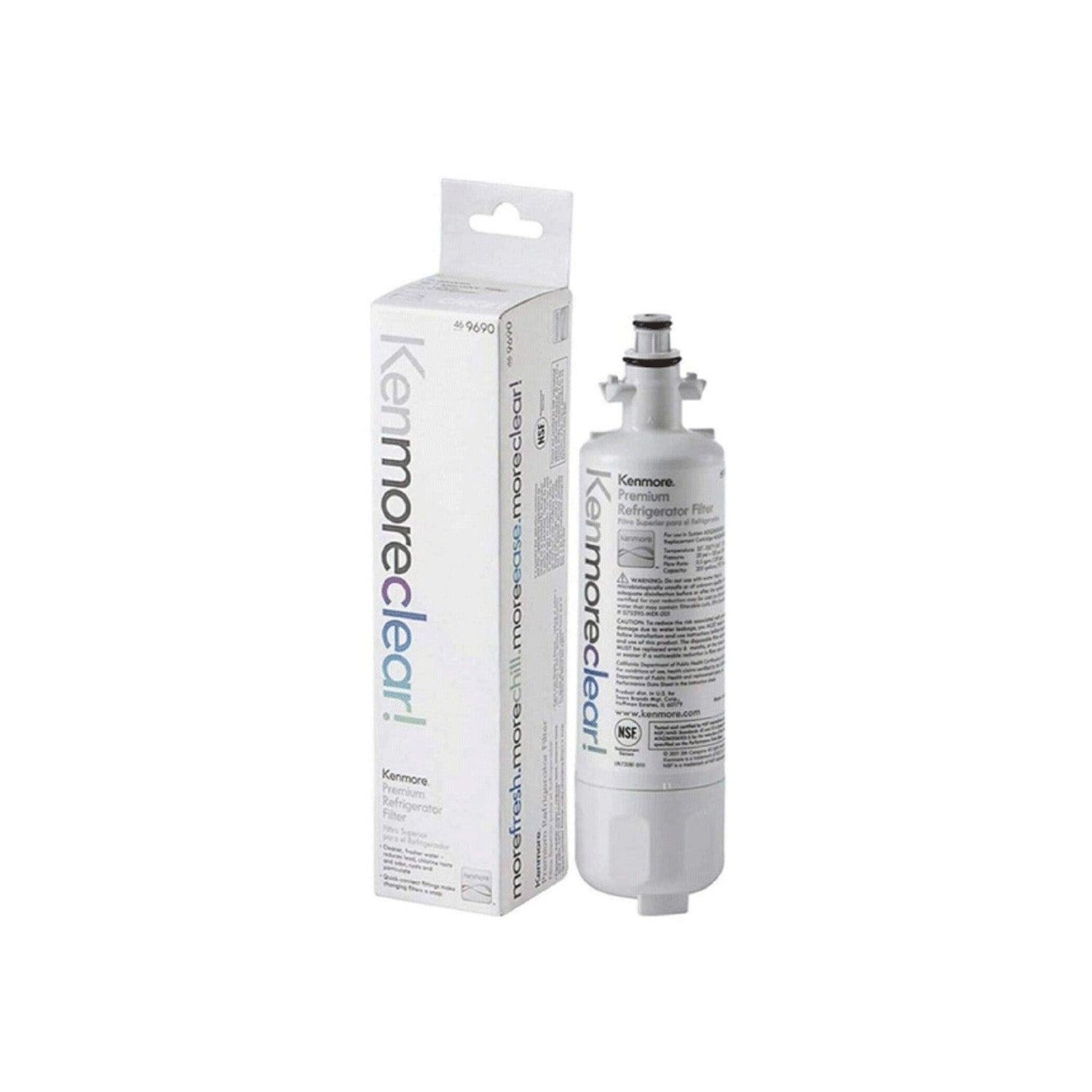
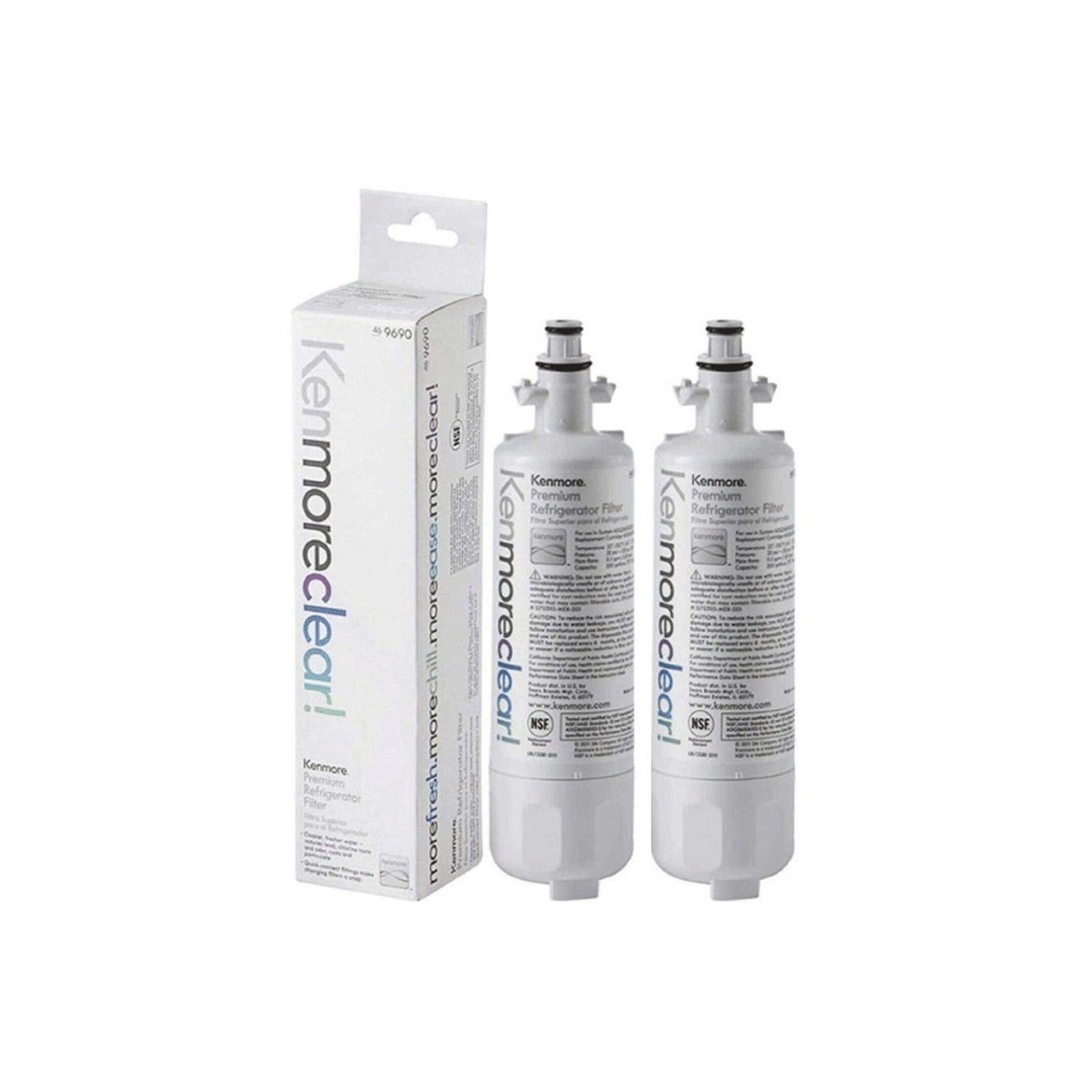
Indoor air often carries small particles that affect how clean a space feels. An air filter is a device used in HVAC systems that traps those particles as air moves through it. It captures dust, pollen, pet dander, and mold spores that flow through indoor air to keep spaces cleaner. Most homes and buildings use it in HVAC systems to improve indoor air quality during daily operation. These filters come as custom products with different types, including disposable options lasting 1 to 6 months and washable versions lasting up to 5 years.
How an Air Filter Works in HVAC Systems
An air filter works by letting air pass through a fine material that blocks unwanted particles. Air moves through the filter, and tiny contaminants get trapped inside its fibers. Most filters use materials like fiberglass, pleated fabric, or synthetic media to catch dust, pollen, and other small particles. This process helps protect HVAC systems and keeps indoor air cleaner as air circulates through the home.
Over time, the trapped particles build up inside the filter. Airflow slows down, and performance drops. Regular replacement keeps the system running well and maintains steady air quality.
Different Types of Air Filters and Their Uses
Air filters come in different types based on how they trap particles and where they are used. Each type offers a different level of filtration and use case.
-
Basic Flat Air Filters:
Basic flat filters use a simple layer of material to block larger particles. Air passes through a thin sheet that traps common debris. These filters mainly catch dust and larger airborne particles.
-
Pleated Air Filters:
Pleated filters use folded material to increase the surface area for trapping particles. This design helps air move through while capturing more debris. These filters can catch dust, pollen, and mold spores.
-
HEPA Air Filters:
HEPA filters trap very small particles from the air with high efficiency. Air moves through a dense fiber layer that captures fine dust and allergens. These filters can capture 99.97% of particles as small as 0.3 microns, making them a strong choice for allergy control.
-
Electrostatic Air Filters:
Electrostatic filters use an electric charge to attract and hold airborne particles. These filters pull in dust and other small particles as air passes through them. They can trap dust, pollen, and pet dander from indoor air.
-
Washable Air Filters:
Washable filters allow cleaning and reuse after use. Air passes through a reusable material that traps common dust and debris. These filters reduce waste and save cost over time, but they may not match the strength of high-efficiency pleated filters.
-
UV Air Filters:
UV filters use ultraviolet light inside the system to target germs in the air. Air flows through a chamber where UV light helps reduce bacteria and viruses. These filters often work alongside other filter types for better air cleaning.
-
Cut-To-Fit Air Filters:
Cut-to-fit filters come in a flexible sheet that can be trimmed to size. This allows them to fit different HVAC systems easily. They can trap dust, lint, and other common indoor particles.
-
Activated Carbon Air Filters:
Carbon filters use activated carbon to reduce odors and gases. Air moves through carbon material that traps smell-causing particles. These filters are often used to improve freshness in indoor air spaces.
Understanding What an Air Purifier Does
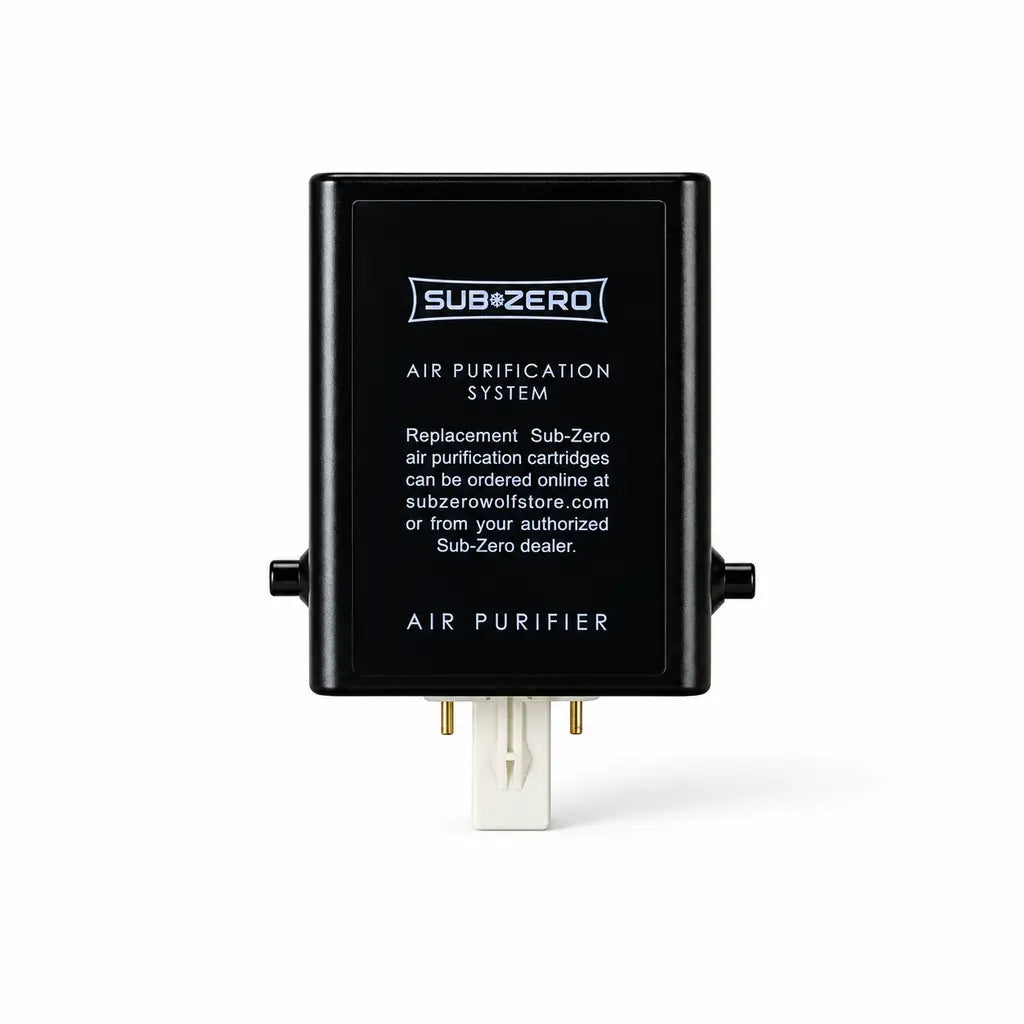
An air purifier is a device that cleans indoor air by removing unwanted particles and pollutants. It works by pulling air through built-in systems that filter and treat the air before releasing it back into the room. Many air purifiers use HEPA filters, carbon layers, UV light, or ion-based systems to target dust, allergens, odors, and harmful microbes. This helps improve indoor air quality in homes, offices, and other closed spaces.
Air enters the purifier through a fan system, passes through one or more cleaning stages, and then comes out as cleaner air. Each stage targets different types of contaminants, which allows the device to handle both small particles and airborne pollutants.
How an Air Purifier Works for Cleans Indoor Air
An air purifier uses a multi-stage system to clean indoor air through layered filtration and treatment. HEPA filters capture 99.97% of particles as small as 0.3 microns, including dust and allergens. UV light disrupts bacteria and viruses at a microbial level. Activated carbon absorbs odors and harmful gases from the air. Sensors track air quality and adjust performance in real time for consistent cleaning.
Different Types of Air Purifiers for Indoor Air Cleaning
Air purifiers come in different types based on the technology they use to clean indoor air, and each type targets specific pollutants and air quality needs.
HEPA Air Purifiers: These use high-efficiency particulate air filters to capture fine particles from indoor air. They remove up to 99.97% of particles as small as 0.3 microns, including dust, pollen, and pet dander. These systems focus on strong particle control for cleaner breathing air.
Activated Carbon Air Purifiers: These units use carbon material to absorb odors and gas pollutants. They reduce smells from smoke, cooking, and VOCs in indoor spaces. Note: they do not remove fine dust as effectively as HEPA systems.
UV Air Purifiers: These systems use ultraviolet light to target bacteria and viruses in the air. The light damages the structure of microbes to reduce their activity. They often work with filters to improve overall air cleaning.
Ionizer Air Purifiers: These devices release charged ions that attach to airborne particles. The particles become heavier and fall out of the air or get trapped on nearby surfaces. Note: some models may create trace ozone as a side effect.
Key Features of Air Filters You Should Know
-
Filtration Efficiency:
Filtration efficiency determines how effectively an air filter captures airborne particles. It works by trapping dust, pollen, and other fine pollutants as air passes through the filter media. Higher efficiency filters can capture even microscopic contaminants that affect indoor air quality. This helps create a cleaner and healthier breathing environment, especially in homes with allergy or asthma concerns.
-
Washable And Reusable Design:
Washable air filters are designed to be cleaned and reused multiple times instead of being replaced frequently. They use durable materials that can withstand repeated washing without losing basic filtration performance. This reduces ongoing maintenance costs and makes them more eco-friendly. Users benefit from long-term convenience and reduced waste.
-
Smart Monitoring Feature:
Some modern air filters come with smart monitoring capabilities that track filter condition in real time. These systems can detect when the filter is becoming clogged or less efficient. Alerts are sent to remind users when cleaning or replacement is needed. This ensures consistent air quality without manual guesswork.
-
Advanced Airflow Compatibility:
Advanced air filters are designed to work efficiently with modern HVAC and ventilation systems. They maintain balanced airflow while still trapping contaminants effectively. This helps prevent strain on the system and supports energy-efficient performance. As a result, users get clean air without compromising overall system efficiency.
Important Features of Modern Air Purifiers
-
HEPA Filtration System:
The HEPA filtration system is a core feature in many air purifiers. It is commonly included in most modern air purifier models. This system captures fine particles such as dust, pollen, and airborne allergens from the air. It helps improve indoor air quality and supports a healthier breathing environment.
-
Activated Carbon Filter:
The activated carbon filter is designed to reduce odors and harmful gases. It is available in many air purifiers, either as a standalone layer or combined with other filters. This filter works by absorbing smoke, cooking smells, and volatile organic compounds. It helps maintain fresher and cleaner indoor air.
-
Smart Air Quality Sensor:
A smart air quality sensor is included in some advanced air purifier models. It continuously monitors the level of pollutants in the surrounding air. When pollution levels increase, the purifier automatically adjusts its performance. This ensures efficient air cleaning without manual control.
-
Multiple Fan Speed Modes:
Multiple fan speed modes are available in most air purifier units. These modes allow users to adjust airflow based on room conditions and needs. Higher speeds help clean air faster, while lower speeds support quiet operation. This improves user comfort and energy efficiency.
Materials Used in Air Filters
Synthetic Fiber:
Synthetic materials are man-made fibers used in air filter construction. These materials are designed to capture dust, pollen, and other airborne particles as air passes through the filter layers. They are commonly used in HVAC systems, air purifiers, and general ventilation units. Synthetic filters are valued for their durability, consistent performance, and cost-effectiveness in long-term use.
Activated Carbon:
Carbon material, usually in the form of activated carbon, is widely used in air filters for gas and odor removal. It works by adsorbing smoke, chemical fumes, and volatile organic compounds from the air. This material is often found in air purifiers and advanced filtration systems. Carbon filters are effective in improving indoor air freshness and reducing unpleasant odors.
Non-Woven Fabric:
Fabric-based filter materials are typically made from woven or non-woven textile fibers. These materials help trap larger particles such as dust and lint while allowing smooth airflow. They are commonly used in basic air filtration systems and pre-filters. Fabric filters offer easy maintenance and are often reusable depending on the design.
Polyurethane Foam:
Foam materials are porous structures used for capturing larger airborne particles. They function by allowing air to pass through while trapping contaminants within their open-cell structure. Foam filters are frequently used in pre-filtration stages and portable air cleaning devices. They are appreciated for their flexibility, washability, and long service life.
Air Filter vs Air Purifier: Side-by-Side Comparison
This table highlights the key differences between air filters and air purifiers based on their function and usage.
|
Feature |
Air Filter |
Air Purifier |
|
Primary Function |
Traps particles from airflow |
Cleans and circulates indoor air |
|
Target Pollutants |
Dust, pollen, debris |
Dust, allergens, gases, microbes |
|
Usage Context |
HVAC and ventilation systems |
Rooms, homes, personal spaces |
|
Technology Type |
Mechanical filtration media |
HEPA, carbon, UV, ionization |
|
Air Treatment Scope |
Passive filtration |
Active air cleaning system |
How to Decide Between an Air Filter and Air Purifier
When choosing between air filters and air purifiers, your decision should depend on where and how you plan to use them. If you need whole-home filtration through an existing HVAC system, an air filter is more suitable. If you want targeted air cleaning for a specific room with multiple pollutants, an air purifier is a better option.
Air Filter vs Air Purifier: When to Use Each or Combine Both
Indoor air needs are rarely the same for every space or situation. Some environments demand system-level filtration, while others need targeted air cleaning. In many cases, combining both solutions delivers the most balanced indoor air quality.
For Allergy and Asthma Sufferers:
Allergy and asthma issues are often triggered by dust, pollen, and fine airborne particles. These pollutants circulate continuously indoors and can worsen respiratory discomfort over time.
Air filters help reduce these triggers by capturing larger particles through HVAC systems. Air purifiers add deeper protection by removing fine allergens using HEPA filtration, creating a more controlled breathing environment.
For many users, using both ensures consistent airflow filtration along with room-level purification, offering more stable relief from symptoms.
For Wildfire Smoke and VOC Exposure:
Smoke and chemical fumes from wildfire events or household sources can quickly degrade indoor air quality. These pollutants often include fine particles and volatile organic compounds that linger in enclosed spaces.
Air filters can reduce some particulate matter through central ventilation systems. Air purifiers with activated carbon and multi-stage filtration are more effective at removing smoke and gaseous pollutants.
Using both together helps manage both circulating air and localized contamination, improving overall indoor air safety during high-exposure conditions.
For Pet Owners:
Homes with pets often experience continuous shedding of hair, dander, and odor buildup. These particles spread through rooms and settle into fabrics and ventilation systems.
Air filters assist by trapping pet hair and larger debris within HVAC airflow. Air purifiers help capture fine dander and reduce lingering pet odors through advanced filtration layers.
Combining both systems helps maintain cleaner air circulation while keeping individual rooms fresher and more comfortable.
For Whole-Home Air Quality Control:
Maintaining consistent air quality across an entire home requires both system-level and localized control. Relying on a single solution may leave gaps in filtration coverage.
Air filters manage baseline air quality by cleaning air through central HVAC systems. Air purifiers provide additional support in high-use or high-exposure rooms where pollutants accumulate more quickly.
Together, they create a layered approach that improves overall air cleanliness and ensures more balanced protection throughout the living space.