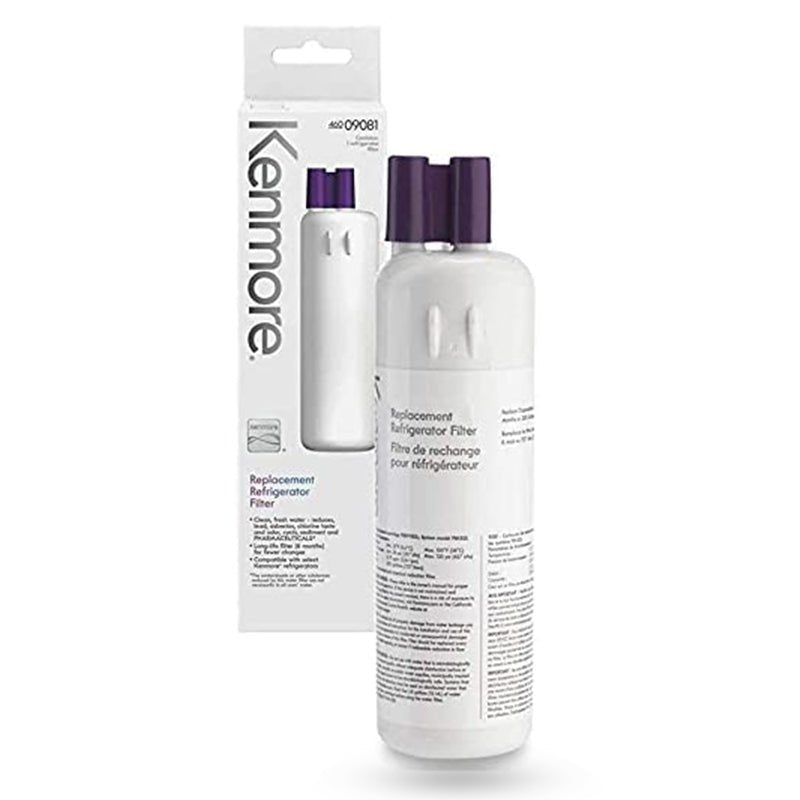
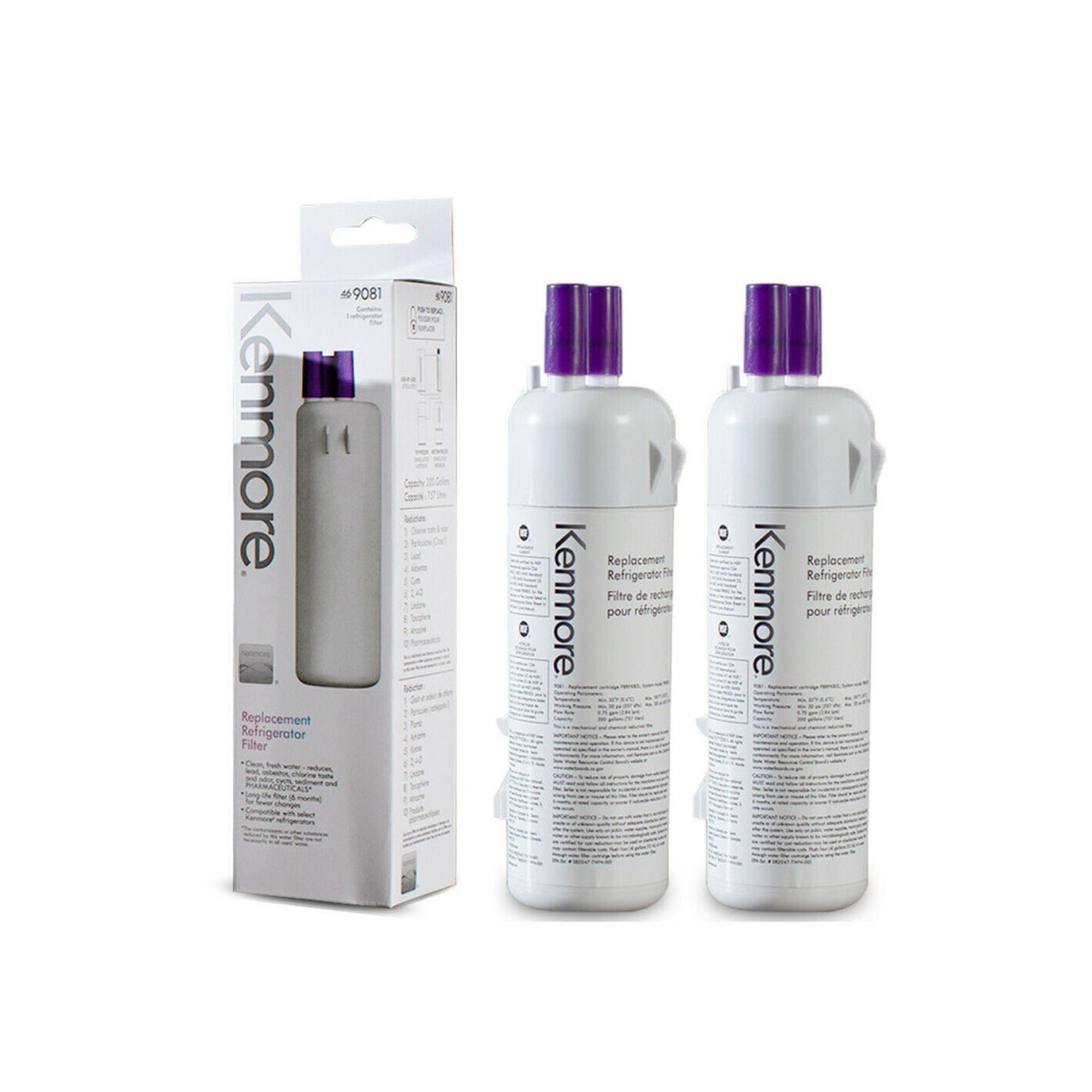
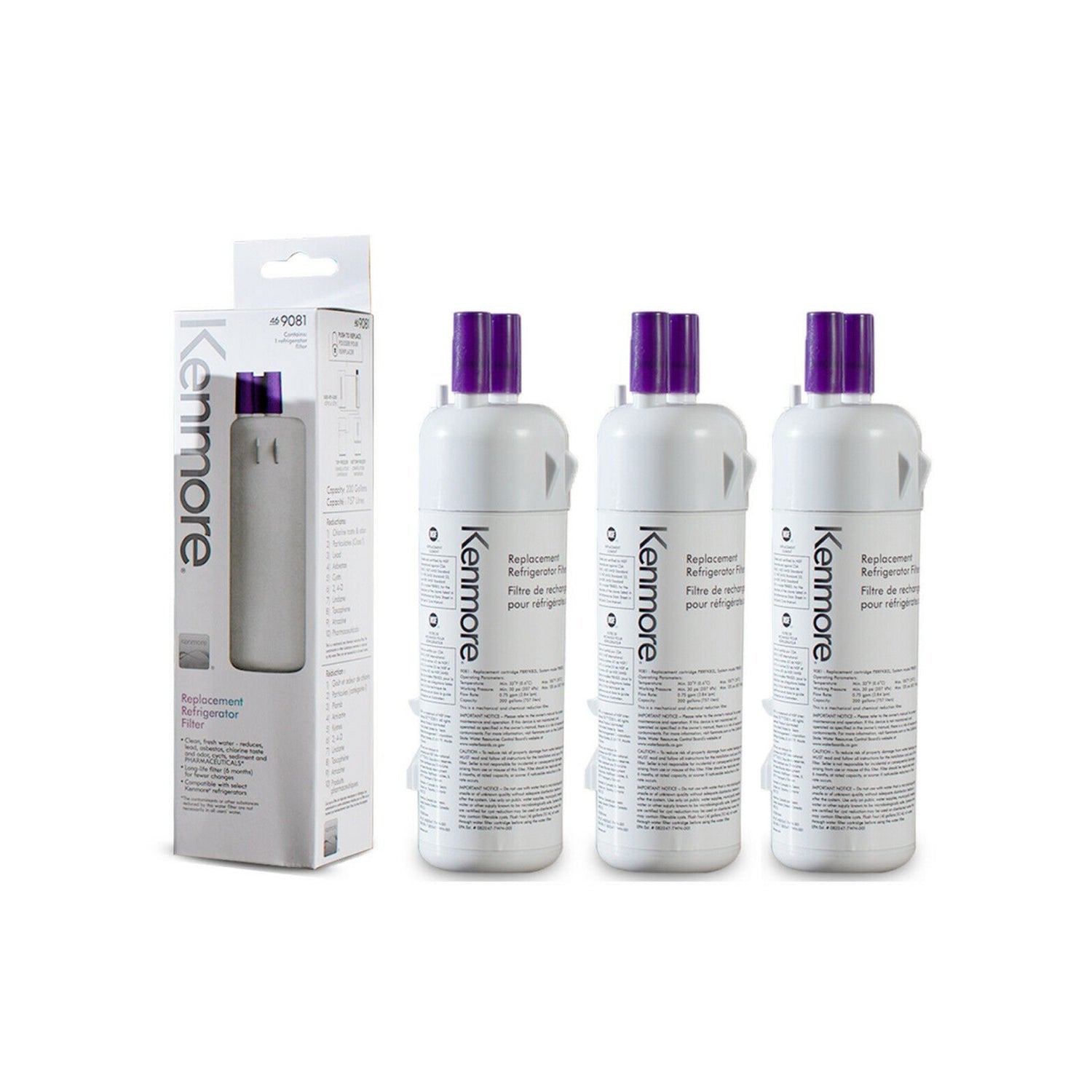
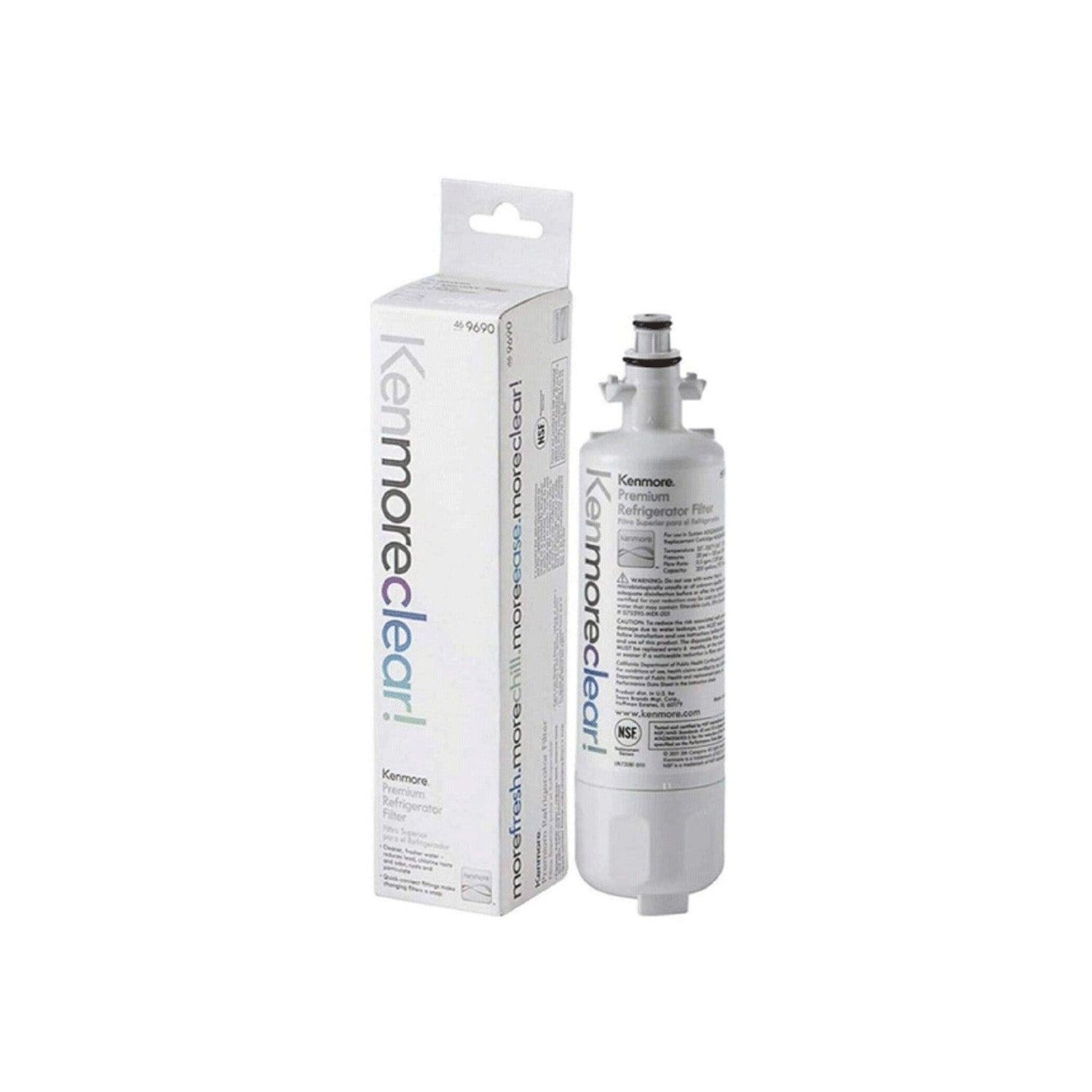
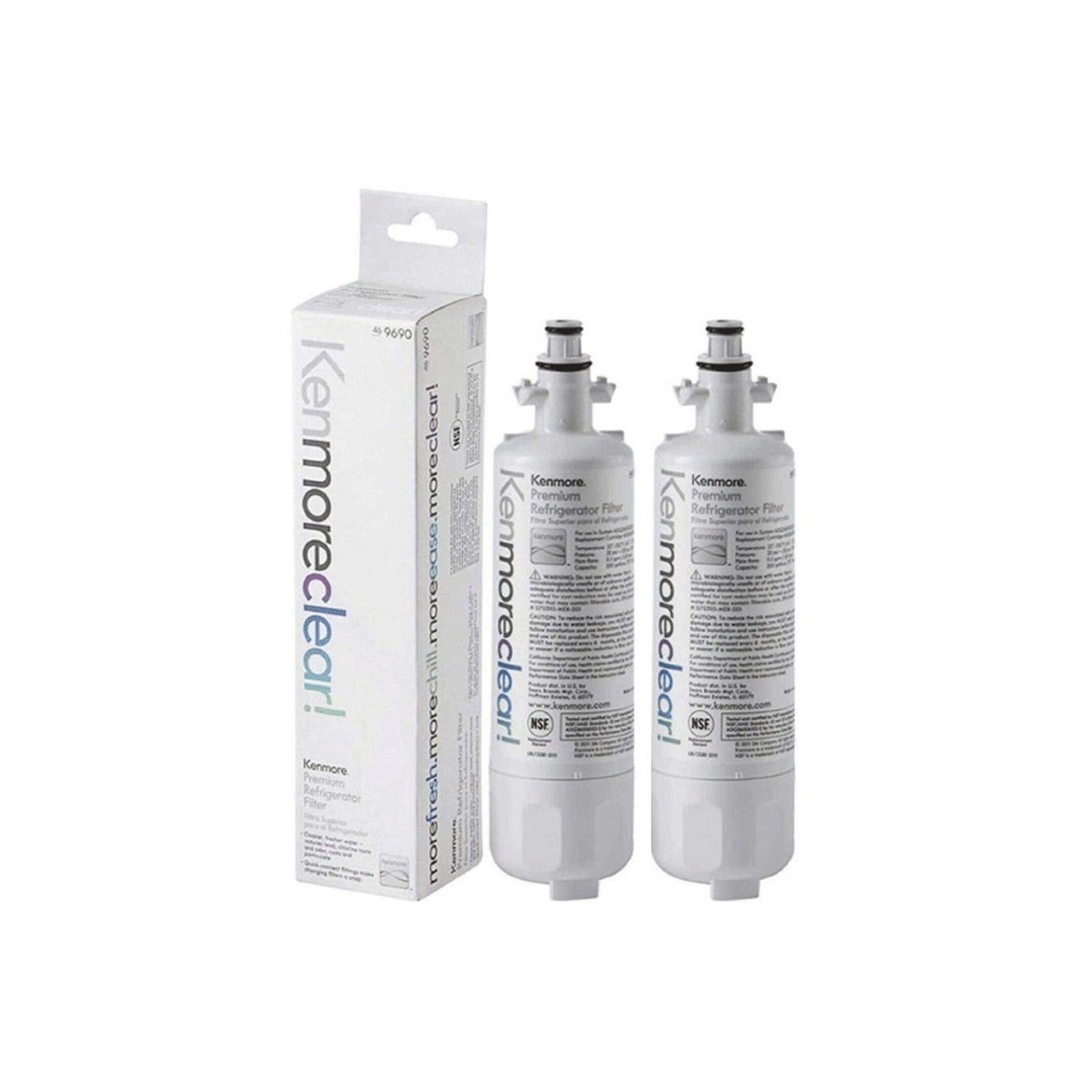
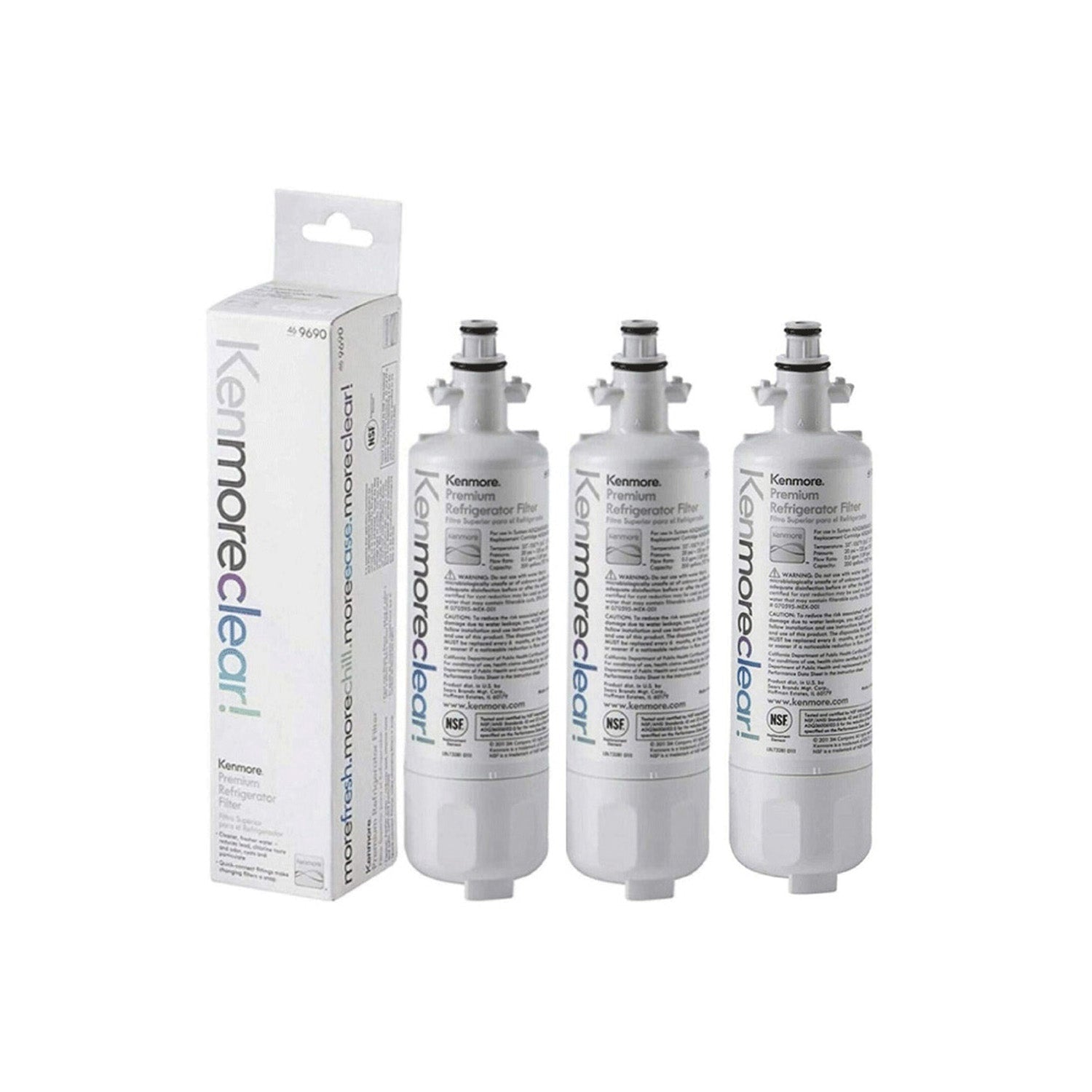
Water from a new refrigerator filter can taste strange right after installation. Many people expect clean water right away, but trapped air and loose carbon dust often affect the first few gallons. Clean and fresh water should come right away, yet a simple flush helps make that happen fast. The steps below show how to get clear water flowing again right after a filter change.
Understanding the Water Filter Flushing Process
Flushing a new refrigerator water filter sends water through the cartridge for a set time. This step clears loose carbon dust created during manufacturing. Air pockets inside the system are also removed during this process. Proper flushing helps improve taste and keeps the water flow steady.
A few drops may appear right after dispensing and this is normal. Holding the glass under the dispenser for two to three seconds after release helps catch any remaining drips.
How to Flush the Water Supply System
- Before beginning, place a durable container beneath the dispenser to collect the water.
- Push and hold the dispenser paddle for 5 seconds, then pause for 5 seconds before repeating.
- You may notice bursts of water or sputtering as trapped air is forced out of the line.
- Continue cycling the dispenser until a consistent stream of water is produced.
- Keep repeating the process until approximately 1 to 4 gallons of water have been dispensed through the system.
Water Dispensing Requirements After Filter Installation
The quantity of water required to condition a new filter depends on the model installed in your refrigerator. While certain filters only require 1 or 2 gallons to be dispensed, others may need up to 4 gallons for proper system flushing. Check the instructions provided with your specific filter to confirm the correct amount. For example, everydrop Water Filter A calls for 1 gallon, while many other everydrop filters recommend dispensing 4 gallons.
Once the flushing process is complete, give the refrigerator approximately 24 hours to reach the proper cooling temperature and fully chill the water. To help keep the water supply fresh, dispense a sufficient amount of water each week.
Preparing the Ice System After Installation
For refrigerators equipped with an ice maker but no built-in water dispensing feature, flush the system by making and discarding the first three batches of ice after connecting the water line or installing a new filter. This process helps clear away any residual carbon particles from the filter.
Keep in mind that ice quality depends directly on the water entering the appliance. It is best not to connect the ice maker to water that has been treated by a softening system, as minerals and additives used during softening can affect performance and ice production. If using softened water is unavoidable, verify that the water softener is functioning correctly and receiving regular maintenance.