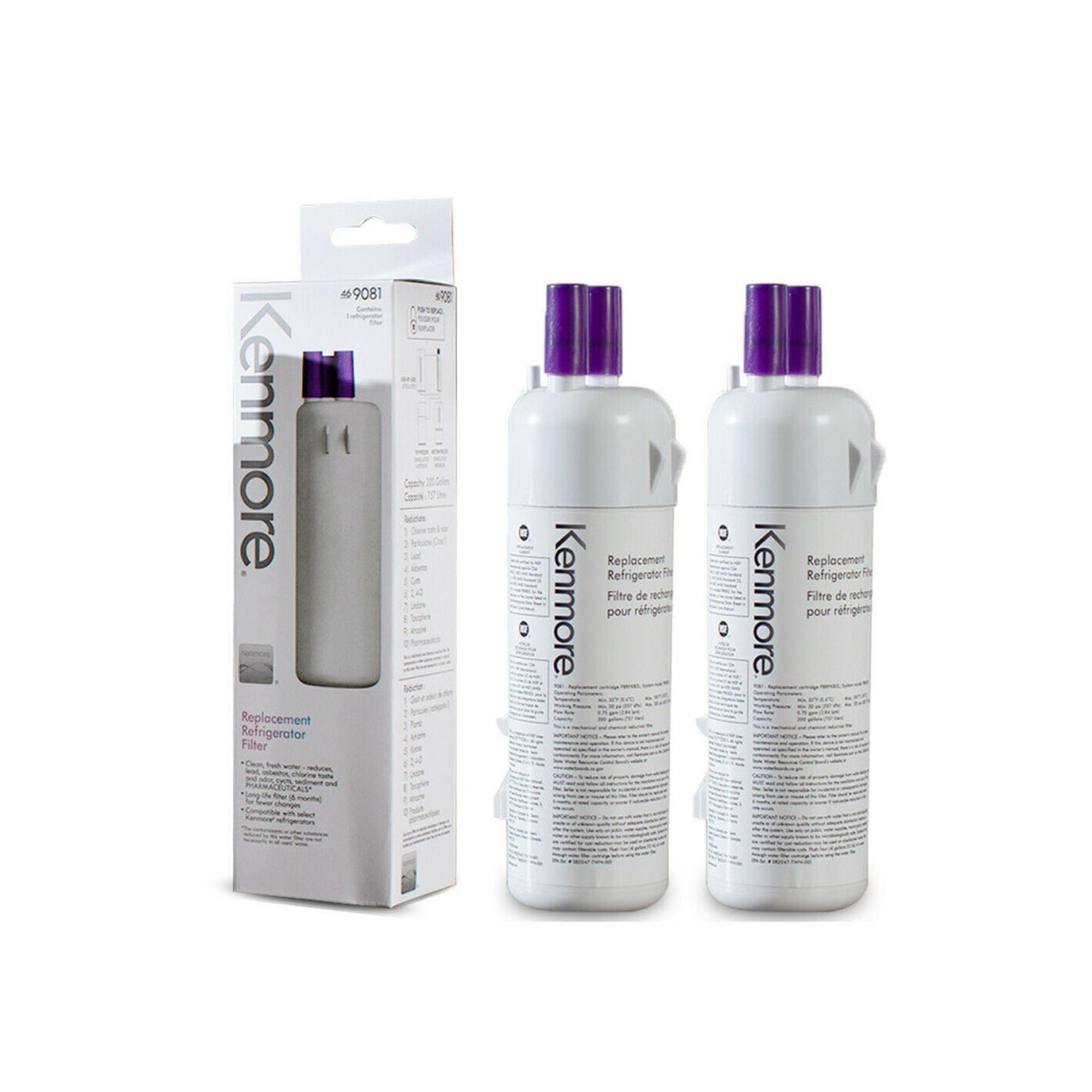
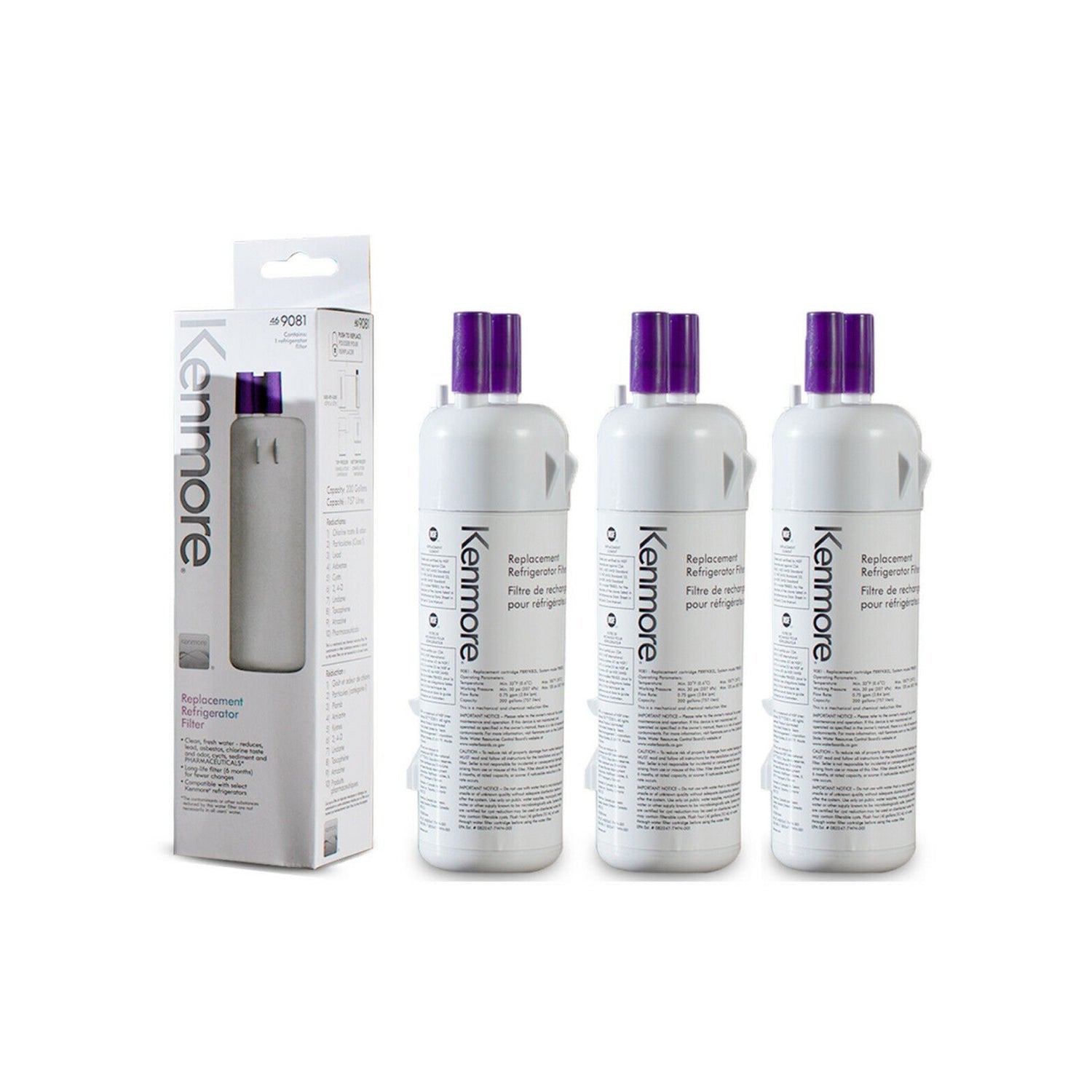
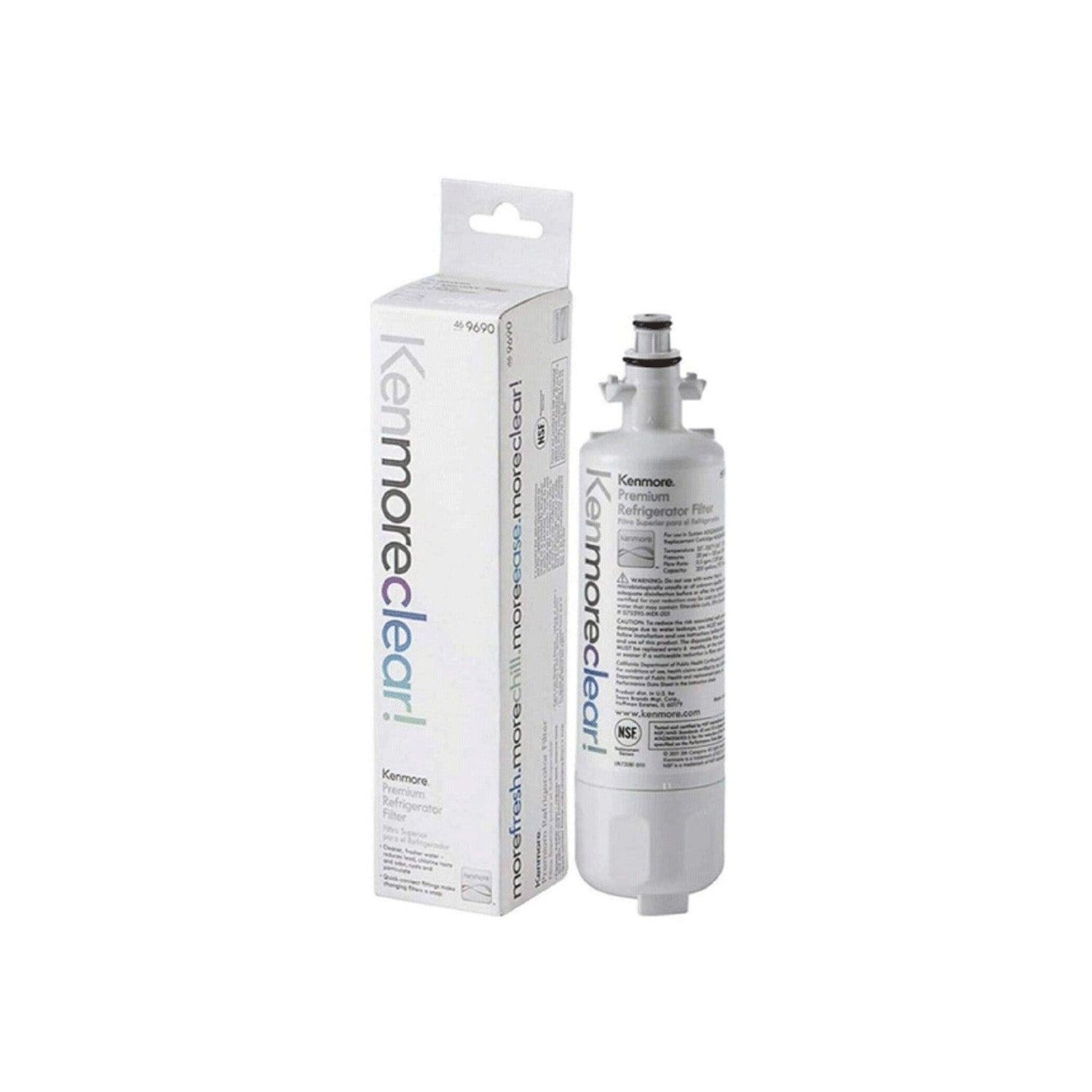
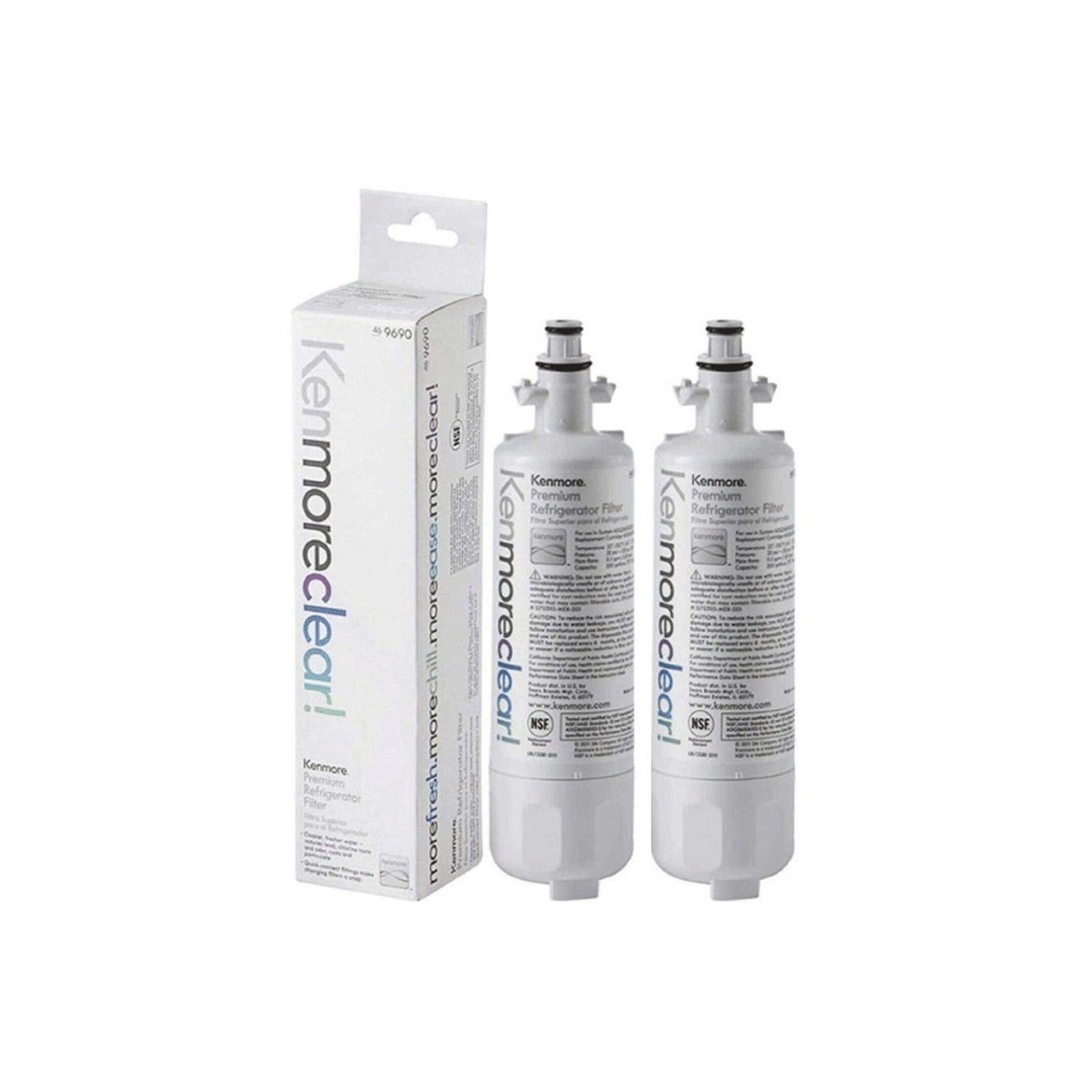
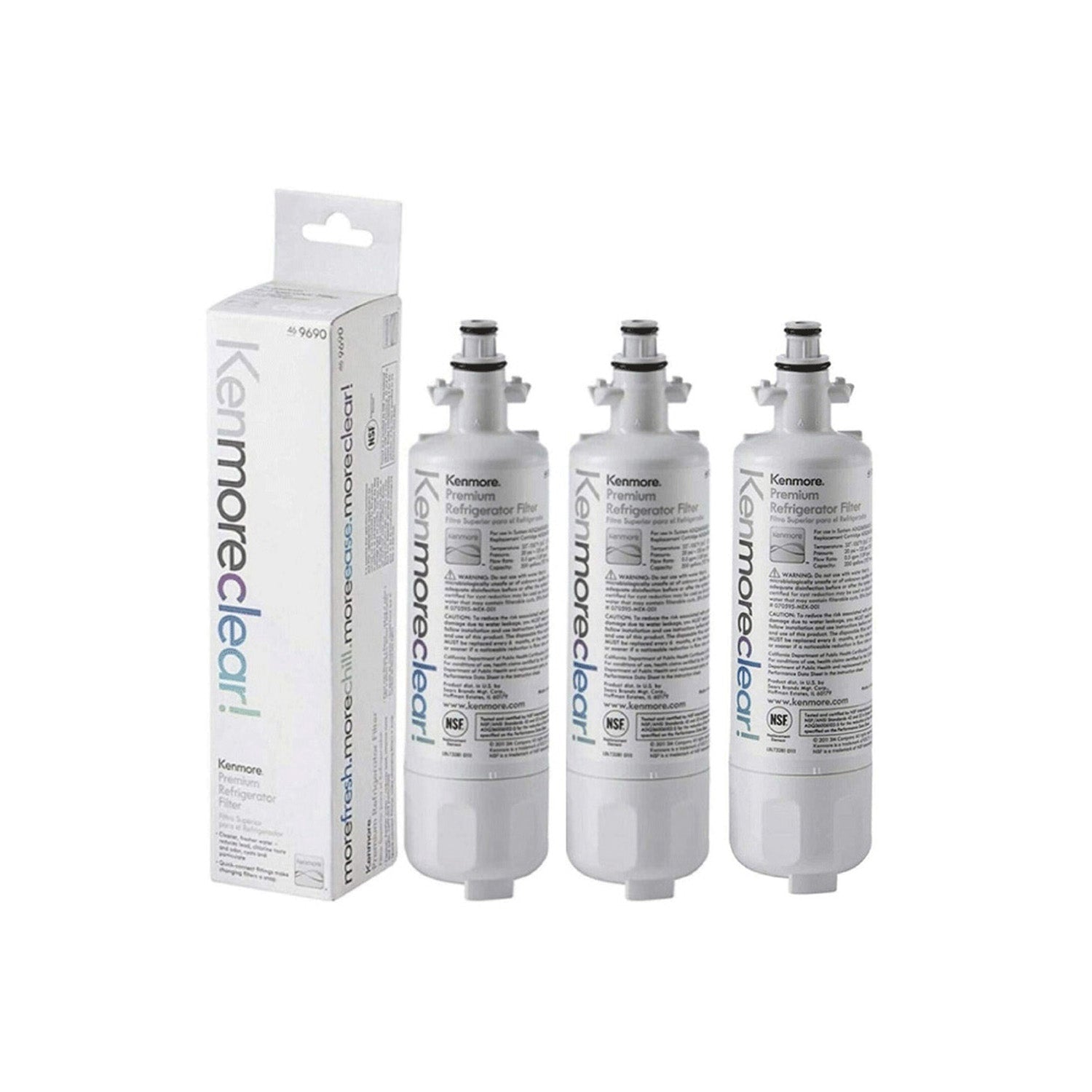
Bad smells inside a fridge can ruin fresh food and make every snack feel less appealing. Many people replace leftovers, scrub shelves, and toss baking soda inside the fridge, yet stale odors still return after a few days. A refrigerator air filter helps trap food smells, smoke, and other dirty particles before they spread through the compartment. The right filter can keep produce fresher, cut strong odors, and help your refrigerator smell clean every day. Picking the correct filter may seem confusing because refrigerators use different filter types, sizes, and replacement schedules. This guide breaks down everything in steps so you can choose the refrigerator air filter for your kitchen with confidence.
What Is a Refrigerator Air Filter and How Does It Work?
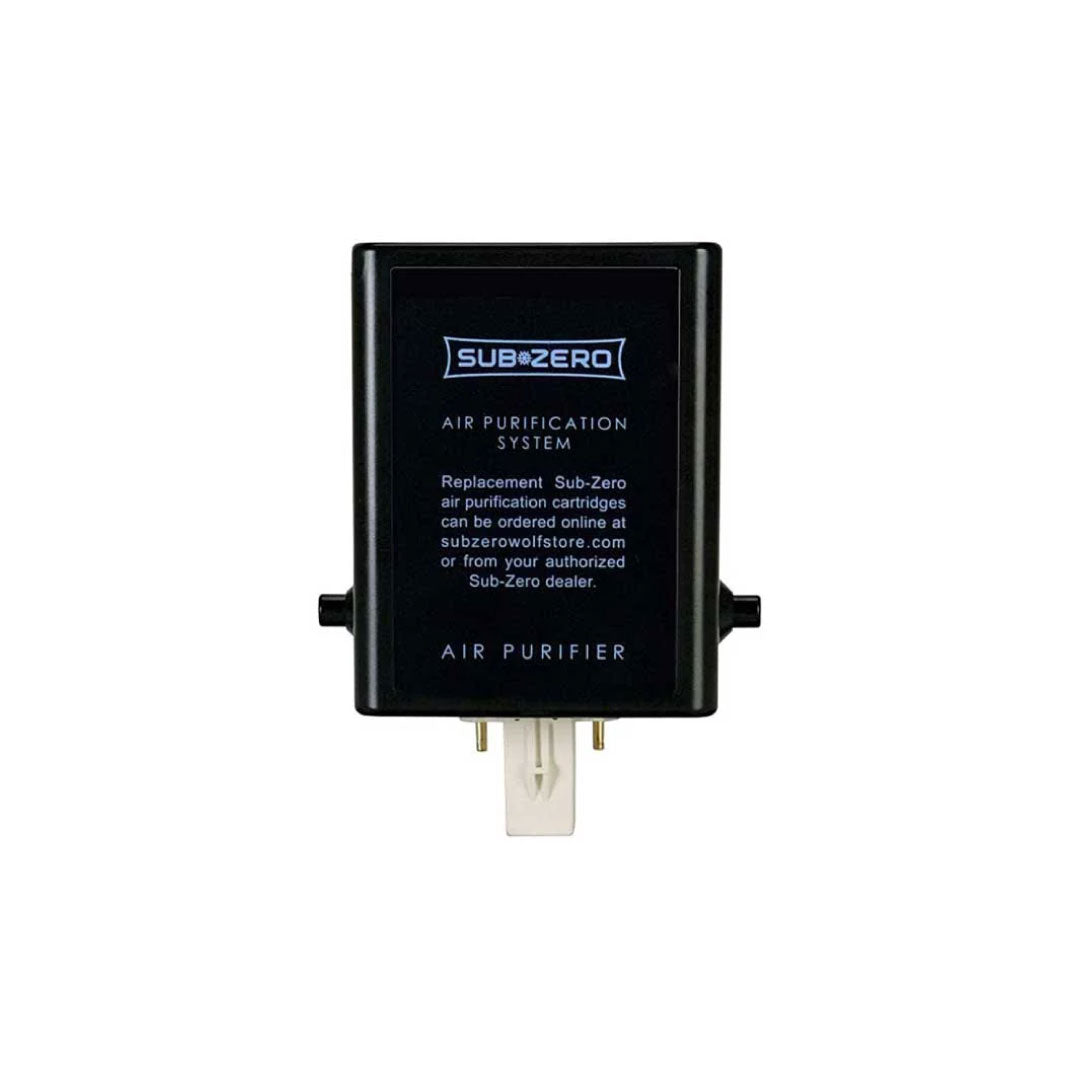
A refrigerator air filter helps remove odors and airborne particles that circulate inside your refrigerator while keeping stored food smelling fresher for longer. These filters are usually installed near the airflow system and work continuously during regular refrigerator use. Not every refrigerator model includes an air filter but those that do can help reduce unpleasant smells and odors.
Beyond controlling odors, refrigerator air filters may also capture additional contaminants that can affect overall freshness, cleanliness, and refrigerator air quality over time naturally.
- Mold spores
- Bacteria
- Yeast particles
- Strong food odors
- Airborne contaminants
Contamination problems often develop around produce drawers, uncovered leftovers, and moisture-heavy storage areas where bacteria and odors can build quickly. As air circulates through the refrigerator, unwanted particles may spread between foods and shelves. A functioning air filter helps limit those circulation-related problems.
Why Refrigerator Air Filters Matter for Food Freshness?
Refrigerator air filters are essential for maintaining fresher cleaner refrigerator air. Many homeowners do not realize their refrigerator even has an air filter until odors start building inside. If you have never replaced yours, you are not alone. Learning when and why to change the filter can help keep your refrigerator cleaner.
It helps to understand what a refrigerator air filter actually does before replacing it. From there, you can learn about filter replacement schedules and why regular maintenance matters for performance.
How a Refrigerator Air Filter Works?
Most refrigerator air filters use activated carbon to absorb odors and airborne particles inside the refrigerator. Here is a simple breakdown of the process.
-
Filter Placement: Refrigerator air filters are usually installed near vents or airflow pathways where moving air continuously passes through the filtration system inside regularly.
-
Odor Absorption: As refrigerator air circulates, the carbon filter traps odors from foods like onions, leftovers, seafood, and strong cheeses before they spread. Activated carbon contains absorbent material that helps capture unwanted airborne particles and smells while improving overall freshness inside the refrigerator compartment over time.
-
Continuous Circulation: Refrigerator fans continue moving air throughout the interior while the filter repeatedly captures odors and airborne particles during normal refrigerator operation each day.
This continuous filtration process helps refrigerators maintain fresher airflow, reduce unpleasant food odors, and create a cleaner storage environment for everyday groceries and leftovers.
Do You Really Need a Refrigerator Air Filter?
Refrigerator air filters are not strictly required for a refrigerator to function, but they play an important role in improving overall food storage conditions and day-to-day freshness. These filters help reduce lingering odors, support cleaner internal airflow, and contribute to a more hygienic environment where food stays fresher for longer.
By limiting the spread of odor-causing particles and airborne contaminants, they can also help reduce the conditions that lead to faster food spoilage and unwanted smells inside the refrigerator. Over time, this can translate into less food waste and a more consistent level of freshness across stored items.
For households that store a variety of fresh produce, dairy, or raw meats, refrigerator air filters can be especially valuable. Individuals with sensitivities to odors, or households where maintaining strict food hygiene is important, often benefit the most from having a working filter in place.
In these cases, the filter is less of a convenience feature and more of a supportive tool for maintaining cleaner storage conditions and reducing exposure to bacteria-prone environments inside the refrigerator.
Where Is the Refrigerator Air Filter Located?
In the majority of refrigerators, the air filter is located inside the fridge on the back wall near the top section.However, the exact position may vary depending on the brand and model of the refrigerator. This placement is intentional, as air filters are installed at the air intake point to capture odors and contaminants as air circulates inside the unit.
Why Do You Need to Replace Your Refrigerator Air Filter?
Reason 1: Keep Your Refrigerator Smelling Fresh
Your refrigerator is a sealed environment where food is constantly stored, opened, and mixed together. Over time, this creates a buildup of strong odors that linger inside the compartment and affect everything you store. Without a functioning air filter, these smells circulate freely and become harder to control, especially in tightly packed fridges where airflow is limited.
Air inside the fridge doesn’t just sit still; it continuously moves around shelves and drawers. When that air is not properly filtered, odor particles from meats, vegetables, and leftovers spread quickly and settle into other foods. This is why even freshly stored items can start to take on unwanted smells after a short time.
Baking soda may seem like a simple, low-cost solution for odor control, but it only absorbs limited surface smells in a small area. It does not actively filter circulating air or remove airborne particles throughout the entire refrigerator system, which makes it far less effective for long-term freshness.
Reason 2: Keep Your Refrigerator Cleaner and More Hygienic
A refrigerator air filter plays a critical role in reducing airborne contaminants that can build up inside the unit over time. As food ages and moisture increases, microscopic particles and bacteria can spread through the air circulation system, especially in areas where raw food is stored.
Without proper filtration, these particles may settle in drawers and on surfaces, increasing the risk of cross-contamination between different food types. This is particularly important in sections like meat and vegetable compartments, where moisture and organic material create ideal conditions for bacterial growth.
Health Benefits of Replacing Refrigerator Air Filters
Maintaining a clean airflow system inside your fridge helps reduce exposure to airborne bacteria and mold spores that can affect food safety. This becomes especially important for households storing perishable items for longer periods, as poor air quality inside the fridge can accelerate food spoilage and increase the risk of contamination-related health issues.
A properly functioning air filter helps maintain a more controlled and hygienic environment, supporting both food freshness and overall household safety.
Signs Your Refrigerator Air Filter Needs Replacement
Your refrigerator air filter often degrades gradually, so the warning signs are easy to overlook until performance drops noticeably.
- Strong lingering odors inside the fridge
- Unusual smell transfer between foods
- Reduced cooling freshness overall
- Filter indicator light turning on
- Replace filter if over six months old
Professionals suggest changing refrigerator air filters every six months for best results.
How Often Should You Replace a Refrigerator Air Filter?
Refrigerator air filters gradually become clogged with trapped particles and lose effectiveness over time, which can reduce airflow inside the unit and force the appliance to work harder than necessary. Most manufacturers recommend replacing the air filter approximately every six months to maintain proper circulation and keep odors under control. When the filter is not changed on schedule, the refrigerator may consume more energy, which can gradually increase electricity costs and reduce overall efficiency.
To make maintenance easier, it is helpful to replace the air filter at the same time as other routine components, such as the water filter, so both systems remain in optimal condition. Sticking to a consistent six-month replacement cycle ensures stable performance and helps prevent unnecessary strain on the cooling system. After installing a new filter, resetting the filter indicator light (if available) ensures the appliance continues tracking maintenance accurately.
How to Replace a Refrigerator Air Filter Step by Step
Replacing a refrigerator air filter is a simple maintenance task that helps keep your fridge smelling fresh and your food stored in a cleaner environment. Even if it seems technical at first, the process is usually quick and doesn’t require any special tools, making it an easy routine job for most households.
Before starting, it helps to know that filter placement can vary depending on the refrigerator brand and model. Many popular manufacturers such as Whirlpool, LG, and Electrolux place the air filter either inside the upper corner of the fridge or behind a small cover panel, so checking your user manual can make the process faster and easier.
Step 1: Find the Refrigerator Air Filter
Find the air filter inside your refrigerator, usually in the top interior section or rear panel. If you’re unsure, refer to the fridge manual for the exact position.
Step 2: Remove the Old Refrigerator Air Filter
Twist, slide, or pull the filter out depending on your model. Do this gently to avoid damaging the holder or surrounding compartment.
Step 3: Install the New Refrigerator Air Filter
Unpack the new filter, remove any protective wrapping, then insert it into the slot until it locks or clicks into place. Some models may require a twist to secure it properly.
Step 4: Reattach the Filter Cover
If there is a protective cover or panel, place it back securely over the filter area to restore normal airflow design.
Step 5: Reset the Refrigerator Filter Indicator
If your refrigerator has a filter, change light, press and hold the reset button until the indicator turns off or resets. This ensures the system tracks the next replacement cycle correctly.
The entire process is usually straightforward and takes only a few minutes. If anything feels unclear, your refrigerator’s manual will always provide model-specific instructions. Once completed, your fridge will immediately benefit from improved airflow and fresher internal air keeping your food environment cleaner and more efficient.
Do All Refrigerators Have an Air Filter?
Not all refrigerators are equipped with an air filter, as this feature varies depending on the model, brand, and design specifications.
Here are some ways to check if your refrigerator has an air filter:
-
In many models, the air filter is located inside the fridge near the top rear panel. Its exact position can vary depending on the manufacturer, so if it’s not visible, checking the user manual will confirm whether your refrigerator includes one and where it is placed.
-
Some units make identification easier by adding a small compartment labeled “Air Filter,” which helps you quickly locate the filter without needing to inspect multiple areas.
What to Do If Your Refrigerator Does Not Have an Air Filter
That’s completely fine no worry! Many refrigerators are designed without a built-in air filter. The good news is you can still control odors and maintain freshness by adding a universal solution. A simple option like an aftermarket refrigerator air filter can be placed inside your fridge to help reduce smells and keep food fresher, regardless of the model.
How to Choose the Best Refrigerator Air Filter
Much like selecting the correct water filter for a refrigerator, the process of identifying the right air filter follows a similarly straightforward approach. This code helps you match the exact replacement, and it is usually printed on the filter frame, label, or housing depending on your refrigerator model and brand specifications for accurate selection.
If you cannot find the product number, your next step is to check the refrigerator’s user manual or look for a label inside the fridge door or rear compartment that lists compatible filter options. These sources often guide you to the correct replacement choice quickly and easily.
When all else fails, rely on trusted appliance brands or authorized retailers to search by refrigerator model and find compatible air filters quickly. Using their catalog tools ensures accuracy and a hassle-free purchase process.
How Long Does a Refrigerator Air Filter Last?
Refrigerator air filters typically last around six months before they need to be replaced. However, the exact lifespan can vary depending on the filter quality and how frequently your refrigerator is used.
Some refrigerator models are equipped with a built-in indicator light that alerts you when the air filter is reaching the end of its usable life. This feature helps remove guesswork and ensures timely replacement.
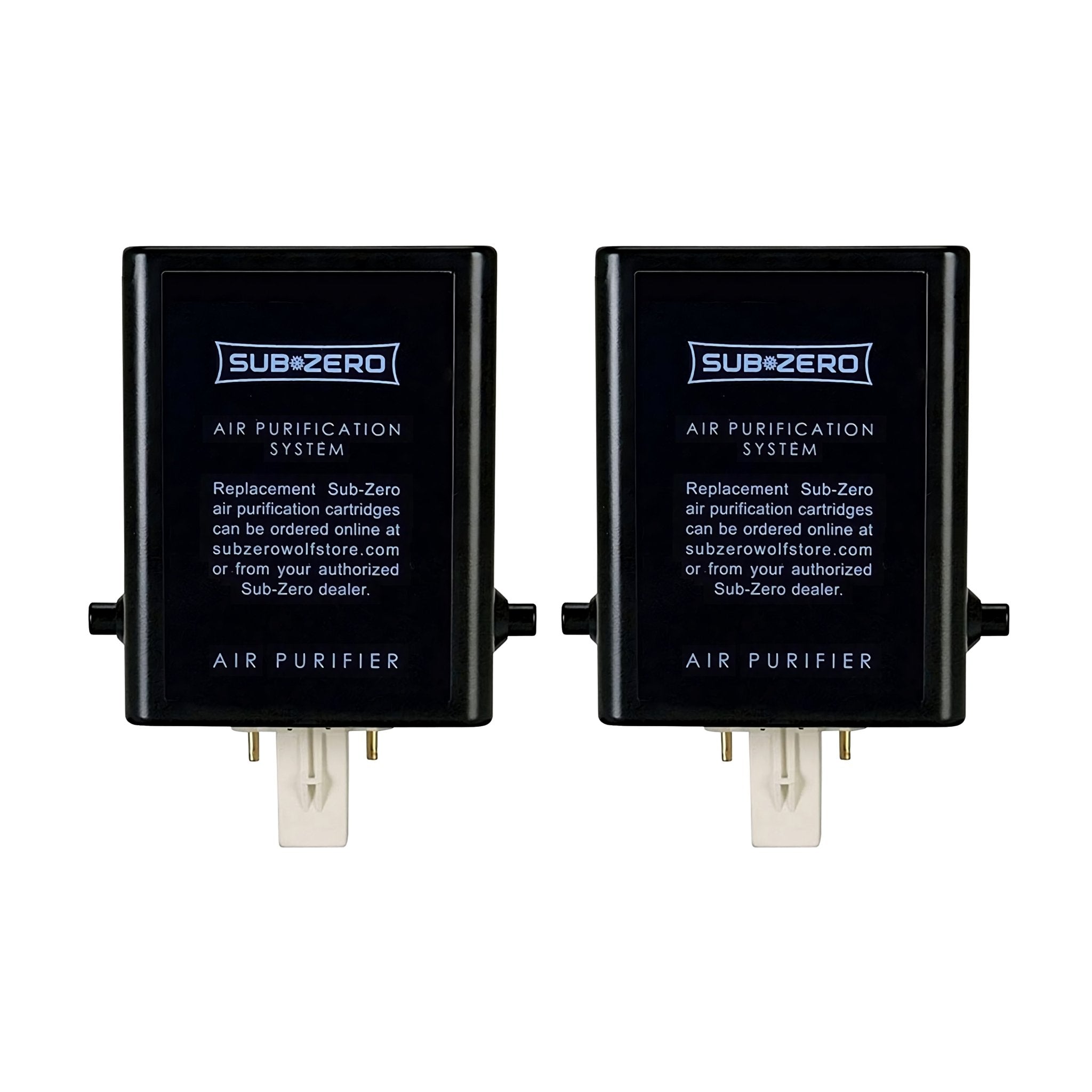
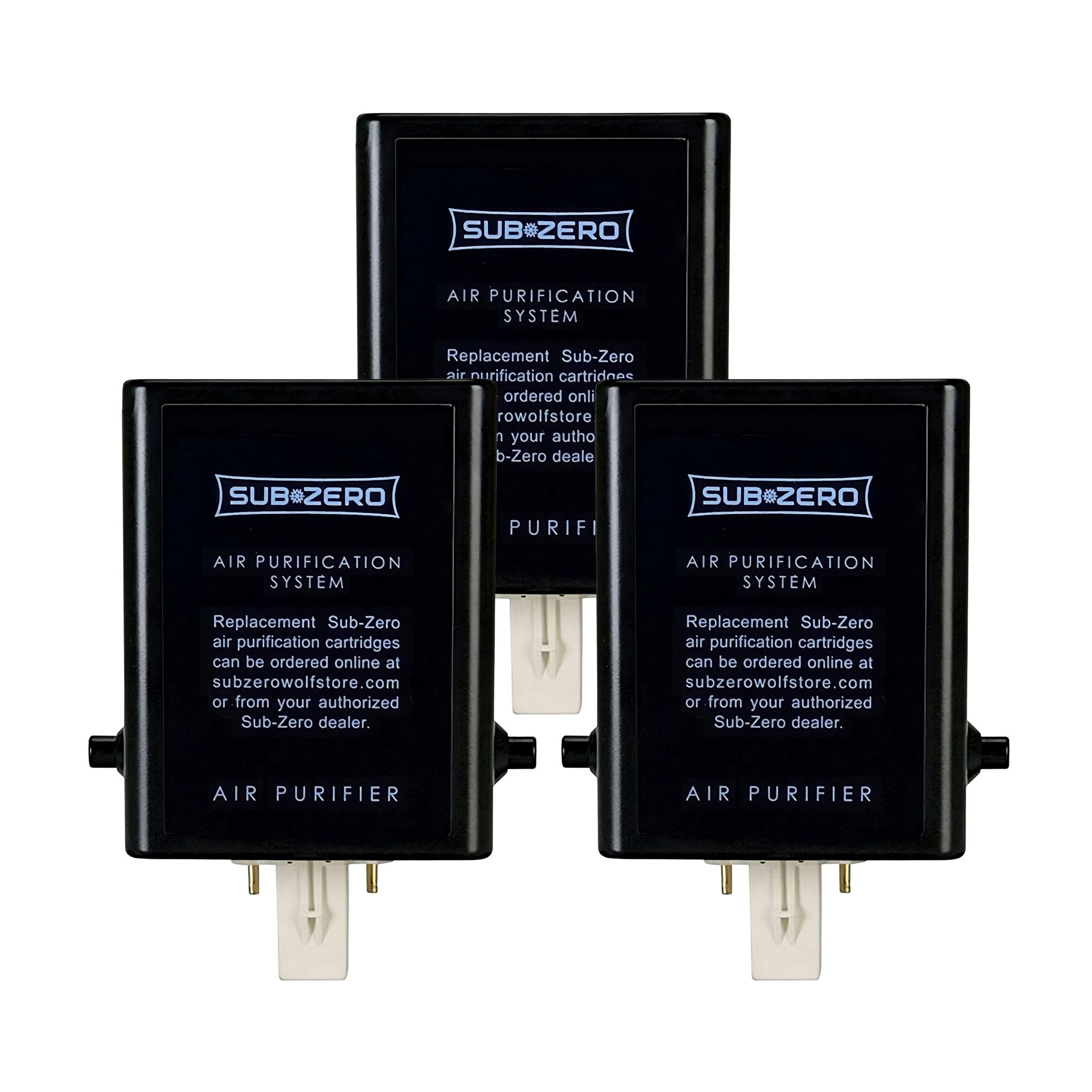
To make maintenance even easier, many users opt for a convenient replacement subscription service. Once you choose the correct filter for your refrigerator, you can schedule automatic deliveries at your preferred interval and avoid the hassle of tracking replacement dates.
What Do Refrigerator Air Filters Help Remove?
Refrigerator air filters are designed to remove several common airborne contaminants that affect food freshness.
- Odor
- Mold
- Bacteria
- Ethylene
- Spores
These filters help reduce unwanted smells and airborne particles that can build up from stored food, especially items like fruits, vegetables, and leftovers. By capturing contaminants at the source, air filters support a cleaner internal environment and help slow odor transfer between different foods.
What Refrigerator Air Filters Cannot Remove
Refrigerator air filters cannot remove every type of contamination inside your fridge completely.
- Liquid spills
- Dust
- Grease
- Moisture
- Residue
These filters mainly target airborne particles and odors so they cannot handle physical messes or liquid-based contamination inside the refrigerator. Spills, residue buildup and surface grime require regular manual cleaning to maintain proper hygiene and food safety.
Benefits of Using a Refrigerator Air Filter
Refrigerator air filters provide many benefits, including:
Improved food safety protection.
The most important benefit of refrigerator air filters is their ability to reduce harmful bacteria inside the fridge. Without proper filtration, these bacteria can spread onto food surfaces and increase the risk of foodborne illness from items you consume directly.
Reduced food spoilage and waste.
Refrigerator air filters help keep food fresher for longer periods. This allows you to use items before they spoil, reducing how often food needs to be thrown away and helping offset the cost of the filter over time.
Enhanced flavor preservation.
Air filters help prevent odor transfer between different foods stored in the refrigerator. This means strong-smelling items are less likely to affect the natural taste of other foods, helping everything maintain its original flavor.
Odor-free refrigerator environment.
Refrigerator air filters reduce unpleasant odors caused by spoiled or perishable foods such as meat, vegetables, or dairy. This helps keep the fridge smelling fresher and more comfortable every time it is opened.
Refrigerator Air Filter vs Baking Soda: Which Works Better?
Baking soda is often used as a simple home remedy to absorb unwanted odors inside a refrigerator. However, when compared to a dedicated refrigerator air filter, it functions on a much more limited scale and does not actively circulate or clean the air.
According to appliance manufacturers, refrigerator air filters are significantly more effective at reducing odors because they continuously filter air throughout the cooling system rather than passively absorbing smells. Baking soda also cannot capture airborne particles, bacteria, or other contaminants that contribute to odor buildup and food spoilage inside the fridge.
While baking soda may help with mild odor control in small spaces, a refrigerator air filter offers a more consistent and comprehensive solution for maintaining long-term freshness.
Benefits of Using Activated Carbon Refrigerator Air Filters?
Activated carbon refrigerator air filters are designed to absorb and neutralize odor-causing molecules inside your fridge for cleaner air quality.
- Removes odors fast.
- Reduces bacterial buildup.
- Keeps food fresher longer.
Easy Ways to Keep Your Refrigerator Smelling Fresh Longer
Keeping your refrigerator fresh requires consistent habits and proper odor control practices.
- Clean spills quickly
- Store food properly
- Avoid strong odors
- Check expiration dates
Following these simple habits helps reduce odor buildup and keeps your refrigerator cleaner and more efficient over time.