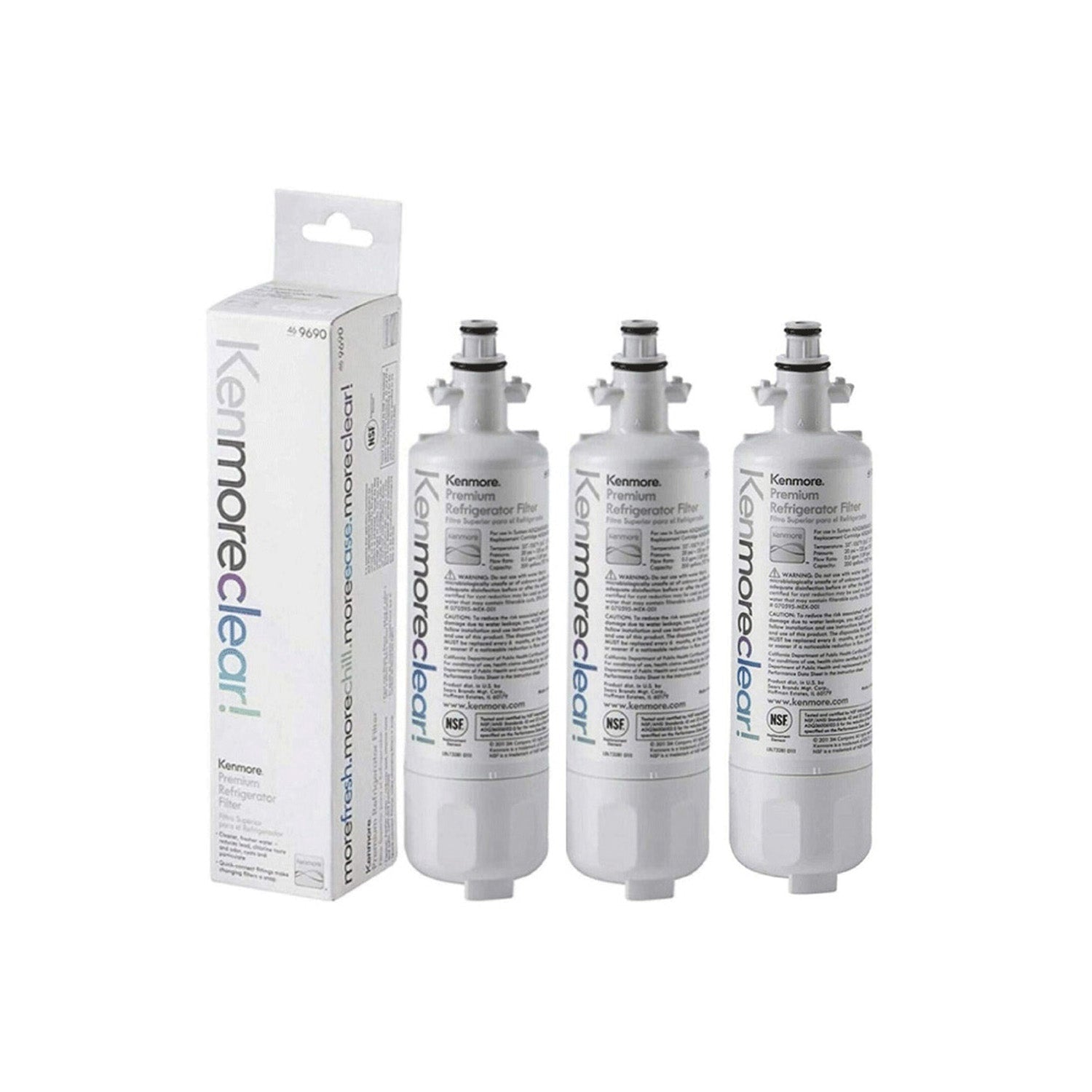
Skipping regular replacement of your refrigerator water filter leads to several issues over time. The filter traps sediment, chlorine, and contaminants to keep water and ice fresh. Once saturated or clogged, it stops working well. Water taste turns off. Flow slows. Bacteria can build up in the damp media. The fridge strains more. Many sources from appliance guides and user reports highlight these effects. Some people notice problems quickly while others build slowly.
Is It Bad To Not Change The Fridge Water Filter?
It becomes bad over time. The filter clogs with trapped particles and minerals. Contaminants pass through more easily. Bacteria or mold sometimes grow inside the old cartridge. Water flow drops noticeably. Ice production slows or produces smaller cubes. The fridge works harder which can wear parts faster. Health risks stay low for short periods but increase with long neglect. Taste complaints rise first in most cases.
Importance of Regular Filter Replacement
Regular changes keep water clean and tasty. A fresh filter removes chlorine taste and reduces some impurities like lead or cysts when certified. It prevents buildup in lines and valves. The dispenser stays reliable. Ice maker keeps making full cubes at normal speed. Families get consistent good water without odd flavors. Skipping changes means you lose these benefits and face gradual decline.
Potential Risks and Hazards of Dirty Filters
Dirty filters let sediment and particles through. They can become breeding spots for bacteria or mold. Clogged ones reduce pressure sharply. Scale collects in hoses. Pressure buildup rarely causes leaks. Old filters fail to block what they should so small risks grow. Sources mention bacteria like coliform or mold in saturated filters as concerns. Harmful microbes might enter water in worse cases.
Manufacturer Recommendations
Most brands recommend changing every six months. Whirlpool, GE, Samsung, and LG tie it to 200 to 300 gallons or whichever comes first. Manuals and filter lights remind you. Following this keeps warranty valid and parts in good shape. Some models use indicators that flash when time is up. Stick to the schedule for best performance.
What Happens If You Drink Water From A Fridge With A Bad Filter?
You drink water that tastes strange or smells off. It carries more chlorine or metallic notes. Sediment shows up sometimes. Bacteria might enter if the filter harbors them. Most people notice bad taste right away. Health effects stay mild for short use but add up over time. Taste changes appear first in many reports.
Contaminants and Health Risks
Old filters lose ability to trap contaminants. Chlorine, lead, cysts, and particles slip past. Bacteria sometimes build up inside saturated material. Drinking this raises small chances of stomach upset or minor infections. Filters never remove every germ so tap water quality plays a big role. Sources highlight risks from coliform or E. coli if buildup occurs.
Taste and Odor Issues
Water picks up bad tastes from chlorine or metals left behind. It smells musty or like rotten eggs in bad cases. Ice cubes take on the same off flavors. People see cloudy water or notice lingering odd aftertaste. Fresh filters clear these problems fast. Taste complaints top user reports.
Long-term Health Effects of not Regularly Replacing Fridge Filters
Over years you face more exposure to unfiltered contaminants. Bacteria growth might cause ongoing stomach problems for sensitive people. No major studies show huge dangers from fridge filters alone. Bad taste often pushes people to bottled water. Risks stay low for most healthy adults but consistent exposure adds small concerns. Sources focus on taste and minor gut issues more than severe long-term harm.
What Happens If You Haven’t Changed The Fridge Filter In Years?
After years the filter clogs badly. Bacteria and mold grow heavily. Water flow nearly stops. Ice maker produces little or none. Lines fill with scale and blockages. The fridge strains more and often needs repairs. Taste becomes really unpleasant. Reports describe slow dispensing, tiny ice, and repair calls from extreme neglect.
Build-up of Bacteria and Contaminants
Old filters gather dirt, minerals, and trapped stuff. Bacteria like coliform multiply in the damp media. Mold or slime appears. Contaminants the filter held release back into water when saturated. This can make fridge water worse than plain tap in some cases. Guides warn about this buildup turning the filter into a problem spot.
Impact on Refrigerator Performance
Clogged filters cut water pressure a lot. Dispenser runs slow or trickles. Ice comes out small, hollow, or takes forever. Parts wear quicker from extra strain. Leaks pop up if hoses block. Energy use edges up slightly in some setups. Performance drops show in slower everything and more frequent issues.
Manufacturer Guidelines and Recommendations
Companies hold to six-month changes across the board. Whirlpool, LG, GE, and others warn about low flow and poor taste if ignored. Manuals give precise intervals and gallon limits. Lights or displays remind you clearly. Genuine or certified replacements keep things running smooth. Stick close to these to avoid voiding coverage.
Will The Ice Maker Work Without A Filter?
Many ice makers keep working without the filter. Some models need a bypass plug to maintain flow. Others run okay once you pull the filter out. Check your manual for details. Water skips filtration and goes straight to the maker. Production continues in most cases.
Refrigerator Filter Bypass Options
Get a bypass plug from the manufacturer, often free on request. It slots in where the filter goes and connects inlet to outlet. Some fridges have built-in bypass that activates automatically. Aftermarket plugs sell cheap but pick ones that fit your brand exactly.
Impact on Ice Quality and Production
Without a filter ice tastes like your tap water. It can look cloudy from extra sediment. Production might slow if lines clog anyway. Good tap water areas still make clear ice at normal speed. No filtration means no taste improvement but steady output.
Comparison of Ice Makers with and without Filters
With filter: Cleaner taste and fewer particles, but slower if clogged.
Without filter: Steady speed possible, but taste matches tap and sediment risk rises.
Bypass holds flow consistent while skipping cleanup. Filters shine in areas with hard or off-tasting water.