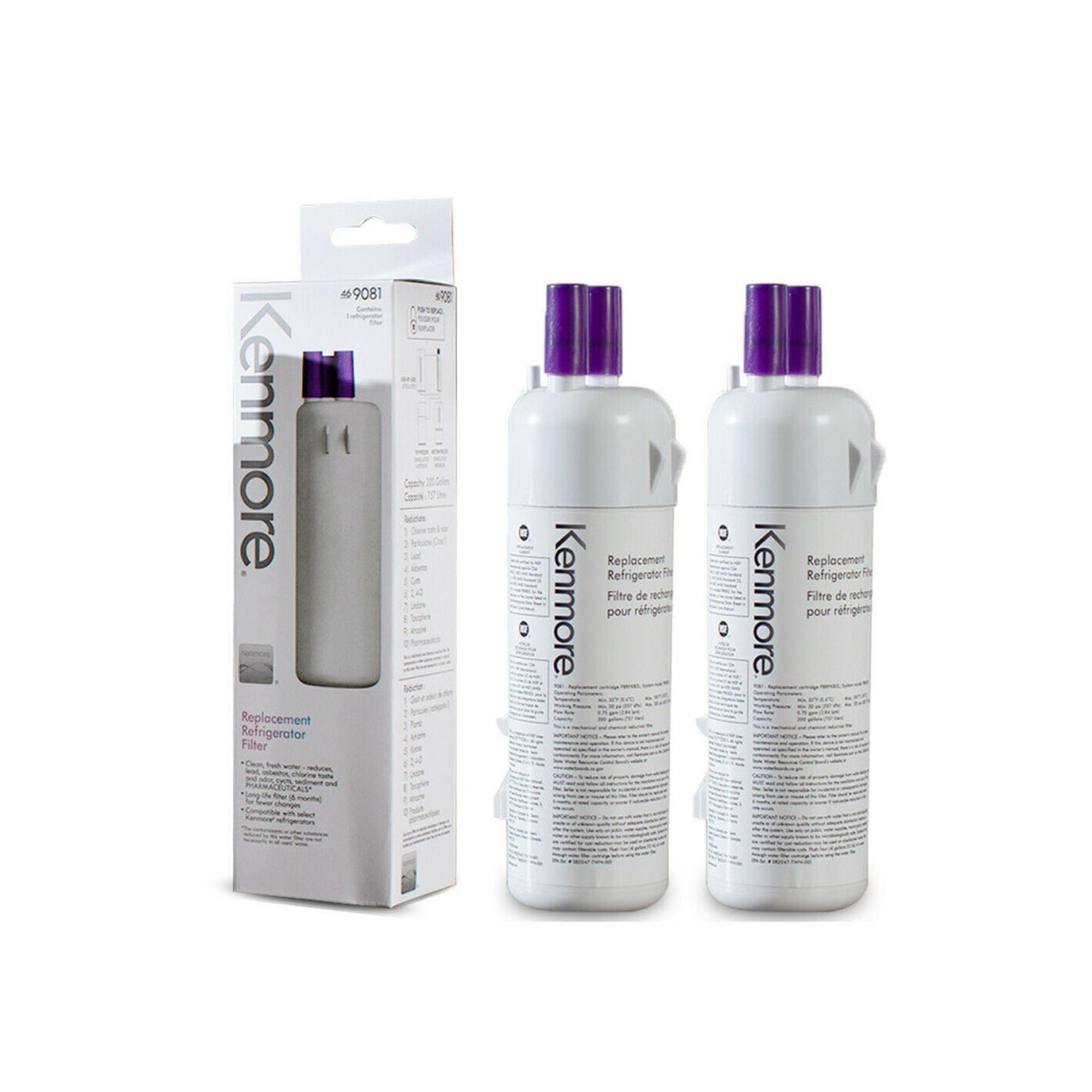
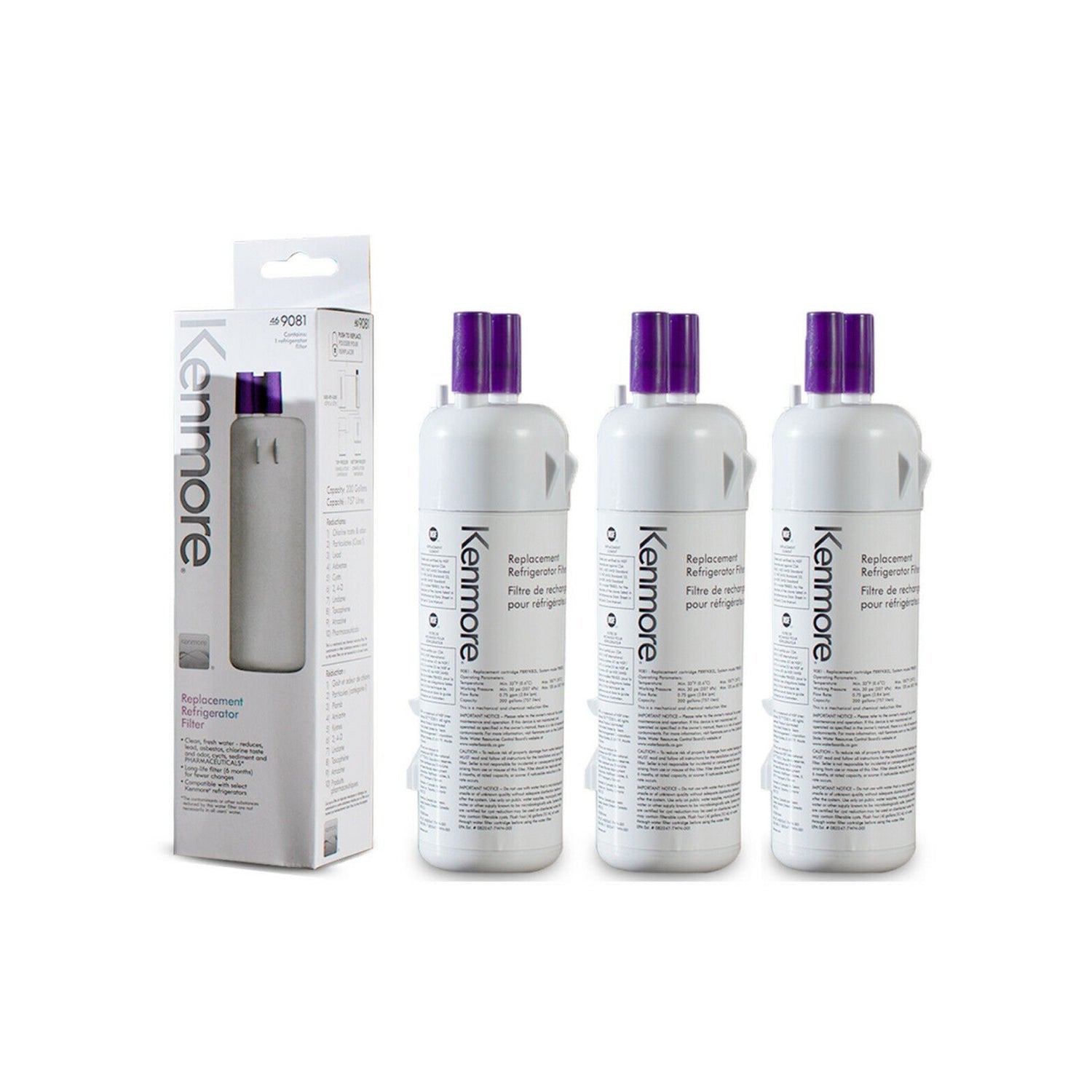
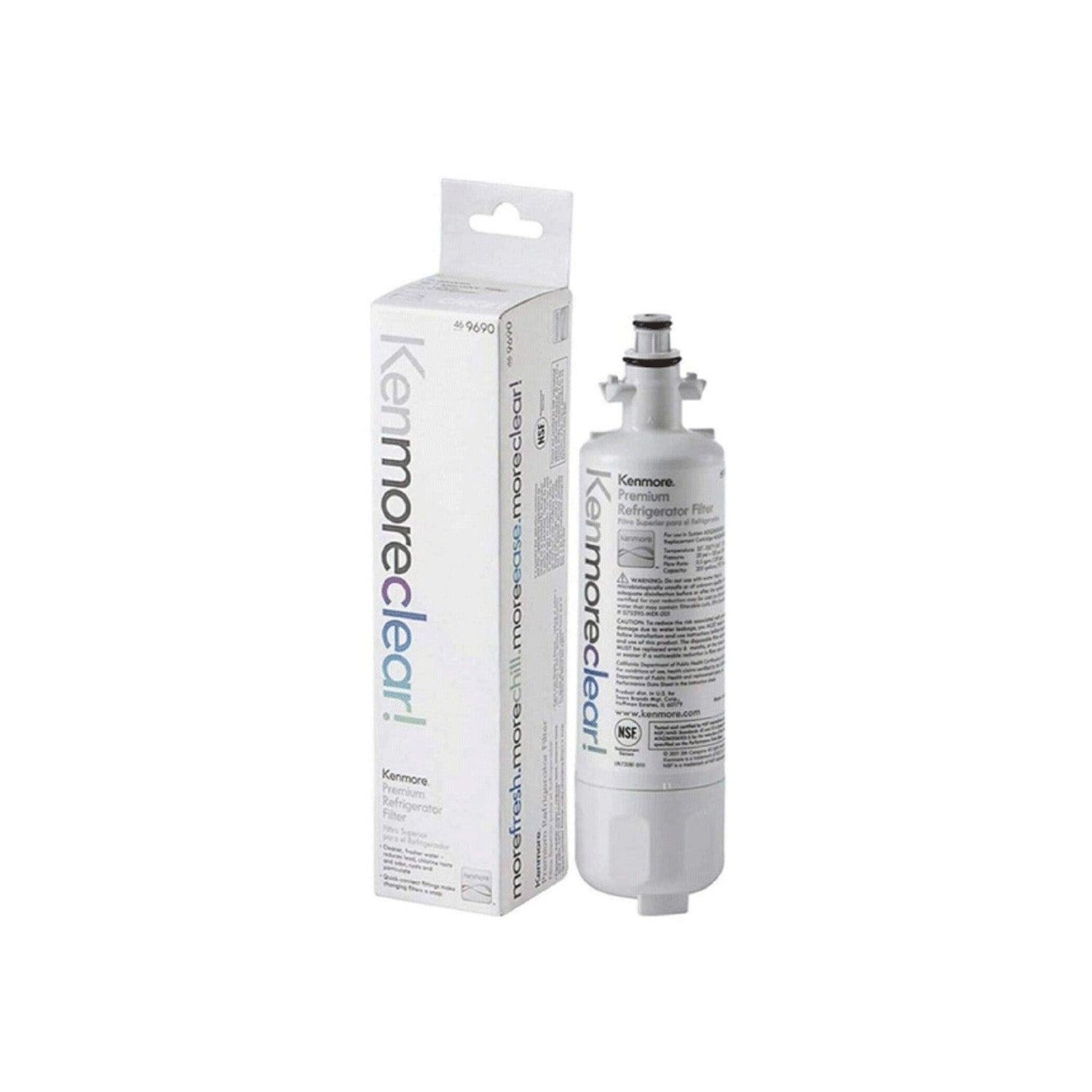
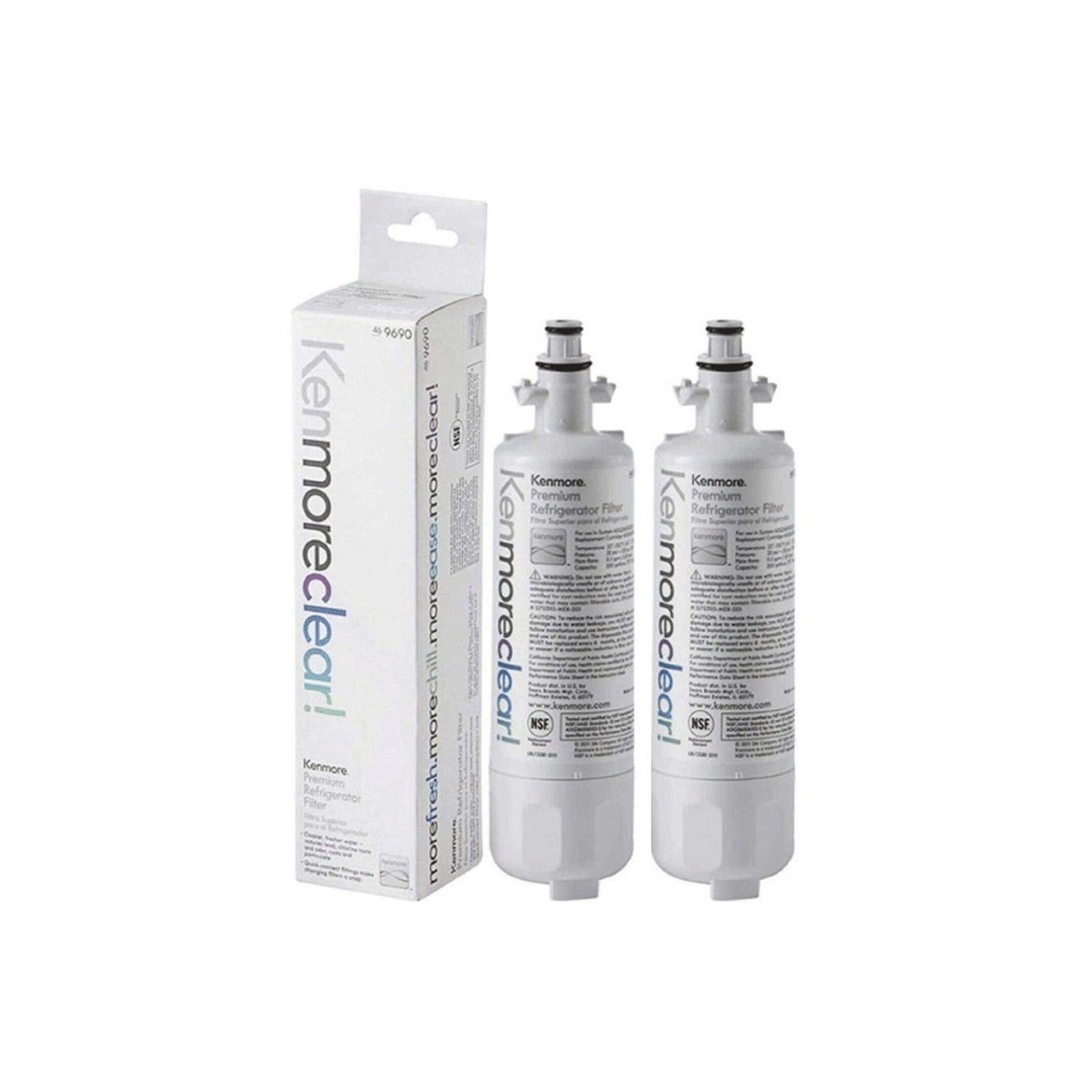
Many homeowners buy a replacement air filter, see a similar size, and assume it will work just fine. That simple choice can lead to poor odor control, weak airflow, or filter performance issues that show up weeks later. Some refrigerator systems rely on more than size alone, especially newer models with smart features and brand-specific designs. A little knowledge can help avoid wasted money and keep the appliance running as expected. Before making a cross-brand filter swap, it helps to understand what really determines compatibility.
What “Cross-Brand Air Filter Swap” Really Means
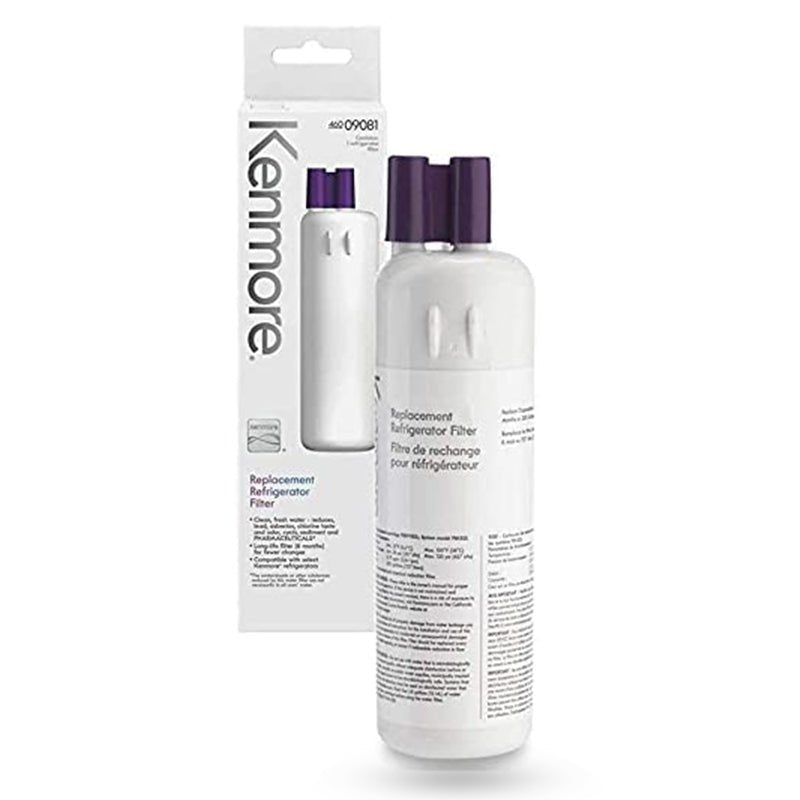
A cross-brand air filter swap happens when a refrigerator owner uses an air filter made for one brand in a different brand's appliance. This usually happens because the original filter costs more, runs out of stock, or appears difficult to find. Many people also notice filters that look nearly identical and assume they perform the same way.
Custom kitchens create another common situation. A homeowner may own appliances from LG, GE, Frigidaire, and Sub-Zero at the same time. During routine refrigerator maintenance, it can seem easier to use one filter type across multiple units. Even so, appearance alone does not guarantee compatibility.
Compatibility Basics Size Does Not Guarantee Fit
Many shoppers believe that matching dimensions automatically means a filter will work correctly. Physical fit matters, but it tells only part of the story. Internal design, airflow path, filtration media, and mounting systems can differ from one refrigerator brand to another.
A useful way to understand compatibility is to separate physical fit from functional fit. Physical fit means the filter slides into place without trouble. Functional fit means the filter works correctly with the refrigerator's airflow system and odor control design. A filter may fit perfectly yet still fail to deliver the intended performance.
OEM filters come directly from the appliance manufacturer. Aftermarket filters come from third-party companies that build compatible replacements. Universal filters aim to fit many models, but they may not match every refrigerator's design requirements.
Risks of using different brand filters
Poor compatibility can reduce airflow efficiency inside the refrigerator. Restricted airflow may affect air circulation and create uneven cooling conditions. Over time, food freshness can suffer because the system cannot move air as intended.
Odor control can also become weaker. Different filters use different amounts and types of filtration media. A filter that lacks enough odor-absorbing material may allow unwanted smells to remain inside the refrigerator compartment.
Smart refrigerator systems create another concern. Some models include sensors or filter monitoring features that work with specific replacement parts. A mismatch can cause warning messages, inaccurate filter status readings, or performance issues.
Warranty concerns deserve attention as well. Many manufacturers recommend approved replacement parts in their product documentation. Using an incompatible filter may create problems during a warranty claim if the manufacturer determines that the replacement part contributed to the issue.
When Cross-Brand Swap Is Acceptable
Certain situations allow a cross-brand replacement with minimal risk. The safest option involves a certified compatible filter designed for the exact refrigerator model. In these cases, the filter manufacturer has already tested compatibility requirements.
A temporary replacement can also work during an emergency. For example, a homeowner may need a short-term filter until the correct part arrives. Even then, checking dimensions, airflow requirements, and compatibility information remains important.
A cross-brand filter may be acceptable if it meets these conditions:
- Matches the refrigerator model requirements
- Uses similar filtration media
- Provides comparable airflow performance
- Comes from a trusted manufacturer
- Lists verified compatibility information
Careful verification reduces the chance of performance problems and helps maintain proper refrigerator operation.
When You Should NEVER Do It
High-end refrigerators often require stricter compatibility standards. Many premium systems use specialized airflow designs that depend on exact replacement parts. A random filter substitution can create problems that are difficult to notice at first.
Smart refrigerators deserve extra caution. Models with advanced monitoring systems may rely on specific filter designs. A filter that physically fits may still fail to work properly with electronic monitoring features.
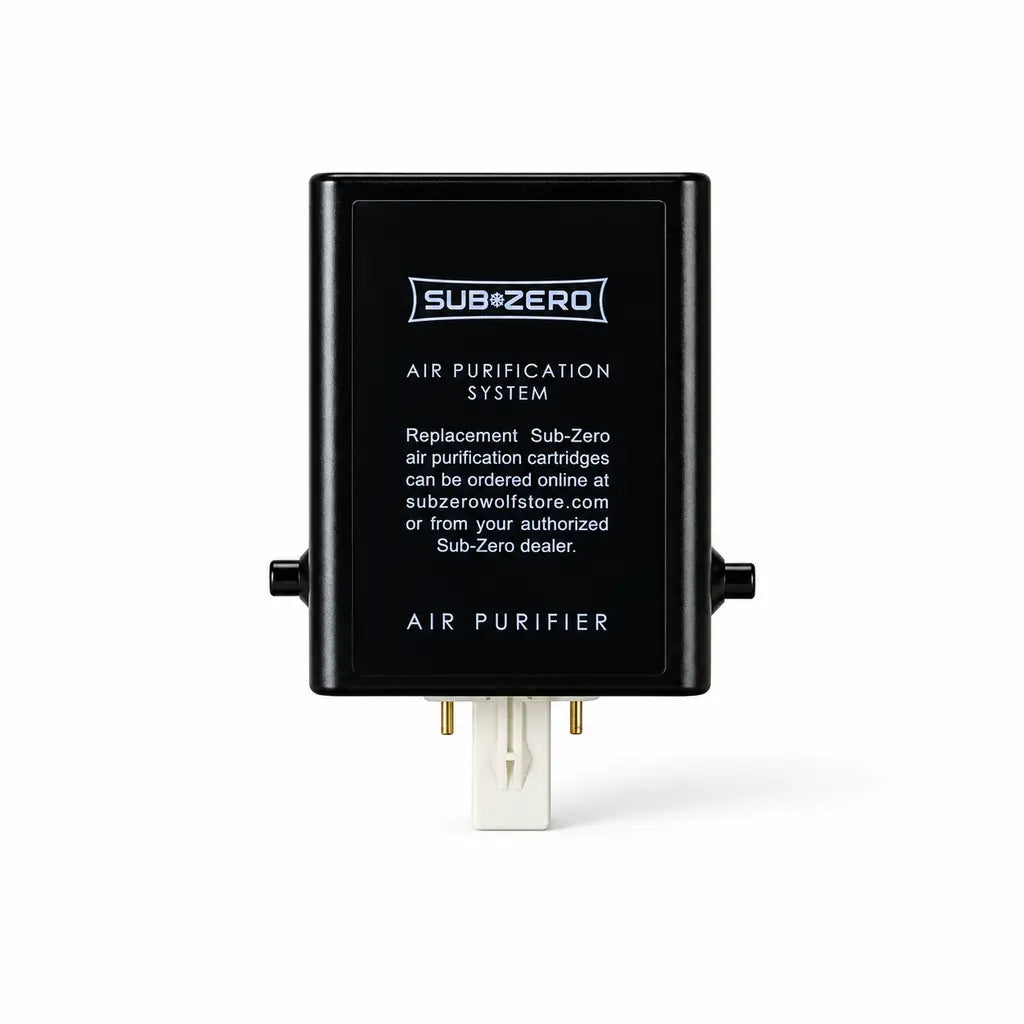
Sub-Zero units and other professional-grade appliances often use tightly engineered systems. Manufacturer recommendations carry more weight in these cases because the equipment relies on precise component matching. Using the approved filter usually provides the safest path.
How to Check Compatibility
Model number verification remains the most reliable method. Start by locating the refrigerator model number and checking approved replacement options. Manufacturer guides often list the exact filter required for the appliance.
Next, compare dimensions carefully. Length, width, thickness, mounting points, and locking mechanisms should match. Small differences can affect airflow and filter placement.
Airflow performance also matters. Two filters may share the same size but move air differently. Comparing product specifications helps identify possible performance gaps.
A simple compatibility checklist can help:
- Confirm the refrigerator model number
- Review manufacturer recommendations
- Compare dimensions
- Check compatible model lists
- Review airflow and filtration details
- Verify installation requirements
Following these steps removes much of the guesswork from filter selection.
OEM vs Aftermarket vs Universal
|
Filter Type |
Safety Level |
Cost |
Compatibility |
Best For |
|
OEM Filter |
Highest |
Higher |
Exact match |
Long-term reliability |
|
Aftermarket Filter |
Moderate to High |
Moderate |
Model-specific compatibility |
Cost-conscious owners |
|
Universal Filter |
Moderate to Low |
Lower |
Varies by model |
Limited situations |
OEM filters offer the strongest confidence because manufacturers design them for specific refrigerator systems. They usually provide the lowest compatibility risk.
Aftermarket filters can provide a good balance between cost and performance. Reputable brands often build filters that match original specifications closely. Careful model verification remains necessary before purchase.
Universal filters provide flexibility, but they require the most caution. Compatibility varies widely, and performance can differ from one refrigerator to another.
Best Practices for Custom Kitchen Setups
Mixed-brand kitchens have become common in modern homes. A homeowner may use one refrigerator brand, another dishwasher brand, and a different cooking appliance brand. This setup can make replacement filter management more difficult.
A simple organization system helps prevent mistakes. Label replacement filters by appliance and keep a maintenance schedule for each unit. Clear storage practices reduce confusion and lower the chance of installing the wrong filter.
Keeping a record of model numbers also saves time. A quick reference list allows faster ordering and helps avoid compatibility errors during future replacements.
Safer alternatives to cross-brand swapping
Certified compatible filters offer a safer option than guessing. These products usually list supported refrigerator models and compatibility details. Clear documentation helps buyers make better decisions.
Many manufacturers also offer subscription replacement programs. Scheduled deliveries reduce the chance of running out of filters and eliminate last-minute purchases based only on availability.
Authorized third-party brands can provide another solid option. Many of these products meet performance requirements while offering lower prices than original manufacturer filters. Checking certifications and compatibility information remains the best practice.
FAQ
Can I use any brand air filter in my refrigerator?
No. A filter may fit physically but still fail to match airflow, filtration, or monitoring requirements. Model compatibility matters more than brand appearance.
Are universal filters safe?
Some universal filters work well in certain refrigerators. Results depend on compatibility, airflow requirements, and filter design. Always verify supported models before installation.
What happens if I use the wrong filter?
The refrigerator may experience weaker airflow, reduced odor control, inaccurate filter monitoring, or long-term performance issues. Severe mismatches can create additional system stress.
Will using a different filter brand void my warranty?
Warranty rules vary by manufacturer. Many companies focus on compatibility rather than brand name alone. Checking the warranty terms and approved replacement guidelines provides the safest answer.