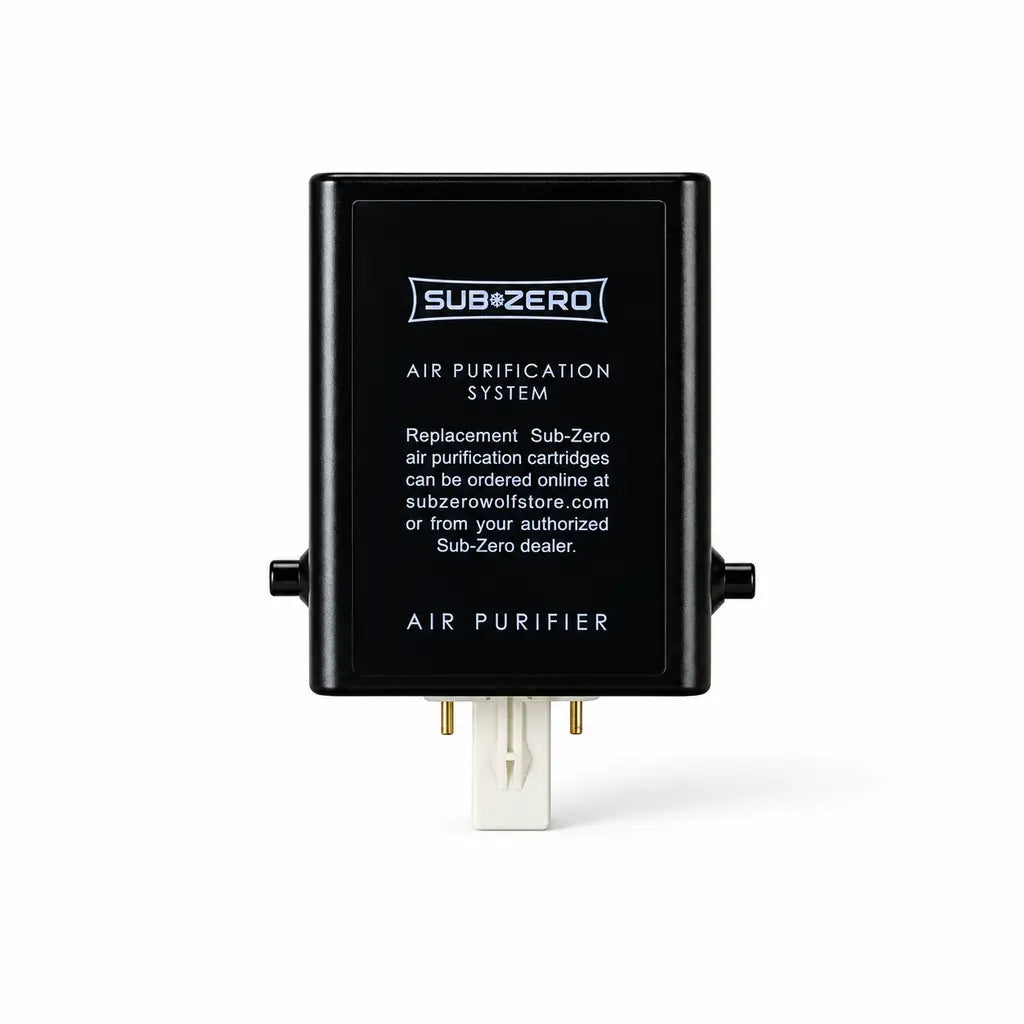
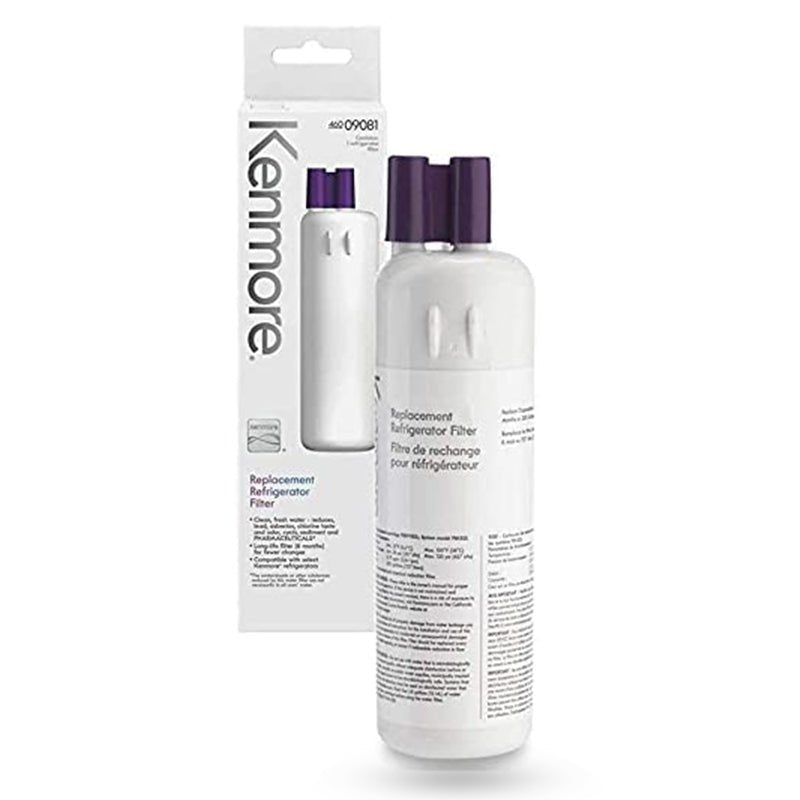
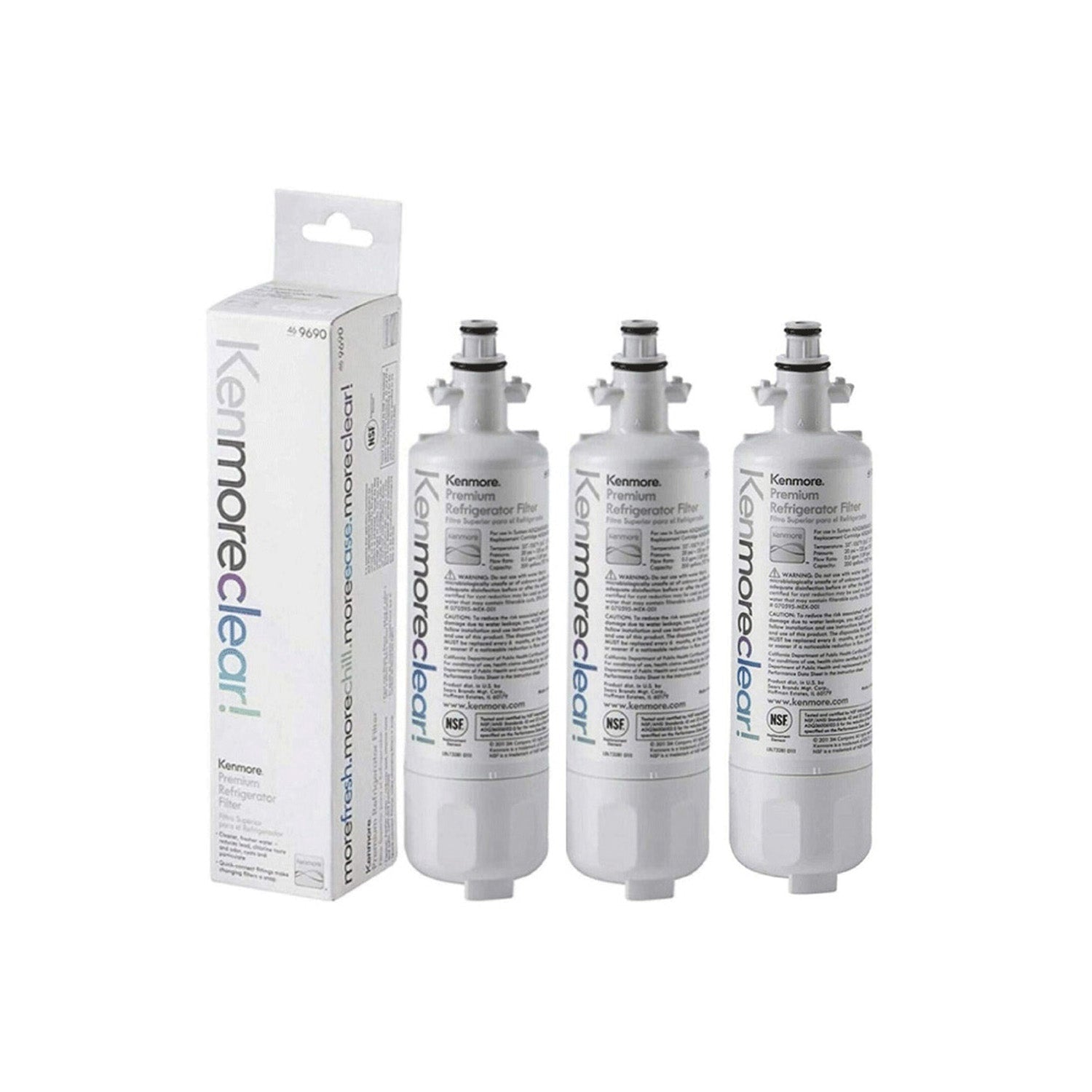
Many homeowners run into trouble when an air filter compartment gets stuck during a routine filter change. A filter that will not turn, a cover that will not open, or a refrigerator air filter stuck inside the housing can waste time and raise concerns about costly damage. The good news is that some problems have simple fixes, while others need expert help. This guide explains the causes, compares DIY air filter removal with professional service, and helps you choose the safest next step.
Understanding Why Air Filter Compartments Get Jammed
A jammed air filter compartment is a common problem in many refrigerators. In most cases, the appliance still works normally, but the filter becomes difficult to remove or replace. Knowing the cause can help you avoid damage during the replacement process.
Dirt and Debris Accumulation
Dust, food particles, and grease can collect around the filter housing over time. Kitchen environments often expose refrigerator parts to airborne grease and dirt. This buildup can block movement and make the filter cover hard to open.
Worn Locking Mechanisms
Many refrigerator air filter systems use a locking tab or small clips to hold the filter in place. These parts can wear out after years of use. A damaged locking mechanism may prevent the filter from turning or releasing correctly.
Moisture and Corrosion
Moisture can build up inside the filter compartment, especially in humid environments. Mineral deposits may form around moving parts and create resistance. In some cases, metal components can corrode and cause the filter mechanism to stick.
Incorrect Filter Installation
A filter may become stuck if someone installs it with too much force. The wrong filter model can also create alignment problems inside the housing. Even a small installation mistake can make future removal difficult.
Signs You Can Safely Attempt a DIY Fix
Not every stuck refrigerator air filter requires professional service. Some situations involve minor issues that homeowners can handle safely. Looking for a few key signs can help you decide.
The Compartment Is Only Slightly Stuck
If the filter still moves a little, the problem may involve light dirt buildup or minor resistance. Small movement often means the housing remains in good condition. Many homeowners can fix this type of issue without special equipment.
The Filter Is Near Its Normal Replacement Time
Filters naturally become harder to remove as they age. A filter that has reached its replacement schedule may simply need extra care during removal. This situation often falls within normal appliance maintenance.
No Cracking Sounds or Broken Parts Are Visible
Check the filter cover and housing before trying removal. If you do not see cracks, broken clips, or loose pieces, a DIY approach may be reasonable. Visible damage usually signals a larger problem.
Quick DIY Safety Checklist
Before you begin, follow these basic steps:
- Review the owner's manual.
- Turn off power if the manufacturer recommends it.
- Use clean hands and proper tools.
- Apply gentle pressure only.
- Stop if you hear cracking sounds.
- Check the filter model for compatibility.
Many manufacturers warn against forcing a stuck filter. Following their instructions can reduce the chance of damaging the air filter housing.
DIY Methods to Free a Stuck Air Filter
Start by inspecting the air filter housing carefully. Look for visible dirt, damaged clips, misaligned parts, or anything blocking the filter from moving normally. A quick inspection often reveals the source of the problem and helps you avoid unnecessary force.
Next, clean the area around the filter compartment. A soft cloth can remove dirt, grease, and debris that may interfere with the locking tab or filter cover. Cleaning may seem simple, but it often solves minor sticking issues without any additional work.
If the filter remains stuck, apply steady pressure based on the manufacturer's instructions. Move slowly and avoid sudden twisting motions. Gentle movement gives the locking mechanism time to release without damaging nearby components.
You should also confirm that the filter sits in the correct position. Some homeowners discover that a previous installation error caused the problem. Checking alignment and compatibility can help free a stuck refrigerator air filter and prevent the same issue during the next replacement.
Several mistakes can turn a minor problem into a costly repair:
- Forcing the filter out.
- Using sharp tools.
- Ignoring cracking sounds.
- Continuing after visible damage appears.
- Installing the wrong filter model.
Warning Signs It's Time to Call a Professional
Some situations require professional attention. Continuing a repair after damage appears can increase repair costs. Clear warning signs can help you make a safer decision.
Plastic Components Are Cracking
Cracks in the filter cover or housing often mean the material has weakened. Additional pressure may break the component completely. Replacement parts may become necessary.
The Housing Is Detached or Loose
A loose air filter housing may indicate broken mounting points. The compartment can shift during removal attempts and create more damage. Professional inspection is usually the safer choice.
The Filter Breaks During Removal
A damaged filter can leave pieces inside the compartment. Small fragments may block airflow performance or interfere with the filter mechanism. Removing those pieces often requires extra care.
Electrical Components Are Nearby
Some refrigerator designs place wiring near the filter area. Accidental contact can create additional repair concerns. Professional service reduces that risk.
Previous DIY Attempts Have Failed
If several careful attempts have not worked, stop before damage occurs. Repeated force often turns a small problem into a larger repair. A technician can inspect the compartment and identify the root cause.
Benefits of Hiring a Professional Service
Professional appliance repair offers advantages when the problem goes beyond routine maintenance. Service technicians work with stuck filters regularly. Their experience can save time and reduce risk.
Accurate Diagnosis
A technician can determine whether the issue involves the filter, housing, locking mechanism, or another component. Accurate diagnosis helps avoid unnecessary part replacements. It also prevents wasted effort.
Specialized Tools and Experience
Professionals often use tools designed for appliance repair. They understand common refrigerator air filter problems and know how to remove stuck parts safely. Their experience helps prevent accidental damage.
Lower Risk of Component Damage
A broken filter housing can cost much more than a service visit. Professional repairs reduce the chance of damaging clips, covers, or mounting points. This approach protects important refrigerator components.
Faster Resolution
Many service technicians can identify the problem quickly. Their process often takes less time than repeated DIY attempts. Faster repairs also reduce inconvenience.
Potential Warranty Protection
Some refrigerator warranties require approved service procedures. Professional repairs may help maintain warranty coverage. Check your warranty terms before making repairs.
Drawbacks of Professional Service
Professional service can solve complex air filter housing problems, but it is not always the most practical choice. The biggest drawback is cost. A service visit usually costs more than a DIY air filter removal because labor fees, diagnostic charges, and replacement parts can increase the final bill. For a minor issue such as dirt buildup or a slightly stuck filter cover, the expense may outweigh the benefit.
Scheduling can also create inconvenience. Many homeowners want to replace a refrigerator air filter immediately, but technician availability may require waiting several days. In areas with fewer appliance repair companies, wait times can be even longer, and some providers may add travel fees to the service cost.
Another factor to consider is whether professional help is truly necessary. A lightly stuck filter compartment often responds to basic cleaning, proper alignment, or careful removal techniques. In those situations, paying for a service appointment may not provide much additional value. The best approach depends on the condition of the filter compartment, the risk of damage, and your comfort level with basic appliance maintenance.
DIY vs Professional Service Comparison
|
Factor |
DIY |
Professional Service |
|
Cost |
Lower |
Higher |
|
Convenience |
Immediate |
Requires Scheduling |
|
Risk Level |
Moderate |
Lower |
|
Expertise Required |
Yes |
No |
|
Time Commitment |
Variable |
Usually Faster |
|
Damage Risk |
Higher |
Lower |
The best option depends on the condition of the filter compartment. Minor issues often respond well to careful maintenance. Serious damage usually calls for professional help.
Cost Considerations Before Making a Decision
Cost is often the deciding factor when choosing between DIY and professional repair. A simple cleaning or adjustment costs very little and may solve the problem immediately. For minor issues, DIY maintenance can provide excellent value.
However, repair costs can increase quickly when a homeowner accidentally damages the filter housing, filter cover, or locking tab. A broken component may require replacement parts and professional labor. In those situations, a service appointment may actually cost less than correcting a failed DIY repair.
Looking at long-term value often leads to a better decision. Spending a small amount on professional service today may prevent a much larger repair bill later. The right choice depends on the condition of the compartment and your comfort level with appliance maintenance.
How to Prevent Future Air Filter Problems
Preventive maintenance remains the best way to avoid a jammed air filter compartment. Regular care helps keep the filter mechanism moving properly and reduces wear on important components. Small habits can prevent larger issues from developing.
Follow the manufacturer's replacement schedule and avoid leaving filters in place longer than recommended. Clean the housing during every filter change and inspect moving parts for signs of wear. Dirt buildup often starts slowly, so regular cleaning can stop problems before they become serious.
Always use a compatible filter designed for your refrigerator model. Correct installation is just as important as choosing the right filter. Taking a few extra moments during replacement can help prevent future sticking, improve airflow performance, and support reliable appliance operation.
Conclusion
Many cases of a jammed air filter compartment have simple solutions that homeowners can handle safely. Cleaning debris, checking installation errors, and following proper removal methods often solve minor issues. However, cracked parts, loose housing components, and repeated failed attempts usually signal the need for professional service. Knowing when to stop and call a technician can help protect your refrigerator, reduce repair costs, and prevent future filter compartment problems.
Frequently Asked Questions
Can I use tools to remove a stuck air filter?
Use caution when using tools. Soft plastic tools may help in some situations, but sharp tools can damage the housing or filter cover. Always follow manufacturer recommendations.
What causes air filter compartments to jam most often?
Dirt buildup, damaged locking mechanisms, moisture, mineral deposits, and incorrect filter installation rank among the most common causes. Regular cleaning can help reduce these problems.
Can forcing the filter damage the refrigerator?
Yes. Excessive force can crack the filter housing, break clips, or damage nearby components. Gentle pressure remains the safer approach.
How do I know if the housing is broken?
Look for visible cracks, loose parts, detached sections, or pieces that move unexpectedly. These signs often indicate housing damage.
Is professional service worth it for a stuck filter?
Professional service can be worth the cost when damage appears likely or previous DIY attempts have failed. Expert inspection can prevent more expensive repairs.