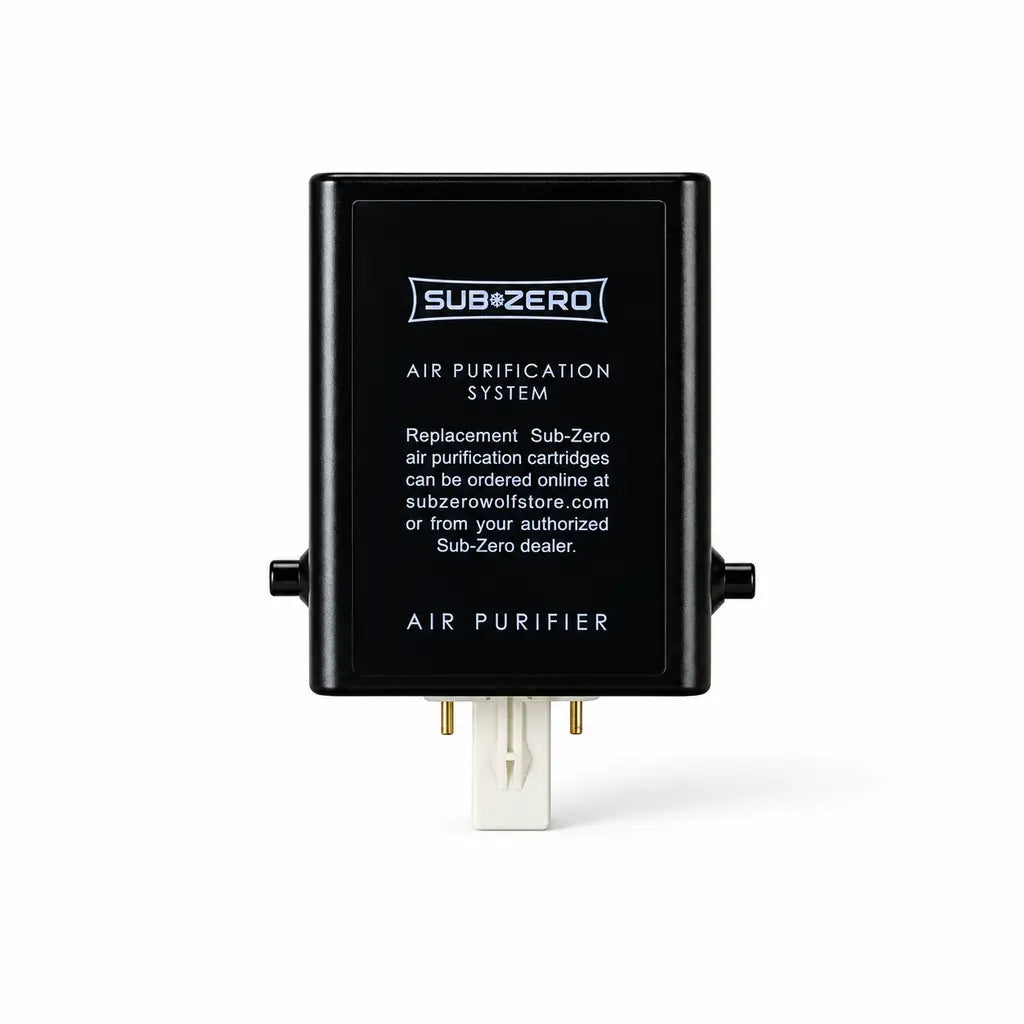
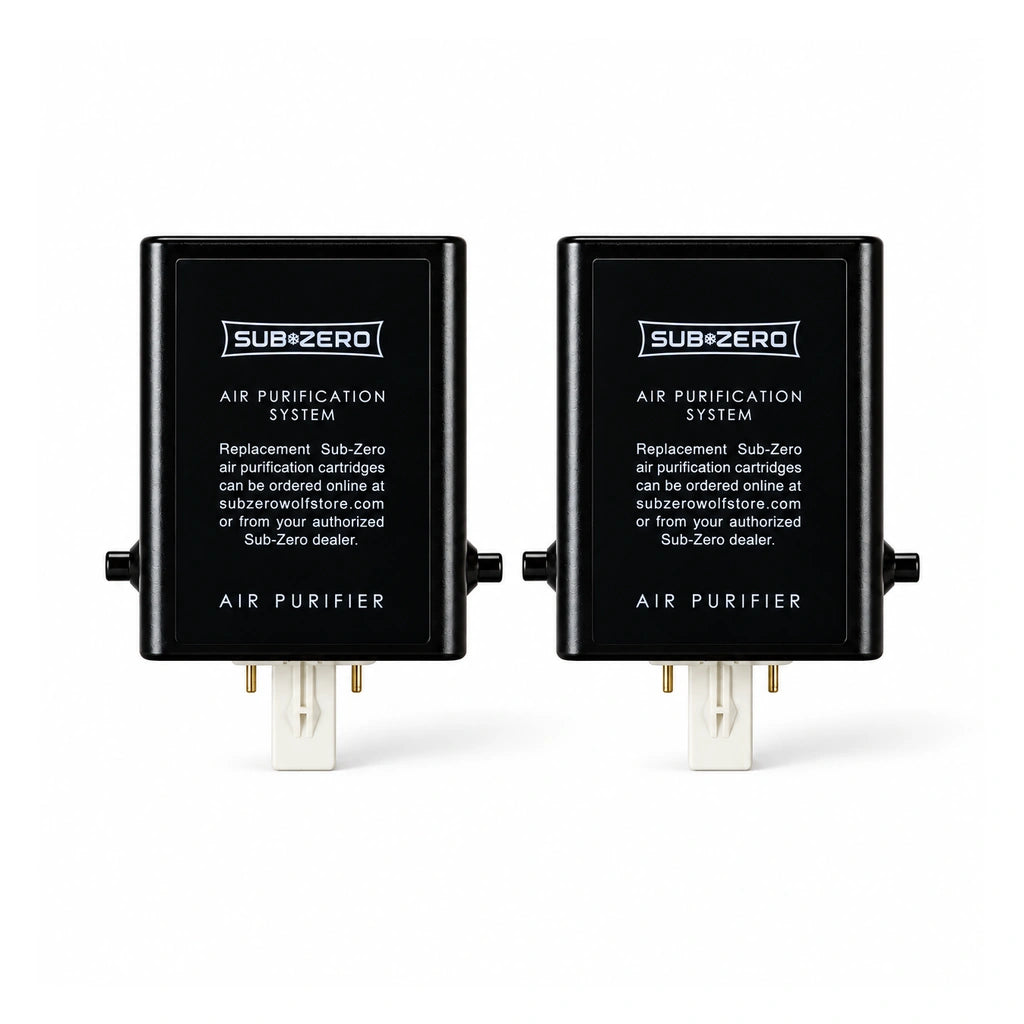
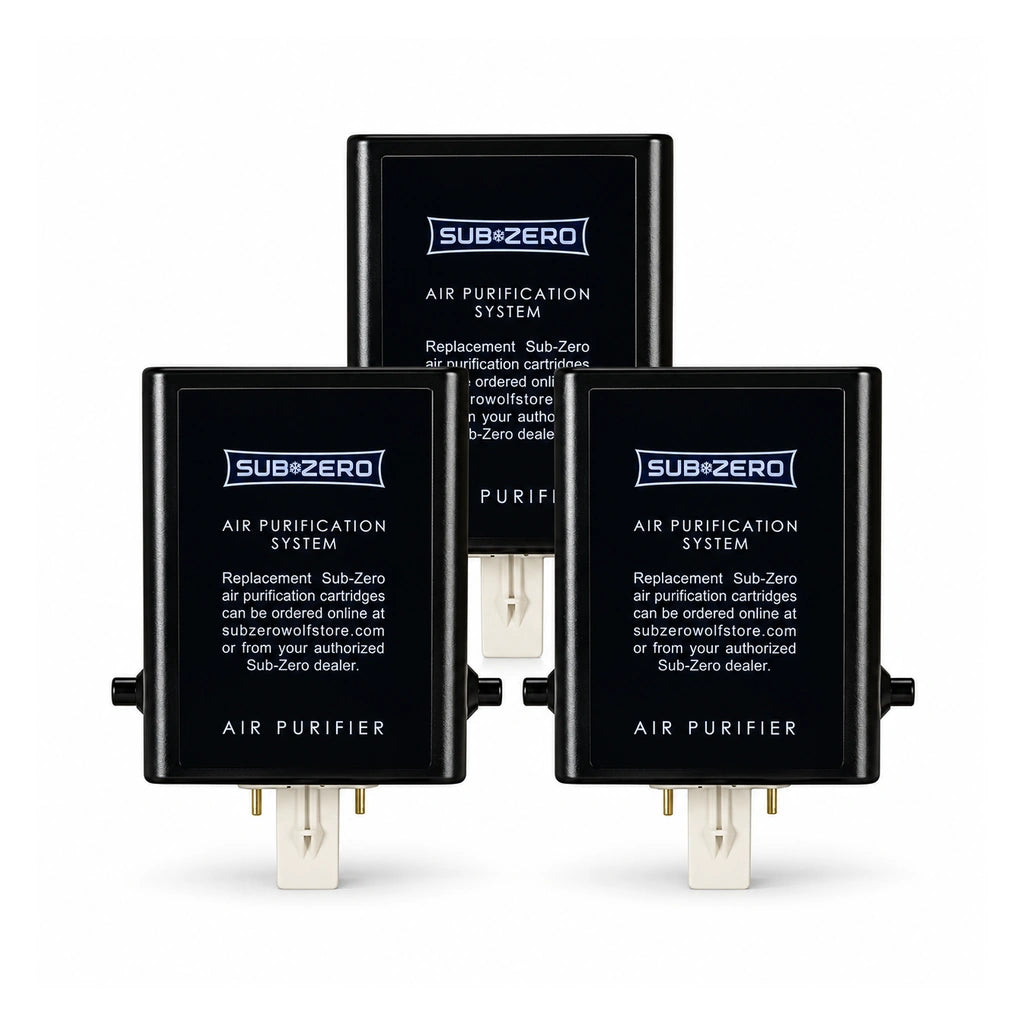
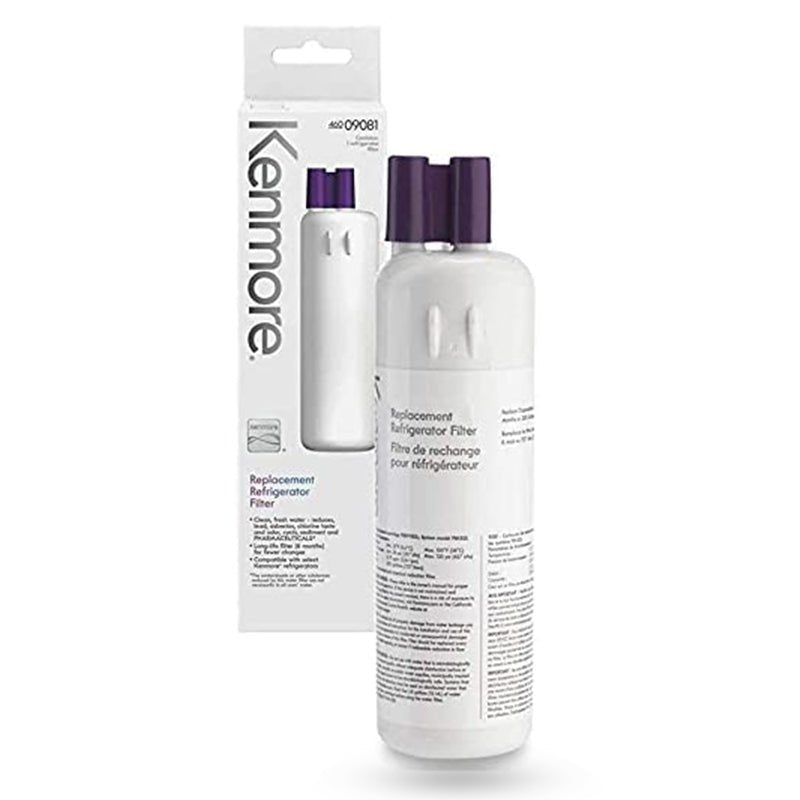
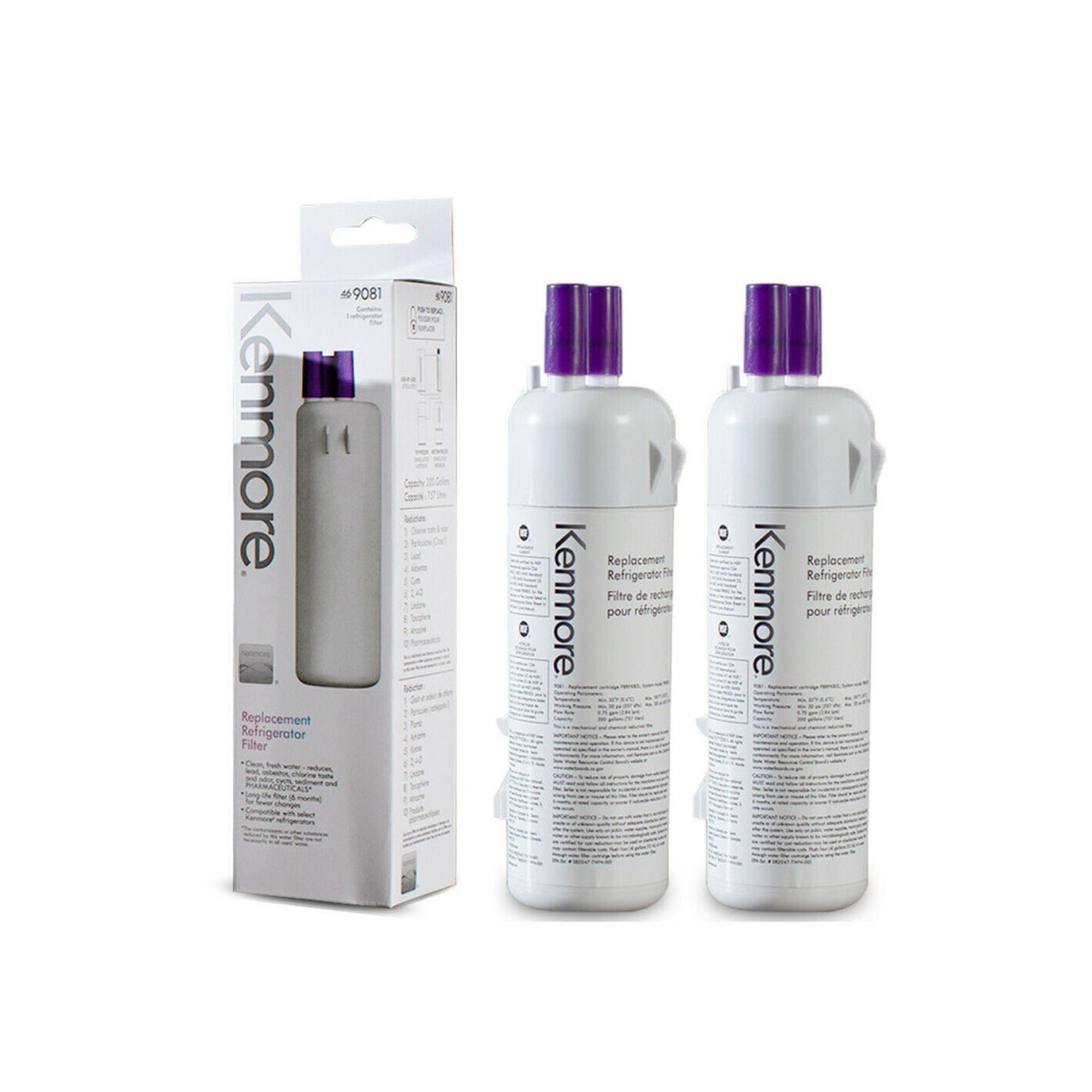
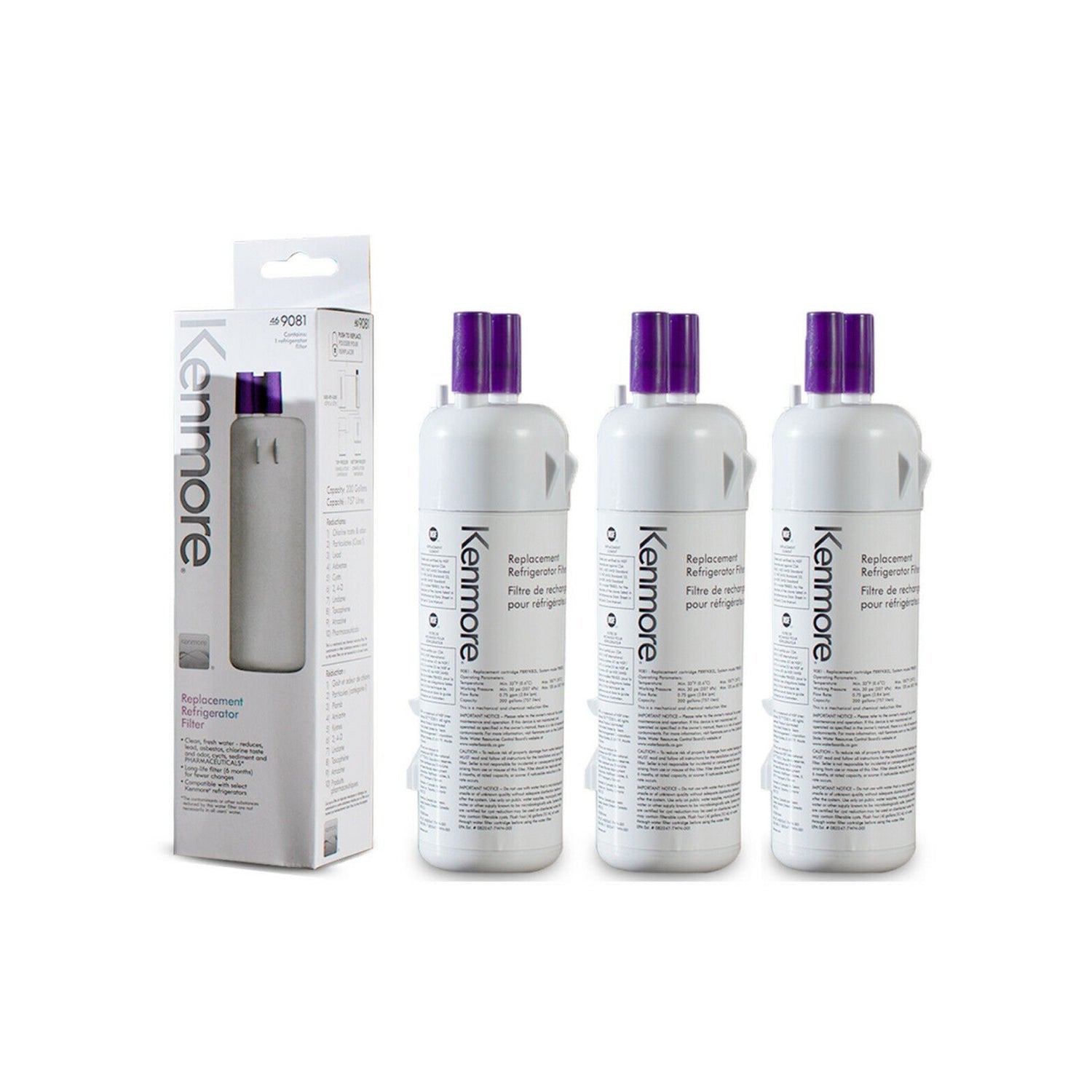
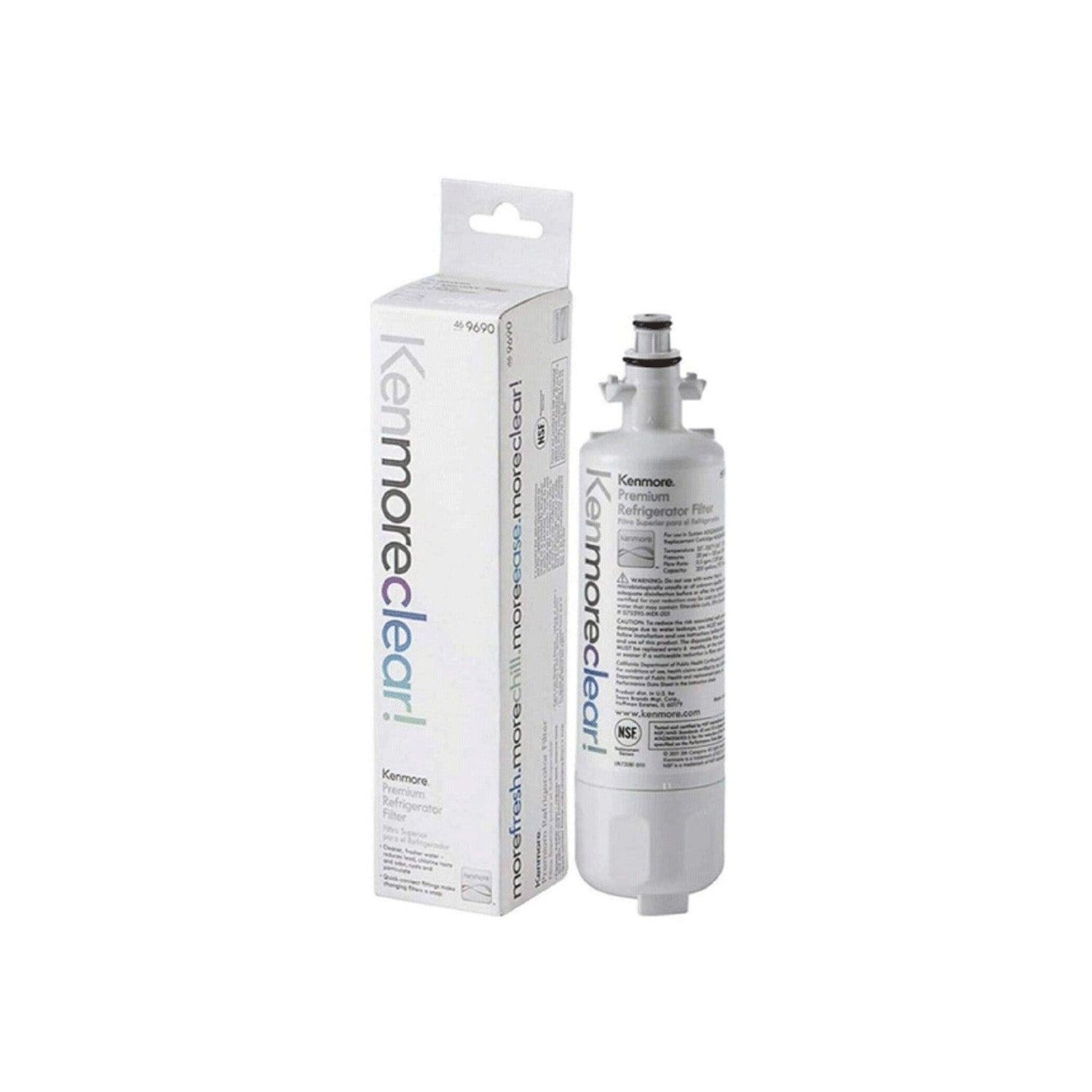
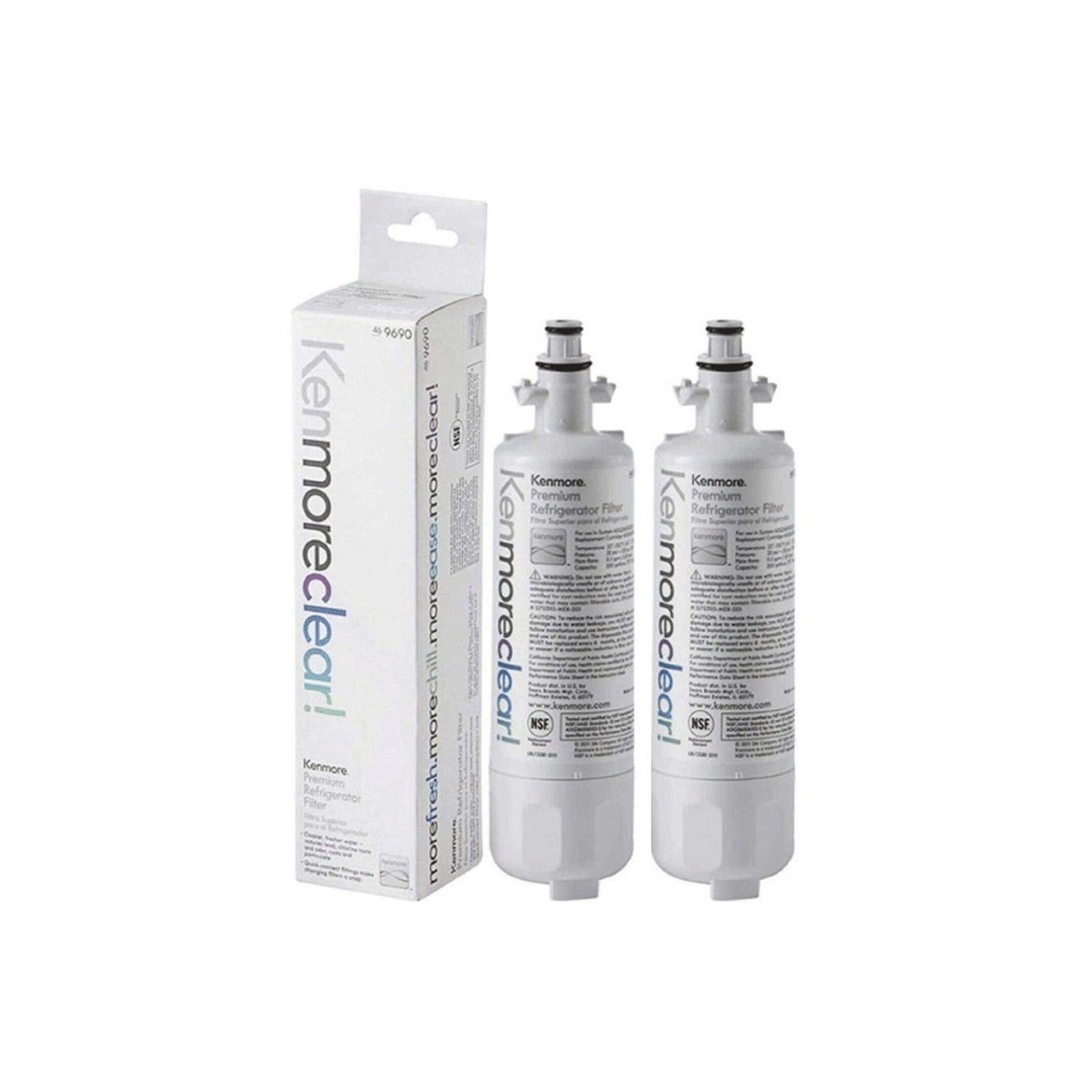
Bad smells inside the refrigerator can ruin the appeal of fresh food and make every door opening less pleasant. Many people clean shelves, drawers, and spills on a regular basis, yet odors still find a way to stay. In many cases, the real issue sits out of sight in the refrigerator air filter. A clean air filter helps cut down odors and keeps the air inside the appliance fresher.
Just a few minutes of care can help food stay fresh and make the refrigerator work the way it should. Before moving on to cleaning or replacement steps, it helps to understand the job an air filter performs inside a refrigerator.
How a Refrigerator Air Filter Helps Keep the Interior Fresh
The refrigerator air filter serves an important purpose by helping maintain cleaner air throughout the appliance. It helps capture airborne particles such as dust, mold spores, food residue, and other contaminants that can circulate through the refrigerator.
One of its most important jobs is reducing unwanted odors before they spread throughout the storage compartment. Fresh-smelling air makes a noticeable difference, especially when strong-smelling foods are stored inside. Without a functioning air filter, stale odors can build up and affect the overall freshness of the refrigerator.
How to Check Whether Your Refrigerator Includes an Air Filter
Many refrigerator models made within the last several years come equipped with an air filter, though some manufacturers started adding them much earlier. A quick way to confirm whether one is installed is to review the owner’s manual or search for the manual online using the refrigerator’s model number. If the appliance includes an air filter, the manual will usually identify its location, list the correct filter type, and provide instructions for replacement or maintenance.
Common Spots for a Refrigerator Air Filter
Air filter placement changes by brand and model. Most refrigerators place the filter near the rear wall at the top of the fresh food compartment. Some units place it inside the air vent grille, while others position it under a bin in the door area or along the inner side walls. These spots allow the filter to move air through the fridge and help control odors inside the compartment.
Should You Reuse a Refrigerator Air Filter or Buy a New One
Some refrigerators come with disposable air filters and others include reusable types. The owner’s manual shows the filter type for each model.
A simple check helps when the manual is not available. The air filter can be removed and any serial number or marking can be used to identify it. Customer support from the manufacturer can also confirm the correct type and whether cleaning is allowed.
How to Maintain a Refrigerator Air Filter by Cleaning or Replacing It
Knowing the filter type and its location helps make the process easier and faster. Reusable and disposable filters need different care, so the correct method depends on the model. Refrigerator brands may also change small steps in the process, but the main approach stays similar across most units.
Steps to Clean a Reusable Refrigerator Air Filter
- Remove the air filter from its compartment by pulling it straight out or lifting it from its slot.
- Tap the filter gently over a trash can to knock off loose dirt and dust.
- Use a soft brush or a vacuum tool to take off any debris stuck in the filter surface.
- Fill a sink or basin with warm water and add a small amount of mild dish soap, then place the filter in the water and let it sit for 10 to 15 minutes.
- Take the filter out of the water and rinse it well under warm running water. Use a soft brush again if any dirt stays, then rinse once more.
- Place the filter on a clean surface and let it air dry fully before putting it back.
- Wipe the filter area inside the refrigerator with a clean damp cloth while the filter dries.
- Put the dry filter back into its slot and close the compartment securely.
Steps for Installing a New Disposable Refrigerator Air Filter
- Start by opening the air filter compartment and pulling the old filter straight out. Turn or lift it as needed until it comes free, then throw the used filter away.
- Next, wipe the inside of the refrigerator around the filter area with a clean, damp cloth. Clean the housing space so dust and dirt do not stay inside.
- Check the new filter before placing it in. Look for the side marked “front” on the filter frame. The package may also show simple setup notes if the marking is hard to find.
- Place the new filter into the compartment with the “front” side facing outward. Slide it in gently until it fits snug in its spot.
- Finish by putting the cover or housing back in place. Make sure it locks or clicks securely so the filter stays fixed.
Refrigerators to Consider for Your Kitchen
LG 26.5 Cu. Ft. French Door Counter-Depth Smart Refrigerator — $1,899.99
Premium counter-depth design from GE featuring a spacious French door layout and smart functionality for modern kitchens.
GE 27.0 Cu. Ft. French Door Refrigerator — $1,599.99
Larger capacity French door model from GE built to support everyday storage needs with a practical and balanced interior layout.
GE 25.3 Cu. Ft. Side-by-Side Refrigerator — $1,619.99
Side-by-side configuration from GE offering organized access to both freezer and fridge sections with a straightforward design.
When to Replace a Refrigerator Air Filter
Most refrigerator air filters need care about every six months. Some models also show a warning light when the filter needs attention. A bad smell inside the fridge, with no clear source, can also signal that the filter is due for a change.