
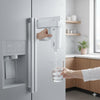
Bosch UltraClarity Pro BORPLFTR50: Is It Really Worth It?
, by ABM Service, 16 min reading time
""Free Shipping on USA"" We do not provide any authorization invoice for amazon Resale.
, by ABM Service, 16 min reading time
Dirty refrigerator water can ruin the taste of every drink and meal in your home. Many Bosch owners replace filters on time but still notice odd smells, cloudy ice, or weak water flow. Small filter issues often lower water quality faster than most people expect. A poor filter can also place extra strain on your refrigerator over time.
This guide breaks down Bosch UltraClarity Pro BORPLFTR50 filter performance in clear terms. You will learn how the filter works, how long it lasts, and steps that keep your water fresh and safe.
Strong water flow and clean ice start with the right filter and proper care. The next sections cover filter types, model numbers, installation steps, common problems, and tips that help refrigerator owners avoid mistakes.
A Bosch refrigerator water filter (including the popular UltraClarityPro filter) is a filtration component designed to improve the quality of water and ice dispensed from compatible refrigerators. Using advanced carbon-based filtration technology, it can reduce up to 99.9% of many unwanted contaminants, including chlorine, sediment, lead, mercury, pharmaceuticals, and unpleasant odors that affect water taste.
Bosch refrigerator water filters are compatible with various Bosch refrigerator styles, including built-in, French door, and side-by-side models. Many filters feature user-friendly installation designs and advanced filtration innovations, but consistent replacement and proper maintenance remain essential for delivering clean, fresh-tasting water and reliable long-term filtration performance.
The Bosch BORPLFTR50 water filter cartridge is a replacement refrigerator filter designed for select Bosch refrigerators with built-in water and ice dispensing systems. It works by using advanced carbon filtration technology to reduce contaminants commonly found in tap water, including chlorine, sediment, lead, and unpleasant odors that affect taste quality.
Many homeowners choose this filter because it helps deliver cleaner, fresher-tasting water while supporting consistent ice production. From everyday use, users often appreciate its reliable filtration performance, leak-resistant design, and quick installation process. The filter is also commonly associated with NSF-tested performance standards for added consumer confidence.
Water Filter Cartridge: A replaceable filtration component that removes impurities from refrigerator drinking water systems.
NSF Certification: An independent safety standard verifying that water filters meet specific health and contaminant reduction requirements.
Refrigerator Water Dispenser: A built-in refrigerator feature that delivers filtered drinking water directly through an external dispenser.
The Bosch BORPLFTR50 filtration process follows a simple step-by-step cycle that ensures clean and safe drinking water from your refrigerator.
Step 1: Filter Installation
The cartridge is inserted into the refrigerator’s designated filter housing. It locks securely into place, ensuring a tight seal. This prevents bypass flow and maintains stable filtration performance during use.
Step 2: Water Entry
When water flows from the refrigerator’s supply line, it first enters the cartridge. This controlled entry ensures all water passes through the filtration media before dispensing.
Step 3: Filtration Process
Inside the cartridge, activated carbon reduces contaminants such as chlorine, sediment, and trace impurities. This stage improves both taste and odor quality.
Step 4: Purification Stage
As water continues through the filter, finer particles and chemical residues are further reduced. This step ensures a higher level of drinking water clarity and safety.
Step 5: Dispensing Stage
Once filtered, the purified water is directed to the refrigerator’s external dispenser. It is then ready for immediate consumption or ice production.
Step 6: Maintenance Cycle
The filter should be replaced based on usage time or when performance indicators signal reduced flow or filtration efficiency. Regular replacement ensures consistent water quality.
|
Comparison Factor |
Bosch BORPLFTR50 |
Generic Alternatives |
|
Compatibility |
Designed for select Bosch refrigerators |
Varies across models |
|
Certification |
Often NSF-tested standards |
Not always certified |
|
Filtration Quality |
Multi-stage carbon filtration |
Basic carbon or mixed media |
|
Installation |
Quick twist-in design |
May require adjustments |
|
Lifespan |
Standard usage cycle |
Inconsistent longevity |
Overall, the Bosch BORPLFTR50 stands out for its reliable compatibility, certified filtration performance, and easy installation process. It delivers consistent water quality with minimal maintenance effort, making it a dependable choice for everyday refrigerator water filtration needs.
The Bosch BORPLFTR50 water filter cartridge delivers noticeable improvements in everyday drinking water quality, and in long-term use it consistently enhances both taste and reliability of my refrigerator’s water and ice supply. As a replacement filter designed for compatible Bosch systems, it has helped me maintain cleaner hydration at home while reducing common water concerns, leading to a more satisfying and dependable overall experience.
Improved Water Taste and Clarity:
The filtration process significantly enhances water taste by reducing chlorine and impurities. This results in cleaner, fresher, and more natural-tasting drinking water straight from the dispenser.
Enhanced Drinking Water Safety:
The cartridge helps reduce harmful contaminants such as sediment and trace chemicals. This improves overall water safety, making it more suitable for daily household consumption.
The Bosch BORPLFTR50 water filter cartridge offers several key advantages that improve everyday water usage in compatible refrigerators:
From my experience using the Bosch BORPLFTR50, the difference in water quality is noticeable almost immediately after installation. The water tastes cleaner and feels fresher, which makes daily hydration more enjoyable and consistent.
It also gives me confidence knowing that unwanted contaminants are being reduced with every use. The filter is simple to replace, which adds convenience to routine maintenance without any hassle. Overall, it has delivered steady performance and dependable results, making it a reliable part of my refrigerator’s water system.
The Bosch BORPLFTR50 water filter cartridge typically lasts for several months of regular household use before requiring replacement, depending on water quality and usage levels. In my experience, it maintains strong performance throughout its lifecycle, and I usually notice a gradual decline in water flow or taste quality before deciding it is time to change the filter for continued reliability.
Filter Life: The total period a water filter can effectively reduce contaminants before its performance begins to decline.
Water Flow: The rate at which filtered water is dispensed through the refrigerator system, which may slow as the filter becomes saturated.
In my own use, I tend to replace the filter once I notice a change in taste or a slight drop in water flow, even if it is still functioning. The water quality remains noticeably better right after replacement, which reinforces the importance of timely changes. Many refrigerators also include indicator lights or reminders that help track filter condition, making it easier to know exactly when a replacement is needed for consistent performance.
Finding the right Bosch refrigerator water filter is usually quick once you know where to check inside your appliance.
If you cannot locate the filter number manually, your refrigerator’s user manual can also help identify the correct replacement option. Most manuals include a dedicated maintenance section with compatible water filter details and replacement instructions.
You can also contact Bosch customer support if the label is faded or missing completely. Providing your refrigerator model number will usually allow support representatives to recommend the correct replacement filter quickly.
Most Bosch refrigerators commonly use one of the following water filter series below.
UltraClarity® filters (BORPLFTR10, REPLFLTR10)
UltraClarity Pro filters (BORPLFTR20). Newer Bosch refrigerator models commonly use this version.
Bosch BORPLFTR50 refrigerator water filter cartridge compatible with select Bosch French door refrigerator models. Follow the installation instructions carefully below.
Installing the Bosch BORPLFTR50 filter usually takes only a few minutes. I found the replacement process very simple during regular refrigerator maintenance. The cartridge fits securely into the housing without requiring tools or complicated alignment during installation.
Filter Housing
The compartment inside refrigerators where the water filter cartridge is installed.
Water Dispenser
The refrigerator feature that supplies filtered drinking water through the exterior dispenser area. Use these simple steps to install the filter cartridge correctly:
Step 1: Open the refrigerator door and locate the water filter housing compartment. Most Bosch refrigerators position the housing near the upper-right interior corner section.
Step 2: Remove the old filter by twisting it counterclockwise or gently pulling outward, depending on your refrigerator model. The cartridge should release smoothly without excessive force during removal.
Step 3: Align the Bosch BORPLFTR50 cartridge with the housing grooves before inserting it carefully. Push firmly and rotate clockwise until the filter locks securely into position.
Step 4: Reset the refrigerator water filter indicator if your Bosch model includes one. Hold the reset button briefly until the replacement notification light disappears completely.
Step 5: Dispense several glasses of water to flush the new filter properly. Water flow should become steady and clear after several moments.
I installed this filter myself without needing professional assistance or additional tools. The cartridge connected securely and started working immediately after installation. Water quality noticeably improved after replacing the older filter cartridge.
If you feel uncertain during installation, review your refrigerator manual for model-specific guidance. Following the manufacturer’s instructions carefully helps ensure proper filter performance and long-lasting operation.
Locating your Bosch refrigerator model number is simple when you check the right areas inside and outside the appliance:
Inside Refrigerator Wall: Open the main compartment and look along the inner side walls. The model number sticker is usually placed near the top section and clearly printed on a white or silver label.
Behind the Crisper Drawer: Pull out the vegetable or crisper drawer carefully. Check the back wall area behind it, as Bosch often places the identification label in this hidden section for easy reference.
Door Frame Area: Inspect the inner edge of the refrigerator door frame. Some Bosch models place the model and serial number label along the door seal area, which may require fully opening the door to view clearly.
Exterior Side Panel: Check the left or right outer side of the refrigerator cabinet. On certain built-in or freestanding models, the label is attached to the exterior side and can be seen without opening the door.
User Manual or Purchase Document: The original user manual or sales invoice usually contains the refrigerator model number. This is helpful if the physical label inside the appliance is worn out or difficult to read.
If you still cannot locate the model number after checking all these areas, contacting Bosch customer support is the most reliable option. Providing appliance photos or basic details can help them quickly identify your exact refrigerator model.
It depends on the model, as Bosch refrigerators place the water filter in different locations.
Behind the Front Grille: In most Bosch refrigerators, the water filter is located behind the front grille at the base of the unit. You may need to carefully remove the grille to access the filter housing before replacing it.
Inside the Fresh Food Compartment: In some Bosch refrigerator models, the water filter is located inside the fresh food compartment. It is usually placed in a small housing near the back wall or in the ceiling area of the refrigerator compartment.
If you are still unsure, the user manual is the most accurate reference for your specific Bosch refrigerator model. It will show the exact filter location and removal steps. If the manual is not available or the location is unclear, contacting Bosch customer support can help you identify the correct filter position quickly.
Bosch engine air filters are generally considered high-quality, reliable, and effective for everyday driving, offering strong filtration performance and consistent engine protection, although they are usually priced slightly higher than some budget alternatives.
Performance Efficiency: Bosch filters are designed with pleated, high-density media that increases surface area for better airflow while trapping fine dust and debris efficiently, helping maintain stable engine performance.
Build Quality & Materials: They typically use durable, OEM-grade materials with multi-layer filtration design, which improves longevity and supports consistent filtration over the service life of the filter.
Fitment & Compatibility: Most Bosch engine air filters are designed for precise OEM fitment, but performance and fit can vary slightly across different product lines such as standard and premium ranges.
Market Positioning: Bosch is generally placed in the mid-to-premium segment, competing with brands like Mann and Fram, with some independent tests showing comparable performance depending on vehicle type and usage conditions.
Overall, Bosch engine air filters are a dependable choice for drivers who prioritize balanced performance, durability, and OEM-level reliability over the lowest possible price.
What is the most common problem with Bosch refrigerators usually relates to cooling inefficiency, temperature fluctuations, and occasional component failures. These issues often arise due to blocked vents, faulty sensors, worn door seals, or defrost system malfunctions, leading to food spoilage, energy waste, and inconsistent performance of the appliance.
Cooling issues occur when the refrigerator fails to maintain proper temperature due to evaporator fan problems, refrigerant leaks, or blocked air circulation pathways inside system areas.
Excessive frost buildup in freezer compartments typically results from defrost heater failure, clogged drain lines, or faulty temperature control systems affecting airflow.
Water leakage inside the refrigerator or pooling beneath the unit occurs due to blocked drain lines, damaged water inlet systems, or improper leveling of the appliance.
Strange noises from the compressor or fan often indicate mechanical wear, loose components, or obstruction issues inside the cooling system.
Temperature instability and cooling inefficiency problems frequently occur together.
Ice formation and defrost system failures cause airflow blockages and reduced freezing efficiency issues.
Water leakage and drainage system problems commonly occur.
Check air vents and ensure proper air circulation inside the refrigerator compartment is not blocked.
Defrost the freezer regularly and inspect heater and drainage components for any blockages or faults.
Inspect door seals and tighten water connections to prevent leakage issues effectively.
Clean the compressor area and check the fan motor for wear, damage, or reduced performance.


