
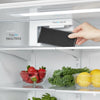
How Frigidaire PAULTRA2 Improves Odor Control & Freshness
, by ABM Service, 7 min reading time
""Free Shipping on USA"" We do not provide any authorization invoice for amazon Resale.
, by ABM Service, 7 min reading time
Bad smells inside a fridge can affect food freshness and make storage unpleasant. Leftover food, spills, and strong ingredients often leave behind odors that spread across shelves. Clean air inside the fridge helps food stay fresh longer and keeps daily use more comfortable. Regular maintenance supports better air quality overall.
Frigidaire PAULTRA2 PureAir Ultra II filter helps reduce fridge odors using carbon material inside the unit. This guide explains its lifespan, replacement timing, and performance in daily use. It also covers signs of wear and simple steps to keep refrigerator air clean and food storage conditions stable over time now.
The Frigidaire PAULTRA2 PureAir Ultra II filter is a refrigerator air filter designed to reduce unwanted smells inside the fridge. It works inside compatible Frigidaire models and supports cleaner air circulation in the fresh food compartment. Many users search for this part when they notice persistent fridge odors or reduced food freshness.
This filter focuses on odor control, not cooling or water cleaning. It improves internal air quality so stored food keeps its natural smell and taste for a longer time.
The main purpose of a refrigerator air filter is to clean the air that moves inside the fridge. Every time the door opens, outside air enters and mixes with food odors. Over time, these smells build up and affect other stored items.
The PAULTRA2 filter helps reduce this issue by trapping odor particles before they spread. This keeps strong smells from mixing and helps maintain a fresher storage environment.
The PAULTRA2 filter uses activated carbon, a material known for odor absorption. It captures smell particles from foods like dairy, meat, leftovers, and vegetables.
Key features include:
These features make it a common choice in Frigidaire refrigerator maintenance routines.
The PAULTRA2 filter fits select Frigidaire French door and side-by-side refrigerators. Compatibility depends on the air filter slot built into the unit.
Most users check their refrigerator manual or existing filter code before buying a replacement. Using the correct model ensures proper airflow and full odor control performance.
Odor control happens when air passes through the carbon layer inside the filter. The carbon traps odor molecules before they spread back into the fridge space.
This process helps reduce common kitchen smells such as:
Cleaner air improves overall fridge freshness and helps food last longer without odor transfer.
The PAULTRA2 filter works through continuous air movement inside the refrigerator. Air flows through the filter system before it returns into the storage compartment.
Activated carbon contains millions of tiny pores that capture odor particles. As air passes through, these pores trap smell molecules and prevent them from circulating again.
This method is widely used in refrigerator air filters because it works without chemicals or electricity.
Inside the fridge, air constantly moves due to cooling cycles. During this movement, air passes through the filter housing.
The carbon layer holds onto odor molecules through surface absorption. This process helps reduce strong smells over time and keeps the air more neutral inside the refrigerator.
Many users confuse air filters with water filters, but both serve different purposes:
The PAULTRA2 filter does not affect water quality. Its only role is odor control inside the fridge compartment.
Filter lifespan directly affects refrigerator odor control performance. A fresh filter keeps air clean, while an old filter loses effectiveness over time.
The PAULTRA2 filter usually lasts about six months under normal household use. This timeframe matches common refrigerator maintenance schedules.
Heavy use or frequent odor exposure may shorten its lifespan. In such cases, odor control may weaken before the six-month mark.
Several daily conditions can reduce filter performance faster than expected.
Frequent door opening allows warm air and outside odors to enter. This increases filter workload and shortens its effective lifespan.
Light foods produce fewer odors, while mixed meals and dairy items create stronger smells. A fridge with diverse food storage places higher demand on the filter.
Foods like cooked meat, fish, onions, and spices release strong odors. These items are one of the main reasons filters lose strength early.
High humidity inside the refrigerator spreads odors faster. Moist conditions also reduce the efficiency of activated carbon over time.
Frigidaire recommends replacing the PAULTRA2 filter every six months. Many newer refrigerator models also include a filter change indicator light to remind users.
A weakening filter shows clear signs in daily refrigerator use.
If bad smells stay even after cleaning, the filter may no longer absorb odors properly.
When food odors start blending, air separation inside the fridge becomes weak. This often signals a worn-out filter.
Shorter freshness periods often connect to poor air quality. A new filter helps maintain stable storage conditions.
Many Frigidaire refrigerators display a filter replacement alert. This helps users maintain a proper replacement schedule.
Replacing the PAULTRA2 filter is a quick maintenance task that does not require tools.
No tools are needed. A replacement filter and clean hands are enough for the process.
The filter housing is usually inside the refrigerator compartment, often near the top or side wall.
The old filter slides or twists out depending on the model design. Gentle removal helps avoid damage.
Place the new filter in the same position. Proper alignment ensures correct airflow and odor control.
Some models require a manual reset after installation. This clears the filter change alert on the display panel.
Incorrect installation or using the wrong model can reduce airflow efficiency. Loose fitting may also lower odor control performance.
Simple habits can improve filter life and keep refrigerator air fresher for longer.
Sealed containers reduce odor release and help the filter work more efficiently.
Spills create strong odors over time. Quick cleaning helps prevent odor buildup inside the fridge.
Proper spacing allows air to circulate freely. Good airflow reduces pressure on the filter system.
Covered food items release fewer odor particles, which helps extend filter performance.
Routine cleaning reduces odor sources and supports consistent air quality inside the refrigerator.


