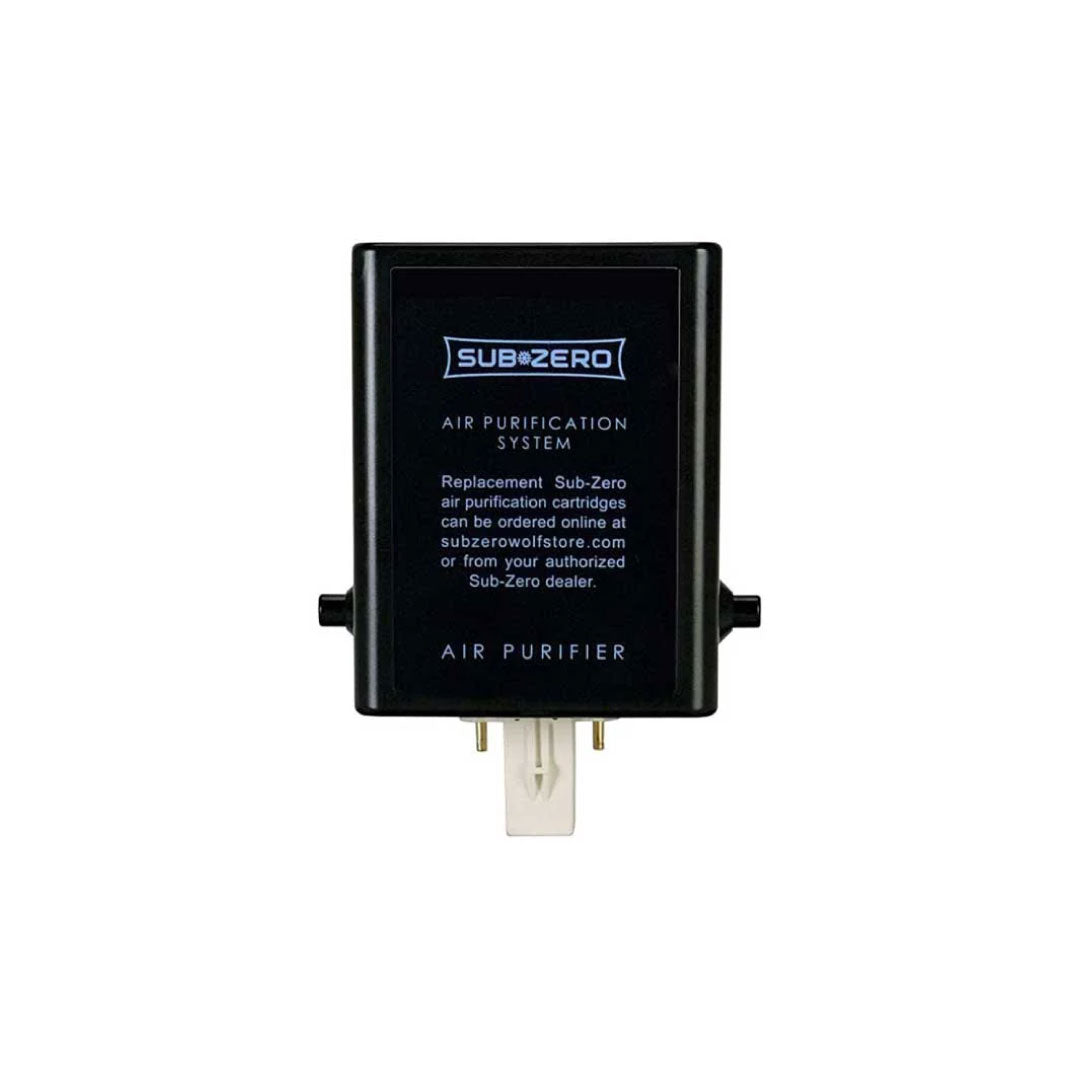
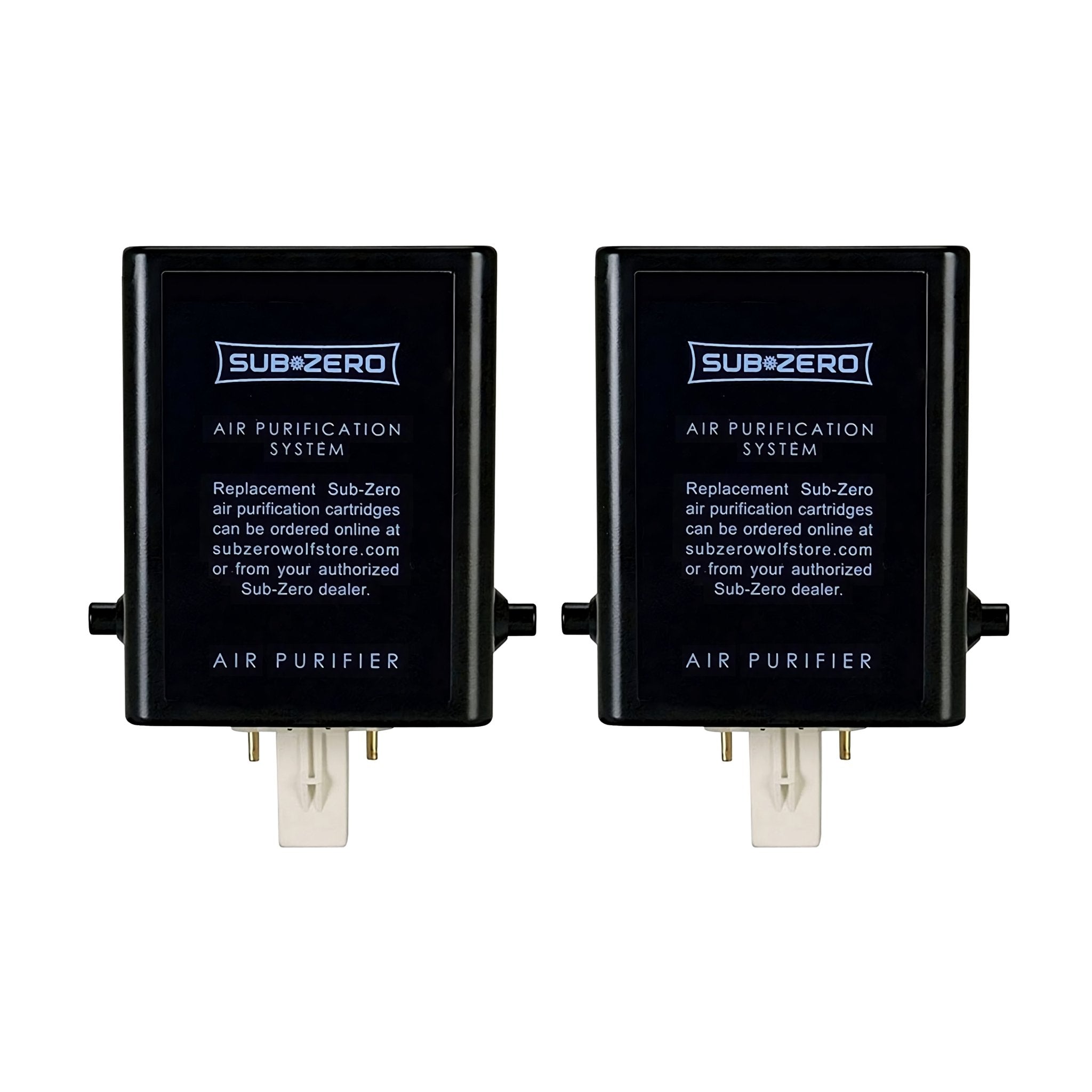
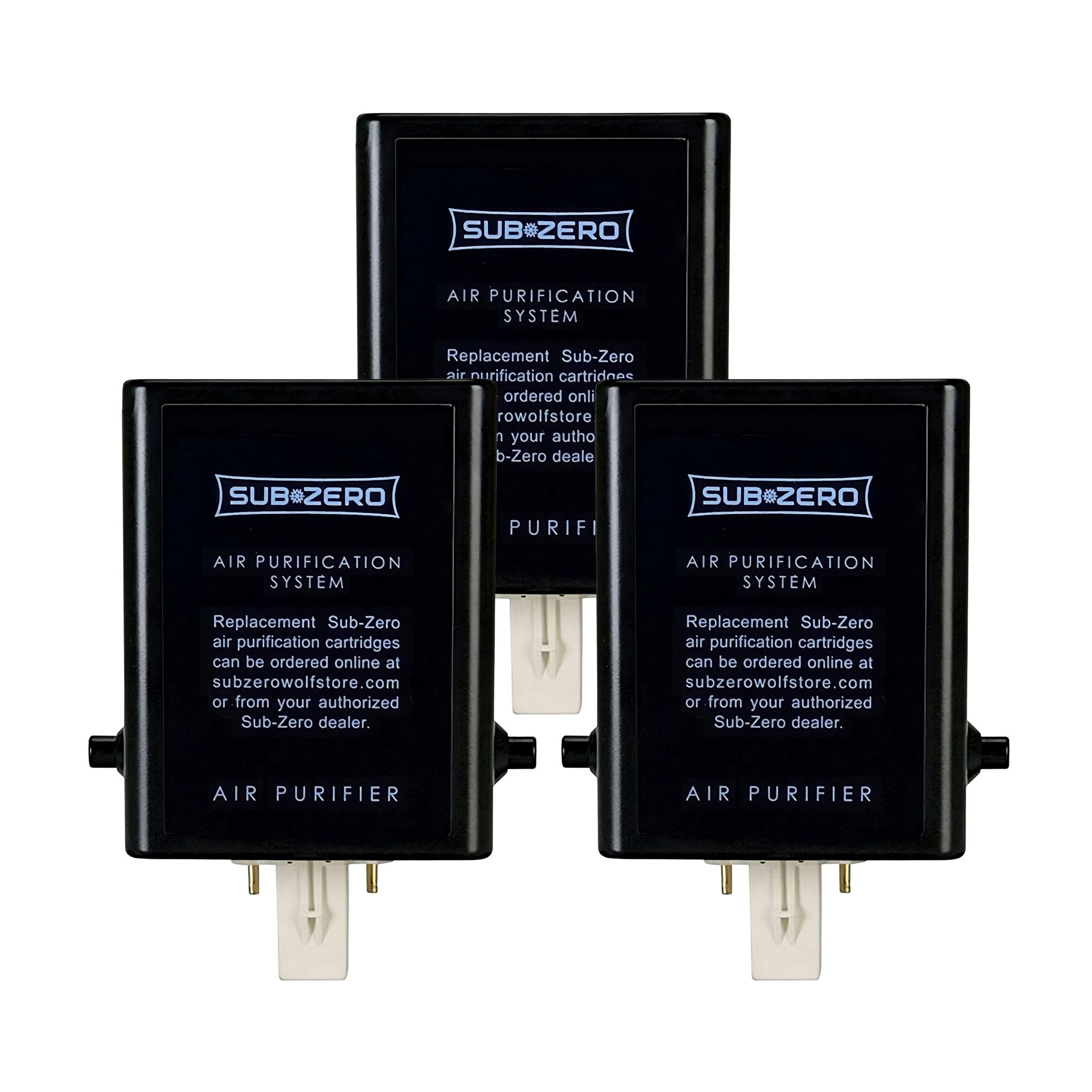
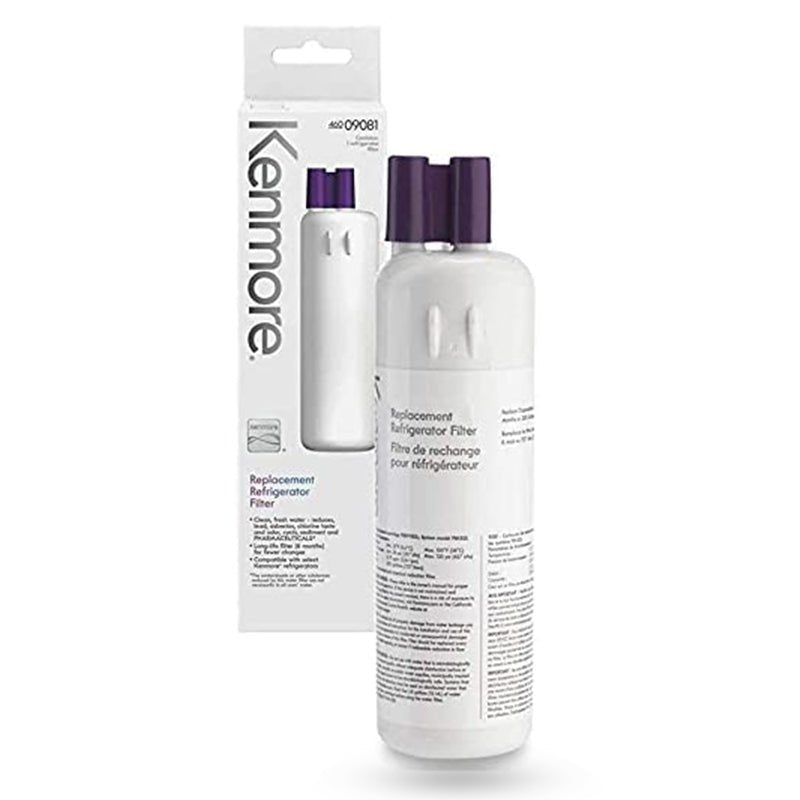
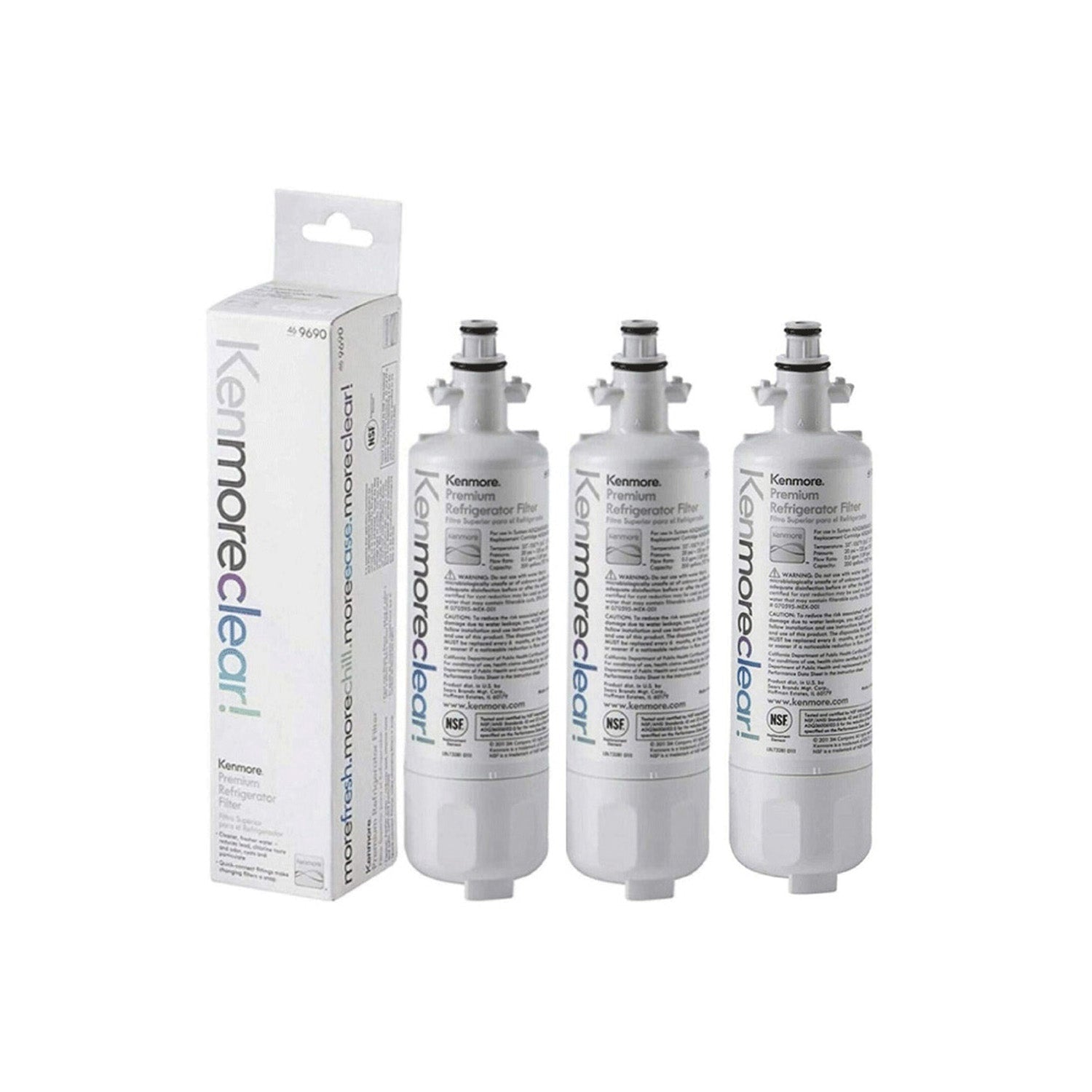
Bad smells inside a refrigerator often mean more than spoiled leftovers. Dirty air can move through the fridge and reach fresh fruit, vegetables, milk, and meat. Many people change water filters but forget about the air filter. That small part helps keep food fresh and cuts down strong odors.
Clean air also helps food last longer and taste better. A good refrigerator air filter traps odor, smoke, and tiny bits that float inside the fridge. This guide explains how air filters work, when to change them, and how they protect food quality. The next section covers the basic job of refrigerator air filters.
Understanding Refrigerator Air and Water Filter Functions
Refrigerator water filters remove impurities from drinking water by trapping contaminants, improving taste, and ensuring safer hydration directly from built-in dispenser systems.
Refrigerator air filters capture odor-causing particles inside the fridge by circulating air through activated carbon materials, helping maintain freshness and reducing unwanted smells from stored food items effectively over time overall.
Refrigerator air and water filters serve different roles, with water filters focusing on drinking quality and air filters targeting internal freshness, both working in separate locations but contributing to overall appliance hygiene and food preservation performance.
Importance of Air Filters for Fresh Food Storage
Inside a refrigerator, air continuously circulates and carries smells between stored foods, causing odors to mix and spread quickly, making fresh items lose their natural taste and creating an unpleasant storage environment over time.
Fruits and vegetables release ethylene gas as they ripen, which builds up inside closed refrigerator spaces and speeds up the aging process of nearby foods, leading to faster spoilage, texture changes, and reduced freshness when air is not properly filtered and cleaned over time in closed storage.
Air filters help control these issues effectively:
-
Removes strong odors for noticeably fresher smelling refrigerator air quality
-
Extends freshness duration for stored produce
-
Reduces food waste and improves storage efficiency overall
Air filtration improves overall food quality, helping families save money while keeping meals fresher and healthier on a daily basis.
Role of an Air Filter in Refrigerator Performance
An air filter in a refrigerator is a component that cleans the circulating air inside the fridge, similar to how a water filter cleans drinking water. It removes unwanted particles, odors, and gases released from stored food, helping maintain a cleaner internal environment. Its main role is to reduce strong smells and prevent them from spreading between items. Without it, leftover food odors can mix quickly, making the fridge unpleasant every time you open the door.
Benefits of Refrigerator Air Filters for Food Storage
Ever wondered how a simple filter improves your fridge experience? Here are the key benefits it delivers for daily food storage.
-
Freshness boost: Keeps stored fruits and vegetables fresher by reducing air contamination inside the refrigerator.
-
Odor control: Eliminates strong food smells so different items do not mix unpleasantly over time.
-
Better taste: Prevents odor transfer, helping food retain its original flavor and natural quality longer.
-
Waste reduction: Slows down spoilage, allowing you to keep groceries usable for a longer period.
-
Improved hygiene: Maintains cleaner fridge air, creating a healthier storage environment for your family overall.
A fridge air filter enhances freshness, reduces waste, and improves everyday food storage quality significantly.
Can Refrigerator Air Filters Be Reused After Cleaning?
Can you safely clean and reuse a refrigerator air filter after use? Some filters are washable, while others are designed for single use only and cannot be restored effectively once saturated with trapped particles and odors over time. The easiest way is to check the manufacturer’s instructions and gently clean washable filters with mild water and allow them to dry completely before reinstalling.
If that’s not an option, locate the model number on the filter, verify its type in the user manual or product label, and contact the manufacturer or retailer for guidance on whether replacement is required, since using a worn-out filter can reduce air quality and affect food freshness inside the refrigerator.
Step-by-Step Guide to Cleaning or Replacing Air Filters
Before you start, identify where your refrigerator’s air filter is located and whether it is washable or replaceable. Different refrigerator brands and models use different filter designs, so the exact removal and cleaning method may vary depending on your unit type and manufacturer instructions. Once you’ve confirmed the filter type and location, you’re ready to follow the correct cleaning or replacement steps to maintain proper airflow and keep your fridge environment fresh.
Here’s how to clean a reusable refrigerator air filter:
Start by removing the air filter from your refrigerator once you’ve located its designated slot or housing area. Gently pull it out according to your appliance design, making sure not to damage the surrounding compartment or filter frame during the removal process carefully.
Tap the filter lightly over a trash bin or sink to dislodge loose dust, crumbs, and debris trapped on the surface. This simple step helps clear initial buildup and prepares the filter for deeper cleaning without forcing dirt further into the material structure unnecessarily.
Use a soft brush or handheld vacuum to remove remaining particles stuck in the mesh or carbon surface. Work slowly across both sides of the filter to ensure all visible dust is lifted, focusing on corners and edges where buildup is usually heavier over time.
Fill a sink or basin with warm water and a small amount of mild dish soap, then fully submerge the filter and let it soak for 20–30 minutes. This allows trapped odors and deeper grime to loosen, making the cleaning process more effective and restoring better airflow performance gradually.
After soaking, gently scrub the filter using a soft brush to remove any remaining residue, then rinse it thoroughly under clean running water until no soap remains visible. Shake off excess water and allow it to air dry completely in a well-ventilated area before reinstalling it.
Once fully dry, wipe the filter compartment inside the refrigerator to remove any dust buildup or residue. Carefully place the clean filter back into its slot, ensuring it fits securely and properly so the airflow system can function efficiently again without obstruction or odor issues.
Here’s how to replace a disposable air filter:
Start by locating the air filter compartment inside your refrigerator and opening the cover or sliding panel to access the old disposable filter. Carefully pull the filter out using the built-in tab or edge grip, then dispose of it properly since it cannot be reused once saturated.
Use a clean, slightly damp cloth to wipe the empty filter housing area and remove any dust or loose debris. This helps ensure the new filter sits properly and the airflow path remains clean before installation.
Take the new disposable air filter out of its packaging and check for any markings or arrows indicating the correct airflow direction. If needed, refer to the user manual to confirm proper orientation before inserting it into the compartment.
Insert the new filter into the slot, making sure it aligns correctly and fits snugly without forcing it. Ensure the airflow direction matches the markings so the filter works effectively once installed.
Close the filter cover or slide the panel back into place securely to complete the replacement process.
Best Time to Replace Your Refrigerator Air Filter
A refrigerator air filter should typically be replaced every six months to maintain optimal air quality and keep food fresh, although the exact timing may vary depending on usage and manufacturer recommendations.
Many modern refrigerators include a filter indicator light or reminder system that alerts you when it’s time for a change, and you can also track replacement dates manually on a calendar to stay consistent with maintenance. If you notice lingering odors inside the fridge or a decline in freshness, it’s often a clear sign just to listen to your nose that the filter is no longer working effectively and needs immediate replacement.
How do air filters help extend the freshness and quality of stored food over time?
-
Odor Control Improvement: Air filters trap and reduce strong food odors, preventing smells from spreading and mixing between different stored items inside the refrigerator.
-
Bacterial Growth Limitation: By improving internal air cleanliness, filters help reduce airborne contaminants that can contribute to faster bacterial growth on perishable foods.
-
Better Food Freshness: Cleaner circulating air slows down spoilage processes, helping fruits, vegetables, and leftovers stay fresher for a longer period.
-
Reduced Flavor Transfer: Air filtration minimizes cross-contamination of smells, ensuring foods retain their original taste without absorbing unwanted flavors from nearby items.
Refrigerator Air Filter vs Baking Soda: Which Works Better?
Baking soda has long been used in refrigerators to help absorb odors and reduce unwanted smells from food storage areas. It provides a simple, low-cost solution, but its effect is limited and does not actively clean circulating air like a dedicated filtration system. Modern air filters, on the other hand, offer continuous air purification and more consistent freshness control inside the fridge.
Here’s why:
-
Odor Coverage Limits: Baking soda only absorbs nearby smells, while air filters actively circulate and clean all internal air.
-
Continuous Performance: Air filters work nonstop to remove odors and particles, unlike baking soda which weakens over time.
-
Advanced Filtration: Air filters target odor-causing gases and contaminants more effectively than passive odor absorption methods.
Baking soda can still be used as a temporary backup solution, but air filters provide a more reliable and long-term approach to maintaining refrigerator freshness.
Popular Refrigerator Brands With Air Filtration Systems
Many major refrigerator brands use built-in air filters to help maintain internal freshness, remove odors, and improve food storage conditions. These systems are commonly found in side-by-side, French door, and high-end smart refrigerator models, with some units also offering dual filtration or advanced odor-control technologies. Regardless of the type, most air filters are designed to improve airflow quality and should be checked regularly according to manufacturer guidelines to ensure consistent performance and freshness inside the fridge.
LG Refrigerator Air Filters
LG refrigerators commonly include air filters designed to reduce odors and maintain a cleaner storage environment. These filters help improve air circulation inside the fridge, ensuring that strong-smelling foods do not affect other stored items.
Most LG air filters use activated carbon material, which absorbs odor particles and helps maintain freshness throughout the refrigerator compartment. Some advanced models may also include multi-layer filtration systems for improved performance.
Higher-end LG models may feature smart indicators that notify users when it’s time to replace the filter. This helps ensure consistent air quality without requiring manual tracking.
LG air filters are typically recommended to be replaced every six months to maintain optimal freshness, reduce odors, and support efficient cooling performance.
Whirlpool Refrigerator Air Filters
Whirlpool refrigerators also use air filters to control odors and keep the internal environment fresh. These systems are designed to circulate clean air throughout the refrigerator to reduce food odor transfer.
Whirlpool filters commonly use activated carbon technology to trap odor-causing gases and airborne particles. This helps maintain better food quality and prevents smells from building up over time.
Some Whirlpool models include FreshFlow™ or similar branded filtration systems that enhance odor removal efficiency. Certain units may also combine air filtration with humidity control features.
It is generally recommended to replace Whirlpool air filters every six months to ensure consistent freshness and prevent odor buildup inside the refrigerator.
Samsung Refrigerator Air Filters
Samsung refrigerators often include advanced air filtration systems designed to maintain freshness and improve hygiene inside the fridge. These filters help reduce unwanted odors and improve overall air quality.
Samsung typically uses activated carbon-based filters that help capture odor particles and airborne impurities. Some models may also include additional deodorizing layers for enhanced performance.
High-end Samsung refrigerators may feature digital or smart indicators that alert users when filter replacement is needed. This ensures maintenance is done at the right time for best results.
Samsung air filters are usually replaced every six months, helping maintain food freshness, reduce odor transfer, and support long-term refrigerator performance.
Frigidaire Refrigerator Air Filters
Frigidaire refrigerators use air filters to help eliminate odors and maintain a clean storage environment for food. These filters improve airflow quality and reduce the spread of strong smells inside the refrigerator.
Most Frigidaire air filters use activated carbon technology to trap odor-causing particles and maintain freshness. This helps preserve the natural taste and smell of stored food items.
Some Frigidaire models feature simple slide-in filter systems that make replacement quick and easy without requiring tools. This user-friendly design improves maintenance convenience.
Frigidaire air filters should generally be replaced every six months to maintain effective odor control and ensure consistent refrigeration performance.
How to Choose the Best Refrigerator Air Filter?
Not all refrigerator air filters are designed the same, and choosing the right one can significantly impact how well your fridge controls odors, maintains freshness, and prevents food spoilage over time. The right filter ensures proper airflow, better odor absorption, and consistent internal hygiene, while the wrong one may reduce efficiency or fail to fit your appliance correctly. Here’s what to look for:
Here’s what to look for:
✔ Compatibility with Your Refrigerator – Always match the air filter with your refrigerator’s brand and exact model number to ensure proper fit and performance without airflow issues or installation problems.
✔ Certified Performance Standards – Look for filters tested and approved by recognized organizations such as NSF/ANSI, IAPMO, CSA, or WQA to ensure reliable odor removal and safety performance.
✔ Trusted Source and Authenticity – Avoid low-quality or counterfeit filters by purchasing from official retailers or verified sellers, since unapproved products may not deliver consistent air purification results or long-term durability.
✔ Replacement Schedule and Efficiency – Choose filters designed for easy replacement every six months or around 300 gallons of use to maintain continuous freshness and avoid performance decline over time.
Here are two excellent options…
-
The Whirlpool EveryDrop Refrigerator Air Filter offers reliable odor reduction and easy compatibility, helping maintain fresher air and cleaner food storage conditions with consistent performance over time.
-
The LG LT120F Fresh Air Filter is designed to reduce strong odors, improve taste preservation, and support cleaner airflow inside the refrigerator for better overall food freshness and storage quality.
Choosing the right air filter ensures better refrigerator performance, longer-lasting food freshness, and improved odor control, making everyday food storage cleaner, safer, and more efficient overall.
Health and Safety Guidelines for Use
Refrigerator air filters play an important role in maintaining a clean storage environment by reducing airborne odors, trapping impurities, and helping preserve the natural quality of stored food. This contributes to better food safety, improved taste retention, and reduced risk of contamination inside the refrigerator, supporting healthier everyday consumption.
To ensure safe and effective use, always choose filters that meet recognized quality standards and are compatible with your refrigerator model. Follow the manufacturer’s installation instructions carefully to avoid improper fitting that could reduce performance or airflow efficiency.
Replace the air filter regularly, typically every six months, to maintain optimal hygiene and filtration effectiveness. During replacement, wash hands and avoid direct contact with the filter surface to prevent introducing dirt or contaminants into the system.
Long-Term Cost Savings from Refrigerator Air Filters
Long-term cost and efficiency depend on more than the initial purchase price. Upfront cost alone does not reflect total value over time. Factors such as energy use, maintenance needs, and replacement frequency also influence overall expense.
Lower operating costs can reduce spending across extended periods of use. Efficient performance often leads to lower utility consumption and fewer service requirements. Regular care and proper usage may also extend product lifespan and reduce repair costs. Together, these factors contribute to stronger long-term value and more predictable ownership costs.
Key Takeaways for Refrigerator Air Filter Maintenance
Overall, this option can provide reliable long-term value when used and maintained properly. It helps reduce unnecessary costs, improves day-to-day efficiency, and supports more consistent performance over time. For many users, the combination of lower upkeep and dependable operation makes it a practical choice for regular use.
Regular cleaning, inspections, and basic maintenance can help prevent avoidable problems and extend overall lifespan. Choosing the right option depends on your needs, budget, and expected usage. If long-term savings and steady performance matter most, it can be a worthwhile investment. If not, a simpler alternative may still meet your everyday needs effectively.