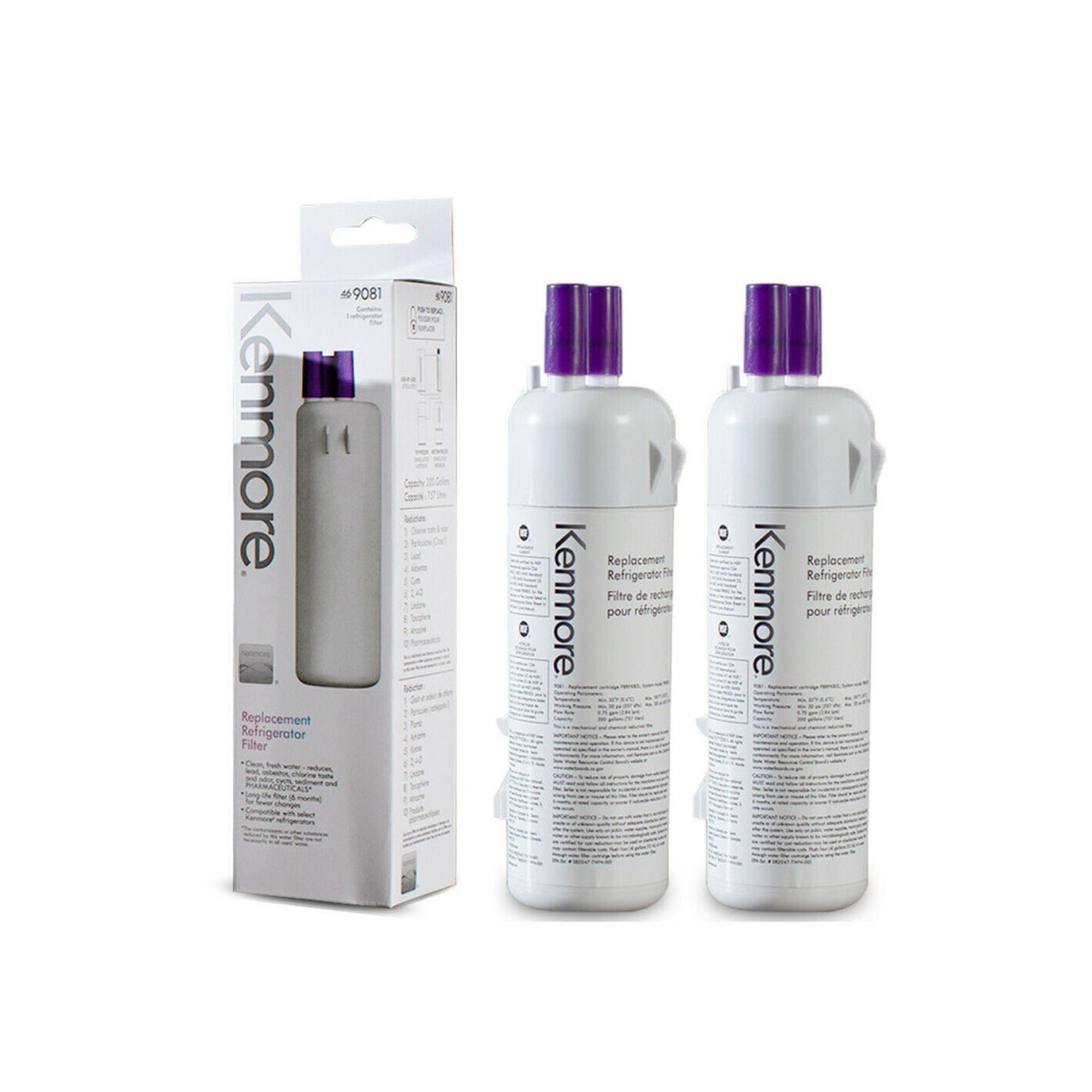
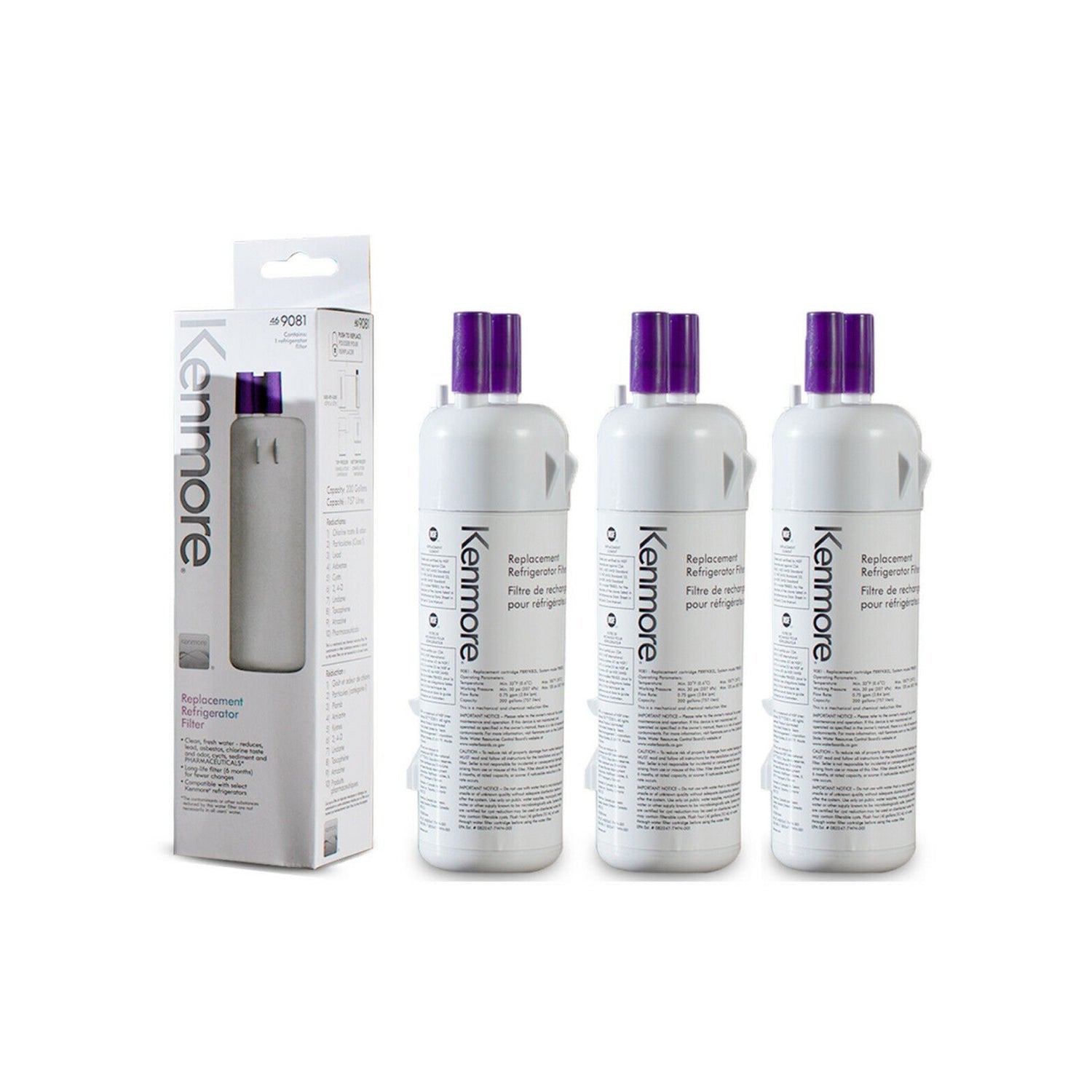
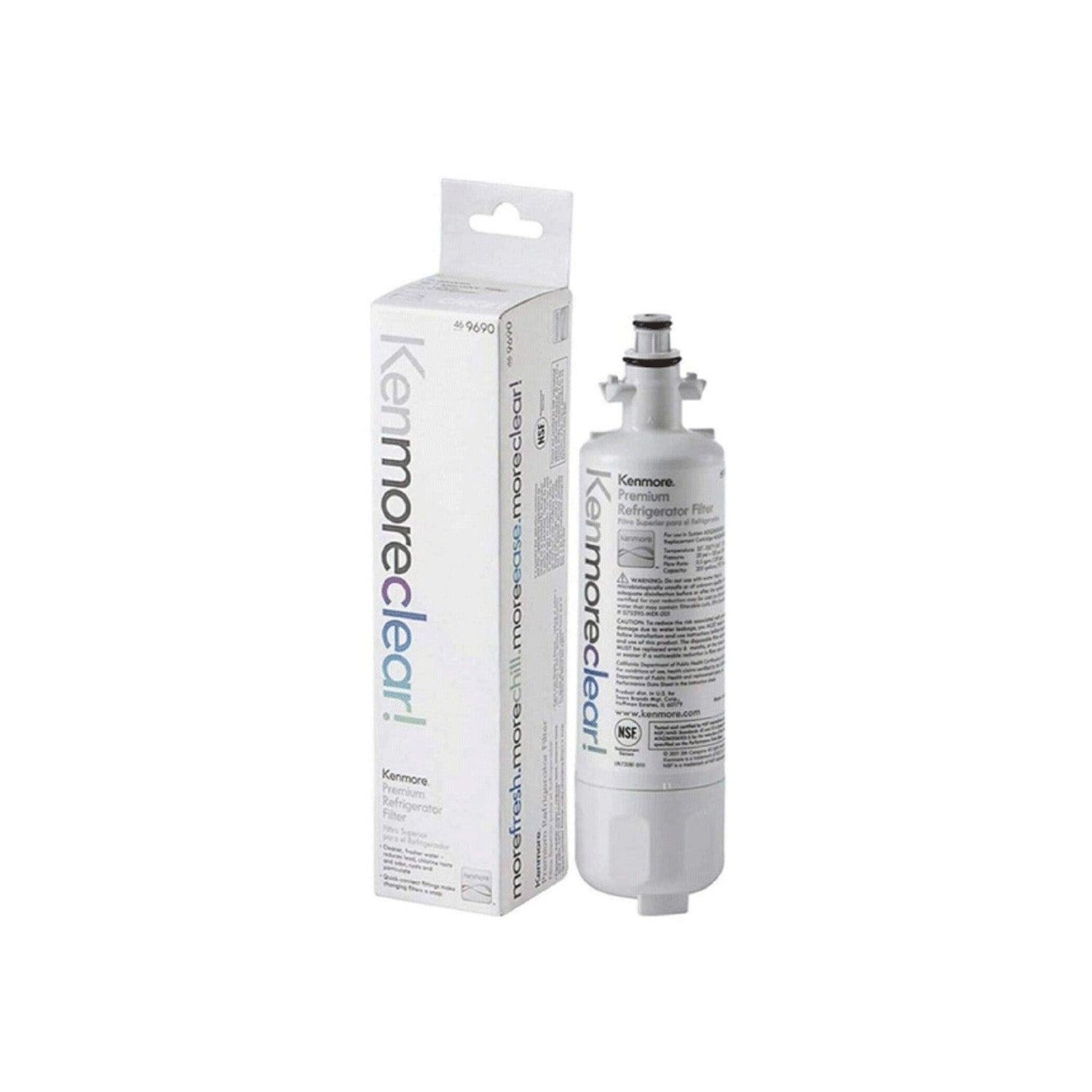
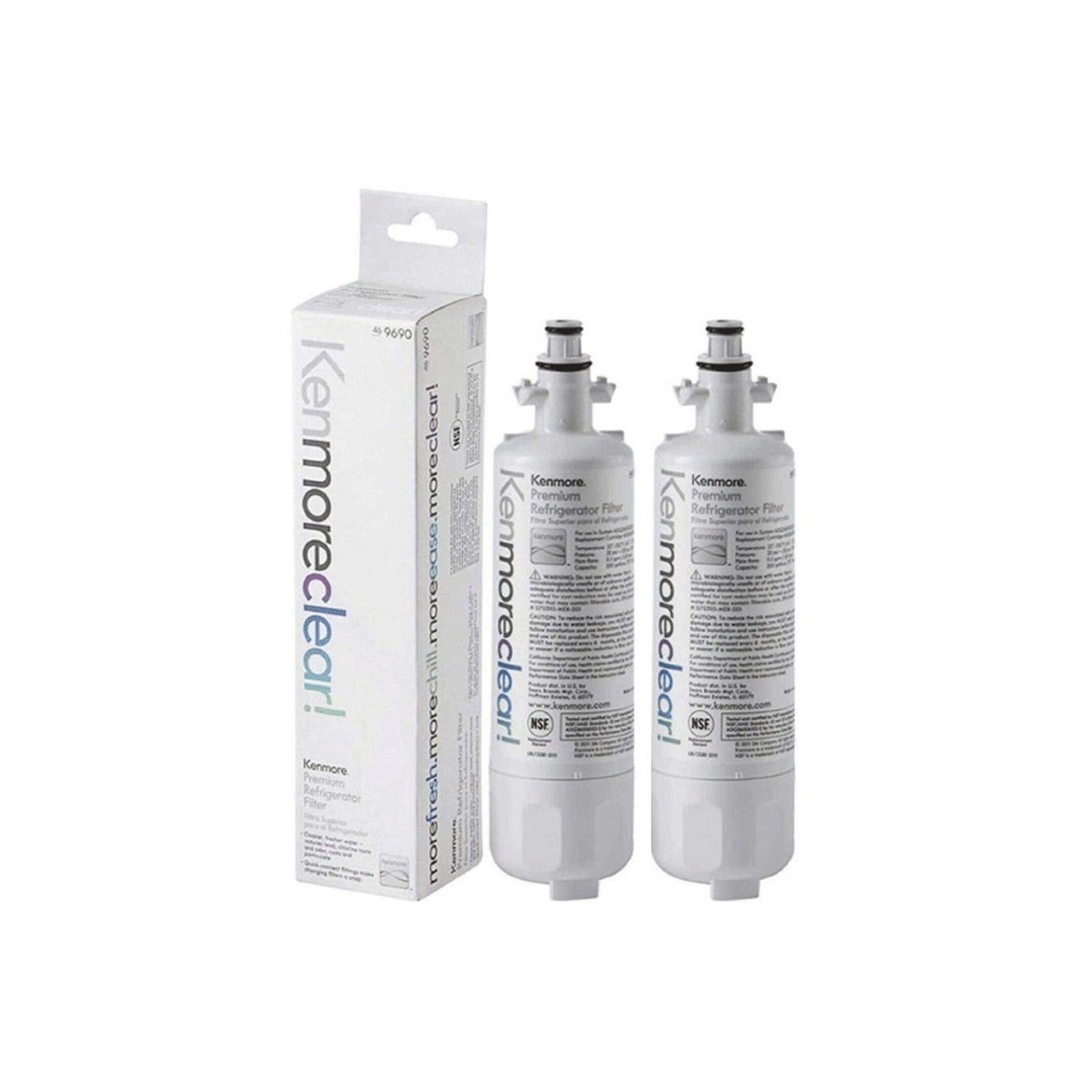
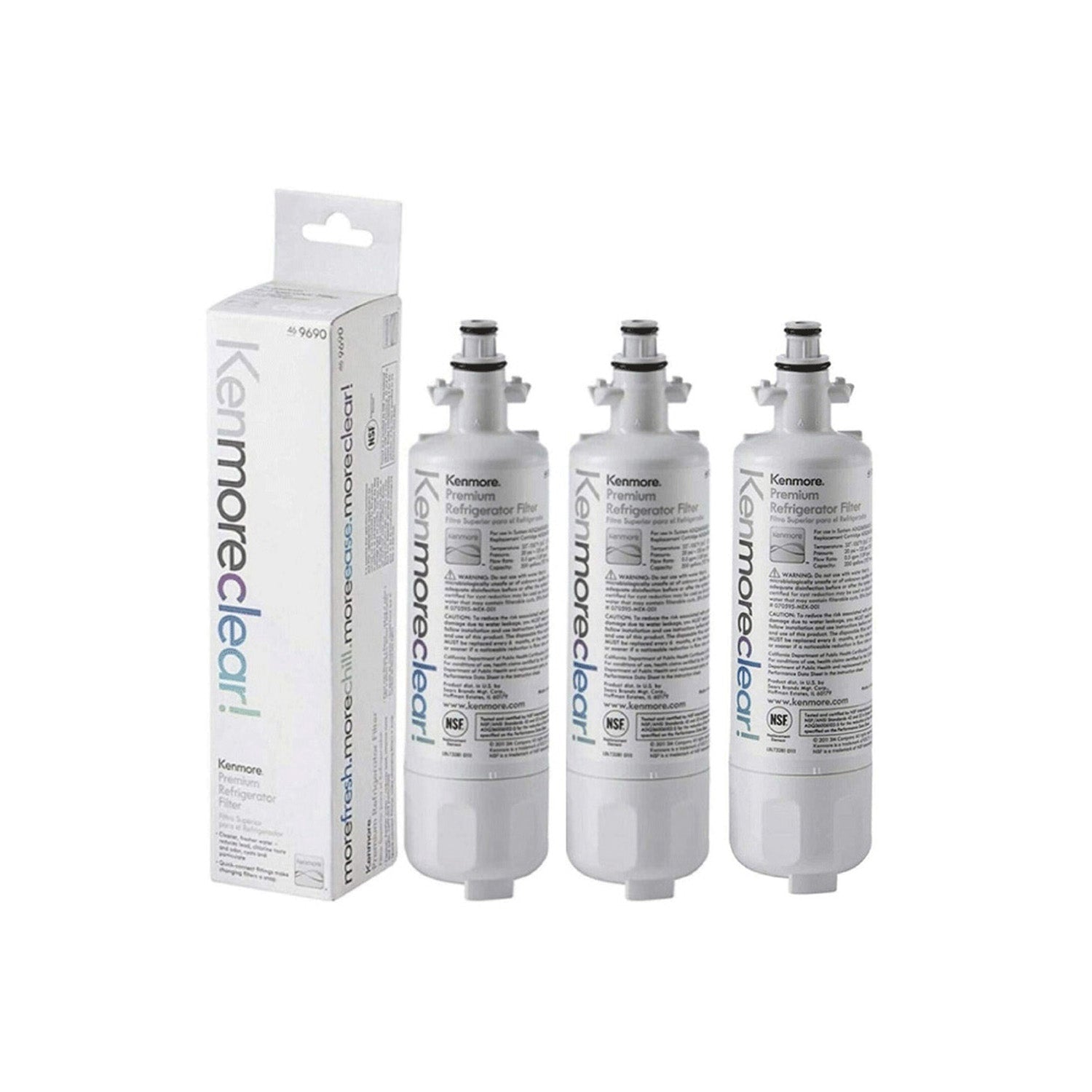
Air filters often clog faster than expected, forcing higher energy use and weak airflow through the home. Many homeowners notice dust buildup, rising utility bills, and uneven cooling before they realize the filter is the cause. Small delays in maintenance often lead to bigger repair costs and poor indoor air quality over time. Learning simple care steps helps keep systems steady and efficient, starting with early warning signs of a worn-out filter.
Warning Signs Your Air Filter Needs Replacement
Air filters often show clear signs when they stop working well. Weak airflow from vents often signals a blocked filter in the HVAC system. More dust on furniture and surfaces can mean the filter is no longer trapping small particles. Worsening allergy symptoms or more breathing discomfort can point to a dirty filter that needs replacement.
Simple 4 Ways to Extend Air Filter Life at Home
Indoor air inside many homes often carries more particles than expected. Dust, smoke, and cleaning chemicals can stay in the air and move through rooms every day. Poor airflow, humidity changes, and temperature shifts can also affect how clean the air feels. These factors often build up slowly, so the change can go unnoticed at first.
Air filters help trap many of these particles before they spread through the HVAC system. Clean filters support better airflow and help reduce dust buildup on surfaces. They also help lower the chance of breathing discomfort caused by common indoor particles.
Simple habits can help reduce strain on air filters and lower replacement needs. Small changes in daily care and HVAC use can make filters stay effective for a longer time without extra effort.
1. Choose the Correct Filter Type
Filter choice affects how fast it fills with dust. Fiberglass filters usually trap larger particles like lint and pet hair, but they allow smaller particles to pass through more easily. They also clog faster in busy homes.
Pleated filters provide more surface area due to their folded design. This helps them catch smaller particles while keeping airflow more steady. Many homes get better overall performance when using pleated options instead of basic fiberglass types.
2. Upgrade to Pleated Filter Options
Pleated filters often handle dust buildup better than flat-style filters. Their folded structure creates more space for particles to settle, which slows down clogging. This helps the system run with less strain over time.
Many pleated filters also come in materials that support recycling or safer disposal. Their design supports longer use in homes with pets, cooking activity, or higher dust levels.
3. Replace Filters on a Steady Schedule
Regular replacement keeps airflow strong and helps the HVAC system run properly. Basic fiberglass filters often need changes about every month. Pleated filters can often last close to three months, depending on home conditions.
Homes with pets, allergy concerns, or heavy system use may need faster changes. Extra dust in the air or frequent HVAC use can shorten filter life, so routine checks help keep performance steady.
4. Adjust HVAC Use Based on Weather
HVAC run time directly affects how quickly a filter fills with dust. Longer daily use pulls more air through the filter, which leads to faster buildup of particles. Seasonal use often slows down this process.
Shorter or limited system use reduces airflow through the filter, which can extend its usable time. Homes with constant heating or cooling cycles usually need more frequent filter attention to keep airflow balanced.
Note: Small changes in filter choice, replacement timing, and system use can help air filters last longer. Better care also supports cleaner airflow and steadier HVAC performance across the home.
Additional Tips to Extend Air Filter Lifespan
Air filters often fill faster when small issues go unnoticed. Dust levels, airflow changes, and daily home activity can affect how long a filter stays in good condition. Simple care habits can slow down buildup and keep the system steady.
1. Check Filters on a Set Schedule
Routine checks help catch early dust buildup before it blocks airflow. Many homes follow a one to three month cycle based on people count, pets, and local air conditions. Early checks also help spot damage before performance drops.
2. Clean Washable Filters Gently
Washable filters stay in better shape when handled with care. Light vacuuming removes surface dust and loose debris. A soft brush can also help lift stuck particles without damaging the filter frame.
3. Add a Pre-Filter Layer
Pre-filters catch larger particles before they reach the main filter. This lowers the amount of dust that reaches the primary layer. Less buildup on the main filter helps it stay useful for a longer period.
4. Keep Living Spaces Clean
Clean rooms send fewer particles into the air system. Regular vacuuming of floors, dusting of surfaces, and cleaning of fabric items all help lower dust movement through vents. Cleaner spaces place less strain on filters.
5. Close Air Leaks in the Home
Small gaps in doors, windows, and walls can pull in outside dust. Sealing these gaps helps control what enters the indoor air. Less outside debris means slower filter buildup.
6. Manage Pet Hair and Dander
Homes with pets often see faster filter buildup. Regular brushing of pets helps cut down loose hair in the air. Limiting pet access to certain rooms also helps lower filter load.
7. Control Smoke and Cooking Particles
Cooking areas can release smoke and fine particles that move through the home. Good kitchen ventilation helps guide these particles outside. Cleaner air in cooking zones helps reduce stress on the filter.
8. Maintain Outdoor HVAC Area
Outdoor HVAC units work better when the surrounding area stays clear. Leaves, dirt, and debris near the unit can affect airflow. A clean space around the system supports steady air movement through the filter.
9. Schedule Regular HVAC Service
Routine system checks help keep filters and other parts in good condition. Service visits often include inspection and filter attention. This helps keep the system working without extra strain over time.
Why Professional HVAC Care Helps Air Filter Life
Home air filters often last longer when the full HVAC system stays in good shape. Basic home care helps with surface dust, but deeper system checks help control hidden issues that affect airflow and filter load. Regular service also helps keep the system steady during daily use.
Full System Checkups by Technicians
Skilled HVAC technicians review the full system during service visits. They check the filter area, airflow paths, and connected parts to spot early wear or blockages. Small issues often go unnoticed during normal home use, so a full check helps prevent bigger strain on the filter.
Better Airflow and Lower System Strain
Smooth airflow helps the HVAC system run with less effort. A clean and balanced system pushes air evenly, which slows down fast dust buildup on the filter. Lower strain on the system also helps the filter stay usable for a longer time without early clogging.
Right Filter Choice From Experts
Professional advice helps match the correct filter type with the home setup. Some homes need stronger filtration, while others need better airflow balance. Proper selection supports steady performance and helps avoid filters that clog too quickly or fail to catch enough particles.
Simple Steps to Maintain Air Filter Health and Get Professional Help
Better air filter care leads to cleaner indoor air and lower replacement costs over time. Regular checks, light cleaning, and smart control of dust sources in the home help reduce fast buildup inside the filter. These small habits support steady airflow and keep the HVAC system working with less strain.