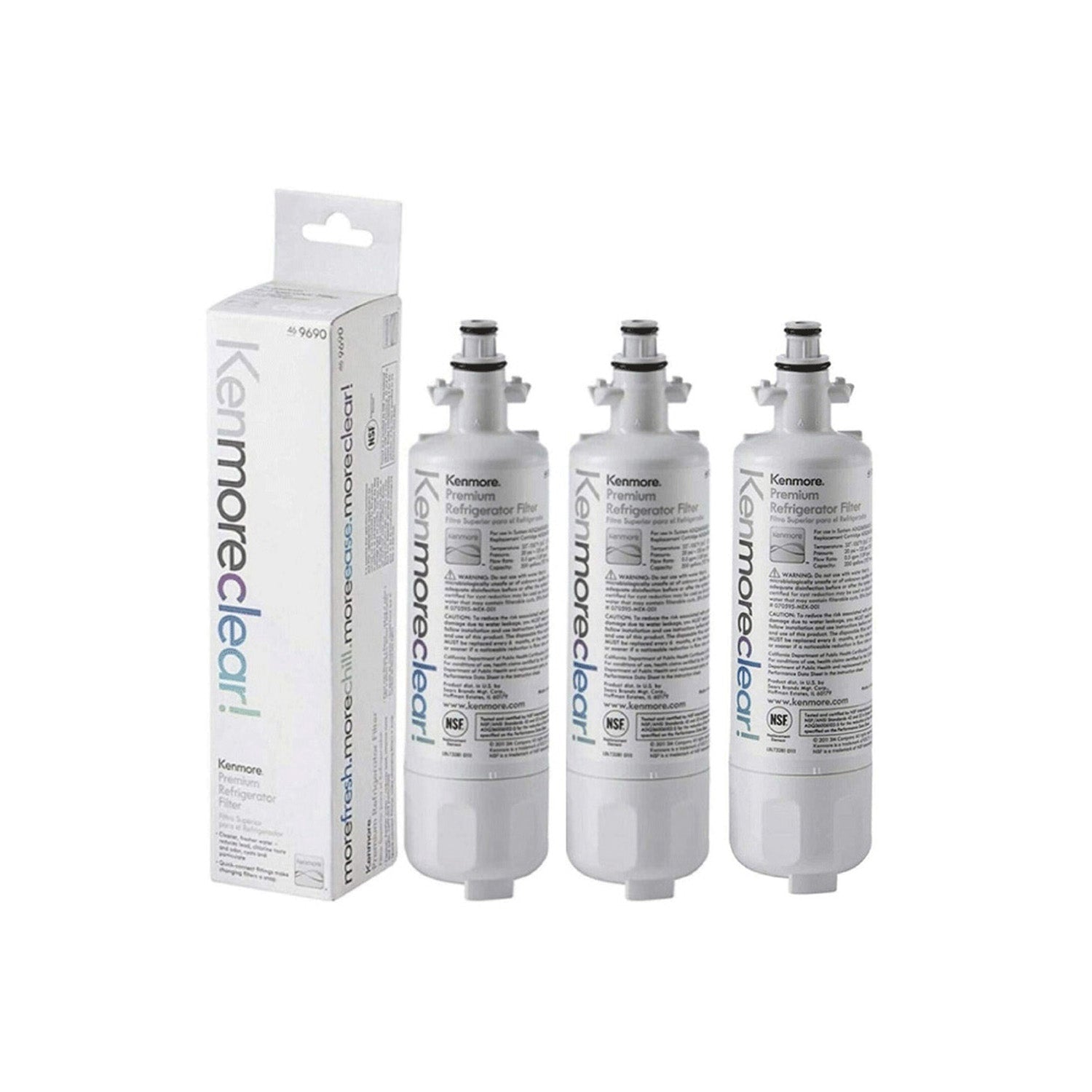
Water stops coming from a Kenmore refrigerator dispenser at the worst time, leaving users frustrated after pressing the lever with no result. Small issues often cause this problem, and most cases link back to a clogged filter, trapped air, or a blocked water line.
This guide shows simple steps to find the cause fast, fix water flow, and avoid replacing parts that still work fine. Read on to check each repair step and move closer to steady water flow again. The next section explains key reasons behind dispenser failure, helping narrow down the issue before any part replacement and guiding a clear path toward restoring normal water dispensing again quickly now.
How Kenmore Water Dispensers Work and Why They Stop
Kenmore refrigerators rely on a sealed water delivery system that requires multiple parts to operate correctly. Water flows from the household water supply through a dedicated line, enters the refrigerator through a water inlet valve, passes through the filtration system, and then travels through internal tubing to reach the dispenser. When any part of this process becomes obstructed, improperly connected, frozen, or fails electrically, water delivery can stop completely.
In many cases, the problem is caused by straightforward issues such as an incorrectly installed filter or air trapped inside the water line. More complex faults should only be considered after these basic components and connections have been checked and confirmed to be working properly.
Step-by-Step Guide to Fix Kenmore Refrigerator Water Dispenser Issues
Simple steps help find the cause of water flow problems in a Kenmore refrigerator. Each step focuses on one possible issue and helps guide the fix in a clear order.
Step 1: Check the Water Filter and Fit
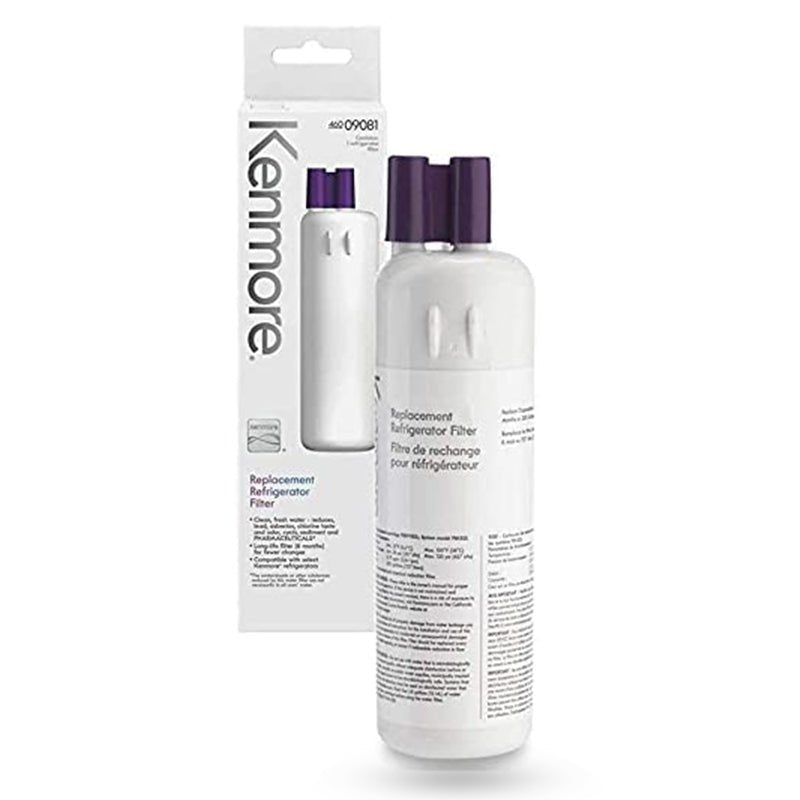
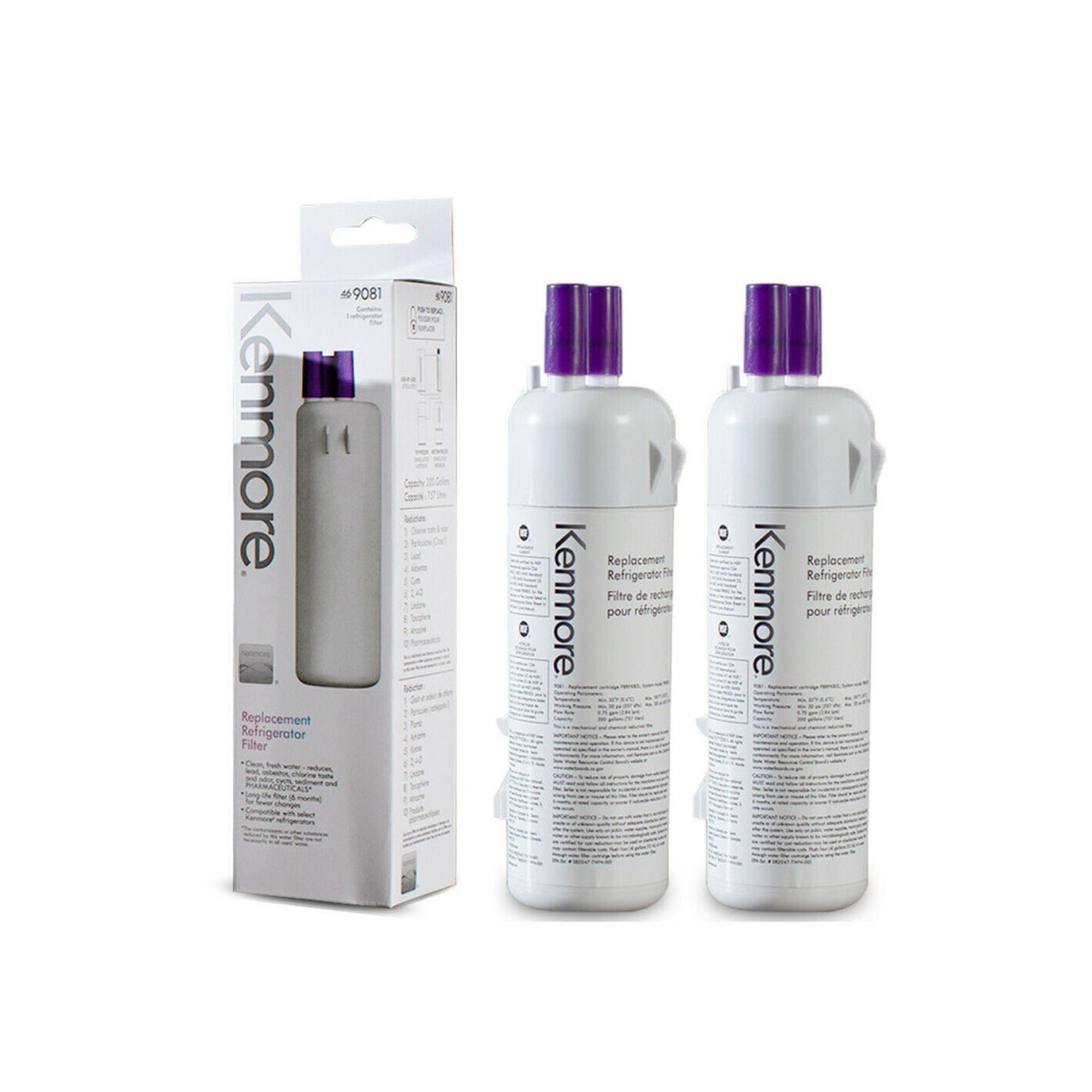
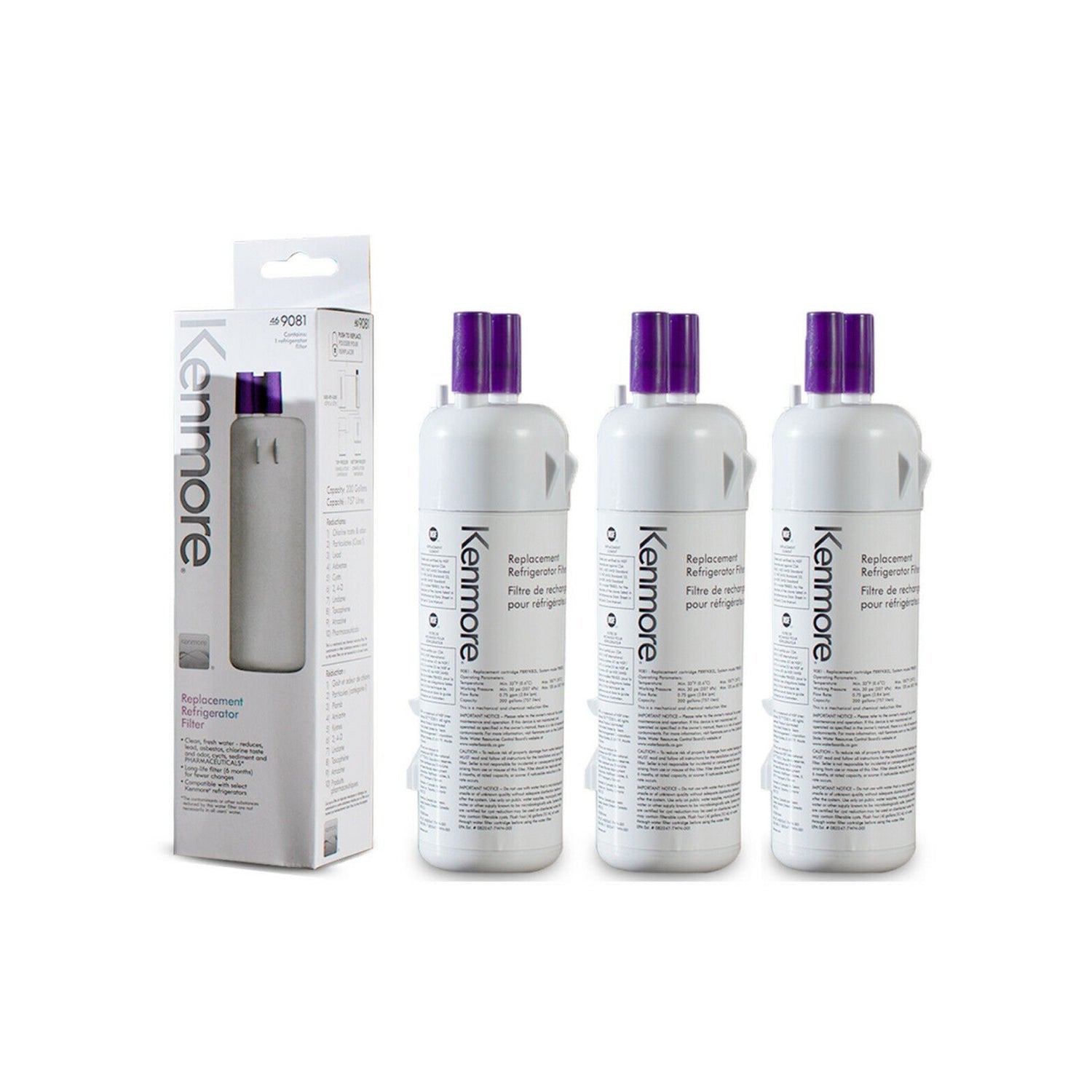
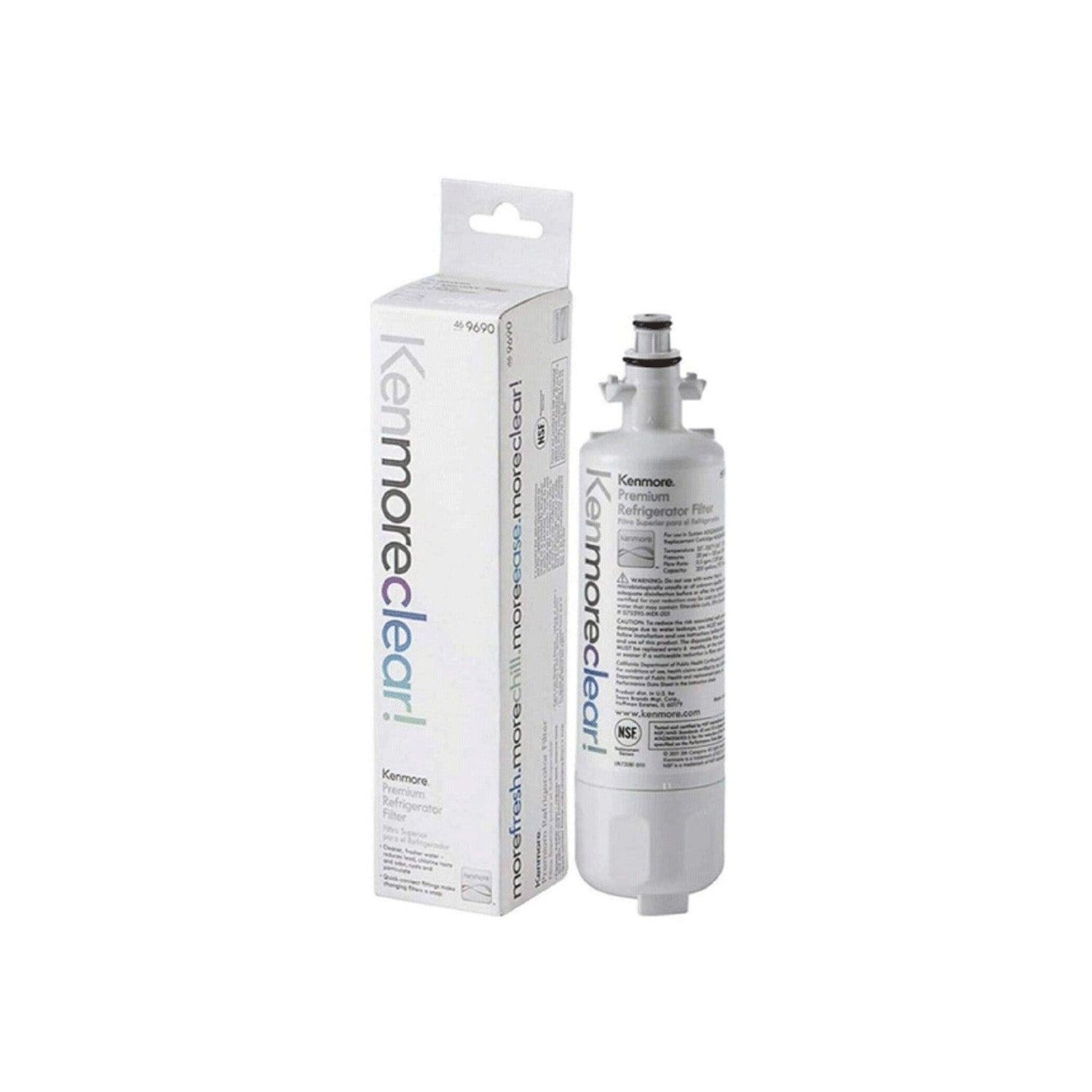
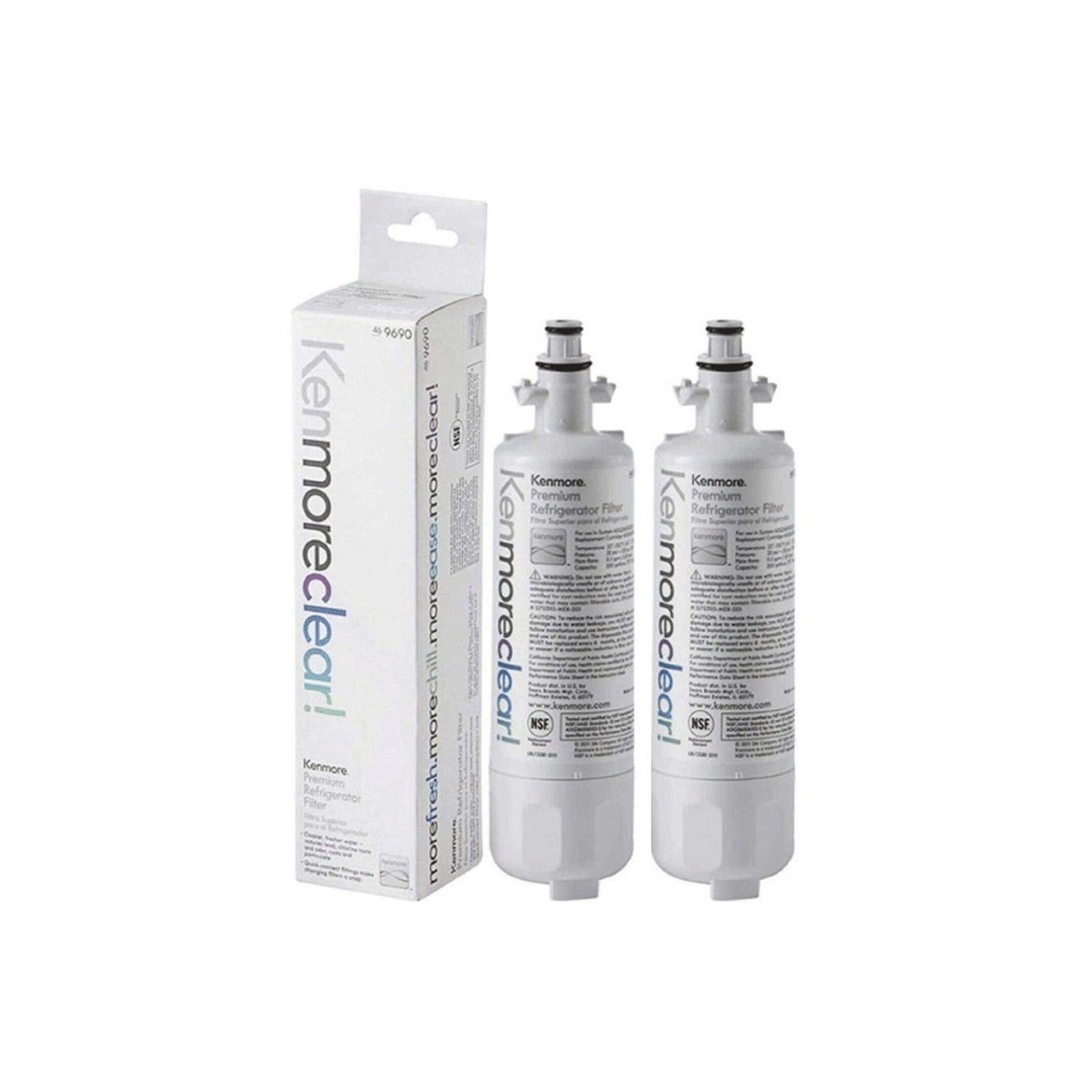
Water flow often stops when the Kenmore refrigerator filter does not lock into the housing. A loose or half-seated filter can block water movement through the system. This issue often appears after a filter change or reinstall. A secure fit helps the refrigerator push water through the filter without restriction.
Confirm the Filter Is Seated Correctly
Many filters feel installed even when they are not fully locked in place. A small gap can stop water flow completely.
-
Remove the filter and check the ends for worn or uneven O-rings. A damaged ring can break the seal.
-
Inspect the filter housing for dirt, moisture, or leftover parts from an old filter. Any blockage can affect the lock.
-
Push the filter back in with firm pressure until it clicks, twists, or locks based on the model. A loose fit stops water flow.
A filter that does not lock into place prevents normal water movement through the dispenser system.
Test Water Flow Without the Filter
Some Kenmore models allow a short bypass when the filter is removed. This test helps narrow down the cause.
- Water flow after removing the filter points to a filter or housing issue.
- No water flow in both cases points to a different system problem.
This quick check can help narrow down the cause and determine whether further troubleshooting should focus on the filtration system or another component.
Step 2: Release Air Locked Inside the Water System
After replacing a water filter, restoring the water supply, or leaving the dispenser unused for an extended period, air can become trapped within the refrigerator’s water lines. These air pockets can restrict normal water movement and may create the impression that the dispenser is blocked.
Common Indicators of Air in the System
You may have trapped air in the lines if you notice:
- Water dispensing in short bursts or sputtering intermittently
- Weak flow that starts and stops unexpectedly
- No water dispensing immediately after a filter change
These issues frequently occur right after a new filter has been installed.
Steps to Purge the Water Lines
Removing trapped air helps restore proper flow and prevents unnecessary strain on dispenser components:
- Press and hold the dispenser paddle for several seconds, then release it briefly.
- Continue repeating this cycle of dispensing and pausing until the water stream becomes consistent.
- Keep dispensing water until the flow is smooth and steady, which may require several liters of water.
Purging air from the system is a simple but important step that often resolves dispenser performance problems without further troubleshooting.
Step 3: Check Whether the Refrigerator Is Receiving Water Properly
A Kenmore water dispenser will not operate if water cannot reach the refrigerator from the home’s plumbing system. Common causes include a closed supply valve, a bent water line, or a blockage that restricts water flow.
Examine the Water Supply Valve
Find the cold-water supply valve connected to the refrigerator and make sure it is completely open. Even a partially closed valve can reduce water pressure enough to prevent the dispenser from working.
Inspect the Water Line for Damage
Pull the refrigerator forward and look at the water tubing behind it. A crushed, twisted, or sharply bent line can block water movement and stop the dispenser from receiving water.
Test the Incoming Water Flow
To verify that water is reaching the refrigerator:
- Disconnect the water supply line from the rear of the unit.
- Position the tubing over a bucket or container.
- Open the shutoff valve briefly and observe the flow.
A steady stream of water confirms that the external supply is functioning correctly. If the flow is weak or irregular, resolve the water supply issue before continuing with additional troubleshooting steps.
Step 4: Find and Clear Frozen Water Lines
Water dispenser lines inside the refrigerator can freeze when temperatures become excessively low. A frozen section in the tubing prevents water from moving through the system and can stop dispensing completely.
Common Signs of a Frozen Water Line
- The dispenser suddenly stops delivering water even though the refrigerator appears to be running normally.
- Ice production may continue because the ice maker often uses a separate water pathway.
- Refrigerator or freezer compartments seem colder than their usual settings.
Steps to Thaw a Frozen Water Line
Increase the refrigerator or freezer temperature slightly and allow time for the frozen tubing to thaw naturally. This gradual warming often clears the blockage without further action. If needed, use gentle indirect heat around the suspected area, taking care to avoid excessive temperatures that could damage internal components. Once the ice melts, water flow through the dispenser usually returns right away.
Step 5: Check Whether the Water Inlet Valve Is Operating Properly
The water inlet valve controls the flow of water into the refrigerator whenever the dispenser is activated. If this component becomes faulty, water may stop reaching the dispenser even when the filter and water supply are functioning correctly.
Common Reasons for Water Inlet Valve Failure
- Sediment or mineral deposits clogging the valve screen
- Worn internal components preventing proper operation
- A failed solenoid coil that no longer responds to electrical signals
- Restricted water flow caused by a partially blocked valve
Steps to Inspect the Water Inlet Valve
Access the back of the refrigerator and locate the inlet valve assembly. Check for visible signs of damage such as rust, corrosion, cracks, or debris around the inlet screen. While activating the water dispenser, listen for a soft clicking or humming sound from the valve, which may indicate that power is reaching the solenoid.
If there is no sound, no response, or evidence of blockage or damage, the inlet valve may be preventing water from reaching the dispenser and could require replacement.
Step 6: Verify Dispenser Activation Components and User Controls
Even when water is reaching the refrigerator properly, the dispenser may remain inactive if one of its control components is not responding. Several switches and settings work together to allow water dispensing, and a fault in any of them can interrupt operation.
Test the Refrigerator Door Sensor
The door sensor helps the refrigerator determine whether dispensing is allowed. A malfunctioning switch may prevent the dispenser from operating, even when the door is fully closed. Gently pressing the switch by hand can help confirm whether it reacts as expected.
Inspect the Dispenser Actuator Switch
Behind the dispenser paddle or lever is a small electrical switch that starts the dispensing process. If this component becomes worn or stops making contact, the water inlet valve will not receive the signal needed to open.
Review Control Lock Settings
Many refrigerator models include a lock function that disables dispenser controls. When activated accidentally, it can make the dispenser appear defective. Turning off the lock feature through the control panel often restores normal water dispensing.
Here's a rewritten version that follows the competitor's structure and length while using a different heading, introduction, and sentence flow:
Why Genuine Replacement Parts Deliver Better Long-Term Performance
Whether you are replacing a refrigerator water filter housing, inlet valve, dispenser switch, or internal tubing, selecting genuine manufacturer-approved parts helps ensure a dependable repair. Parts produced to the appliance’s original design standards are built to work correctly with the system and maintain the performance expected from the refrigerator.
Understanding Manufacturer-Approved Parts
Manufacturer-approved replacement parts are developed specifically for the appliance model they support. They are designed for accurate fitment, evaluated for durability, and built to meet the performance and safety requirements established by the original manufacturer.
Advantages of Using Genuine Replacement Parts
-
Genuine parts are engineered to fit properly, helping simplify installation and reduce compatibility issues.
-
They are tested to meet manufacturer quality standards for dependable operation and lasting performance.
-
Using approved replacement components can help support warranty compliance and manufacturer recommendations.
-
These parts are built with materials and specifications intended to withstand normal appliance use over time.
-
While the initial purchase price may be higher, their durability often helps lower future repair and replacement costs.
Installing manufacturer-approved parts helps restore proper refrigerator operation and supports reliable performance for years to come.
Popular Asked Questions About Water Dispenser Issues in Kenmore Refrigerators
What causes the water dispenser to stop working after installing a replacement filter?
In many cases, the filter may not be locked into position correctly, or air may be trapped inside the water system after installation. Reinstalling the filter and dispensing water for several minutes often resolves the problem.
What are the signs of a faulty water inlet valve?
A defective inlet valve may fail to respond when the dispenser paddle is pressed. Lack of activation sounds, restricted water flow, or internal electrical issues are common indicators that the valve requires inspection.
Can an ice maker still work if the dispenser line is frozen?
Yes. Some refrigerator models route water through separate channels for the dispenser and ice maker. As a result, a frozen dispenser tube can block drinking water while ice production continues normally.
Should I be concerned if water sputters after replacing the filter?
No. Brief sputtering is expected because air enters the system during filter replacement. Dispensing water until the stream becomes smooth and consistent will remove the trapped air.
Are manufacturer-approved replacement parts worth using?
Factory-approved parts are designed to match the refrigerator's original specifications. They help ensure proper operation, simplify installation, and support long-term appliance reliability.
Frequently Asked Questions About Ordering Appliance Parts Online
What kinds of appliance parts and accessories can I buy?
You can find a wide range of replacement parts and accessories designed for different home appliances, including items used for repair, maintenance, and performance support.
Will the replacement parts work with every appliance model?
Compatibility depends on the specific model number. Many parts are designed for multiple models, but it is important to confirm fit before purchasing.
What should I do if the part I need is not listed?
If you cannot locate a specific part, checking the model details again or reaching out for assistance can help identify the correct replacement option.
How can I check the status of my appliance parts order?
Order tracking is typically available online using your order confirmation details, allowing you to follow updates from shipment to delivery.
How long does delivery usually take for replacement parts?
Delivery times vary based on availability and shipping location, but most orders are processed and delivered within a standard timeframe provided at checkout.
Is it possible to return parts that do not fit my appliance?
Yes, returns are generally accepted if the item is unused and does not match your appliance, subject to the store’s return policy.
Can I change my shipping address after placing an order?
Address updates may be possible if the order has not yet shipped. Contacting support quickly improves the chance of successful changes.
How do I reach customer support for help?
Customer support can be contacted through the available service channels such as email, phone, or online contact forms for assistance with orders and parts.